Nagpur’s spiritual landscape is deeply woven into the cultural fabric of Vidarbha, where sacred spaces shape everyday life and collective memory. This complete guide highlights ten famous Hindu temples in and around Nagpur that draw devotees, culture enthusiasts, and travelers seeking meaningful encounters with India’s living heritage.
These Indian Temples demonstrate the breadth of Hindu traditionsfrom ancient Ganesh shrines to contemporary mandirsand illustrate how Temple Architecture, ritual practice, and community service coexist. Pilgrims often describe a quiet transformation while moving from one sacred site to another, noting how each space offers a distinct mood of devotion and contemplation.
BAPS Shri Swaminarayan Mandir (Address: Wathoda Layout, Nagpur, Maharashtra 440035; Rating: 4.6/5) stands out for its ornate red-stone architecture, manicured gardens, and dignified illumination after dusk. It functions as a hub for spiritual activities and community gatherings, embodying a modern expression of Hindu Temples that blends devotion, service, and aesthetic refinement.
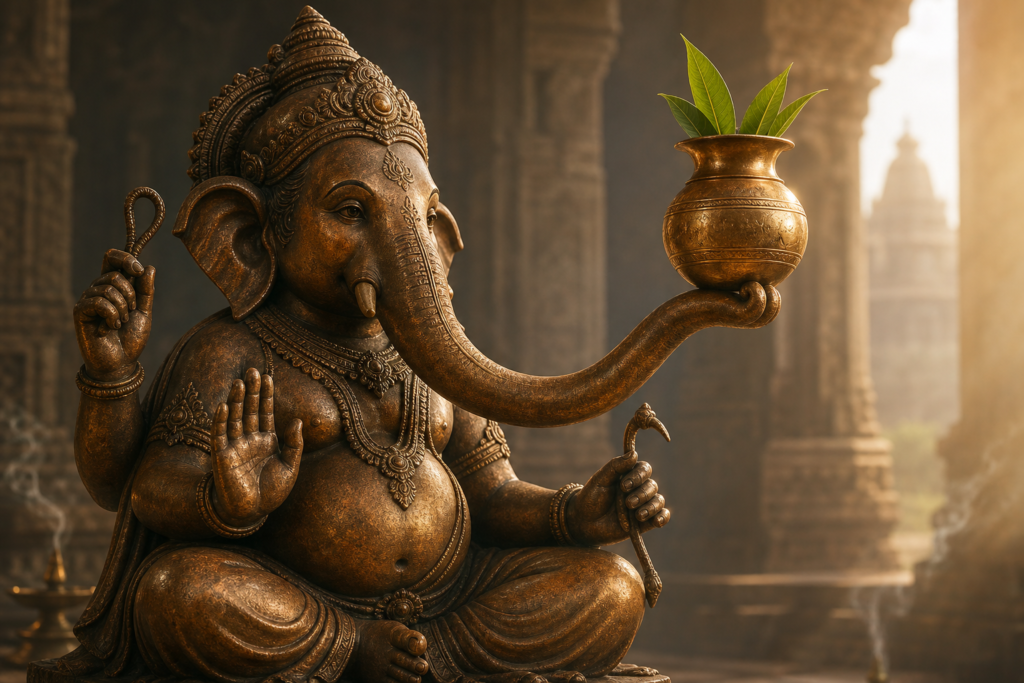
Shree Ganesh Mandir Tekdi, located near the Nagpur Railway Station, is among the city’s most venerated shrines. Early-morning darshan and festival days see steady streams of devotees, reflecting a longstanding faith in Ganesha’s guidance and protection.
Shri Poddareshwar Ram Mandir on Central Avenue is noted for its serene sanctum and vibrant Ram Navami celebrations. The temple’s structured rituals and devotional music sustain a calm rhythm that many visitors find deeply centering.
Koradi Mata Temple, a prominent Shakti shrine near the city, becomes a major focal point during Navratri. The devotional atmosphere intensifies with artis, lamps, and collective chanting that invite reflection on courage, compassion, and resilience.
Balaji Temple, Seminary Hills, set amid verdant surroundings, features South Indian stylistic elements and disciplined ritual schedules. The placid setting supports silent contemplation, making it a favored stop for those seeking unhurried prayer.
Telankhedi Hanuman Temple, close to lakeside promenades, pairs devotional energy with scenic views. Many visitors remark that the setting itselfopen skies, rippling water, and temple bellsencourages mindful presence.
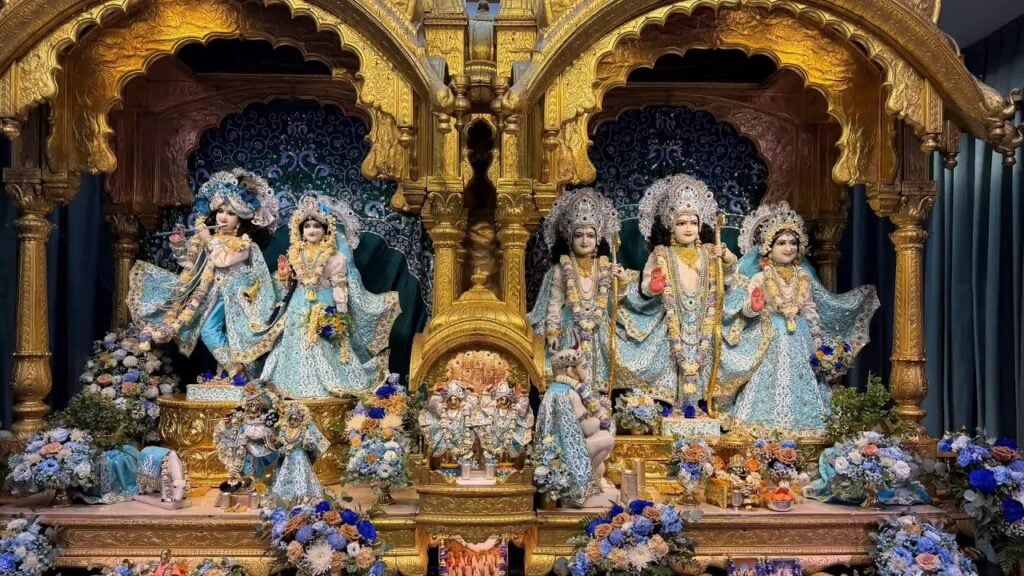
ISKCON Nagpur (Sri Sri Radha Madanmohan Temple) offers congregational kirtan, scriptural discourse, and prasadam that welcome families and students alike. The participatory nature of worship heremusic, singing, and shared mealscreates an inclusive devotional rhythm.
Sai Baba Temple (Wardha Road area) is widely visited, especially on Thursdays. The aarti and simple, service-oriented ethos reflect a bhakti tradition emphasizing humility, charity, and trust in divine grace.
Adasa Ganpati Temple, renowned for its ancient-feeling sanctum and distinctive idol, is a cherished site for those undertaking a Hindu pilgrimage circuit around Nagpur. The atmosphere encourages slow, attentive darshan and quiet gratitude.
Ramtek Temple (Shri Ram Mandir, Ramtek), situated on a picturesque hill, blends historical significance with a panoramic setting. The ascent and temple precinct together evoke a sense of journeyphysical, emotional, and spiritualtypical of Indian Temples with layered heritage.
Practical guidance enhances a meaningful visit. Early mornings and evenings are ideal for darshan and photography of Temple Architecture. Festival days such as Ram Navami and Navratri heighten devotional intensity but may require additional time and patience. Modest attire, mindful queueing, and respect for prasad distribution and no-photography zones are encouraged.
These sacred spaces also nurture broader unity across dharmic traditionsHinduism, Buddhism, Jainism, and Sikhismby foregrounding shared values such as compassion, discipline, and reverence for wisdom. Visitors frequently observe how inclusive practices, community kitchens, and cultural programs cultivate harmony and mutual respect.
Taken together, Nagpur’s famous temples present a complete portrait of living spirituality: intimate in daily worship, expansive in cultural impact, and quietly transformative for those who approach with curiosity and devotion. Whether seeking a structured Hindu pilgrimage or an insightful cultural itinerary, these shrines offer enduring pathways to reflection, service, and inner steadiness.
Inspired by this post on Hindu Pad.