Goddess Vinayakialso known as Ganeshani, Gajanani, Ganeshari, and Vigneshwarirepresents the feminine form of Lord Ganesha. In diverse strands of Hindu traditions, Vinayaki is understood as a manifestation of Shakti or as a Yogini Devata, reflecting Hinduism’s rich capacity to honor both masculine and feminine expressions of divine wisdom.
Classical references to Vinayaki appear in Puranic and Tantric milieus, where she is sometimes identified among the Yoginis, the dynamic embodiments of Shakti. These sources underscore a pluralistic sacred landscape in which deities may reveal complementary aspects, affirming Sanatana Dharma’s inclusive ethos that harmonizes varied forms, names, and pathways of worship.
In iconography, Vinayaki is depicted as elephant-headed with a distinctly feminine human form. She is often shown with four arms, bearing traditional attributes such as the pasha (noose), ankusha (elephant goad), modaka (sweet), and a lotus, while occasionally bestowing blessings through varada and abhaya mudras. Her vahana is commonly the mouse, aligning her symbolism with Ganesha as remover of obstacles, yet inflected through a maternal, compassionate presence.
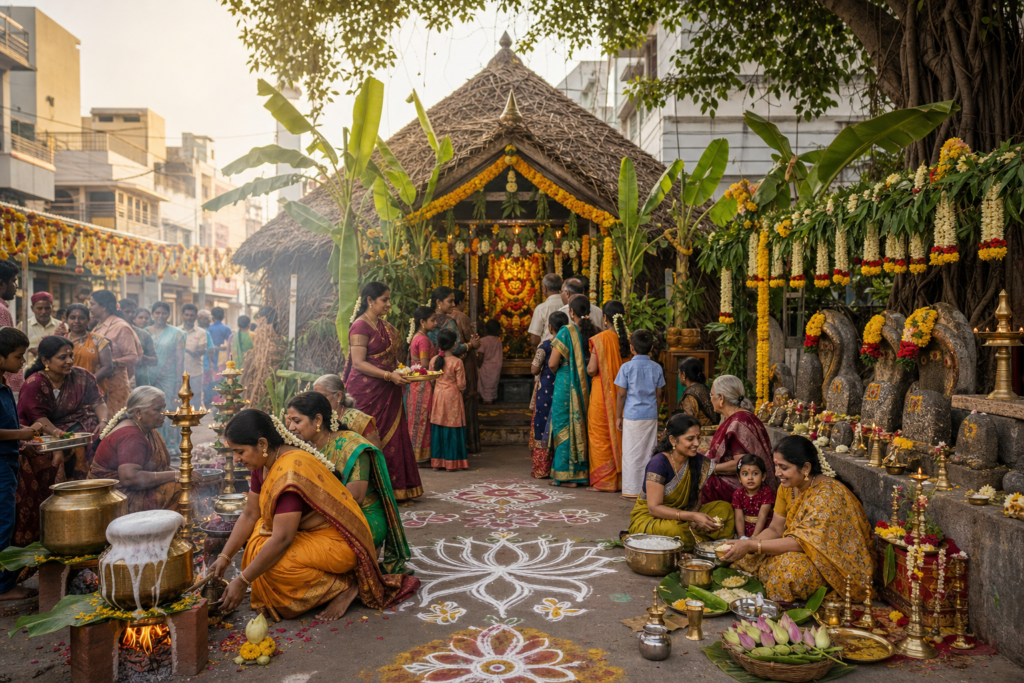
Vinayaki is locally venerated in parts of Tamil Nadu and in select South Indian temples, where her puja is integrated into daily worship and festive observances related to Ganesha. This regional devotion highlights living traditions that preserve lesser-known forms of the divine, enriching the cultural heritage of Hindu deities within temple ecosystems and community practice.
Spiritually, Vinayaki signifies the union of wisdom (buddhi), compassionate strength (karuna), and auspicious beginnings (mangala). As the feminine remover of obstacles, she is invoked for clarity in decision-making, resilience in sadhana, and harmony in family and community life. Many devotees describe a felt sense of reassurance before her murtian emotional anchoring that turns reverence into a steady, everyday practice.
Her presence also resonates across the broader dharmic family. The reverence for compassionate wisdom in Hinduism, the veneration of Prajna in Buddhism, the ethical discipline and ahimsa in Jainism, and the emphasis on humility and seva in Sikh traditions form a shared moral horizon. Framing Vinayaki within this continuum nurtures unity-in-diversity and encourages mutual respect among Hindu, Buddhist, Jain, and Sikh communities.
For seekers, contemplating Vinayaki offers both a scholarly and experiential pathway: study of her Puranic-Tantric references provides context, while meditation, japa, and quiet darshan cultivate a relatable devotional rhythm. In this synthesis of knowledge and practice, Vinayaki emerges as a gentle guide who aligns inner intent with outer action, turning spiritual insight into lived wisdom.
Ultimately, Vinayaki’s form affirms a core principle of Sanatana Dharma: the one truth is approached through many forms. Recognizing Ganeshani as the sacred feminine of Ganesha strengthens an inclusive understanding of Hindu Goddess traditions and invites harmonious engagement across dharmic paths.
Inspired by this post on Hindu Pad.