
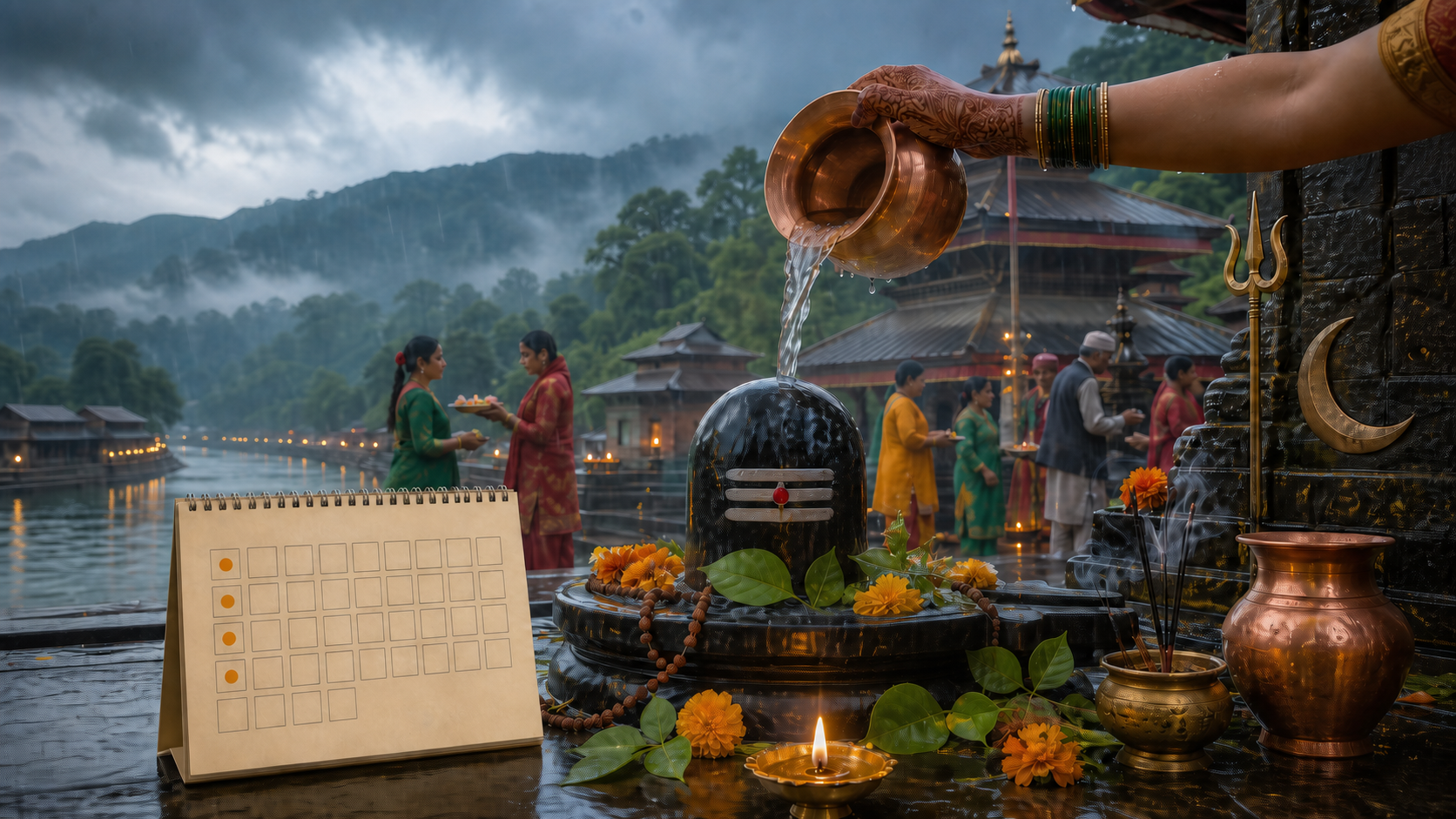
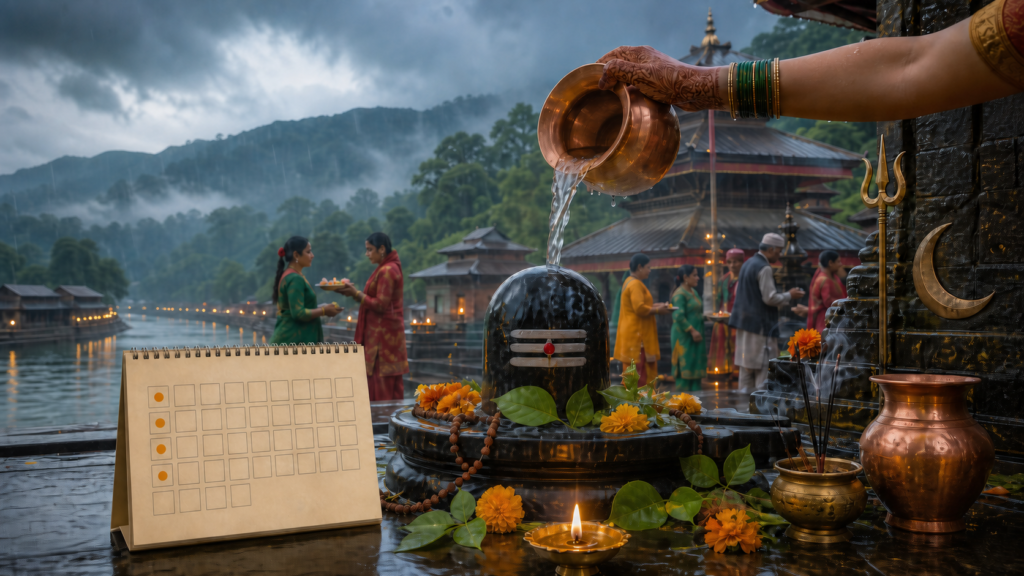
Shrawan Month 2026 in Nepal begins on Friday, 17 July 2026, and ends on Sunday, 16 August 2026. These dates correspond to Shrawan 1 through Shrawan 31 of Bikram Sambat 2083, giving the month 31 civil days. The conversion is confirmed by the Shrawan 2083 Nepali Patro. For households planning Shravan Maas worship, pilgrims preparing for Pashupatinath, and readers coordinating Nepali and Gregorian calendars, these are the central dates to record.
Calendar position and civic importance. Shrawan is the fourth month of Nepal’s Bikram Sambat year. It follows Ashadh and precedes Bhadra, while the year itself begins on Baisakh 1 rather than Shrawan 1. Shrawan nevertheless has major civic significance because Nepal’s fiscal year 2083/84 begins on Shrawan 1, as reflected in the Ministry of Finance budget documentation. The date therefore joins religious observance, seasonal change, household planning, and public administration in a single calendrical threshold.
Shrawan, Shravan, Saun, and Sawan refer to closely related names. Shrawan and Shravan are common Sanskrit-derived romanizations, while Saun or Saaun reflects widely used Nepali pronunciation; Sawan is also familiar across South Asia. The phrase Nepal Shravan Maas usually refers either to Nepal’s solar Bikram Sambat month or, less precisely, to the broader monsoon season of Shiva devotion. This distinction matters because a solar Nepali month and a lunar religious month do not always begin or end together.
How the Nepali Shrawan month is calculated. Nepal’s Bikram Sambat civil months follow a solar framework. Shrawan begins around the Sun’s sidereal transition from Mithuna to Karka, traditionally called Shrawan or Karka Sankranti. Because the Sun’s passage through successive sidereal zodiacal sectors is not represented by identical numbers of civil days, Bikram Sambat months can vary in length from year to year. Consequently, Shrawan cannot be converted by assuming that it always starts on the same Gregorian date.
Festival dates add a lunar layer to the solar calendar. Ekadashi, Purnima, Aunsi, and many other observances are determined by tithi rather than by the numbered solar date alone. Astronomically, one tithi represents a 12-degree increase in the angular separation of the Moon from the Sun, and its duration is not fixed at exactly 24 hours; this classical definition is explained in The Indian Calendar. A panchang therefore examines when a tithi begins, when it ends, and whether it prevails at sunrise or at the ritual’s prescribed time. This is why two reliable calendars can display the same Shrawan civil date but require additional local calculations for a fast, parana, moonrise, or puja muhurta.
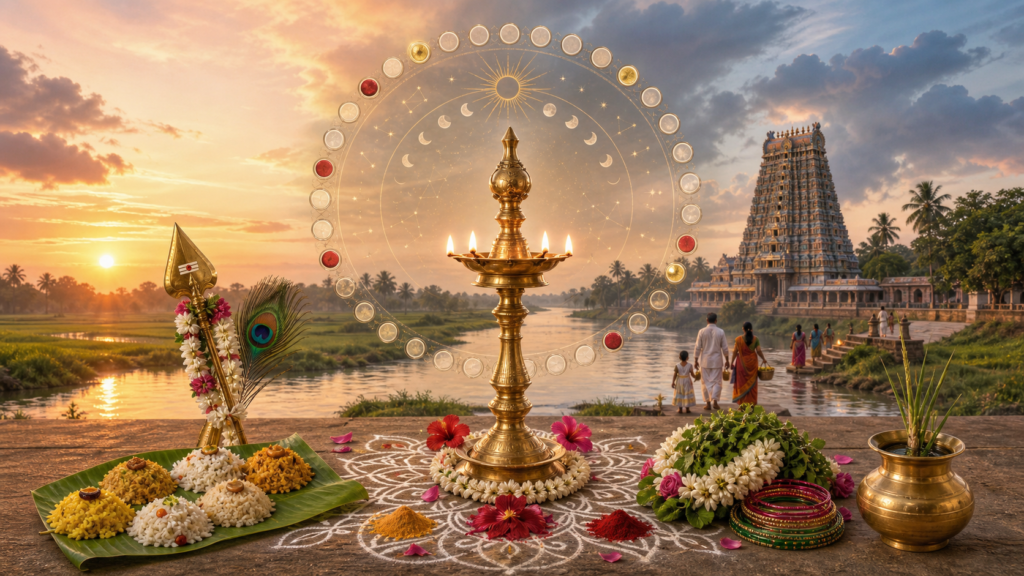
The 2083 calendar illustrates this solar-lunar overlap clearly. Shrawan 1 falls while Tritiya is listed in the lunar cycle, whereas Aunsi occurs on Shrawan 27, corresponding to 12 August. The next bright fortnight begins near the end of the solar month, on Shrawan 28. Only the final days of solar Shrawan therefore overlap that new lunar fortnight. This technical point resolves much of the online confusion surrounding Nag Panchami, Janai Purnima, and other festivals popularly associated with Shravan.
Shrawan is also a lived monsoon season. The month arrives when rainfall has renewed fields, hillsides, courtyards, and river systems across much of Nepal. Agricultural work, muddy roads, fresh vegetation, and the sound of rain form the physical setting in which devotional customs unfold. For many families, Shrawan is experienced not only through a printed calendar but through green paddy, damp temple stones, early-morning bells, shared food, and the repeated rhythm of Monday worship. This environmental setting helps explain why renewal, fertility, restraint, and gratitude remain prominent themes.
Green, red, yellow, bangles, and mehendi are visible cultural expressions. The Nepal Tourism Board’s account of Sawane Sankranti connects green with monsoon nature and fertility and describes participation by women of different ages. In many communities, green or multicolored bangles, pote, red or yellow clothing, and mehendi express celebration, affection, auspiciousness, or marital well-being. These are evolving cultural practices rather than universal requirements. Their meaning varies by family, region, generation, and personal conviction, and participation should remain voluntary.
Why Shrawan is associated with Lord Shiva. Nepali Hindu practice treats the month as an especially significant period for Shiva worship. One traditional theological explanation invokes the Samudra Manthan narrative, in which Shiva contains the destructive poison produced during the churning of the cosmic ocean and becomes Neelkantha. Read devotionally, the episode presents power as disciplined responsibility: danger is contained for the welfare of all beings. It is best understood as sacred narrative and moral theology rather than as a claim about datable astronomical or political history.
Shrawan Somwar Vrat 2026 dates in Nepal. Four Mondays fall within Shrawan 2083: Shrawan 4 on 20 July 2026, Shrawan 11 on 27 July 2026, Shrawan 18 on 3 August 2026, and Shrawan 25 on 10 August 2026. These are the principal Nepali Shrawan Somwar dates for devotees who organize a weekly Shiva vrata by the solar Bikram Sambat month. A household following a different regional or lunar definition of Shravan should confirm its dates separately rather than combining calendars.
Complete weekday reference for Shrawan 2083. Sundays fall on 19 and 26 July and 2, 9, and 16 August; Mondays on 20 and 27 July and 3 and 10 August; Tuesdays on 21 and 28 July and 4 and 11 August; Wednesdays on 22 and 29 July and 5 and 12 August; Thursdays on 23 and 30 July and 6 and 13 August; Fridays on 17, 24, and 31 July and 7 and 14 August; and Saturdays on 18 and 25 July and 1, 8, and 15 August. This listing is useful for families that maintain Monday Shiva worship, Tuesday Gauri observances, Friday household puja, or another inherited weekly discipline.
A vrata is broader than abstention from food. In Hindu traditions, vrata denotes a deliberate vow or observance that can integrate dietary restraint, prayer, ethical discipline, recitation, pilgrimage, charity, and control of speech or habit. A Shrawan Somwar vrata may therefore involve a full fast, fruit and permitted foods, one simple vegetarian meal, or no dietary restriction when health prevents fasting. The spiritual principle lies in a sincere and sustainable commitment, not in competing over physical severity.
A practical home observance can remain simple. A devotee may bathe, clean the worship space, establish a clear sankalpa or intention, light a lamp, and offer water, flowers, fruit, or bilva leaves to a Shiva linga or image. Recitation of Om Namah Shivaya, quiet japa, meditation, reading from a respected scripture, or listening to a Shiva stotra may follow. The observance can close with gratitude, prasad, a simple meal, and an act of dana or seva. No single sequence should be presented as binding on every Shaiva, Smarta, family, or regional sampradaya.
Abhisheka is an offering, not a measure of wealth. Clean water is sufficient for a reverent home abhisheka. Milk, yogurt, honey, ghee, sugar, sandal paste, or other substances appear in particular ritual traditions, but their use is optional and should follow household custom and temple rules. Large quantities do not make worship more meaningful. Modest offerings, careful sanitation, and respectful disposal protect both the sacred space and the surrounding environment.
Pashupatinath gives Shrawan a powerful public expression. The Nepal Tourism Board describes Pashupatinath, situated beside the Bagmati River in Kathmandu, as Nepal’s most revered Hindu temple. Mondays draw substantial devotional attention, while the Bagmati Aarati creates a shared setting of lamps, mantra, music, and prayer. A crowded queue, the scent of incense, and lamps reflected near the river can turn an abstract calendar date into a memorable communal experience, although reverence requires attention to the site’s rules and to the needs of other visitors.
Temple access and etiquette should be checked before travel. The main Pashupatinath temple has religious entry restrictions, while visitors who cannot enter may observe parts of the complex from permitted areas across the Bagmati. Photography restrictions and rules concerning leather items apply in designated sacred areas. Because operating arrangements, security procedures, and crowd controls can change, pilgrims should consult current temple notices rather than relying on an old blog schedule. Modest clothing, quiet conduct, orderly queuing, and respect for priests, residents, ascetics, and fellow pilgrims remain appropriate.
Monsoon preparation is part of responsible pilgrimage. Rain-resistant clothing, footwear suitable for wet surfaces, protected storage for documents and medicines, and extra travel time can prevent avoidable difficulty. Elderly visitors, children, and people with reduced mobility may need a less crowded arrival period and a clear meeting point. Devotees should avoid blocking passages, leaving plastic near shrines, or pouring offerings into waterways. A reusable bottle and a small reusable puja container are more consistent with the month’s themes of restraint and care.
Fasting should never disregard health. People with diabetes, kidney or heart conditions, a history of disordered eating, acute illness, pregnancy, nursing needs, or medication schedules should seek individualized medical advice before fasting. The U.S. National Institute of Diabetes and Digestive and Kidney Diseases notes that religious fasting can create risks such as hypoglycemia, hyperglycemia, and dehydration for people with diabetes and emphasizes advance planning with a health professional. Medicines should not be changed independently, and a fast should be ended when symptoms indicate danger. A hydrated or non-dietary vrata remains a valid devotional alternative.
Shrawan devotion need not be confined by gender or marital status. Many inherited narratives emphasize married women praying for a spouse’s well-being or unmarried women seeking a suitable partner. Those meanings remain important to families that freely embrace them, yet the month also supports prayer for parents, children, community welfare, ecological balance, self-discipline, knowledge, and liberation. Men and women, married and unmarried people, elders, and younger adults may all participate according to capacity and conviction. No person should be pressured to fast or judged for modifying an observance.
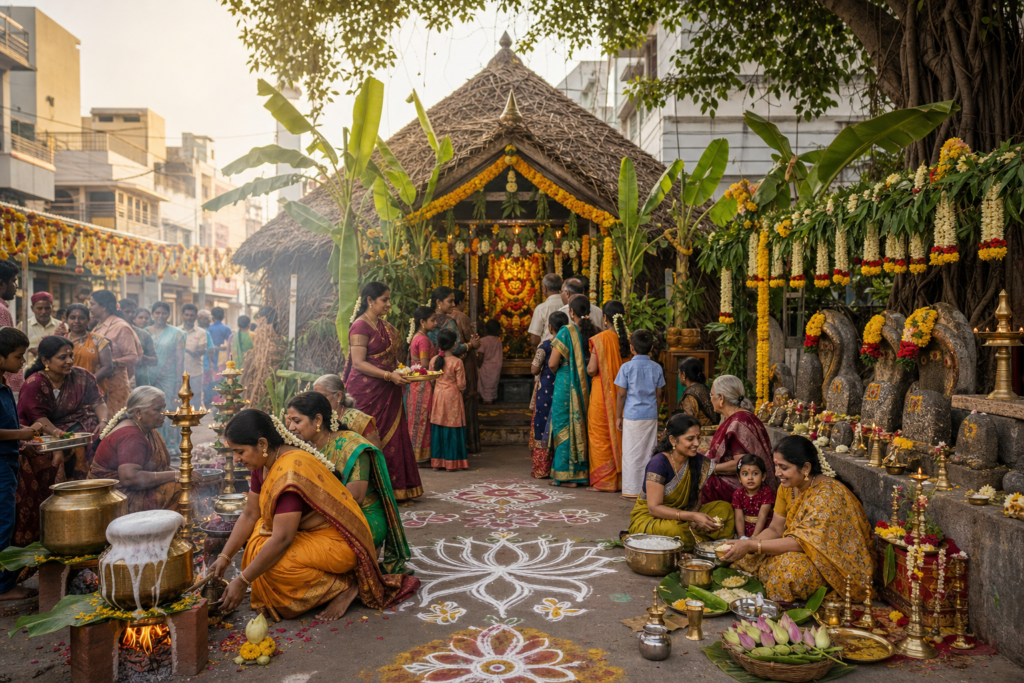
Major observances inside solar Shrawan 2083. The month’s calendar includes Saune Sankranti, Harishayani Ekadashi, the beginning of Chaturmas vrata, Guru Purnima, Khir Khane Din, Kamika Ekadashi, Ghantakarna Chaturdashi, Aunsi, the beginning of Gunla Dharma, Chandrodaya, and Baraha Jayanti. This sequence demonstrates that Shrawan is not a single, uniform festival. It is a calendrical container in which Shaiva, Vaishnava, guru-centered, Newar Hindu, Newar Buddhist, regional, culinary, and seasonal traditions meet without losing their individual identities.
17 July — Shrawan 1: Saune Sankranti. The opening day marks the solar transition and begins the Shrawan cycle. Nepali calendars also record regional customs known as Luto Falne and Ranko Balne, together with the Tharu Guriya Parba. Their names and practices belong to distinct community histories and should not be flattened into one standardized ritual. At the household level, the day may include cleaning, family food, temple worship, a new devotional intention, or preparation for the first Shrawan Monday.
25 July — Shrawan 9: Harishayani Ekadashi, Tulsi Ropne, and Chaturmas Brat Aarambha. Harishayani Ekadashi commemorates Vishnu’s symbolic entrance into yoga-nidra and begins the four-month Chaturmas discipline in many Hindu traditions. Tulsi planting or ritual care of an existing plant is also associated with the day in Nepal. Vaishnava devotees may fast, recite Vishnu names, read sacred texts, and determine parana from a location-specific panchang. The solar date belongs to Shrawan even though the accompanying lunar month label may still be Ashadh in a particular panchang system.
29 July — Shrawan 13: Guru Purnima, Purnima Vrat, Dila Punhi, and Vyasa Jayanti. This full-moon observance places learning, lineage, memory, and gratitude at the center of the month. Students may honor teachers, practitioners may remember spiritual guides, and families may recognize anyone who transmitted knowledge with integrity. Vyasa Jayanti connects the date with the revered compiler and teacher of Sanskrit sacred literature, while Dila Punhi reflects Newar calendrical vocabulary and cultural practice. An inclusive observance honors genuine guidance without encouraging personality cults or suspending critical judgment.
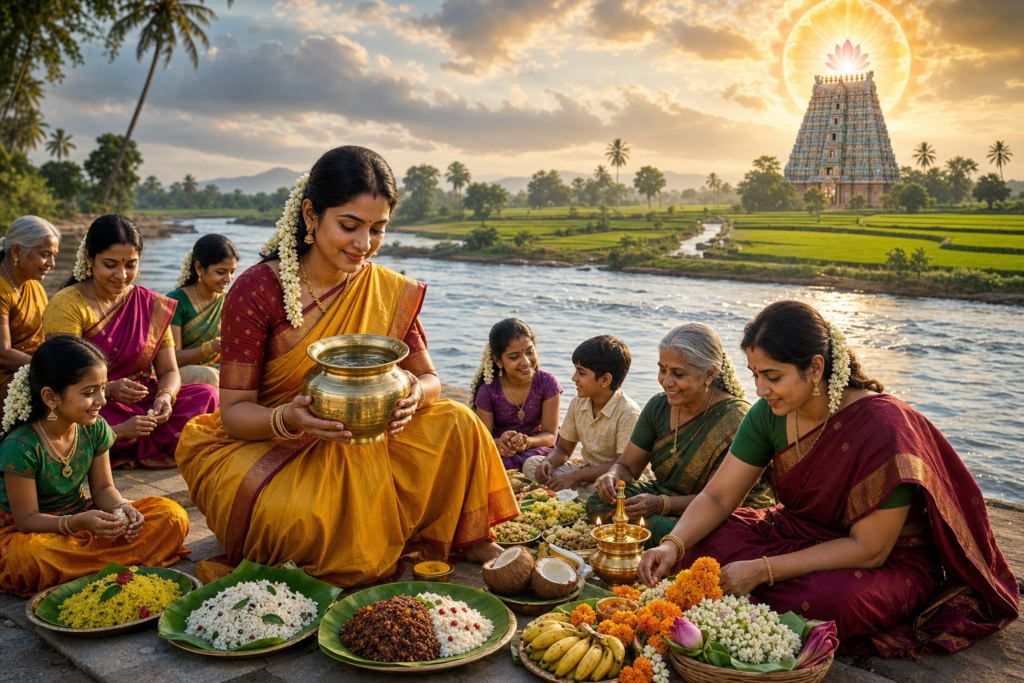
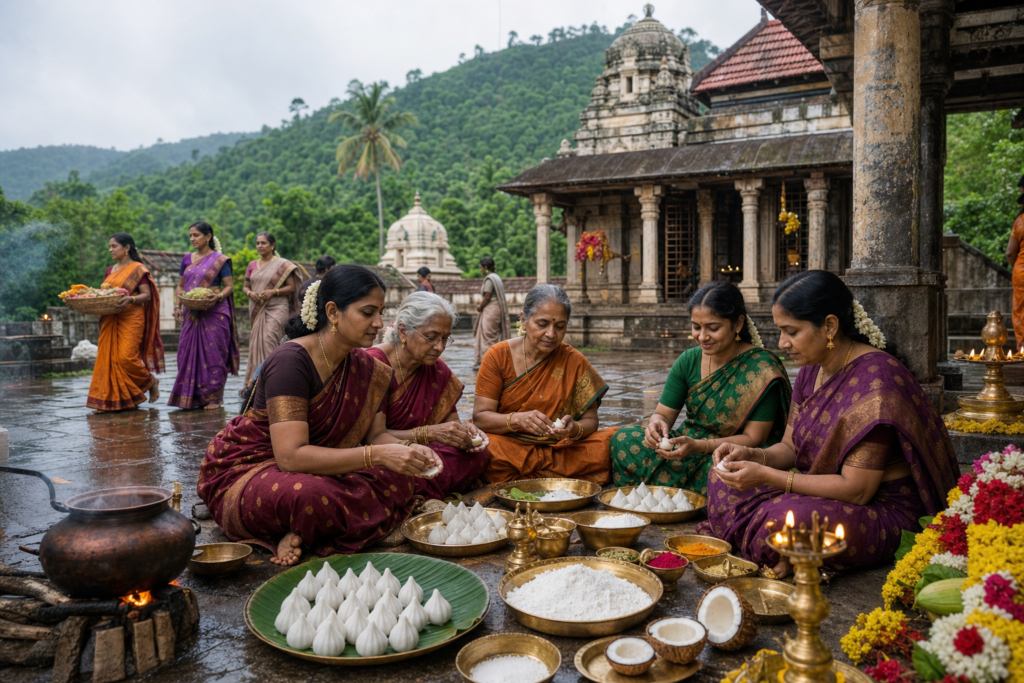
31 July — Shrawan 15: Khir Khane Din. The Nepali calendar marks a day for eating khir, the familiar rice-and-milk pudding prepared in many households. Its importance is culinary and relational as much as ritual: a seasonal food becomes an occasion for hospitality, family memory, and sharing. Recipes vary by household and can include rice, milk, sugar or jaggery, cardamom, nuts, raisins, or other locally preferred ingredients. Dietary and allergy needs can be accommodated without diminishing the cultural meaning of gathering around food.
9 August — Shrawan 24: Kamika Ekadashi. Kamika Ekadashi is primarily a Vaishnava tithi observance and may include fasting, Vishnu worship, recitation, charity, and a carefully timed parana on the following day. Nepal-based calendars place it on 9 August in 2083. Calendars configured for another country or a different Vaishnava convention may display a nearby date, which is why a generic international result should not replace a local Nepali Patro.
11 August — Shrawan 26: Ghantakarna Chaturdashi or Gathe Mangal. This is an important Newar cultural observance associated with the defeat or expulsion of a destructive figure and with the symbolic removal of disorder from the community. Names, narratives, effigies, street practices, and household rites differ between localities. A cultural study published through NepJOL documents the connected names Gathamug, Gathemangal, and Ghantakarna Chaturdashi. Respectful description should preserve that Newar context rather than treating the occasion as a generic pan-Hindu festival.
12 August — Shrawan 27: Aunsi and an important locality caution. A total solar eclipse occurs globally on this date, but NASA’s visibility information places its principal path across Greenland, Iceland, northern Russia, the Atlantic, Spain, and a small part of Portugal, not Nepal. An international panchang may still label the astronomical event beside the date. Nepal-based readers should not automatically import eclipse timings or visibility-dependent ritual instructions from Europe or another region; local astronomical visibility and the guidance of the relevant tradition must be checked.
13 August — Shrawan 28: Gunla Dharma begins. Gunla is a sacred month in Newar Buddhism, marked traditionally by early pilgrimages to Buddhist shrines, devotional music, dana, scripture, and meritorious conduct. A Government of Nepal cultural publication describes Gunla observance among Newar Buddhist followers and visits to monasteries and viharas. Its appearance within the same civil Shrawan calendar that carries Shiva and Vishnu observances reveals Nepal’s layered dharmic heritage: traditions share civic time and cultural space without becoming doctrinally identical.
The final dates of Shrawan. Chandrodaya is listed on Shrawan 29, corresponding to 14 August. Baraha Jayanti, honoring Vishnu’s Varaha manifestation, falls on Shrawan 30, corresponding to 15 August. Shrawan 31 falls on Sunday, 16 August, completing the month. Bhadra begins the following day, Monday, 17 August 2026.
Why several famous Shravan festivals fall after 16 August in Nepal. The Bhadra 2083 Nepali Patro places Nag Panchami on Bhadra 1, or 17 August; Janai Purnima and Raksha Bandhan on Bhadra 12, or 28 August; and Gai Jatra on Bhadra 13, or 29 August. Haritalika Teej occurs still later, on Bhadra 29, corresponding to 14 September. Nag Panchami and Janai Purnima follow lunar tithis associated with the Shravan religious cycle even though their civil Bikram Sambat dates fall in solar Bhadra. Teej is a later Bhadra observance and should not be inserted into the 17 July–16 August date range.
Chaturmas offers a wider dharmic context. Hindu communities use the monsoon months for intensified vrata, study, pilgrimage restraint, and worship. Jain monastics traditionally reduce travel during the rainy season, supporting ahimsa toward proliferating forms of life, while Buddhist communities maintain the distinct rains-retreat institution commonly called Vassa. Sikh practice does not depend on the same Chaturmas calendar, yet seva, simran, disciplined living, and care for the community provide meaningful ethical points of dialogue. These traditions should be understood on their own terms; unity becomes stronger when difference is studied accurately rather than erased.
A sustainable daily Shrawan routine can be modest. Morning practice may consist of bathing, a lamp, a few minutes of japa, and a conscious ethical intention. Daytime discipline may focus on truthful speech, restraint from intoxicants or harmful conduct, vegetarian food where chosen, focused work, and service to another person. Evening practice may include prayer, reading, family reflection, or participation in aarati. Mondays can carry a longer Shiva puja, while other days remain connected through consistent conduct rather than elaborate ceremony.
Diaspora observance requires two separate date decisions. The civil conversion Shrawan 1 = 17 July and Shrawan 31 = 16 August remains the reference for Nepal’s BS month. Tithi-based observances, moonrise, Ekadashi parana, Sankashti, and eclipse rules can vary with longitude, timezone, sunrise, and sectarian convention. A devotee outside Nepal should therefore use the BS dates for cultural connection but obtain ritual timings from a reputable panchang configured for the actual city of observance.
A reliable calendar-checking method prevents most errors. First, the reader should identify whether a date is solar, lunar-tithi based, or a fixed civil commemoration. Second, the panchang’s location and timezone should be checked; Nepal Standard Time is UTC+5:45. Third, the relevant family or sampradaya convention should be identified, especially for Ekadashi. Fourth, current temple notices should be consulted for access and schedules. Finally, an observance should not be assumed to be a nationwide public holiday merely because it appears in a religious calendar.
The deepest value of Shrawan lies in disciplined relationship. A lamp at a household shrine, a line of pilgrims beside the Bagmati, khir shared across generations, the honoring of a teacher, a Newar community rite, and the beginning of Gunla Dharma all belong to the month’s cultural landscape. Together they show a Nepal in which devotion is both intimate and public, inherited and adaptable. The emotional force of the season comes from this meeting of rain, memory, vow, food, music, and community.
Shrawan 2083 can therefore be observed with accuracy, reverence, and openness. Its confirmed civil span is 17 July to 16 August 2026, and its four Nepali Shrawan Somwar dates are 20 July, 27 July, 3 August, and 10 August. Careful distinction between solar months and lunar tithis preserves calendrical accuracy; respect for regional and sectarian practice preserves cultural integrity; and health-conscious, environmentally responsible devotion preserves the welfare at the heart of dharma.
Inspired by this post on Hindu Pad.



Leave a Reply
You must be logged in to post a comment.