
-
Lakshmi Ganapati in the 32 Forms: Tantric Iconography, Sacred Symbolism, and Meaning
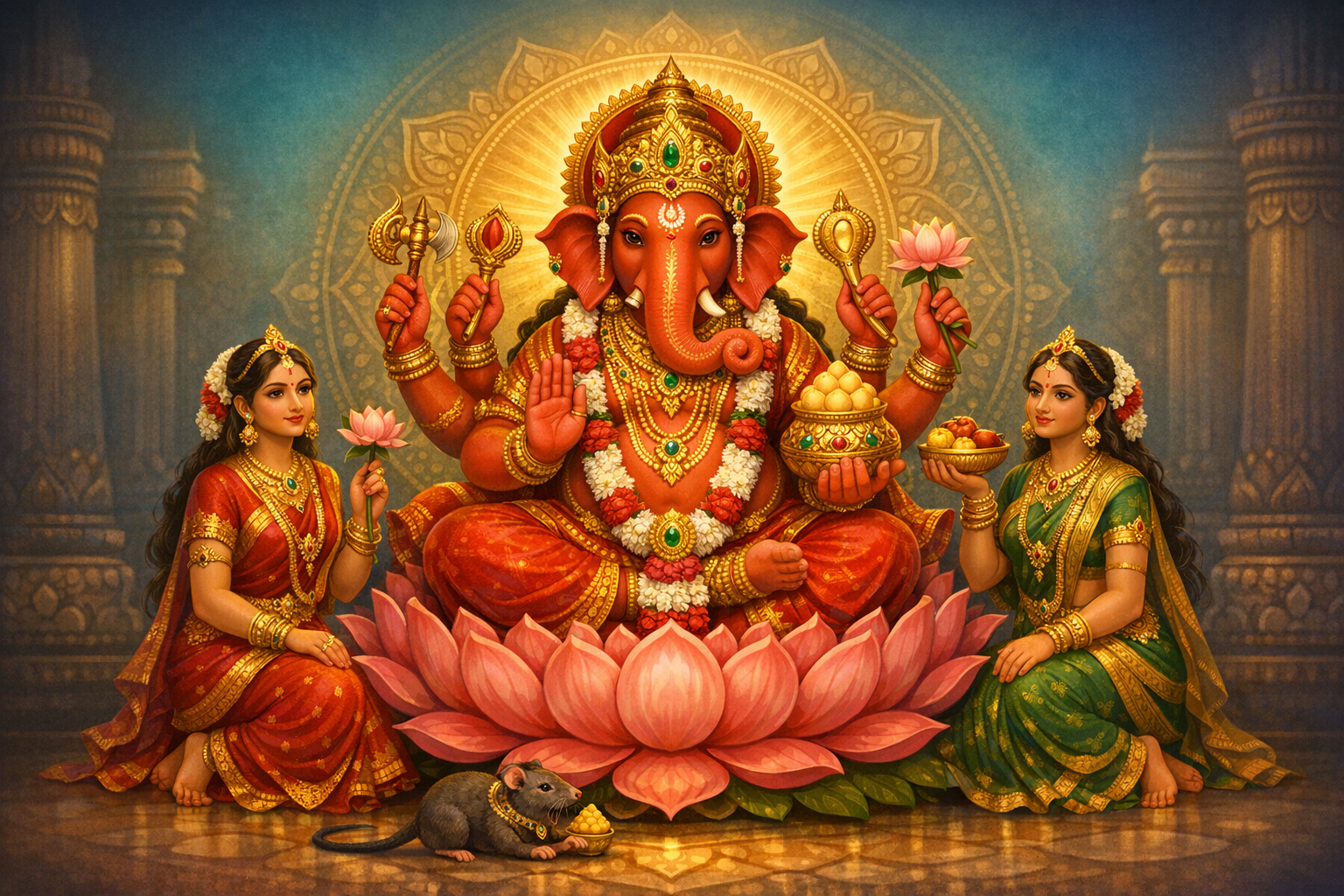
Lakshmi Ganapatione of Ganesha’s thirty-two formsembodies the sacred union of wisdom and prosperity within a Tantric and puranic framework. This in-depth guide clarifies that the name denotes Ganesha infused with Lakshmi-tattva, often attended by Siddhi and Riddhi, rather than a substitution with Goddess Lakshmi. Readers will learn how each attributepasha, ankusha, ratna-kumbha, modaka, and lotusmaps…
-
Vamavarti Ganesha Explained: Auspicious Left-Trunk Form, Symbolism, Rituals, Benefits
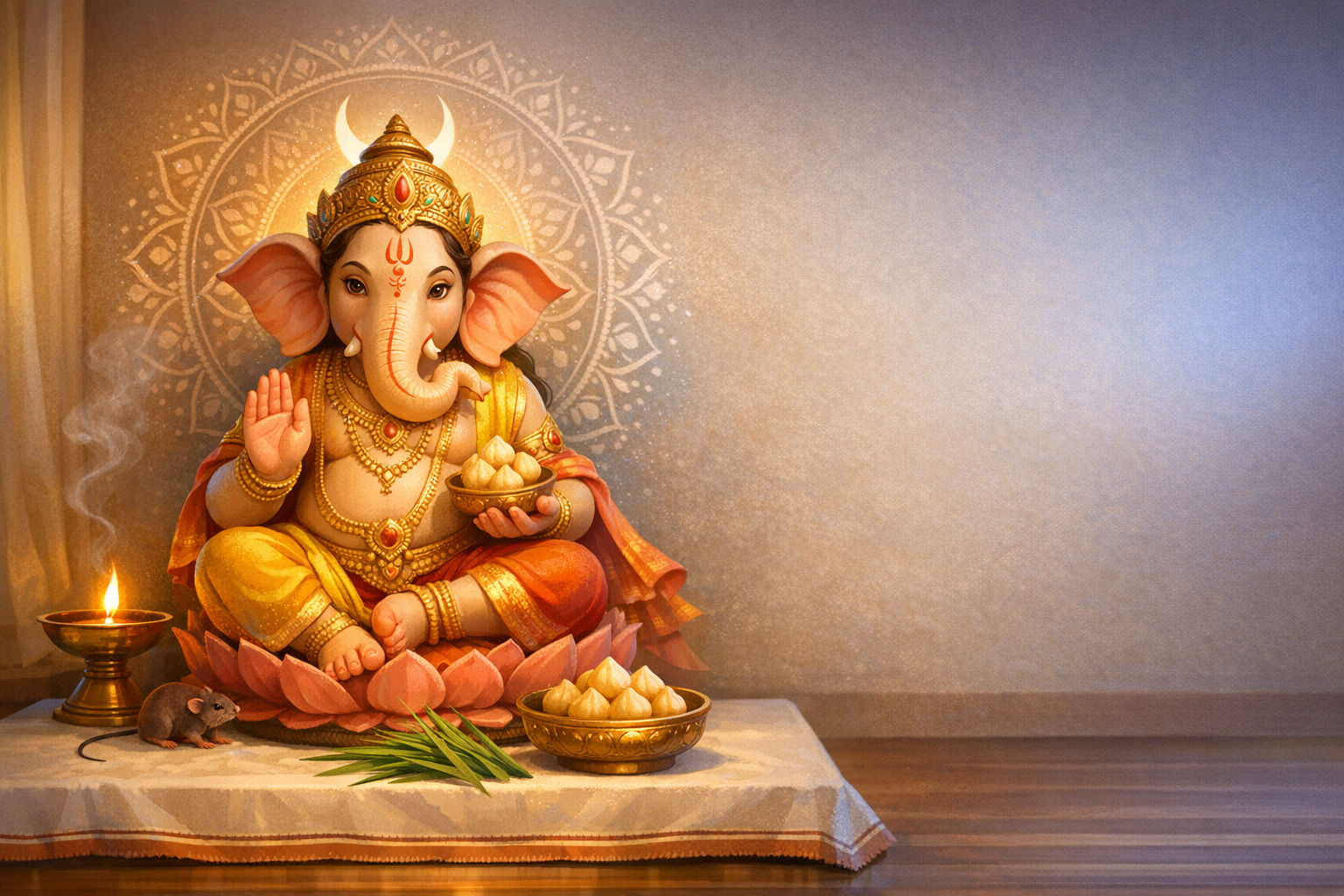
Vamavarti Ganesha (Vamavarta Ganapati) is the left-trunk form of Shri Ganesha revered as gentle, auspicious, and ideal for household worship. The leftward curve aligns with the lunar Ida nadi, symbolizing cooling, sattvic energies that nurture calm, clarity, and family harmony. Traditional practice links this form with smoother beginnings, steadier learning for children, and the softening…
-
Why a Left-Coiled Ganesha Belongs at Home: Auspicious Energy and Easeful Worship
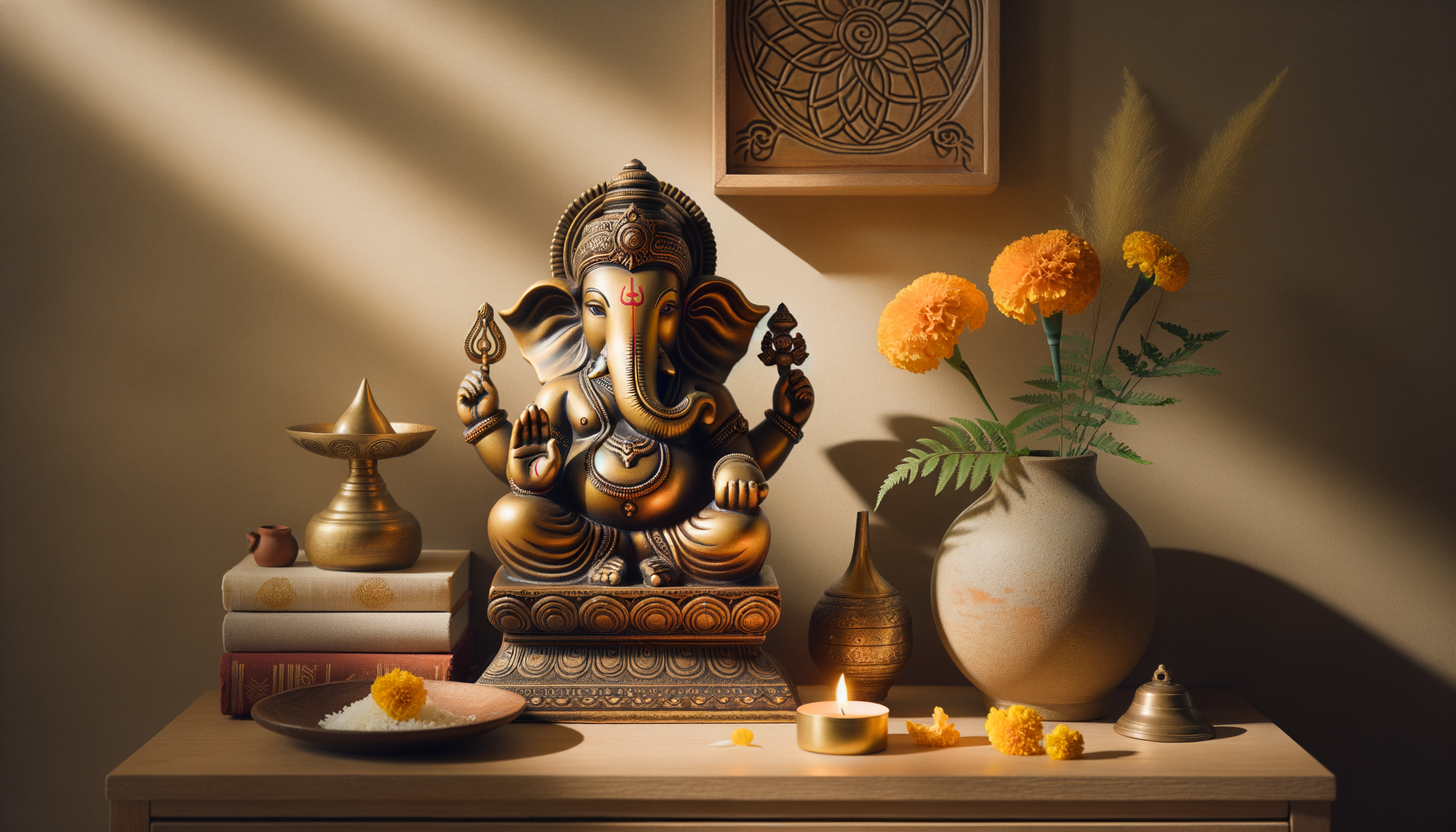
Traditional iconography explains why many households prefer a left-coiled (Vamavarta) Ganesha: it conveys calm, lunar-aligned auspiciousness that suits daily worship. The form is associated with gentle obstacle-removal and easeful upasana, making it practical for families with changing routines. By contrast, right-coiled images often require stricter ritual observance better supported in temple settings or under guidance.…
-
Siddhivinayak’s Right‑Trunk Ganesha: Spiritual Benefits, Sacred Discipline, and Inner Strength
Siddhivinayak Temple in Mumbai houses a rare right‑coiled trunk (Dakshinavarta) Ganesha, widely regarded as a potent form that channels discipline, clarity, and swift grace. The iconography emphasizes Agni tattva and Pingala nadi, underscoring the importance of mindful conduct and ethical living. Devotees describe a palpable steadiness after darshan, aligning intention and action through simple practices…
-
Sankashti Chaturthi 2026: Complete Guide to Dates, Rituals, and Devotional Insights

Sankashti Chaturthi 2026 follows the monthly Krishna Paksha Chaturthi cycle, culminating at moonrise for completing the fast. The year is expected to feature one Angarika Sankashti, traditionally viewed as especially auspicious. This guide clarifies how regional Panchang differences and time zones shape exact dates and moonrise timings. It outlines essential ritualsSankashti Vrata Katha, Ganesha Atharvashirsha,…
-
Pancha Ganapati (Dec 21–25): Five Days of Ganesha Puja for Harmony, Prosperity, and Peace
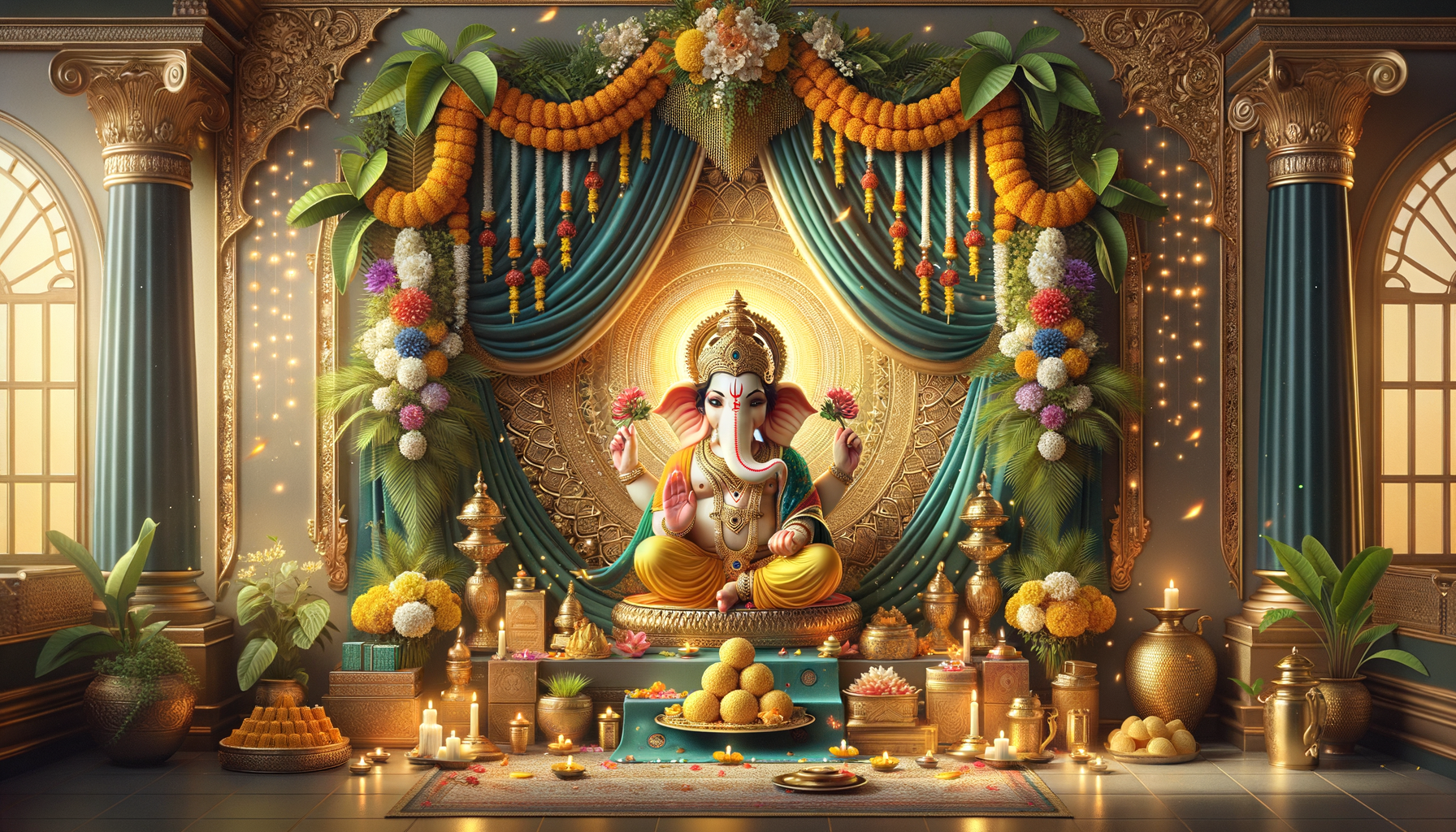
Pancha Ganapati (Dec 21–25) is a five-day Hindu festival honoring Panchamukha Ganapati through daily puja, sadhana, and acts of reconciliation. Each day carries a distinct color and focusfamily, friends and neighbors, professional integrity, culture and charity, and spiritual renewal. Households set up a Ganesha altar, offer sweets, flowers, and lamps, and conclude with arati and…
-
Mushikasura Samhara Moorthy: Ganesha’s Powerful Lesson on Conquering Inner Obstacles

Mushikasura Samhara Moorthy presents Lord Vinayaka as the subduer of Mooshikasura, illuminating a Puranic lesson on conquering inner obstacles. The legendpreserved in ritual, iconography, and temple cultureteaches the ethical transformation of unruly forces into instruments of dharma. Read in tandem with broader dharmic insights from Buddhism, Jainism, and Sikh tradition, the story models how mindfulness,…
-
Ucchista Ganapati Revisited: Beyond Stereotypes, the Inclusive Tantric Wisdom of Ganesha

Ucchista Ganapati, the eighth of Ganesha’s 32 forms, is often miscast as merely an “unclean” Tantric deity. Drawing on the ancient “Ucchista Ganapathi Puja Vidhanam,” this analysis clarifies that the practice is scripturally grounded, disciplined, and transformative. The term ucchista“that which remains”signals a theology of sanctifying remainders, not endorsing impurity. Framed by mantra, nyasa, and…
-
Goddess Vinayaki (Ganeshani): Unveiling the Sacred Feminine Power of Ganesha
Goddess Vinayaki (Ganeshani) embodies the sacred feminine of Lord Ganesha, uniting wisdom and compassion as a remover of obstacles in maternal form. Rooted in Puranic–Tantric traditions and Yogini lore, she reflects the inclusive plurality of Sanatana Dharma. Her iconographyelephant head, feminine form, and attributes like pasha, ankusha, modaka, and lotusemphasizes auspicious beginnings and protective grace.…
-
Pasha and Ankusha in Hindu Iconography: Powerful Symbols of Guidance and Restraint

Hindu iconography uses the pasha (noose) and ankusha (elephant goad) to teach a complete ethic of spiritual controlrestraining harm while guiding the seeker toward dharma. The pasha symbolizes compassionate containment and moral accountability; the ankusha conveys gentle yet firm redirection of mind and senses. Grounded in Āgamic, Purāṇic, and Śilpa-śāstra traditions, these attributes appear with…
-
Sacred Parenting Mastery: Shiva–Parvati’s Timeless Lessons for Raising Wise, Compassionate Children
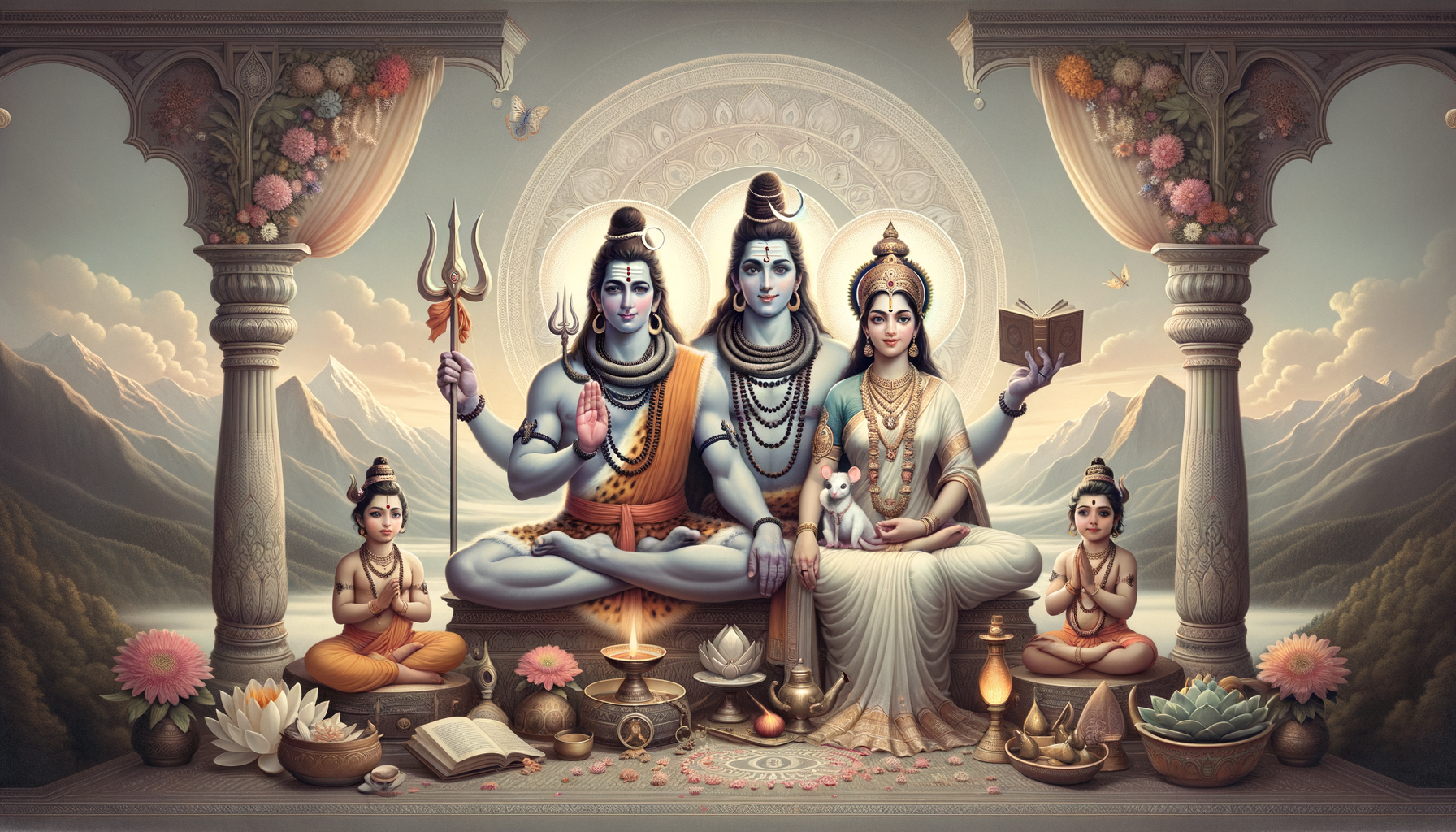
Hindu scriptures present the divine family of Lord Shiva, Mata Parvati (Pārvatī), Lord Ganesha, and Lord Kartikeya as a practical model of sacred parenting. Their narratives teach restorative accountability, healthy sibling dynamics, and the harmony of discipline with compassion. The Ganesha guardianship episode highlights firm boundaries coupled with reconciliation, while the brothers’ contest affirms diverse…
-
Why Devotees Break Coconuts to Vinayaka: Profound Symbolism, Blessings, and New Beginnings
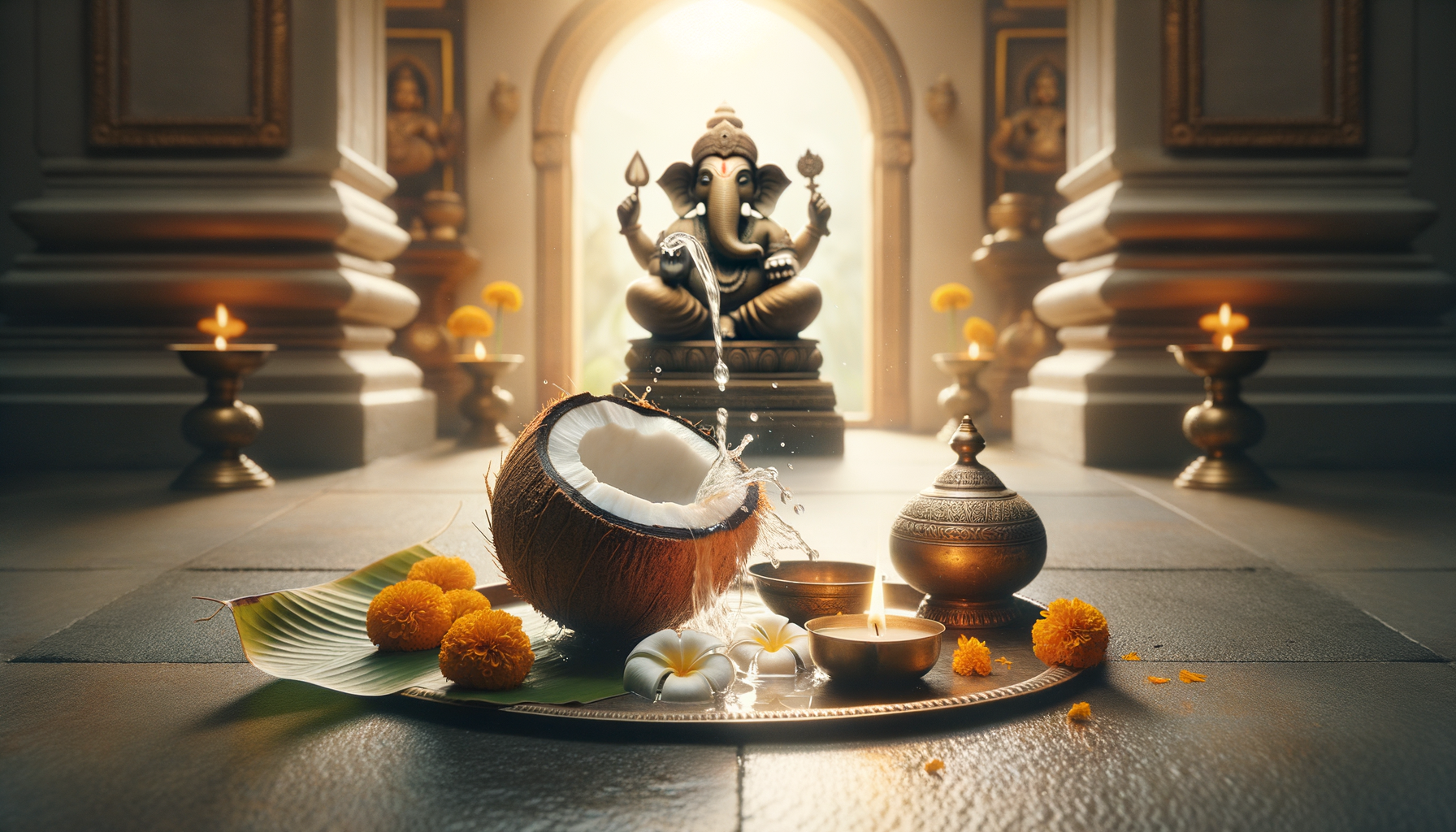
Breaking a coconut before Lord Vinayaka symbolizes surrendering ego, inviting clarity, and marking an auspicious beginning. The husk represents conditioning, the shell represents ego, the water signifies purity, and the white kernel reflects a sattvic mind ready for wise action. Performed with a clear sankalpa and environmental care, the ritual fosters courage and mindfulness. It…
-
The Divine Paradox of Ganesha on a Mouse: Transformative Symbolism to Conquer Ego
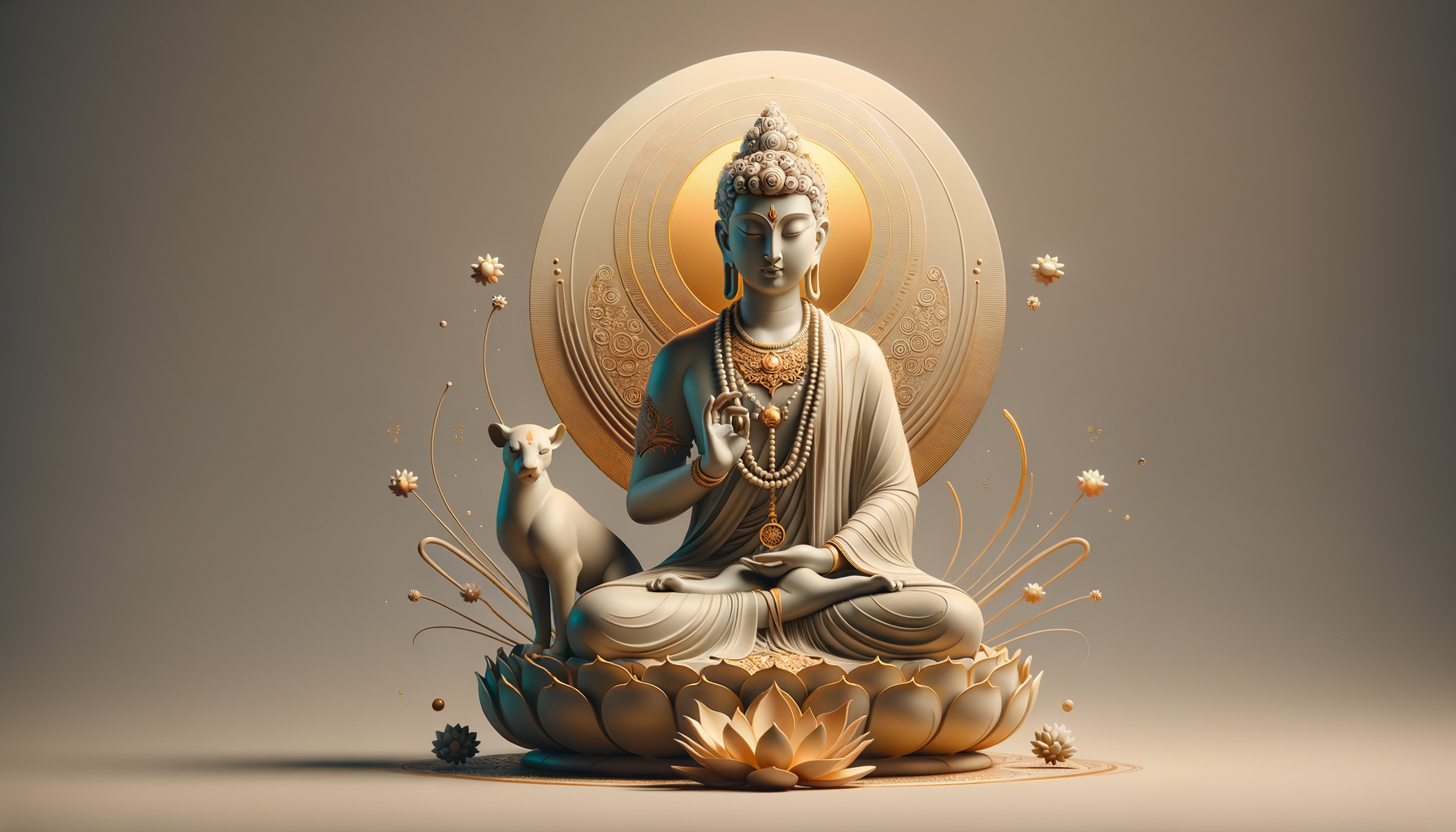
The iconic image of Lord Ganesha seated on a small mouse conveys a profound lesson: wisdom governs and transforms ego rather than destroying it. In Hindu symbolism, Ganesha embodies discernment while the mouse represents restless impulses, illustrating mastery of mind through knowledge. This insight harmonizes with Buddhist mindfulness, Jain aparigraha, and Sikh teachings on overcoming…
-
Sankashti Chaturthi December 2025 Dates (7–8 Dec): Rituals, Significance & Dharmic Unity
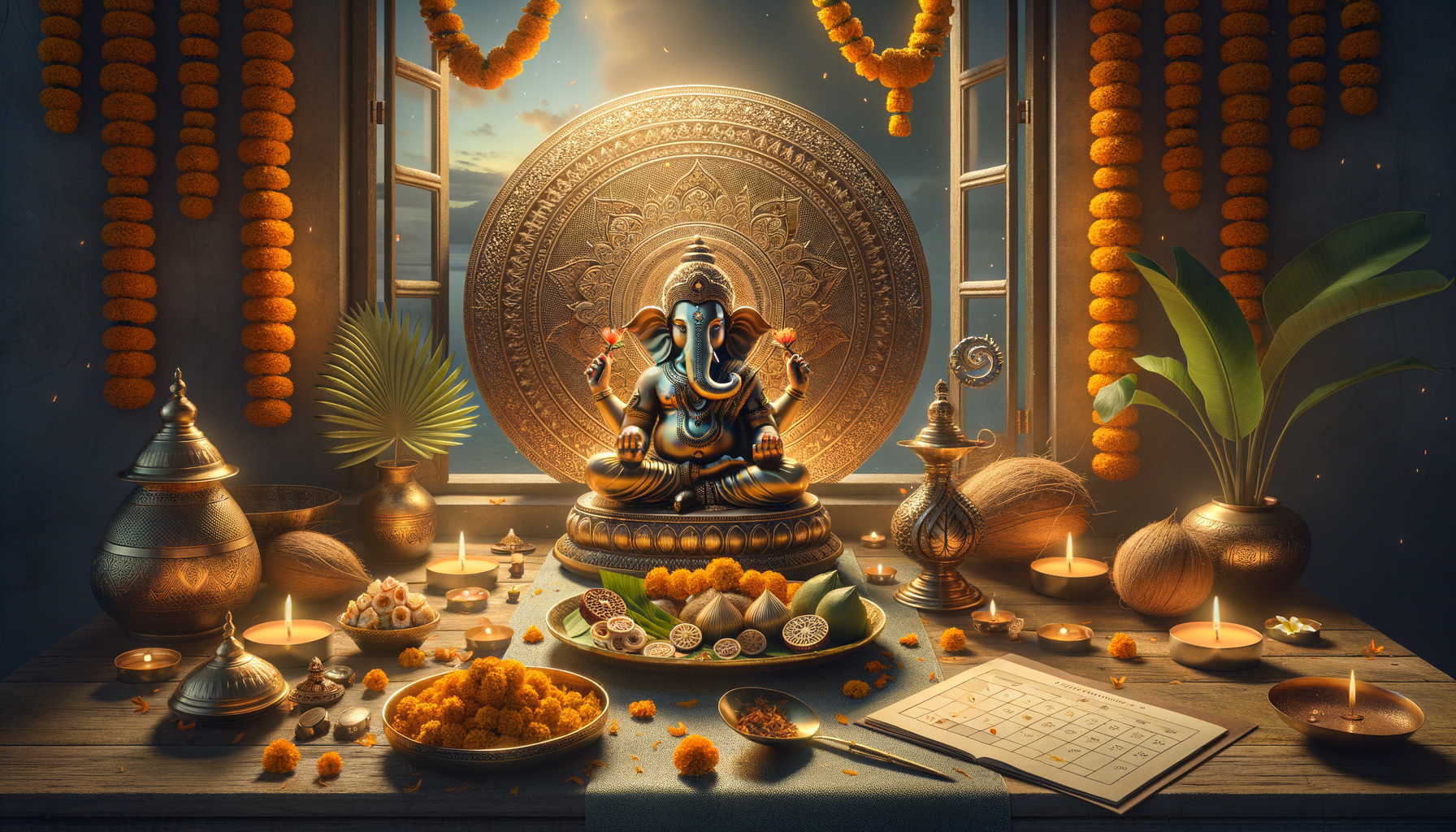
Sankashti Chaturthi in December 2025 falls across 7 and 8 December (Sunday–Monday) due to the lunar tithi spanning two civil dates. Observed on Krishna Paksha Chaturthi, the vrata is dedicated to Shri Ganesha and typically concludes after Chandra Darshan. The North Indian (Purnimanta) calendar places this observance in Poush, highlighting the importance of consulting the…
-
Ganesha’s New Head and the Grace of Correction: A Dharmic Meditation on Second Chances
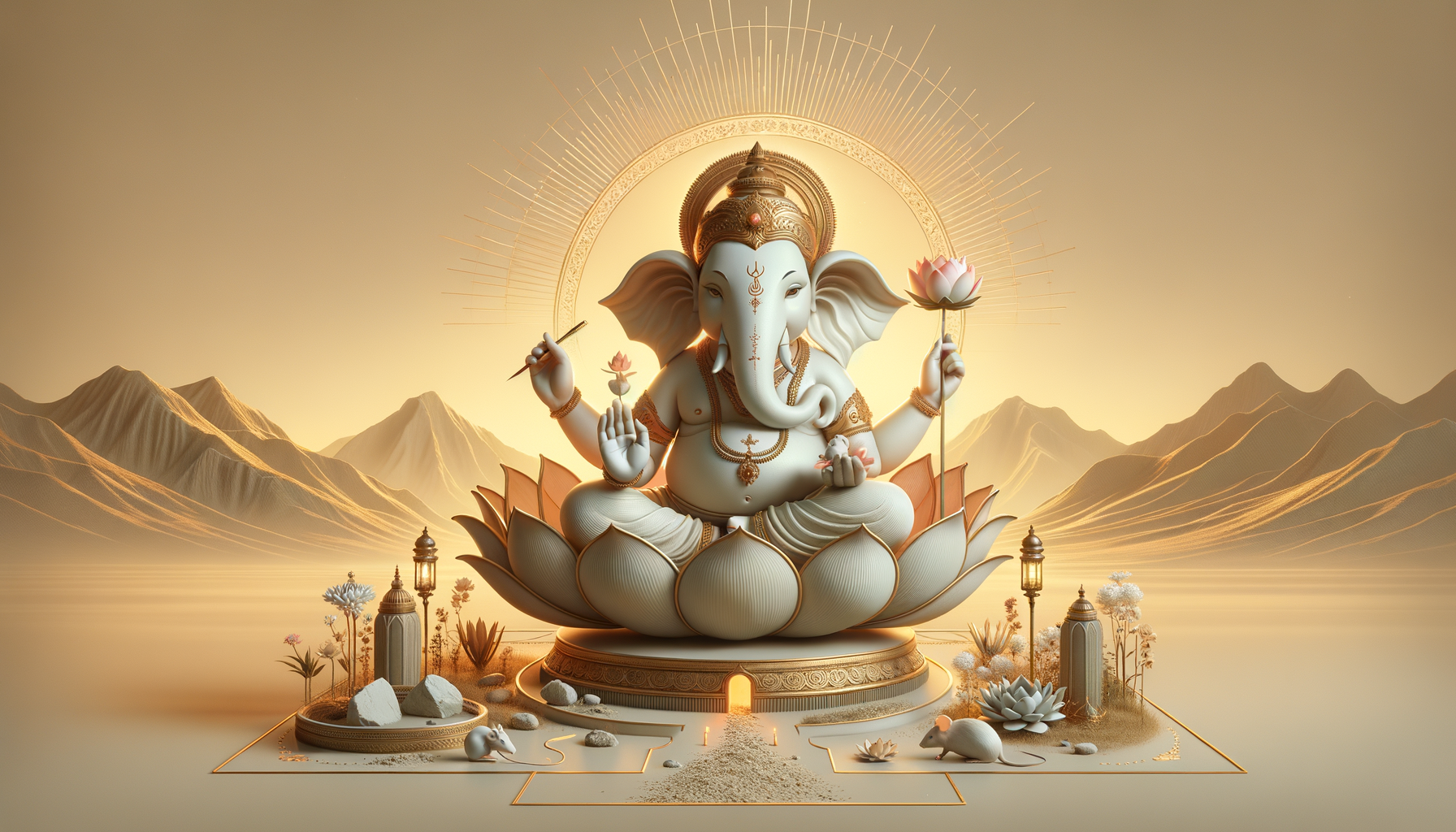
Ganesha’s birth and rebirth offers a timeless guide to human fallibility, emotional intelligence, and the ethics of second chances. The story highlights accountabilityrecognizing harm, accepting responsibility, and making meaningful amends. As a Hindu symbol, the elephant head teaches deep listening, measured speech, and adaptable strength. The narrative’s restorative vision resonates across Buddhism, Jainism, Sikhism, and…
-
Why Ganesha Is Invoked First: Timeless Wisdom Behind Auspicious Beginnings in Hindu Pujas

Ganesh is invoked first in Hindu pujas because dharmic tradition emphasizes auspicious beginnings grounded in wisdom, humility, and ethical intent. Scriptures present him as prathama pujya, the remover of obstacles who sanctifies new ventures. Symbolically, Ganesh represents focused intellect and expansive understanding, encouraging steadiness before action. Rituals such as Ganesh Puja, housewarmings, and educational commencements…
-
Why Ganesha Is Invoked First: Sacred Reasoning, Auspicious Beginnings, and Vighnaharta’s Grace
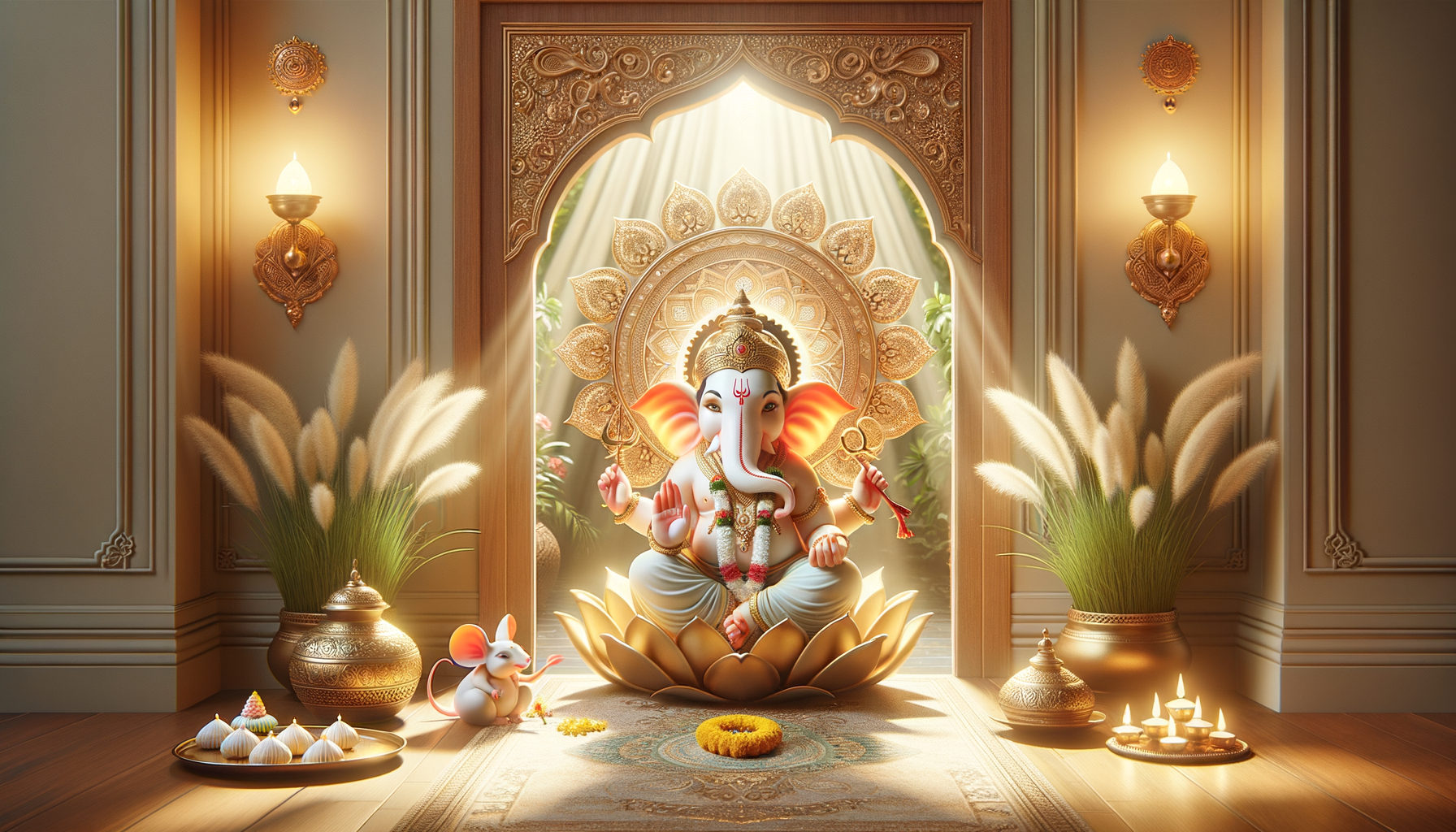
Hindu tradition invokes Ganesha first in pujas and rituals to secure auspicious beginnings and remove obstacles. Scriptural sources portray Ganapati (Vinayaka, Vigneshwara, Ekadanta, Lambodara) as the guardian of thresholds and the embodiment of discernment. Ritual practice affirms this priority through sankalpa, guru-ganesha dhyānam, and the mantra “Om Gam Ganapataye Namah.” Devotees widely experience calm and…
-
Ganeshotsav Aftermath in Navi Mumbai: Urgent Call for Scriptural, Eco‑Safe Idol Immersion
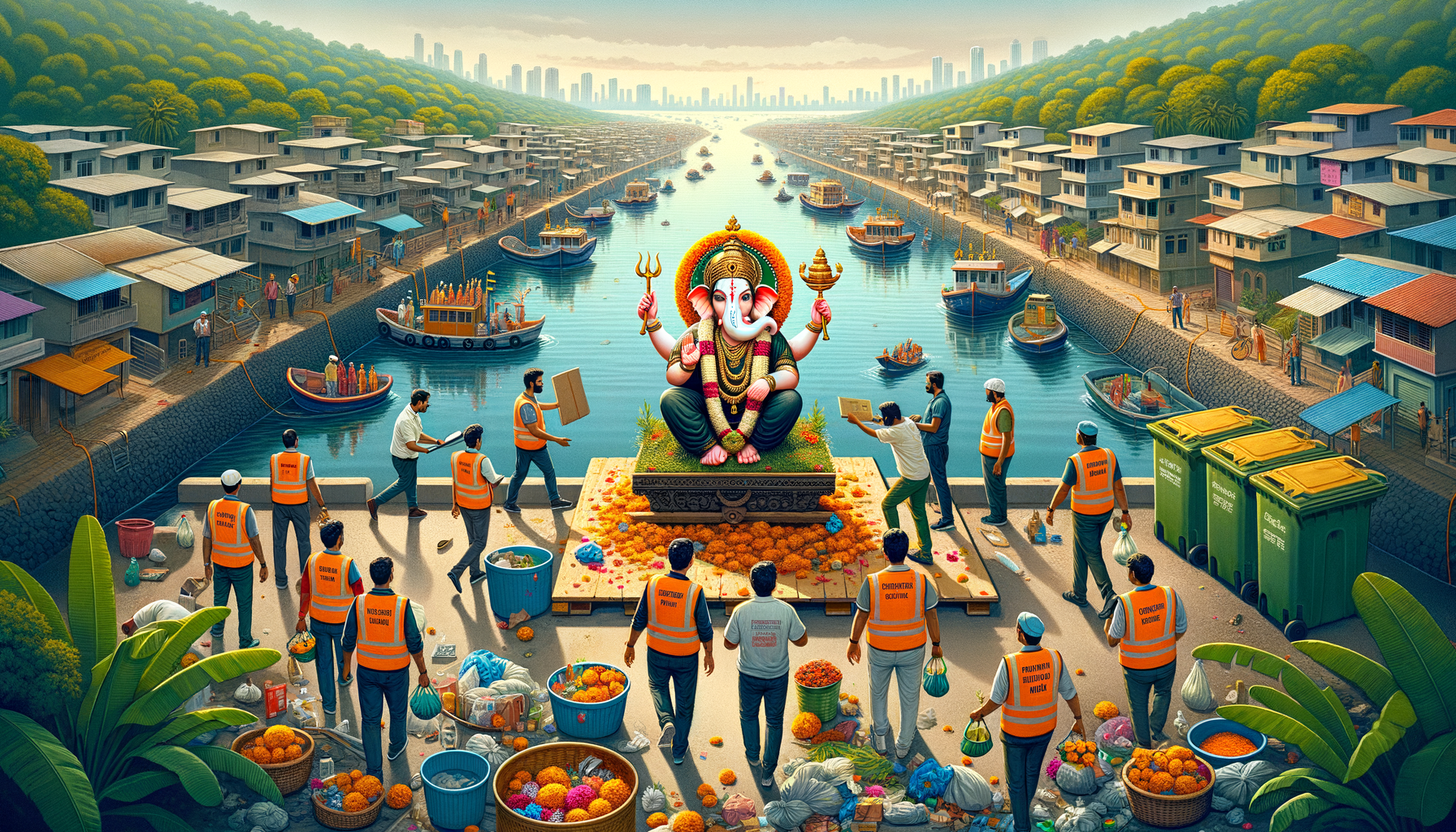
Three months after Ganeshotsav, thousands of Shree Ganesh idols reportedly remain unimmersed in Navi Mumbai. Hindu Janajagruti Samiti has called for immediate, scripturally aligned Visarjan that respects faith and safeguards the environment. The post explains the religious significance of timely immersion and outlines practical, eco-safe steps for municipal coordination. It emphasizes transparencytimelines, updates, and datato…
-
Straight Trunk Ganesha: Profound Symbolism, Yogic Meaning, and Life‑Enhancing Benefits
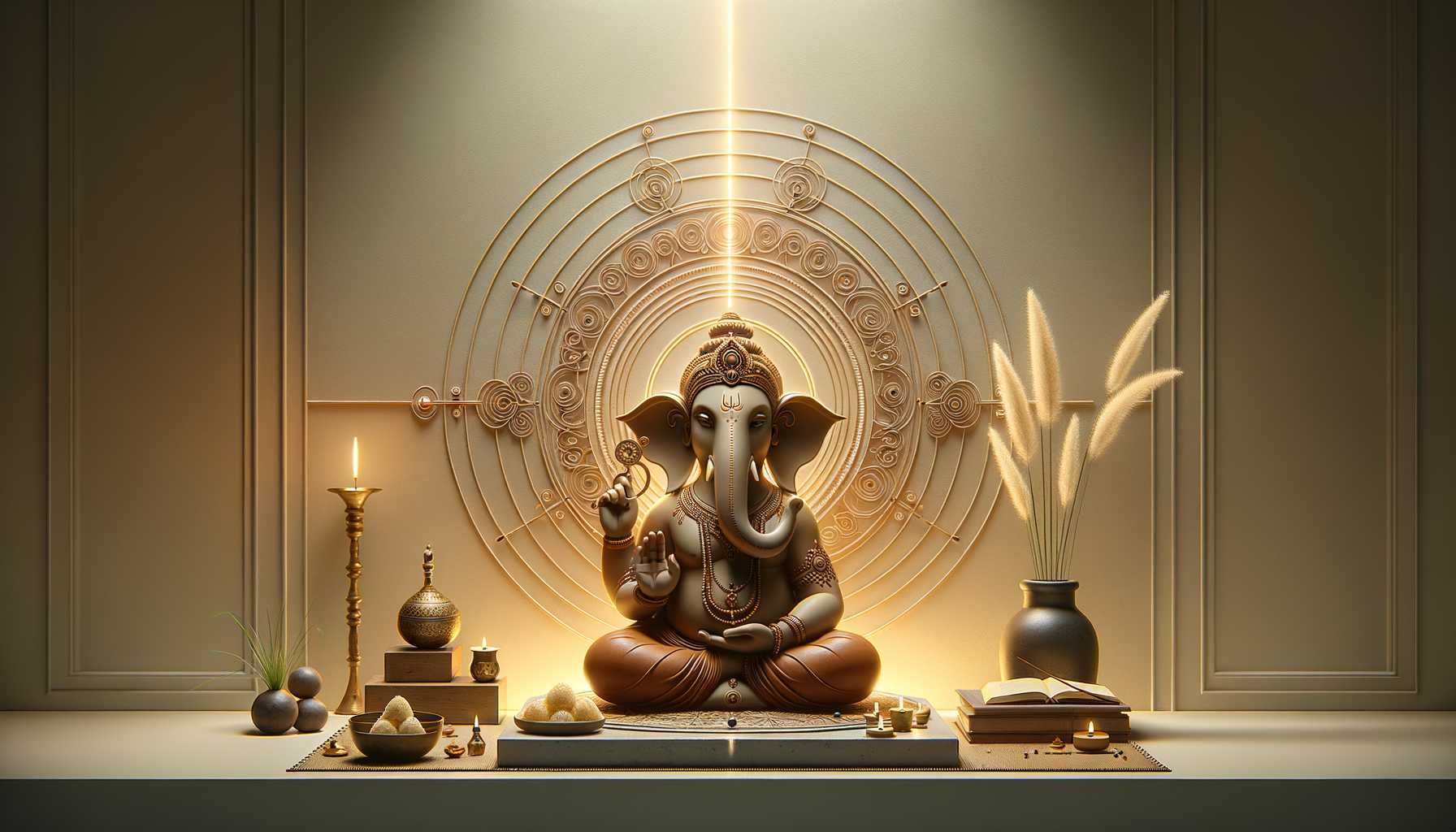
The straight-trunk form of Shri Ganesha symbolizes yogic balance, evoking the sushumna nadi and the transcendence of duality through dhyana. Traditionally associated with sattva and inner clarity, this rare depiction supports focused study, calm decision-making, and steady spiritual practice. Devotees value it for harmonizing everyday responsibilities with inner stillness, reinforcing ethical living and compassionate action.…
-
Why Devotees Offer 21 Durva Blades to Ganesha: Analasura Legend, Symbolism, and Meaning
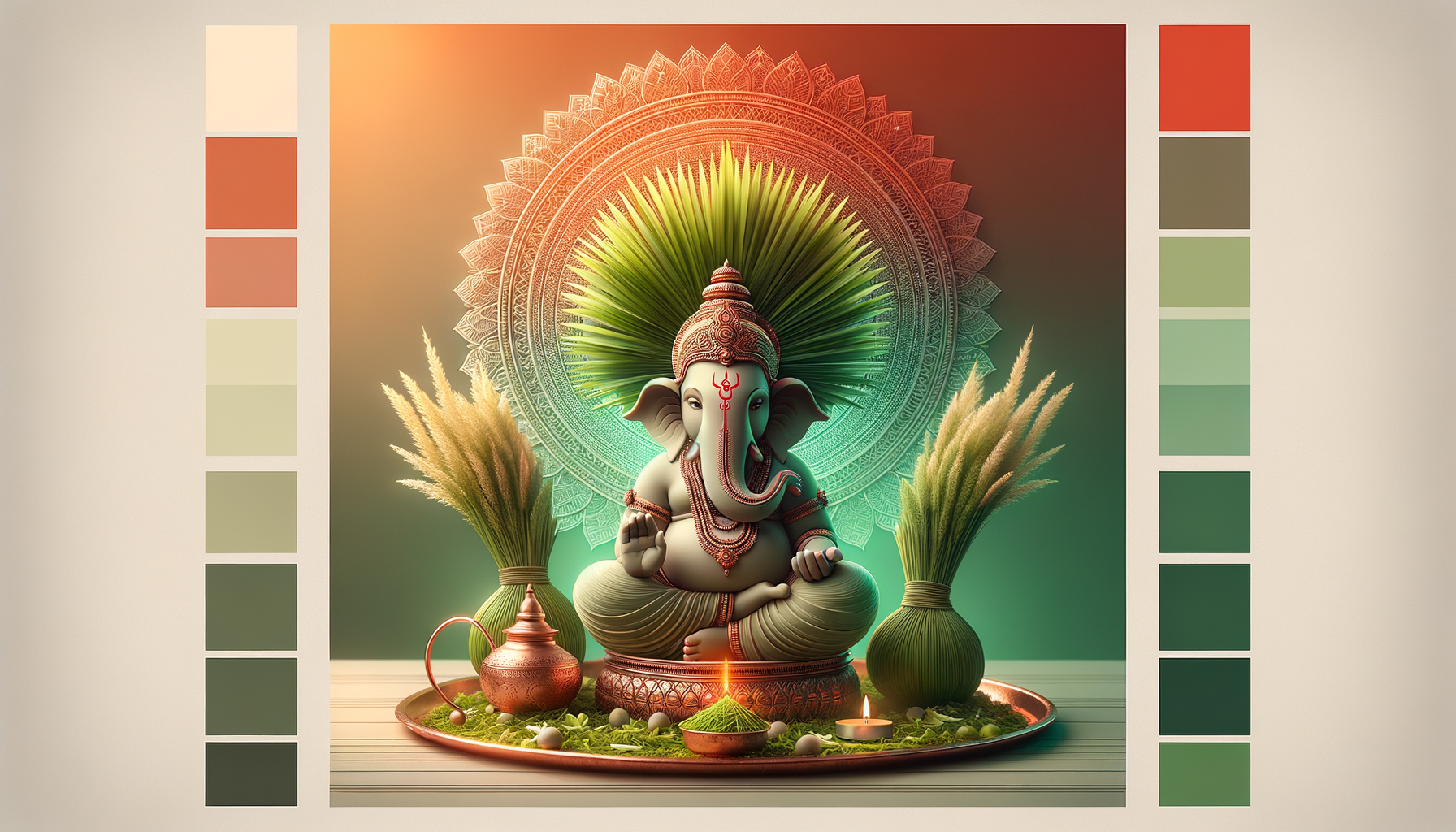
The offering of twenty-one durva blades to Ganesha, rooted in the Analasura legend, unites narrative, symbolism, and practice into a single, accessible ritual. It teaches that humility and sincerity can resolve what grandeur cannot, cooling intense inner heat with nature’s simplest gift. Interpreted philosophically, twenty-one represents the totality of human faculties and cosmic principles surrendered…