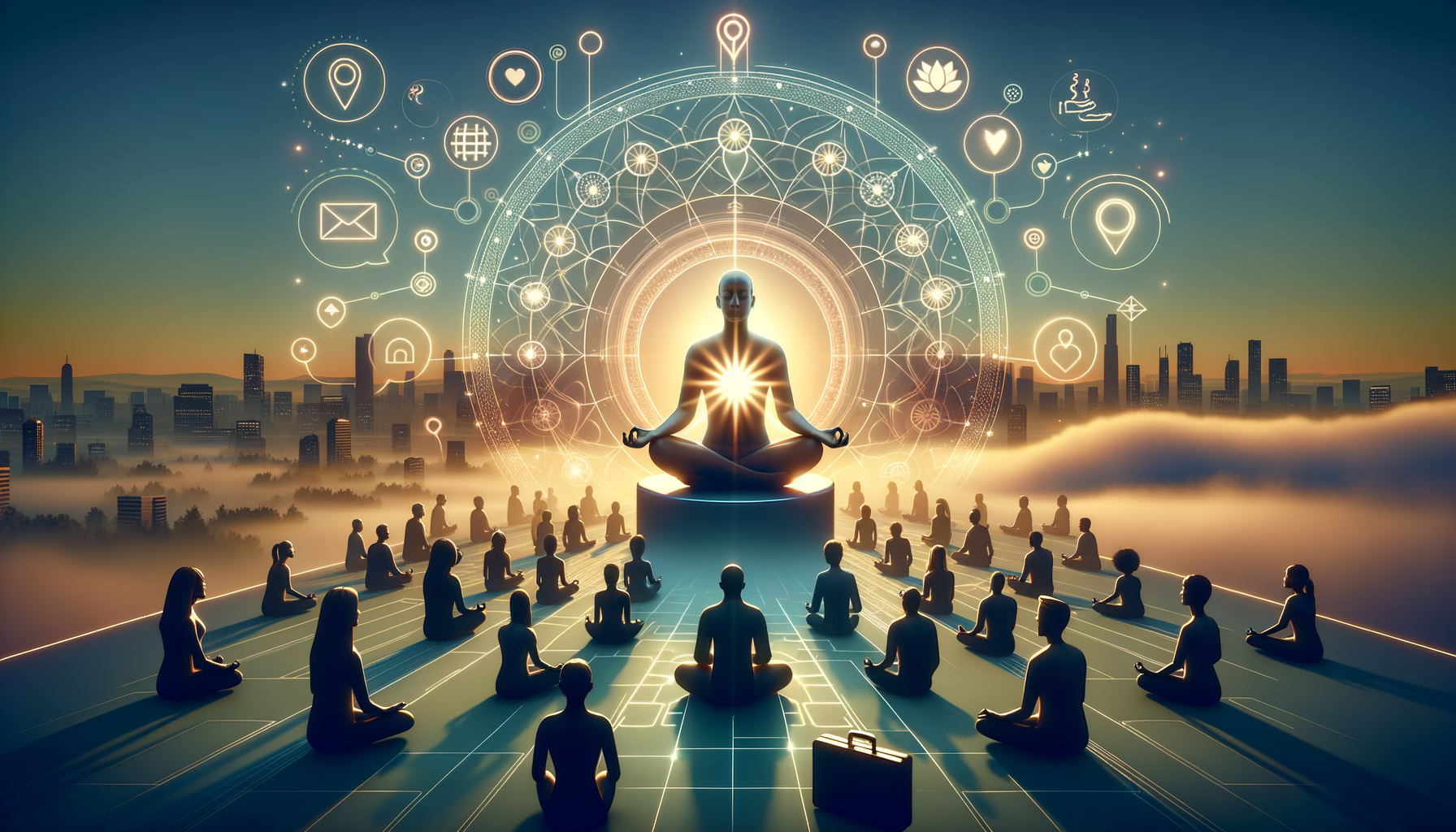
In contemporary society, many seek a shared marker of belonging to feel seen, safe, and understood. Yet when identity is framed primarily by the body, the mind, and social roles, it becomes fragileoverexposed to trends, algorithms, and momentary approval. This fragility fuels an identity crisis, where labels multiply but inner stability diminishes.
Identity, as commonly performed today, is often a constructed narrative shaped by markets, media, and politics. Such narratives offer short-term clarity but can conceal a deeper truth: what is claimed as the “self” may be a composite of changeable attributes. When those attributes shiftappearance, profession, location, relationship statusself-concept wobbles, revealing how quickly a label-based identity can feel illusory.
Dharmic traditions offer a clarifying lens without demanding uniformity. Across Hinduism, Buddhism, Jainism, and Sikhism, a convergent insight emerges: mistaking transient qualities for who one truly is invites suffering and division. Vedanta distinguishes the atman from the body-mind instrument; Buddhism articulates anatta (no permanent, independent self) to loosen clinging; Jainism recognizes the jiva veiled by karmic accretions; Sikh philosophy points to shedding haumai (ego-centeredness) through remembrance of Naam and alignment with Hukam. Despite doctrinal differences, each path encourages moving beyond narrow labels toward a more spacious, ethical, and compassionate sense of self.
This crisis is not abstract. Many experience a quiet shock when a career shifts, when a relationship ends, or when health challenges arise. Students relocating to new cultures, professionals in career transitions, and families navigating social media pressures often report a hollowing sensation, as though the story of “who I am” no longer fits. Such moments reveal a practical lesson: if identity depends on what changes, inner stability will also fluctuate.
A more durable approach reframes identity from possession (labels) to practice (values). When identity is grounded in lived ethicsahimsa (non-harm), satya (truthfulness), karuṇā (compassion), and seva (service)it becomes less about asserting difference and more about realizing shared humanity. This shift reduces polarization and invites unity in spiritual diversity.
Dharmic disciplines provide methods to stabilize this transition. Mindfulness and dhyāna cultivate witnessing awareness; self-inquiry (ātma-vichāra) examines the sense of “I”; japa and simran steady attention and soften ego-centered patterns; contemplations on anitya (impermanence) reduce clinging to passing identities. Breath awareness integrates body and mind without mistaking either as the complete self.
Community matters. Satsang, saṅgha, and sangat create supportive environments where silence, study, and service reinforce inner clarity. Shared practicerather than shared labelsgenerates belonging that does not depend on sameness. Such communities demonstrate that unity does not require uniformity.
Modern conditions also call for practical safeguards. Intentional pauses before posting, restrained engagement with outrage cycles, and periods of digital fasting protect attention from identity-reinforcing loops. These simple habits strengthen discernment and make room for reflection.
Progress in this journey is measurable in human terms: reduced reactivity, deeper empathy, and steadier equanimity amid change. These markers suggest that identity is relocatingfrom rigid self-definitions to embodied wisdom expressed through conduct.
Ultimately, the sense that “identity is a product of illusion” need not lead to nihilism. It can open a doorway to a more expansive self-understanding aligned with dharma. By honoring the complementary insights of Hinduism, Buddhism, Jainism, and Sikhism, modern seekers can move beyond labels toward a grounded, compassionate presence. In that shared space, diversity becomes a source of strength, and unity emerges not from erasing differences but from realizing what is deeper than them.
Inspired by this post on Hindu Pad.