-
Unlocking the Mātuluṅga Mystique: Why a Giant Citron Graces Lakulisha and Kolhapur Mahalakshmi

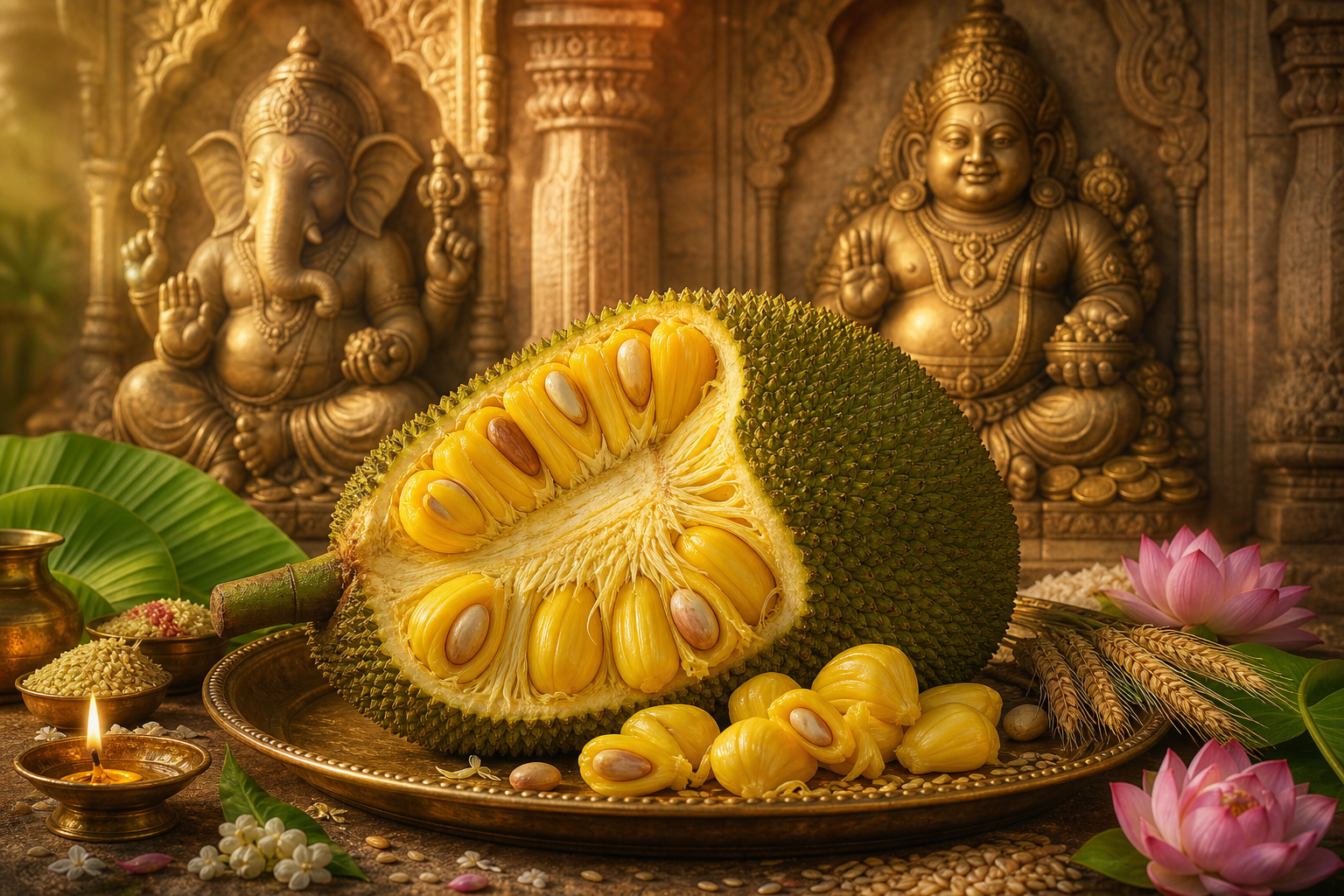
The large citrus fruit called mātuluṅga (mahalunga) appears prominently in Hindu iconography, most notably in the lower right hand of Kolhapur Mahalakshmi and the upper left hand of Lakulisha of Pāśupata Shaivism. Identified primarily as Citrus medica (citron), the fruit symbolizes abundance, purity, and the ripened results (phala) of righteous action and disciplined practice. In…
-
Safeguarding the Sacred in Goa: A Strong Policy Case to Rename Deity-Named Liquor Shops

The Gomantak Mandir Mahasangh has urged Goa Chief Minister Dr Pramod Sawant to bar liquor outlets from using names of Hindu deities and to require existing shops to rename. A carefully designed, religion-neutral policy that covers sacred signifiers across Hindu, Buddhist, Jain, and Sikh traditions can protect sanctity while preserving business freedoms. Constitutionally, a narrow…
-
Bhagavan Parashurama: Warrior‑Sage Avatar of Vishnu Who Restored Dharma and Balance

Bhagavan Parashurama, the sixth avatar of Vishnu and a devoted worshipper of Shiva, embodies the Hari–Hara unity at the heart of Sanatana Dharma. Drawing on the Bhagavata Purana, Vishnu Purana, the Mahabharata, and the Ramayana, this comprehensive essay explains how Parashurama restored ethical order when royal power became predatory, then withdrew in penance to model…
-
Panaji Rallies in Strength: Goa Unites Against Derogatory Remarks, Seeks Accountability and Harmony

A sizable demonstration outside the Panaji Police Headquarters on 3 May 2026 highlighted public concern over alleged derogatory remarks about Hindu deities. The event, led by Hindu Ekta Manch – Goa and other Hindutva-aligned groups, underscores how dharmic ideals of dignity, ahimsa, and pluralism intersect with the constitutional guarantees of free speech and peaceful assembly.…
-
Nilotpala, the Blue Lotus: Sacred Symbolism and Iconographic Keys Across Dharmic Traditions

This long-form guide decodes the nīlotpala (blue lotus/blue waterlily) as a distinct iconographic attribute across Hindu, Buddhist, and Jain art. It explains how the half-open, slender-petaled bud differs from the full-bloom padma and why that distinction matters in sculpture, painting, ritual, and poetry. Readers learn the botanical correlates (Nymphaea nouchali versus Nelumbo nucifera) and the…
-
Indra and Varuna’s Celestial Rivalry: Vedic Kingship, Cosmic Law, and the Battle for Order

Indra and Varuna frame a profound Vedic conversation about power, law, and legitimacy. Indra’s thunderous decisiveness (kṣatra) complements Varuna’s guardianship of ṛta, revealing why force must be answerable to truth and why law must be capable of protection. Rigvedic hymns, especially RV 1.32 and RV 7.86–7.89, ground this dialectic, while Brāhmaṇa and Upaniṣadic texts transform…
-
Mahakala Murti Iconography: Unveiling Shiva’s Fierce Time and Cosmic Dissolution

Mahakala’s murti reveals Shiva as the Great Time—fierce yet ultimately protective—through a precise language of symbols: trident, damaru, skull cup, cremation ground, and the halo of flames. Readers gain a clear, accessible guide to Mahakala’s iconography, a philosophical lens on impermanence and transcendence, and practical insight into ritual observances such as Maha Shivaratri. The article…
-
Kubera and Mammon Unveiled: How Icons of Wealth Shape Ethics, Society, and Spiritual Life

Wealth has long stirred both aspiration and anxiety. This comparative study of Kubera in Hinduism and Mammon in the Aramaic and Christian traditions clarifies how cultures transform riches into ethical guidance. It shows how Hindu texts situate prosperity within dharma and community welfare, while biblical teachings personify Mammon to warn against greed. Readers gain practical…
-
Jvarabhagnamurti: Lord Shiva’s Healing Power to End Illness and Restore Well‑Being

Jvarabhagnamurti, the healing form of Lord Shiva, is venerated as the destroyer of unhealthy states that disturb body, mind, and spirit. This tradition promotes a holistic view of health that harmonizes spiritual practice with responsible self-care and medical guidance. Devotee experiences point to greater calm, resilience, and adherence to healthy routines through steady remembrance and…
-
Angaraka Loka Unveiled: Mangala’s Sacred Realm and the Red Planet in Dharmic Wisdom

Angaraka Loka, the subtle realm of Mangala (Mars), illuminates how Vedic cosmology unites symbolism, ethics, and lived practice. Puranic narratives variously present Mangala as the son of Varaha and Bhudevi or as Bhauma born of Bhudevi, converging on a vision of disciplined courage in service of dharma. The association with Lord Muruga underscores protection, clarity,…
-
Karanda Mukuta: The Basket-Shaped Crown of Divine Authority, Grace, and Unity

The Karanda Mukuta (karaṇḍa-mukuṭa) is a basket-shaped, tiered crown central to Hindu iconography and visible across dharmic arts. Its conical tiers and auspicious finial symbolize divine authority blended with nurturing abundance and spiritual ascent. Commonly adorning goddesses like Lakshmi and Parvati, and appearing in select regional depictions of Vishnu and Skanda, it also has parallels…
-
Hamsa in Hinduism: Sacred Swan Symbolism and the Vahana of Saraswati, Brahma, Gayatri, Vishwakarma

The hamsa (swan) holds a sacred place in Hindu scriptures and iconography, especially as the vahana of Saraswati, Brahma, Gayatri, and Vishwakarma. Legends situate divine swans in the Himalayan ranges and at Manasarovar Lake, where they signify purity and transcendence. As a symbol of viveka (discriminative wisdom), the hamsa aligns naturally with learning, truthful speech,…
-
Vaastu Bhagawan Explained: Harness Sacred Architecture for Peace, Protection, and Prosperity

Vaastu Bhagawan is honored in Hinduism as the guardian of structures, invoked to protect homes and sacred spaces. When Vastu Shastra principles are followed, spaces are believed to gain safety, peace, and prosperity through alignment with the Pancha Mahabhuta and cardinal directions. The deity is described as embodying aspects of the Trimurtis and the Tridevis,…
-
Pashupati’s Sacred Symbolism: How Shiva Liberates Bound Souls and Guides All Beings

Pashupati, the profound epithet of Shiva, unites care for all beings with the promise of liberation from worldly bondage. Drawing on Hindu philosophy, it presents the Lord as protector of the bound soul and the One who severs the cords of ignorance and karma. The symbolism nurtures compassion, non-harm, and ethical living while guiding seekers…
-
Mushikasura Samhara Moorthy: Ganesha’s Powerful Lesson on Conquering Inner Obstacles

Mushikasura Samhara Moorthy presents Lord Vinayaka as the subduer of Mooshikasura, illuminating a Puranic lesson on conquering inner obstacles. The legend—preserved in ritual, iconography, and temple culture—teaches the ethical transformation of unruly forces into instruments of dharma. Read in tandem with broader dharmic insights from Buddhism, Jainism, and Sikh tradition, the story models how mindfulness,…
-
Kalabhairava Unveiled: Decoding Shiva’s Fierce Iconography of Time, Justice, and Protection
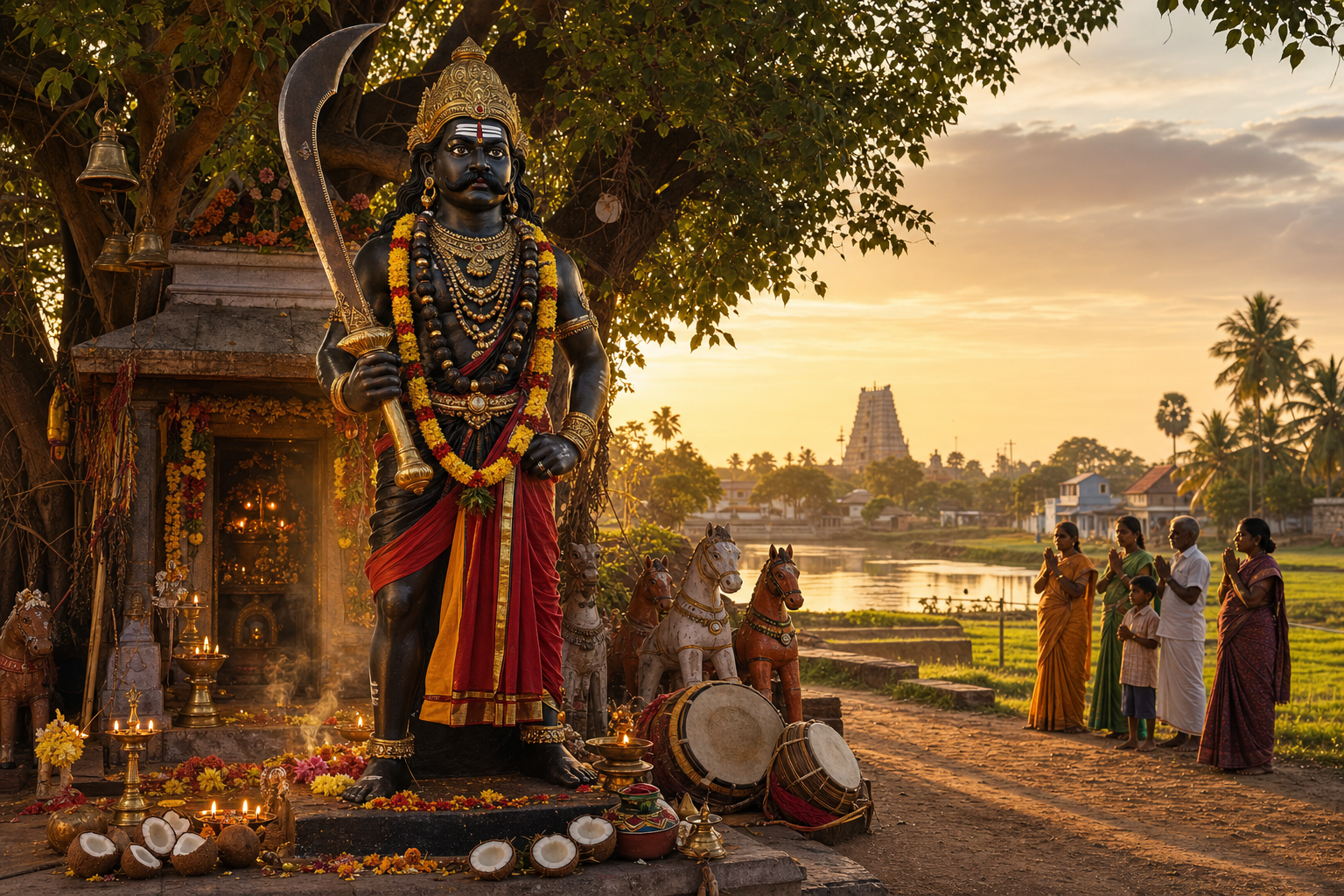
Kalabhairava, Shiva’s fierce manifestation, embodies time and its dissolution while upholding uncompromising truth and justice. This post decodes his iconography—trident, drum, sword, skull-bowl, and dog vahana—showing how each symbol guides ethical living and fearless clarity. Drawing on Agamas, Tantras, Shilpa traditions, and the Skanda Purana, it situates Kalabhairava as Kshetrapala, the guardian of sacred boundaries,…
-
Goddess Vinayaki (Ganeshani): Unveiling the Sacred Feminine Power of Ganesha
Goddess Vinayaki (Ganeshani) embodies the sacred feminine of Lord Ganesha, uniting wisdom and compassion as a remover of obstacles in maternal form. Rooted in Puranic–Tantric traditions and Yogini lore, she reflects the inclusive plurality of Sanatana Dharma. Her iconography—elephant head, feminine form, and attributes like pasha, ankusha, modaka, and lotus—emphasizes auspicious beginnings and protective grace.…
-
Pasha and Ankusha in Hindu Iconography: Powerful Symbols of Guidance and Restraint

Hindu iconography uses the pasha (noose) and ankusha (elephant goad) to teach a complete ethic of spiritual control—restraining harm while guiding the seeker toward dharma. The pasha symbolizes compassionate containment and moral accountability; the ankusha conveys gentle yet firm redirection of mind and senses. Grounded in Āgamic, Purāṇic, and Śilpa-śāstra traditions, these attributes appear with…