Across contemporary life, anxiety appears relentless: concerns about health, livelihood, social division, and uncertainty seep into daily routines and long-term plans. Hindu thought recognized this condition millennia ago and named it bhayaa persistent undertone of fear that narrows perception and constrains action. Classical texts treat bhaya not as an inescapable fate but as a condition that can be transformed through understanding, ethical discipline (dharma), and contemplative practice. Within this framework, symbols function as compact spiritual technologies: they encode philosophical insight, ethical aspiration, and ritual potency in a visual or tactile form that the mind can readily recall under stress.
Hindu symbols of protection are not merely decorative; they are performative. They shape attention, stabilize emotion, and align intention with a larger moral order. In practice, they operate together with mantra, mudrā, and yantrathe triad of sound, gesture, and diagramand are embedded in the ritual sciences of the Āgamas, Tantras, and the iconographic canons of the Śilpaśāstras. By recalling their meanings and engaging them with sincerity, practitioners report a felt sense of steadiness, moral clarity, and courage. This synthesis resonates across dharmic traditions: the same grammar of fearlessness and ethical poise appears in Hinduism, Buddhism, Jainism, and, in distinct language, Sikh teachings on fearlessness (nirbhau).
This study presents seven widely attested Hindu protection symbolsAbhaya Mudrā, Trishūla, Sudarśana Chakra, Narasiṁha, Hanumān’s Gadā, Svastika, and Tilaka/Tripuṇḍra/Urdhvapuṇḍra. For each, it summarizes iconographic form, scriptural grounding, ritual or contemplative application, and psycho-spiritual effects associated with alleviating bhaya. The aim is simultaneously practical and unifying: to offer reliable pathways for cultivating inner steadiness while highlighting common ethical threads across dharmic traditions.
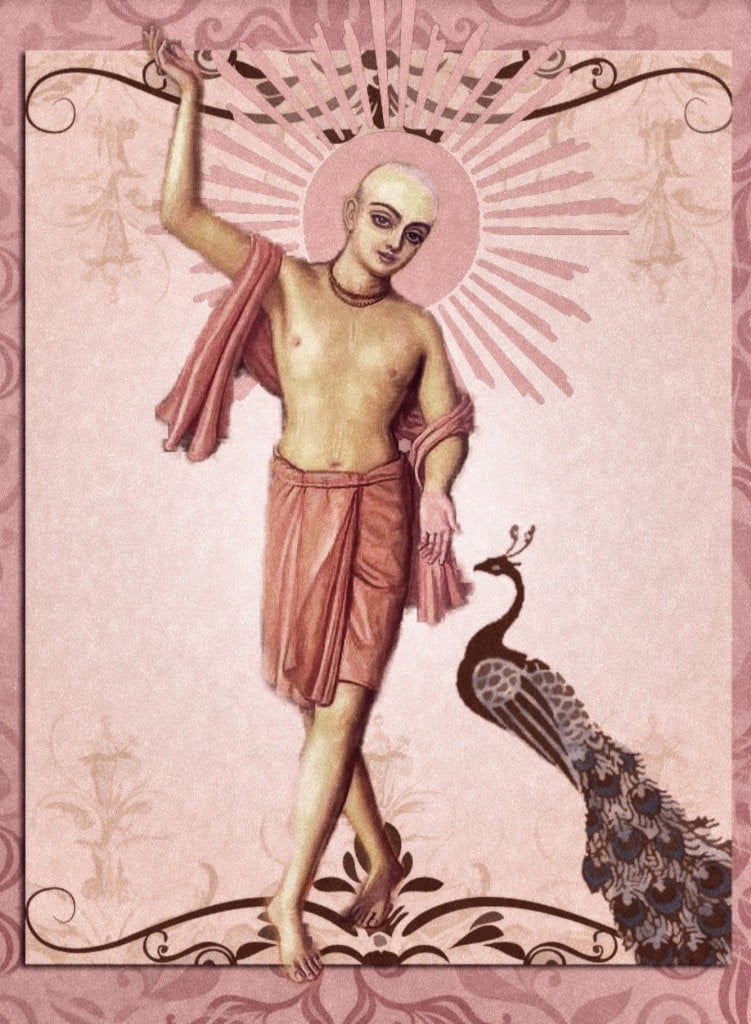
Abhaya Mudrā the raised open palm signaling “do not fear” is perhaps the most universal emblem of sacred protection in South Asian art. In Hindu iconography, it commonly appears in the right hand of deities such as Viṣṇu, Śiva, and various forms of Devī, often paired with the boon-bestowing varada mudrā. Sanskrit sources in the iconographic stream (for example, the Viṣṇudharmottara Purāṇa and allied Śilpaśāstras) codify its posture and proportion, while dramaturgical treatises like the Nāṭyaśāstra and Abhinaya Darpaṇa detail its expressive grammar. Across Buddhism and Jainism, Abhaya Mudrā carries the same core promise: the transmission of courage, the cessation of threat, and the assurance of refuge. This inter-traditional continuity underscores a shared dharmic anthropologyfearlessness arises from clarity, compassion, and disciplined awareness rather than aggression.
As a practice, resting the right hand naturally at shoulder height with the palm forward while maintaining relaxed breathing can entrain a calm-autonomic response. Contemplatives describe pairing Abhaya Mudrā with simple japa, such as “Om,” or with verses invoking fearlessness (abhaya) from the Gītā and Purāṇas. In moments of social tension, recalling this imagewhether on a household altar, in an image of a deity, or in memoryanchors the mind in reassurance and right action.
The Trishūla, Śiva’s trident, is a dense emblem of mastery over triads: the three guṇas (sattva, rajas, tamas), the three times (past, present, future), and the three fundamental afflictions (tāpa-traya: ādhyātmika, ādhibhautika, ādhidaivika). In the Śaiva Āgamas and Purāṇic narratives, it represents the cutting of delusion at its rootsignorance of the Self, misdirected desire, and aversionwhich collectively breed bhaya. Iconographically, a properly proportioned trishūla is held with centered poise, the middle prong often the tallest, signifying the still point that governs change. As a personal yantra of recollection, it reminds that fear abates when identity is not bound to the fluctuations it pierces.
In application, the trident is often visualized at the brow center while reciting “Om Namaḥ Śivāya,” allowing each prong to mark a releaseof clinging to outcomes, of identification with transient roles, and of resistance to truth. Devotees describe placing a small trishūla symbol on a shrine or threshold as a sign of ethical steadiness: the household commits to clarity, restraint, and compassion over impulse, thereby reducing the inner and social conditions that intensify fear.
The Sudarśana Chakra, Viṣṇu’s discus, fuses cosmic order with vigilant protection. Etymologically, “su-darśana” connotes right or beneficent vision; the revolving wheel signifies time (kāla), law (dharma), and the lucid discernment that clears distortion. In the Pāñcarātra and related Vaishnava Āgamic traditions, Sudarśana is personified and propitiated for the swift removal of obstructions and malevolent influences. Ritually, the Sudarśana Homa is employed for communal and personal protection, its mantras centering the mind on vigilance, ethical clarity, and the restoration of balance.
Practitioners often meditate on a luminous wheel rotating at the heart or brow while reciting invocations such as “Om Sudarśanāya Namaḥ” or the universal Vaishnava mantra “Om Namo Bhagavate Vāsudevāya.” The image disciplines attention away from catastrophic thinking toward lucid appraisal and timely action. Conceptually, the wheel resonates with the dharmic metaphor of law-in-motion found across traditions; where the mind sees clearly, fear yields to wise initiative.
Narasiṁha, the Man-Lion form of Viṣṇu, stands in Hindu memory as the immediate defender of truth and the vulnerable. The Bhāgavata Purāṇa (Canto 7) preserves the foundational narrative: Prahlāda’s steadfast devotion, the tyrant’s overreach, and Narasiṁha’s intervention at the liminal thresholdneither day nor night, inside nor outsidedissolving seemingly invincible oppression. Iconographically, forms such as Ugra Narasiṁha and Yoga Narasiṁha encode both fierce protection and inward composure. Liturgically, Narasiṁha-kavaca hymns, preserved across Purāṇic and Tantric strata, delineate a “body-armor” of mantra for holistic safeguarding.
Recitation of Narasiṁha stotras, visualization of a radiant leonine aura encompassing the body, and contemplation of the narrative’s ethical kernelcourage allied with truthhave long been employed to counter both external hostility and internal fear. Many describe this symbol as particularly effective when facing intimidation or moral dilemmas: it reframes protection not as retaliation but as unwavering alignment with dharma.
Hanumān’s Gadā (mace) symbolizes disciplined strength in the service of righteousness. In the Rāmāyaṇa, particularly the Sundara Kāṇḍa, Hanumān’s courage, clarity, and self-forgetful devotion operationalize protection: he shields the vulnerable, carries messages of hope, and resolves crises without vanity. The gadā’s weight signifies responsibility borne with humility; its rounded head suggests force channeled through compassion. Within living tradition, the Hanumān Cālīsā, Hanumat-kavaca, and recitation of select verses from the Sundara Kāṇḍa are trusted means to steady the mind, dissolve obsessive worry, and catalyze constructive action.
Applied contemplatively, one visualizes the gadā anchored at the heart, representing vows of fearless service and truth-speaking. Practitioners frequently report that this reframes “enemy” as any forceinner or outerthat undermines compassion, clarity, and courage. Thus, the symbol’s protection operates first within character and then outwardly through wise conduct.
The Svastika, a cross with four bent arms rotating in a fixed direction, is among the oldest auspicious signs in South Asia. Its Vedic benediction, svasti (“may there be well-being”), appears across the Ṛgveda and later literature; the sign marks thresholds, ledgers, and ritual vessels to invoke stability, prosperity, and right relation with the sacred. In Hindu, Buddhist, and Jain contexts alike, the svastika encodes cyclical time, elemental balance, and the turning of law within and without. That a 20th-century political regime distorted a visually similar sign does not alter the millennia-old dharmic semantics of svastika as auspicious protection; the traditions continue to use and explain it in its original, benign sense.
Practically, drawing a svastika with turmeric (haridra), vermilion (kumkum), or sandal paste on a doorframe or ritual plate serves as a compact vow: to orient the household toward ethical restraint, generosity, and cooperation. In this way, protection is not magical thinking but the social and mental outcomes of cultivated virtuefear finds little foothold where trust and responsibility are habitual.
Tilaka/Tripuṇḍra/Urdhvapuṇḍra mark the body as a sanctified locus and the mind as a steward of attention. The horizontal ash lines (tripuṇḍra) of Śaiva practice invoke Śiva’s purifying fire and the transience of all that can be feared; the vertical clay marks (urdhvapuṇḍra) of Vaiṣṇava practice recall the feet of Viṣṇu and abiding refuge in dharma. Textual witnesses such as the Skanda Purāṇa, Padma Purāṇa, and Gṛhya Sūtras describe the materials (vibhūti ash, gopīcandana clay, sandalwood), the occasions, and the mantras associated with their application. The bindi at the brow, likewise, locates the intelligent gaze and concentrates awareness at the ājñā center, mitigating scattered thought and social suggestibilityconditions in which fear multiplies.
As a daily discipline, applying a tilaka before leaving home, before study, or before demanding tasks functions as a micro-ritual of recollection: identity is anchored in values, not in shifting praise or blame. Many households extend this practice to children, explaining its protective meaning as a gentle lesson in self-respect and ethical steadiness.
Taken together, these seven symbols form a layered grammar of protection. Abhaya Mudrā settles the nervous system and signals moral safety; Trishūla cuts through the roots of reactivity; Sudarśana focuses perception on timely, lucid action; Narasiṁha frames protection as fearlessness in defense of truth; Hanumān’s Gadā commits strength to service; the Svastika stabilizes household intention; and Tilaka/Tripuṇḍra/Urdhvapuṇḍra embed remembrance in the body itself. In combination with simple mantra practice, breath regulation, and ethical restraint, the cumulative effect is to reduce the cognitive and social conditions that amplify bhaya.
Modern research in affective neuroscience lends a complementary lens. Repeated engagement with reassuring symbols can recruit associative networks that dampen hypervigilance, while synchronized breath and gesture (as in mudrā practice) promote vagal tone and autonomic balance. The result is not escapism but enhanced executive function under pressurea capacity that dharmic sources have long described as sthita-prajñā, steady wisdom.
Protection in the dharmic frame is ethically conditioned: no symbol overrides the law of cause and effect. The Gītā repeatedly ties fearlessness to truthfulness, self-restraint, non-violence, and compassion (for example, enumerations of divine qualities that begin with abhaya). Ritual observances amplify their benefit when participants commit to these virtues in speech and deed. In household life, this means transparent dealings, fair boundaries, and generous cooperationpractices that are protection in themselves.
These meanings are shared family resemblances across dharmic traditions. Abhaya Mudrā appears in Buddhist and Jain sculptures with the same core semantics of fearless compassion. The wheel as law-in-motion resonates from the Hindu Sudarśana Chakra to the Buddhist Dharma Wheel’s teaching metaphor. The svastika remains a sacred sign in Hinduism, Jainism, and Buddhism alike, while Sikh reflection on fearlessness (nirbhau) aligns with the ethos of moral courage central to these symbols. Recognizing this unity deepens mutual respect and reminds that the surest protection is the cultivation of qualities that benefit all beings.
In daily use, a simple routine proves effective: begin the morning with a brief recollection at the altar (Abhaya Mudrā and a short mantra), apply a tilaka, and take a mindful breath before difficult calls or decisions while recalling Trishūla or Sudarśana as one’s mental image. On days of particular strain, read a section from the Sundara Kāṇḍa or a Narasiṁha stotra, and mark the doorway with a svastika during festivals. Over time, these small acts become a culture of couragebhaya diminishes, initiative returns, and relationships benefit from the safety created by clarity and compassion.
In sum, Hindu symbols of protection are condensed wisdom: they encode cosmology, ethics, and contemplative method in images that the heart can carry into any circumstance. Their power lies not in superstition but in the steady, repeatable ways they organize attention and action around dharma. In remembering what they mean and practicing what they teach, communities cultivate the most reliable shield of allfearlessness that guards, empowers, and ultimately liberates.
Inspired by this post on Hindu Blog.