-
Sacred Shields of Dharma: 7 Hindu Protection Symbols to Conquer Bhaya and Adversity

Anxiety, understood in Hindu thought as bhaya, can be transformed through symbols that encode ethics, cosmology, and contemplative method. This long-form guide examines seven Hindu protection symbols—Abhaya Mudra, Trishula, Sudarshana Chakra, Narasimha, Hanuman’s Gada, the Svastika, and Tilaka/Tripundra/Urdhvapundra—tracing their scriptural grounding, iconographic form, and practical application. Each symbol functions as a performative technology of calm,…
-
Maryland School Board Shift: Two Hindu Students Reclaim the Sacred Swastika through Policy

Two Hindu students catalyzed a policy review at the Howard County Public School System (Maryland) by clearly distinguishing the sacred Swastika from the Nazi Hakenkreuz. Their evidence‑based testimony advanced historical accuracy, reduced the risk of stigmatizing dharmic traditions, and offered practical guidance for K–12 educators. The Board responded by tasking its Policy Committee with updating…
-
CoHNA Demands Correction: Ye’s WSJ Apology Mislabels Swastika as Hakenkreuz

CoHNA urges Ye and The Wall Street Journal to correct a paid advertisement that mislabels the sacred Swastika as the Nazi Hakenkreuz. The distinction is historically established: the Nazi emblem was called the Hakenkreuz, while the Swastika has denoted auspiciousness in Hindu, Buddhist, and Jain traditions for millennia. Legislatures in Virginia and California, and the…
-
Swastika on the Kalash: Timeless Symbolism of Creation, Prosperity, and Dharmic Harmony

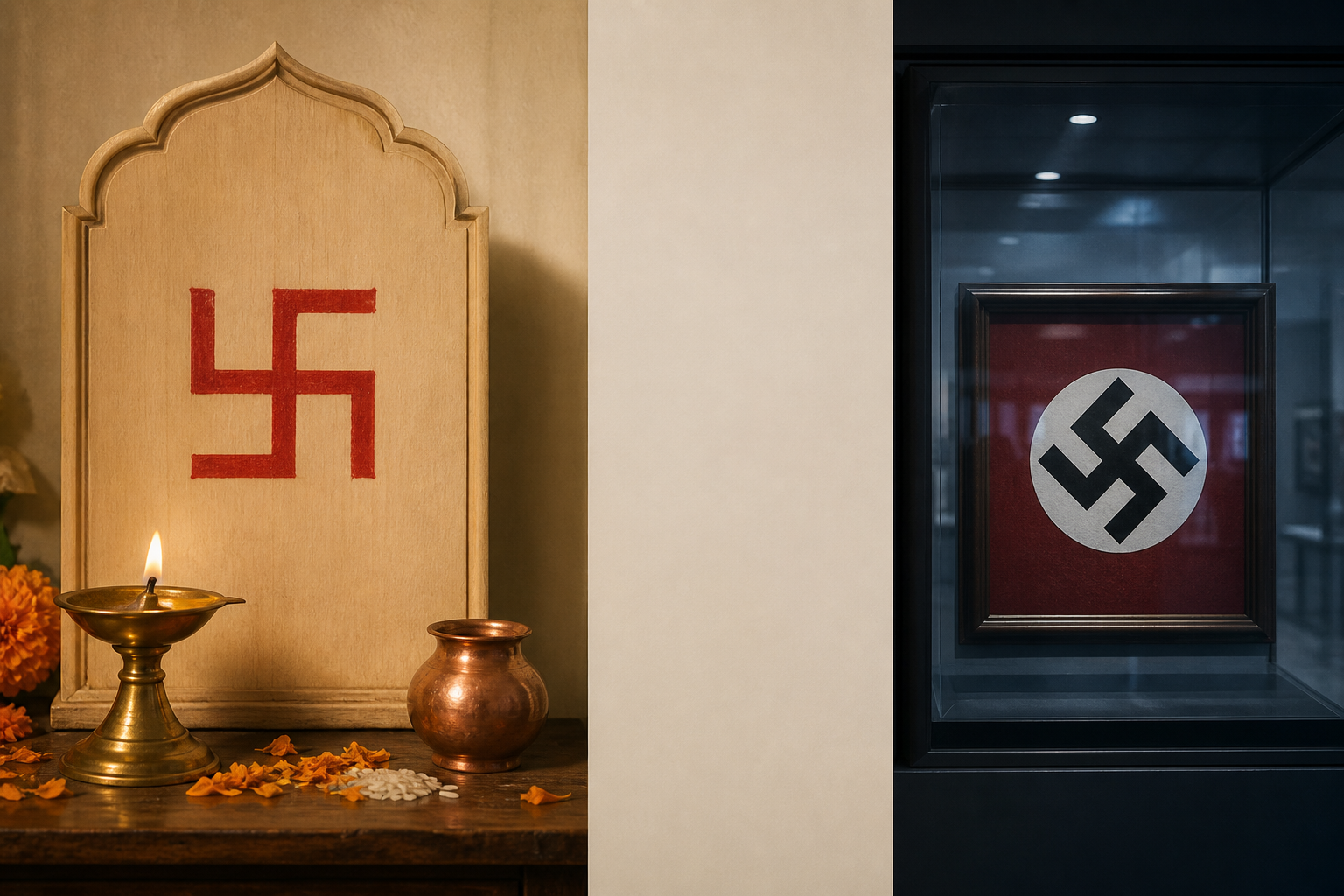
The Swastika on the Kalash unites two powerful dharmic symbols into a visual theology of creation, prosperity, and cosmic order. The Swastika embodies auspiciousness and balanced motion, while the Kalash represents the life-bearing womb and sacred abundance. Together, they anchor household and communal rituals—from Griha Pravesh to Navaratri—in a lived experience of harmony (ṛta). The…
-
Canada Clarifies Hate-Symbol Law: Swastika Protected, Nazi Hakenkreuz Explicitly Banned

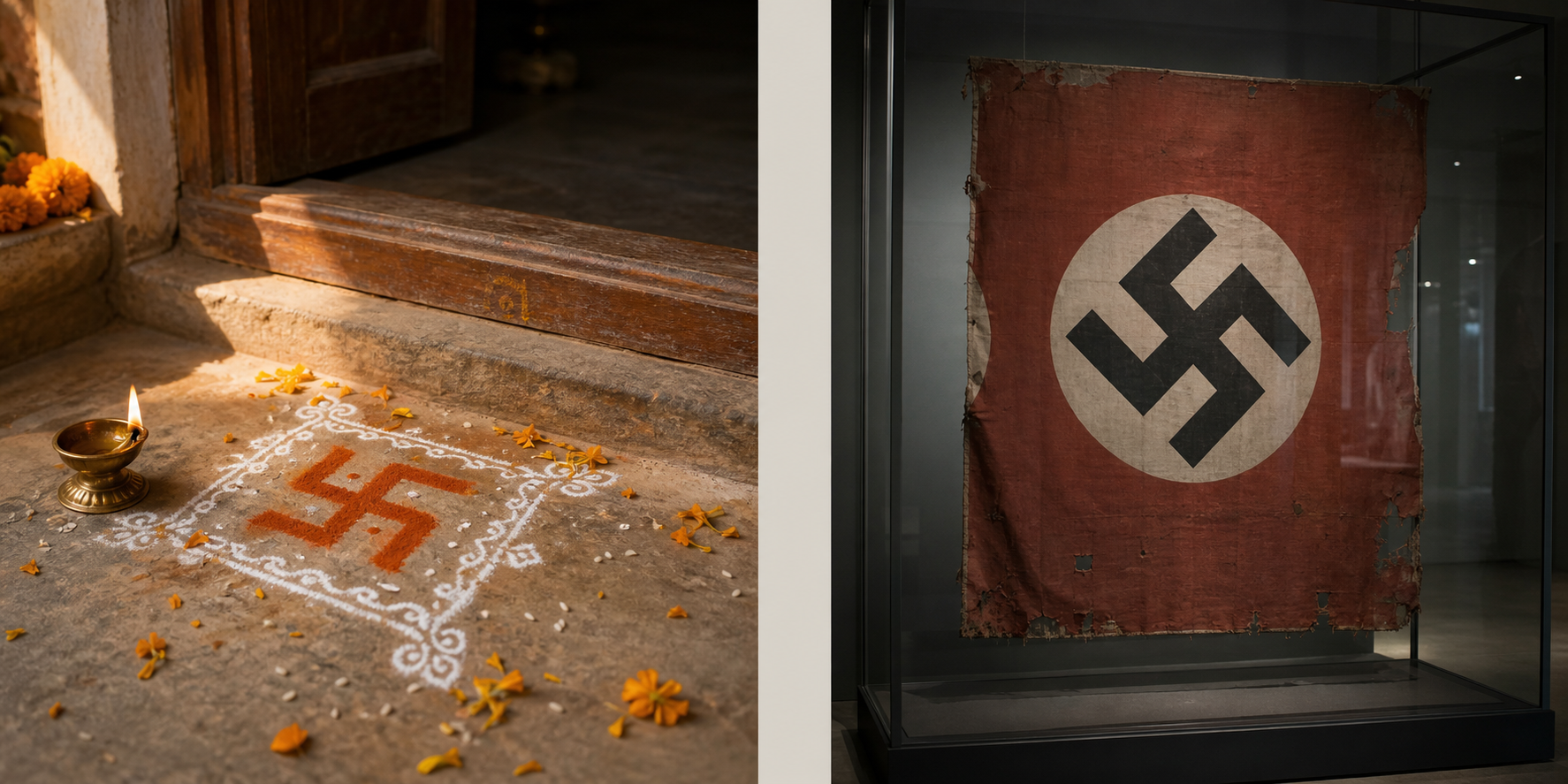
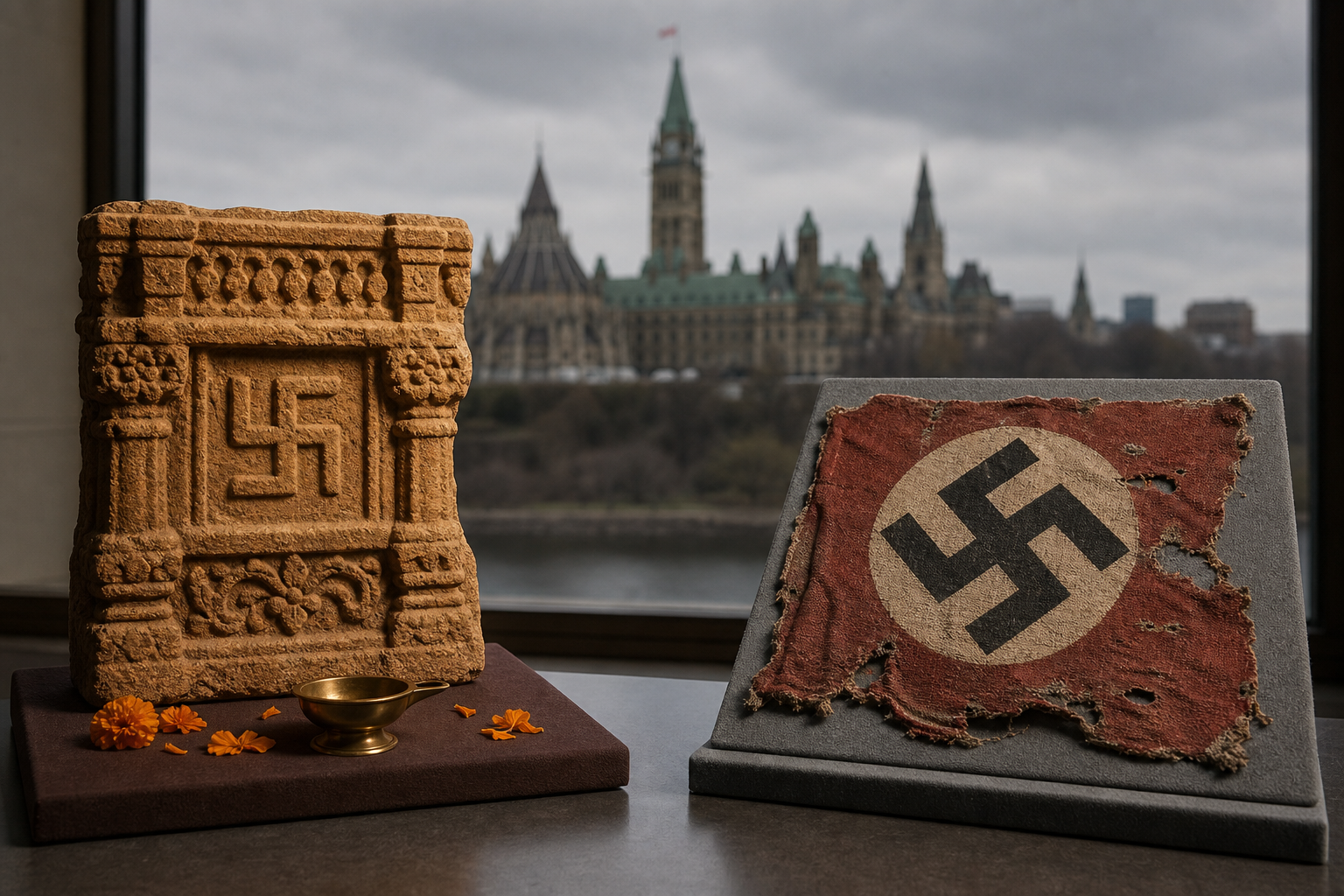
Canada’s Parliament has amended Bill C-9 to remove the term “Swastika,” ensuring the law applies only to Nazi hate symbols, specifically the Hakenkreuz. This clarification protects the sacred Swastika revered in Hinduism, Buddhism, and Jainism and respected within wider dharmic heritage. The change advances both religious freedom and accurate historical understanding. It reduces harmful mislabeling…
-
Canada’s Landmark Decision: Honoring the Sacred Swastika, Rejecting the Nazi Hakenkreuz
Canada has formally clarified the difference between the sacred Swastika and the Nazi Hakenkreuz, protecting religious freedom while reinforcing opposition to hate symbols. The step affirms the Swastika’s millennia-old meaning in Hinduism, Buddhism, and Jainism, and its broader cultural presence across South Asia, without diluting the ban on Nazi imagery. Educators, museums, and law enforcement…
-
Bill C-9 Clarified: Historic Win Separating Nazi Hakenkreuz from the Sacred Swastika

Canada’s House of Commons Justice Committee approved a crucial amendment to Bill C-9, replacing the term “Swastika” with the accurate “Nazi Hakenkreuz” when referring to the prohibited hate symbol. The change, advanced by MP Anthony Housefather and supported by a broad interfaith coalition, preserves religious freedom for Hindu, Buddhist, Jain, and Sikh communities while strengthening…
-
Academic Freedom or Hinduphobia? A Call for a Fact-Based ‘Who Owns Hindutva?’ Debate

Rutgers University’s recent panel on “Hindutva in America” has reignited debate about academic freedom, Hinduphobia, and the fair representation of Hindu, Buddhist, Jain, and Sikh perspectives. Observers argue that one-sided framing and mischaracterized symbols undermine pluralism and public understanding. A fact-based “Who Owns Hindutva?” forum is proposed to convene diverse scholars and community voices, including…
-
Rutgers ‘Hindutva’ Panel Ignites Outrage: Community Mobilizes, Lawmakers Urge Student Safety

A controversial Rutgers University panel on “Hindutva in America: A Threat to Equality and Religious Pluralism” drew swift community pushback and bipartisan concern from Members of Congress. Observers noted the absence of practicing Hindus on the panel and reported that questions from Hindu attendees were curtailed, raising issues for academic freedom and viewpoint diversity. Community…
-
Essential Clarification to Transform Anti‑Hate Laws: Coalition Urges ‘Hakenkreuz’ Accuracy in Canada
A multi-faith coalition representing more than 70 organizations has called on Canadian lawmakers to correct terminology in Bill C-9 (Combatting Hate Act) and Petition e-6625 by prohibiting the Nazi Hakenkreuz rather than the sacred Swastika. This clarification aligns with historical records showing that Nazis used the term Hakenkreuz, not Swastika, and with police and legislative…