The difference between a religious person and a spiritual person appears, at first glance, to draw a stark line between outward observance and inward realization. Across the dharmic traditions of Hinduism, Buddhism, Jainism, and Sikhism, however, this contrast is better understood as a continuum: religion provides shared forms, values, and disciplines; spirituality discloses the inner meaning those forms were designed to awaken. Approached in this way, the distinction ceases to be adversarial and becomes an invitation to move from belonging to becoming, from external compliance to inner transformation.
Within the Hindu intellectual grammar, this movement is often described as the path from dharma to adhyatma. Dharma sustains personal and social order through ritual, ethics, and tradition, while adhyatma attends to direct self-knowledge and the realization of the atman. Hindu scriptures do not pit these aims against one another; rather, they integrate them within a full vision of human flourishing that culminates in moksha. That integration is mirrored across other dharmic streams, which similarly harness ethical discipline, contemplative practice, and compassion to illumine an ever-widening horizon of consciousness.
Vedic literature itself encodes this progression. The karma-kanda or ritual portion refines conduct, memory, and attention through yajna, vrata, japa, and samskara, conditioning the mind to subtlety and steadiness. The jnana-kanda or Upanishadic wisdom points beyond the literal to the contemplative, reminding that enduring fulfillment is not secured by action, status, or possession but by profound insight. A well-known Upanishadic dictum declares that immortality is won not by action, lineage, or wealth but through tyaga, an inner renunciation that frees awareness of its own luminous nature. Equally formative is the Rig Vedic insight, Ekam sat vipra bahudha vadanti, truth is one, the wise speak of it in many ways, which safeguards plurality and prevents the ossification of a single form into a final dogma.
The Bhagavad Gita places this arc in a practical key by harmonizing karma, bhakti, and jnana. Excellence in action, yogah karmasu kaushalam, is not mere skill but action consecrated as offering, loosening the grip of egoic outcomes. Bhakti transfigures ritual into relationship, where devotion saturates every gesture with meaning. Jnana, received through shraddha and stabilized in contemplative assimilation, reveals the Self as unconditioned. The Gita reframes the supposed opposition between religious and spiritual as a pedagogy: forms are the scaffolding by which inner freedom matures.
Patanjali’s Yoga places similar emphasis on the bridge from discipline to insight. The eight limbs, from yama-niyama through asana, pranayama, pratyahara, dharana, dhyana, and samadhi, translate external regulation into internal clarity. Abhyasa-vairagya, steady practice with non-attachment, describes how the mind is domesticated from distraction to one-pointedness. Religion here provides the ethical and psychological ground; spirituality emerges as collected awareness seeing through its own fluctuations.
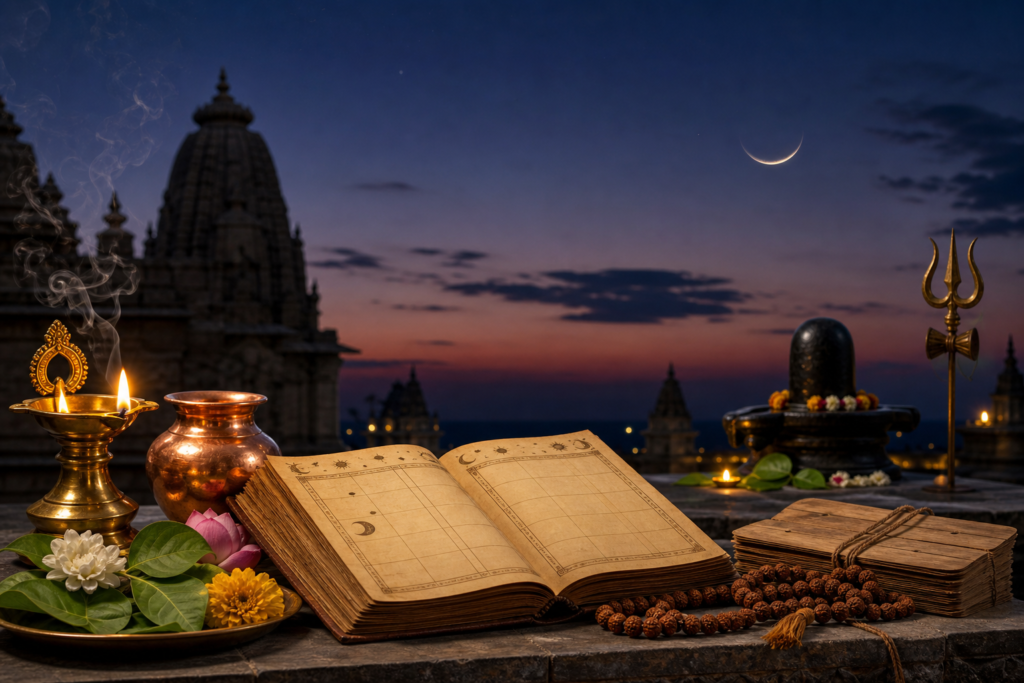
Religious expression in this sense is the ecology in which spiritual realization becomes possible. Puja organizes attention; pilgrimage exposes the heart to living memory; daily samskara bring sanctity to the rhythms of life. Conduct shaped by ahimsa, satya, asteya, and aparigraha unknots craving and conflict. These are not mere rules but instruments: they tune the instrument so the music of direct knowing can be played without distortion. The pitfall arises only when instruments eclipse purpose, when ritual becomes mechanical and identity-driven rather than meaning-infused.
Spirituality, in turn, is not a rejection of tradition but its flowering. Its signatures include deepening viveka, or discerning the transient from the abiding; growing vairagya, the natural ease of non-grasping; spontaneous compassion; and equanimity amid praise or blame. Measurable shifts often include softening reactivity, greater responsibility without anxiety, and an expansive sense of kinship. These markers are not esoteric; they are the steady effects of a mind and heart made transparent through sincere sadhana.
A mature view therefore resists a simplistic binary. Traditional forms without inner absorption can produce spiritual dryness; inner aspiration without the humility of form can produce spiritual drift. The classical commentarial tradition preserves this equilibrium: upasana and bhakti refine attention and affection; jnana stabilizes insight; karma aligned with dharma expresses wisdom as service. The movement is cyclical and mutually reinforcing.
Hindu plurality provides a further safeguard through the principle of Ishta. Ishta affirms that temperaments, stages of life, and cultural contexts differ; therefore, so too will efficacious gateways into the same truth. Whether devotion to Sri Krishna, contemplative inquiry aligned with Advaita, service in the spirit of Nishkama Karma, or practice of mantra and meditation, Ishta honors fit rather than absolute prescription. By acknowledging this, the tradition protects spiritual integrity while sustaining communal harmony.
The same inclusive arc animates sister dharmic paths. Buddhism’s sila-samadhi-panna traces an ethical-contemplative-wisdom progression that mirrors the move from religious discipline to liberating insight. Jainism’s Anekantavada and the vows of ahimsa, satya, and aparigraha institutionalize humility and non-violence as preconditions for clear seeing. Sikhism emphasizes Naam Simran and Seva, blending remembrance with selfless action. These convergences confirm that what appears as religion versus spirituality is, in dharmic terms, a pedagogy for embodying freedom.
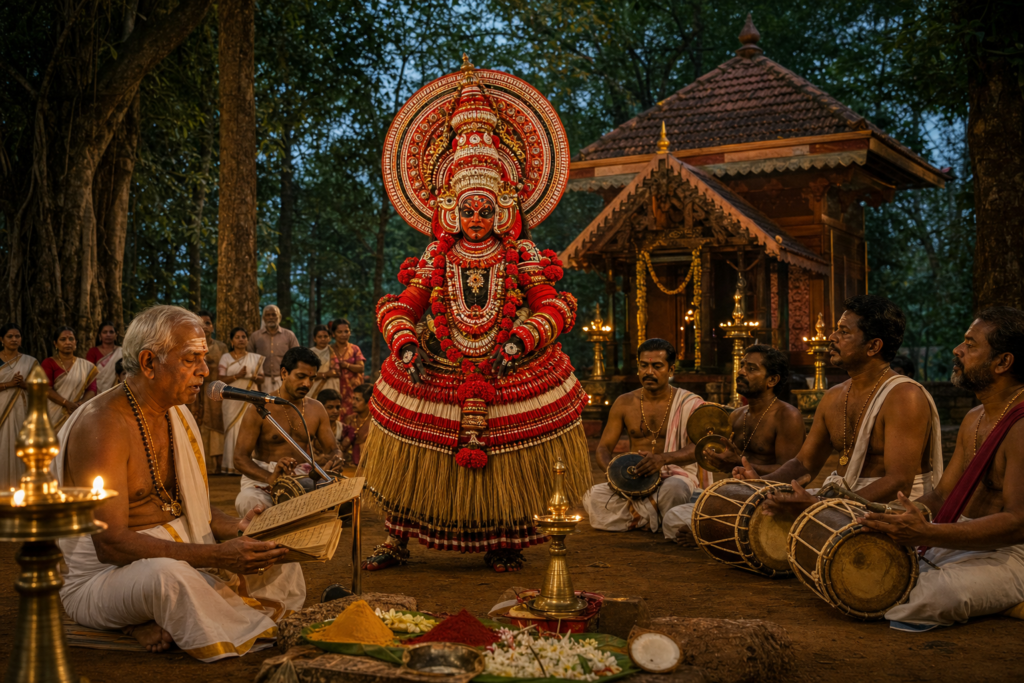
This pedagogy also clarifies the social dimension. Religious institutionstemples, maths, gurudwaras, vihara, and sanghascarry memory, transmit learning, and create spaces of belonging. Spirituality converts belonging into becoming by activating inner disciplines and universal ethics. Lokasangraha, the welfare of the world, then becomes both motive and measure: realization that does not pour out as compassion and clarity into the social fabric is incomplete. In this way, Vasudhaiva Kutumbakam is not an aspiration alone; it is the natural fragrance of awakened life.
Practical indicators help distinguish the outer frame from the inner pivot without disparaging either. A largely religious orientation may prioritize conformity to rite, group identity, and external authority, finding security in repetition and community validation. A largely spiritual orientation gravitates to direct contemplative experience, ethical universality, and self-responsibility, finding stability in insight and compassion. Both are necessary in dynamic balance: forms protect; realization liberates; together, they humanize.
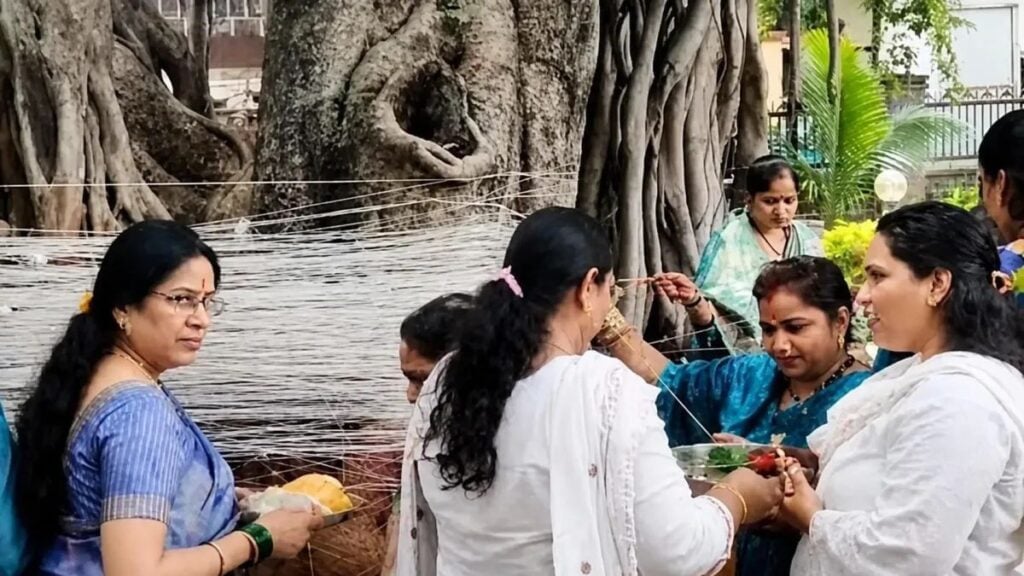
Everyday illustrations make the contrast relatable. A devotee lights a lamp before dawn, offers flowers, and recites stotra with attention. At first, the act soothes and focuses; gradually, the boundaries between doer, offering, and offered begin to soften. Another practitioner sits quietly, watches the breath, and notices the still point between inhalation and exhalation; over months, the same spirit of offering infuses work, speech, and rest. A third volunteers in a community kitchen, discovering that repetitive service melts self-concern and opens the heart. Though the expressions differ, the underlying current is one: inner clarity unfolding through outer discipline.
For those seeking a structured evolution from religion to spirituality, a layered sadhana model is useful. Body: cultivate steadiness and ease through mindful movement and pranayama. Speech: refine attention with japa and the ethics of truthful, compassionate communication. Mind: stabilize with dharana and dhyana, supported by shravana, manana, and nididhyasanahearing, reflecting, and assimilating wisdom. Action: integrate insight through seva and Nishkama Karma, making work a field of practice. Small daily investments compound; weekly and seasonal observances add rhythm and depth without compulsion.
Guidance and community play indispensable roles. The Guru-Shishya parampara transmits not only information but a living method: how to ask, how to integrate, how to persevere. Sangha corrects blind spots, sustains courage, and embodies plurality. In a plural landscape shaped by Ishta, guidance does not negate freedom; it refines it.
Ethics remain foundational through all stages. In Yogic terms, yama-niyama prevents regress into self-deception; in Buddhist and Jain frameworks, vows keep attention clear; in Sikh practice, seva and remembrance dissolve egoic residues. These are not optional preliminaries but perpetual companions of insight, ensuring that freedom is kind and wisdom is steady.
Inquiry likewise deepens maturity. The Upanishadic habit of disciplined questioningneti neti, not this, not thisinvites courageous examination of inherited assumptions without disrespect. A spiritual mind neither clings to literalism nor dismisses tradition; it reads symbol and rite with empathy and rigor, discovering how outer meaning conceals inner instruction. In this way, study becomes contemplative and contemplation becomes clarifying study.
Common confusions arise and can be gently corrected. To claim being spiritual but not religious may at times conceal aversion to discipline; conversely, to prize religion while resisting transformation may signal attachment to familiarity. Dismissing ritual as empty overlooks its function in training attention and reverence; dismissing experience as subjective overlooks that realization is always personally verified before it becomes universally compassionate. The middle way here is not compromise but integration.
Meaningful measures of progress are experiential but practical. Is emotional reactivity softening. Is the appetite for recognition loosening. Is honesty becoming simpler and kindness more effortless. Is attention more continuous without strain. Are relationships becoming arenas of listening and responsibility. Is service undertaken without inner bargaining. These lived shifts suggest that the axis has moved from ritual as performance to ritual as presence, from belief as boundary to insight as belonging.
The integrative view also helps sustain unity among dharmic traditions. When plurality is honored as method and truth as shared horizon, debates over the superiority of forms subside. Differences in doctrine and practice become languages for common aims: the end of suffering, the unveiling of awareness, the flowering of compassion, and the healing of communities. Respectful dialogue grounded in Ishta, Anekantavada, and the ethic of ahimsa ensures that diverse paths remain mutually illuminating rather than mutually exclusive.
In sum, a religious person and a spiritual person are not adversaries but phases of a single journey. Religion offers the map, community, and disciplines that protect and orient; spirituality realizes the destination and returns those fruits as wisdom, joy, and service. Hindu sourcesfrom Veda and Upanishad to the Bhagavad Gita and Yogateach not rivalry but sequence, not rejection but refinement. The lived synthesis is simple and demanding: practice with sincerity, inquire with humility, serve with cheerfulness, and allow the heart to widen until Vasudhaiva Kutumbakam is the natural stance. That is the passage beyond ritual and dogma into transformative spirituality.
Inspired by this post on Hindu Blog.