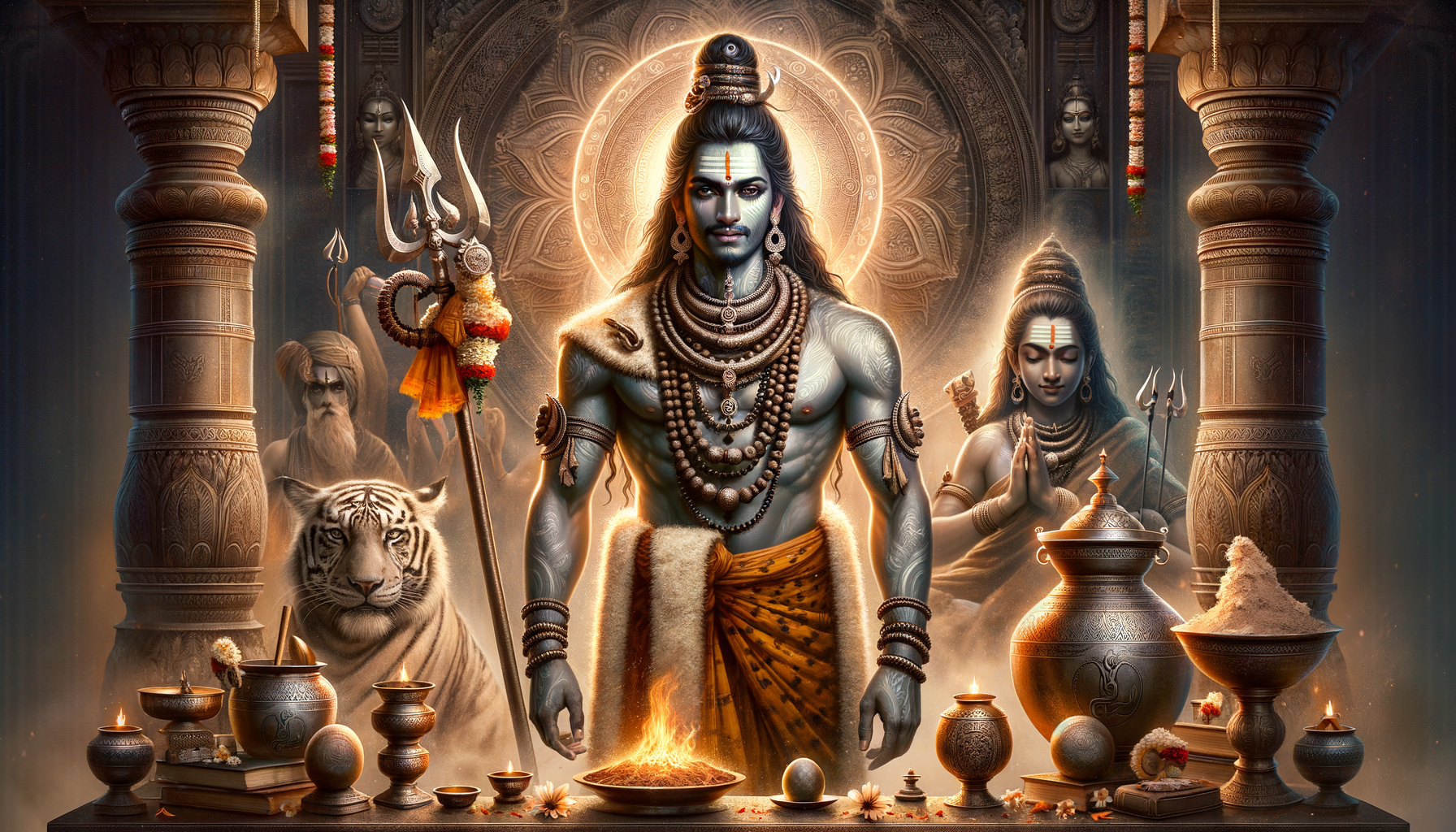
Veerabhadra Swamy, a formidable manifestation of Lord Shiva, stands at the heart of the Veerabhadra Kathaa Puranic narrative interweaving devotion, duty, and cosmic balance. Framed by the events of the Daksha Yagna and the tragic courage of Sati, this story in Hindu scriptures offers a clear, enduring meditation on humility, reverence, and the true purpose of sacred rites.
In widely attested accounts across the Shiva Purana and Skanda Purana, Prajapati Daksha convenes a grand yagna yet pointedly excludes Lord Shiva. SatiDaksha’s daughter and Shiva’s consortarrives seeking reconciliation, only to witness public insult to Shiva and to the sanctity of sacrifice. Unable to bear the dishonor to dharma, Sati immolates herself in the sacrificial fire, transforming personal grief into a moral crisis that reverberates through the assembly.
Shiva’s response is both cosmic and corrective. From a lock of his matted hair emerges Veerabhadraoften accompanied, in some versions, by Bhadrakaliembodying protective wrath (raudra shakti). Charged with restoring moral order, Veerabhadra enters the sacrificial pavilion, dismantles the arrogance underlying the ritual, and beheads Daksha, bringing the ill-founded yagna to a decisive halt.
As devas and sages seek conciliation, Shiva tempers fury with compassion. In a restorative gesture, Daksha is revived with the head of a goat, the yagna is completed with proper offerings to honor Shiva, and cosmic equilibrium is reestablished. The narrative weds fierce accountability to mercy, teaching that sacred ceremony without humility and inclusion loses its essence.
Veerabhadra Swamy thus symbolizes a protective dimension of divinity: wrath not as cruelty, but as a boundary upholding dharma against deliberate disrespect. Devotees and readers alike recognize the cautionary lessonpride isolates, reverence heals; exclusion fractures, inclusion unites. The Daksha Yagna becomes a perennial guide in Hindu mythology, reminding that ritual power rests on ethics, not spectacle.
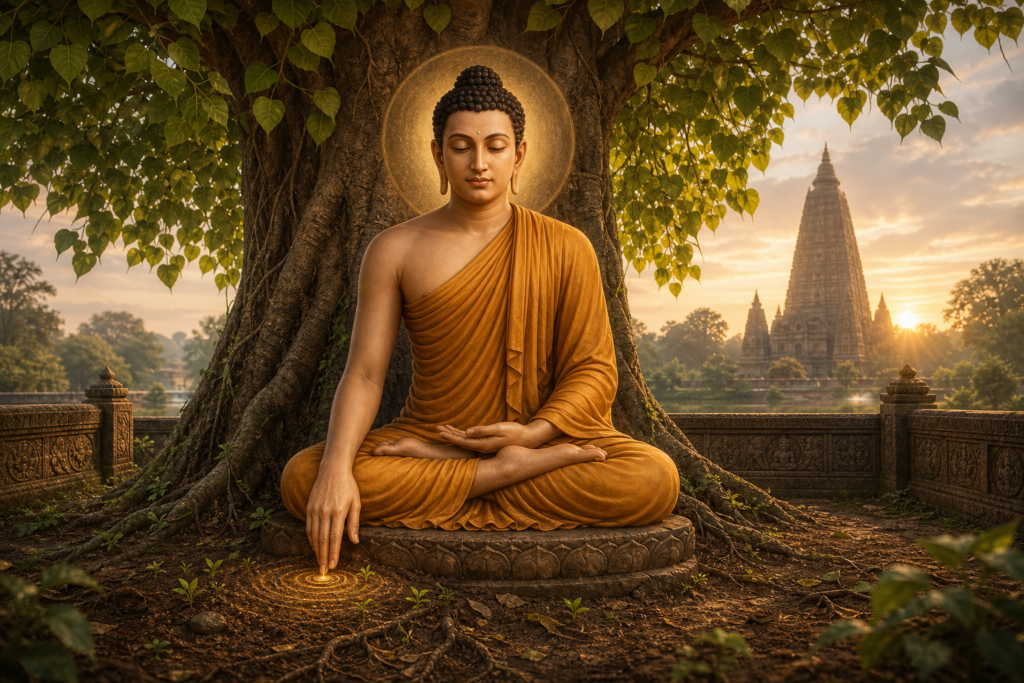
Viewed within the broader dharmic familyHinduism, Buddhism, Jainism, and Sikhismthe Veerabhadra Katha resonates with shared values: humility, ethical restraint, and harmony within the community. Each tradition, in its own idiom, cautions against arrogance and honors the dignity of diverse spiritual paths. The story invites a collective ethic grounded in truth, compassion, and mutual respect.
Across South India and beyond, temples dedicated to Veerabhadra Swamy keep this memory alive through festival observances, dhyana, bhajans, and seva. In practice, contemplation of Veerabhadra nurtures inner courage to confront adharmafirst within the mind, then in societywhile anchoring action in compassion and self-discipline.
Ultimately, the Story of Veerabhadra Swamy is not merely a tale of divine might; it is a study in moral clarity from Hindu scriptures. By uniting corrective force with restorative grace, it offers enduring guidance for families, institutions, and seekers: uphold dignity in discourse, include rather than exclude, and let every rite become a vessel of reverence and unity.
Inspired by this post on Hindu Pad.