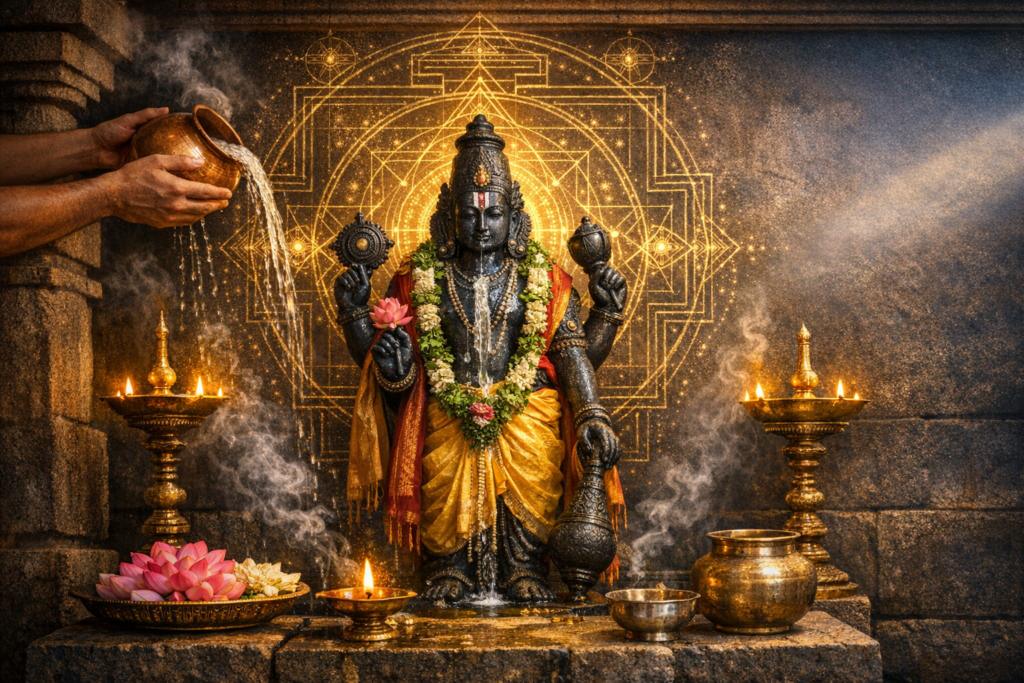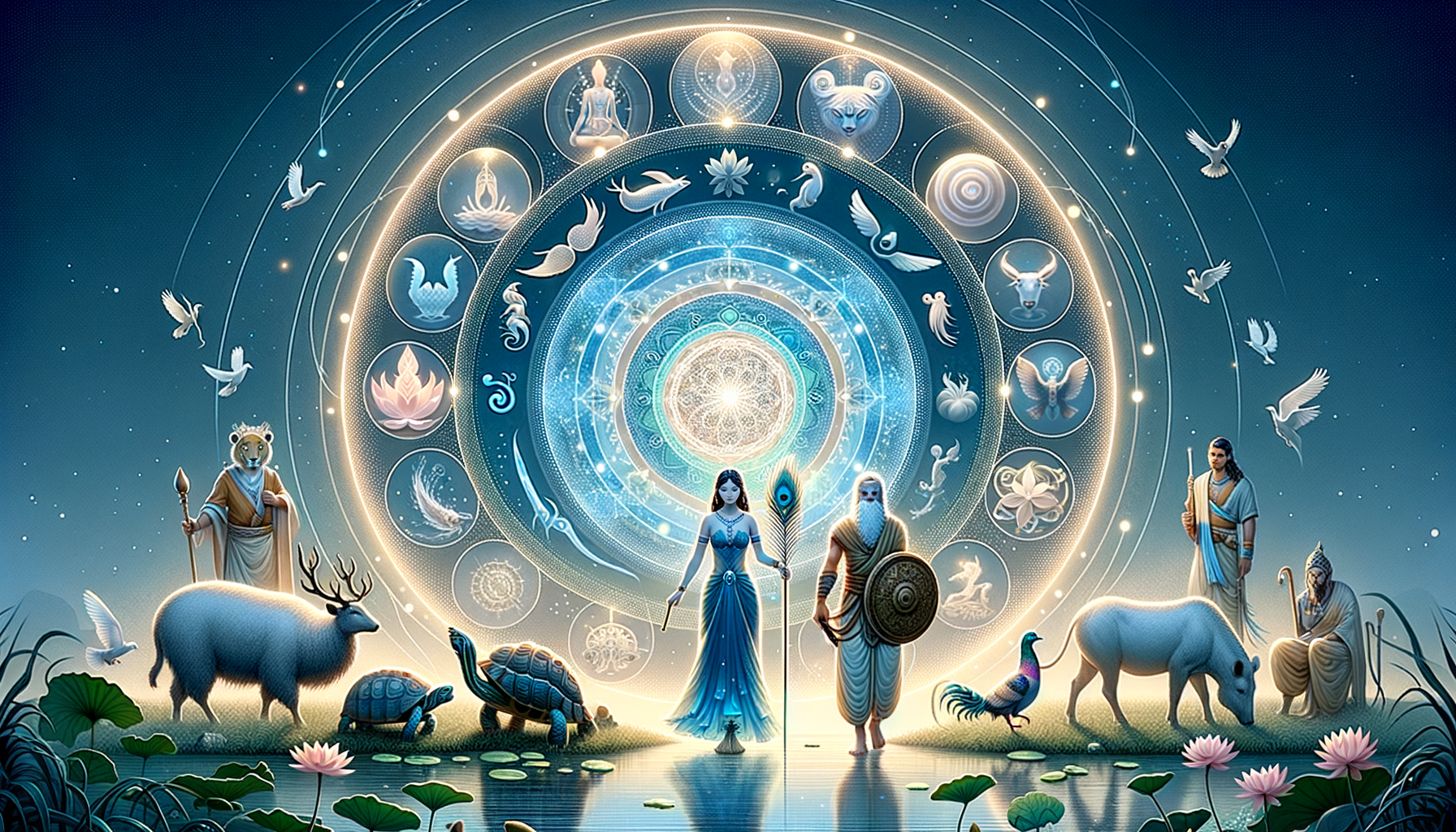
Within Sanatana Dharma, a consistent theological insight describes Krishna as the primeval Lord—“the original Personality of Godhead”—from whom all avatars proceed. Scriptural traditions such as the Puranas and the Bhagavad-Gita explain that although all energies and worlds emanate from the Supreme Being, transcendence is maintained: the Divine remains untouched by material activity while sustaining eternal pleasure pastimes (lila) with devotees.
This perspective clarifies how creation unfolds without compromising transcendence. Rather than direct involvement in material processes, the Supreme manifests plenary expansions, each complete with full potencies. These manifestations are nondifferent in essence, even as they display distinct forms and functions. The framework preserves both the unity of the Divine source and the diversity of Divine expression across realms.
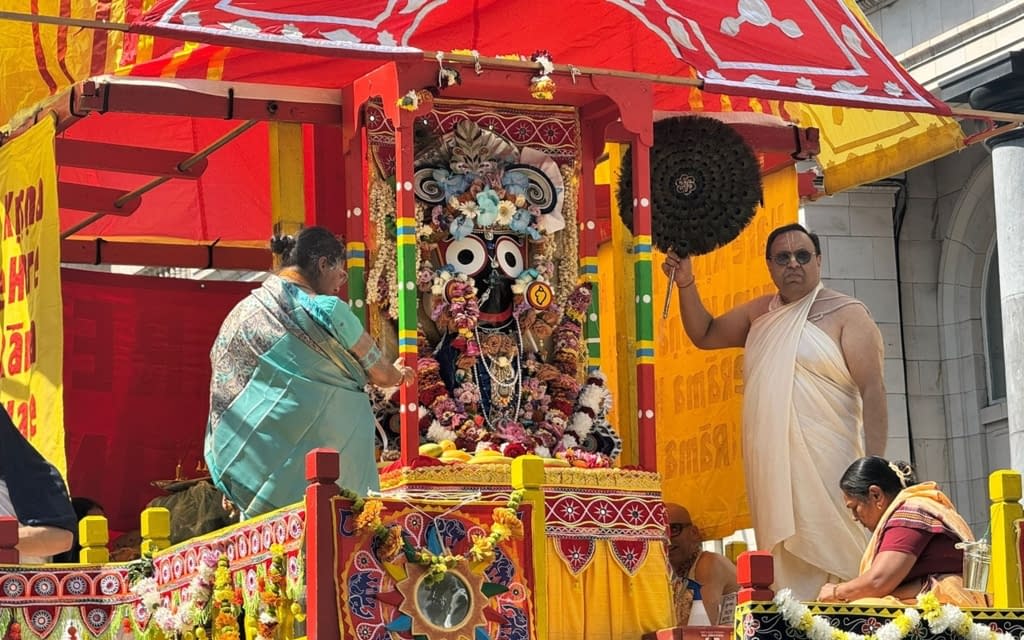
Tradition identifies the first expansion as Baladeva, or Balarama, often described as Krishna’s “second body” and brother. Balarama supports and participates in innumerable spiritual pastimes in both the spiritual and material realms, illustrating how the Supreme coordinates compassionate engagement with the world while remaining supremely free.
For many practitioners of the Bhakti Tradition, reflecting on Krishna, Vishnu, and their avatars fosters an intimate yet reverent relationship with the Divine. Meditative remembrance of names and forms, guided by the Puranas and Bhagavad-Gita, offers a practical path that aligns devotion with philosophical clarity. The understanding that the Divine can be both the ultimate source and personally accessible deepens ethical commitment, gratitude, and spiritual steadiness.
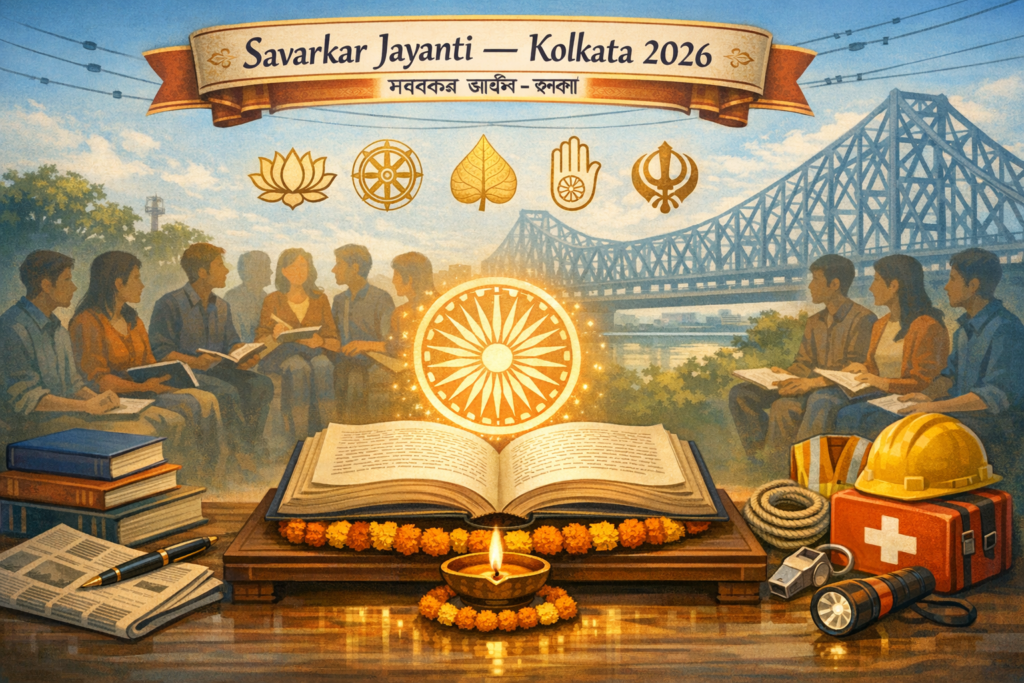
While the language of “avatar” is most explicitly Vaishnava, the underlying intuition—one ultimate truth expressing compassion in ways accessible to seekers—resonates across the broader Dharmic family. Buddhism, Jainism, and Sikhism articulate ultimate reality, moral discipline, and compassion through distinct idioms and practices. Recognizing these convergences encourages mutual respect and a shared commitment to dharma, enabling unity in spiritual diversity without erasing the uniqueness of any path.
Understanding Krishna as the source of all avatars thus provides a coherent theological map: the Supreme orchestrates creation through expansions, preserves transcendence, and sustains eternal lila. Acknowledging Balarama as the first expansion exemplifies this principle in action. For contemporary seekers, this vision harmonizes devotion, reason, and pluralism—strengthening personal practice while nurturing unity among the dharmic traditions.
Inspired by this post on Dandavats.