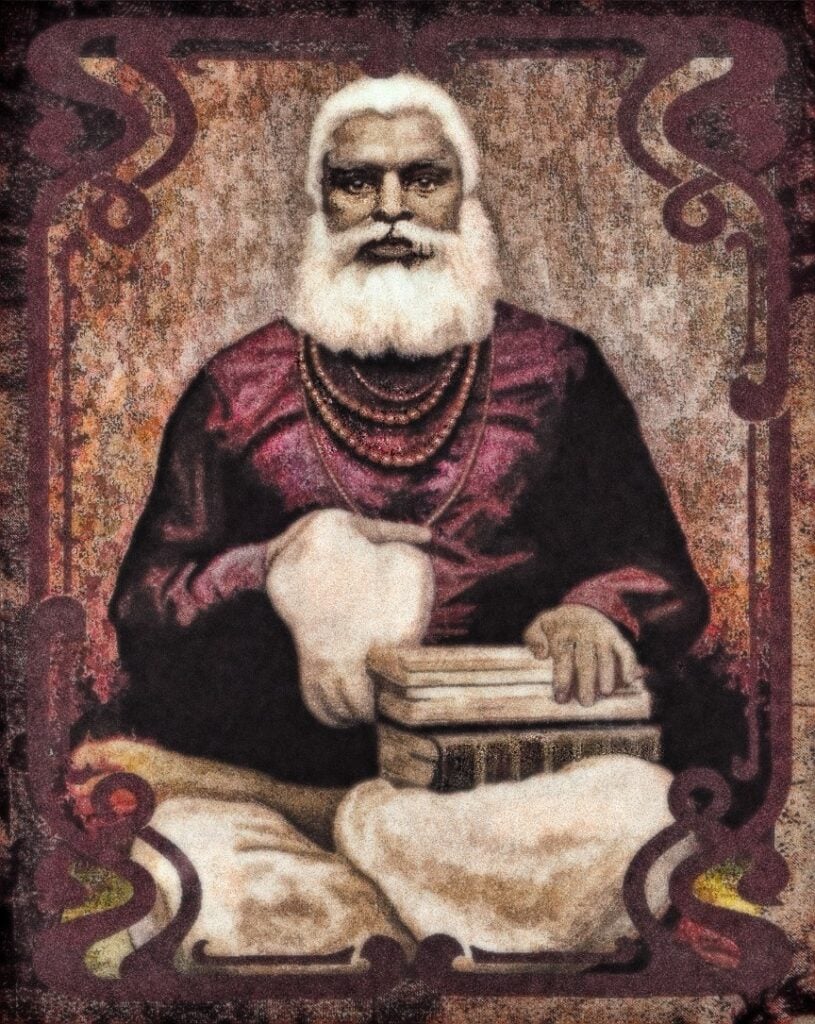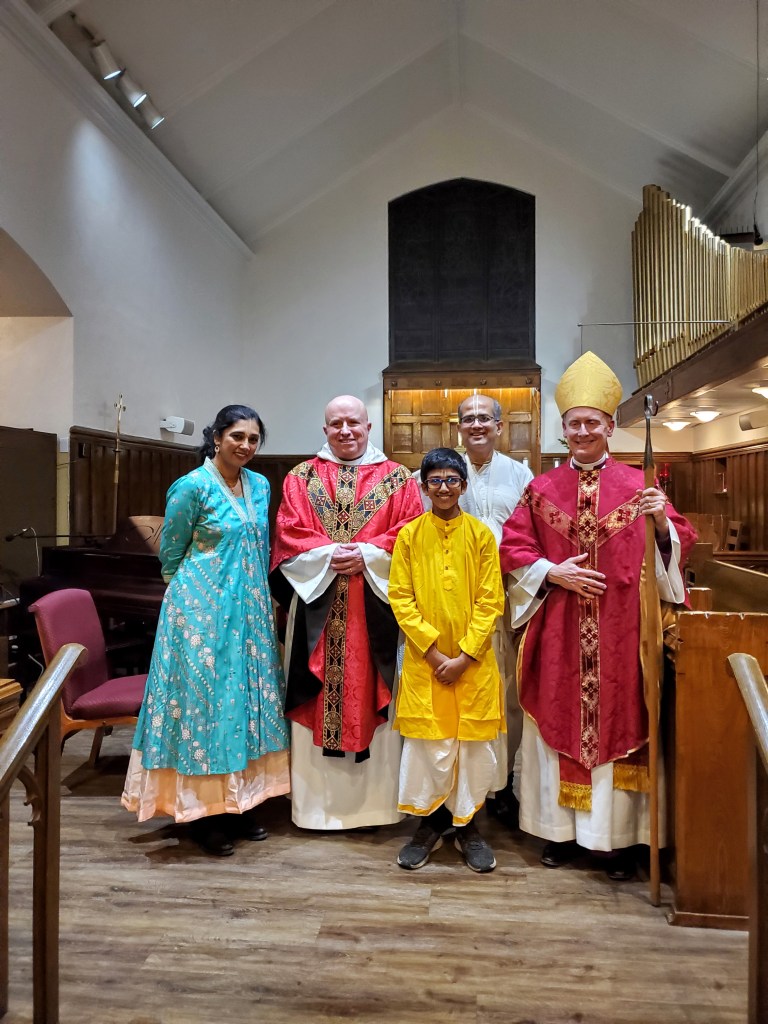
Toronto’s brutal winter did not inhibit devotional service during the 2025 Prabhupada Marathon. Guided by Srila Prabhupada’s emphasis on compassion and perseverance, Sankirtan teamsand in one documented case, a single volunteercompleted more than 110 outings despite sub-zero temperatures.
This field experience illustrates how ISKCON’s Sankirtan can convert environmental adversity into community connection. Kirtan, warm conversation, and the distribution of spiritual literature created brief but meaningful moments of calm amid icy sidewalks and hurried commuters.
Engagement centered on unity across dharmic traditionsHinduism, Sikhism, Buddhism, and Jainismwhile welcoming dialogue with neighbors of other faiths. Emphasizing shared ethical languageseva in Sikh practice, ahimsa in Jain thought, karuna in Buddhist teachings, and bhakti in the Hindu traditionmade Sankirtan relatable and respectful.
Practical methods proved decisive: shorter, high-frequency “micro-outings”; layered clothing and hand warmers; sheltered sites such as transit corridors and community centers (with permission); and low-volume chanting or japa adapted to the setting. A warm smile, a cup of chai, and sincere listening often opened conversations more effectively than lengthy explanations.
Messaging prioritized universal values over sectarian boundaries. Passages from the Bhagavad-Gita were shared in ways that highlighted compassion, service, and inner resilienceprinciples recognizable within all dharmic philosophies and appreciated by friends from Muslim and Christian communities as expressions of interfaith harmony.
Outcomes were both quantitative and qualitative. Beyond the tally of 110-plus outings, participants observed deeper receptivity, requests for follow-up gatherings, and a stronger sense of community solidarity during the harshest weeks of winter in Canada.
The case underscores a replicable framework for diaspora communities in cold climates: pair Sankirtan and kirtan with practical care, speak a shared ethical vocabulary, and anchor every interaction in humility. In this way, the winter becomes a catalyst for service rather than a barrier to it.
Ultimately, the 2025 Prabhupada Marathon in Toronto demonstrates Srila Prabhupada’s insight that steadfast devotion can turn constraint into opportunity. Through ISKCON’s outreach, unity in diversity moved from aspiration to lived experience, advancing dharmic cohesion and interfaith respect in a challenging urban environment.
Inspired by this post on Dandavats.