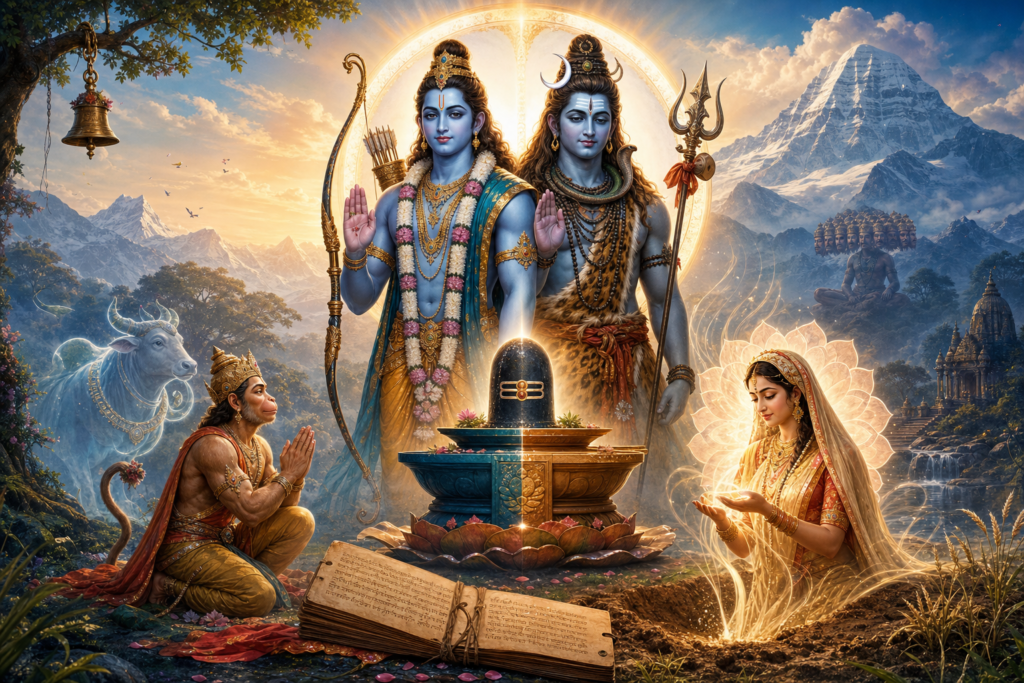
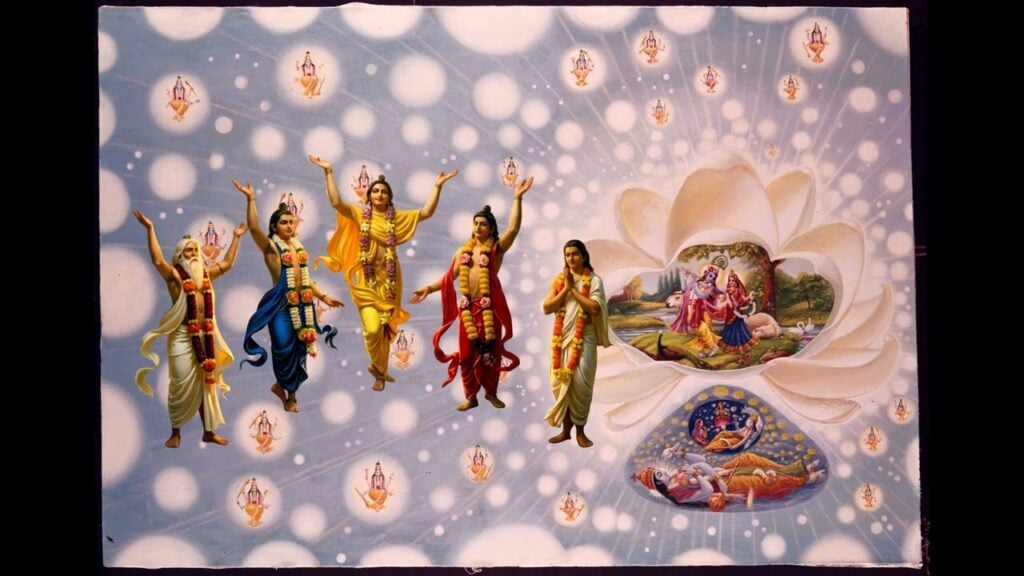
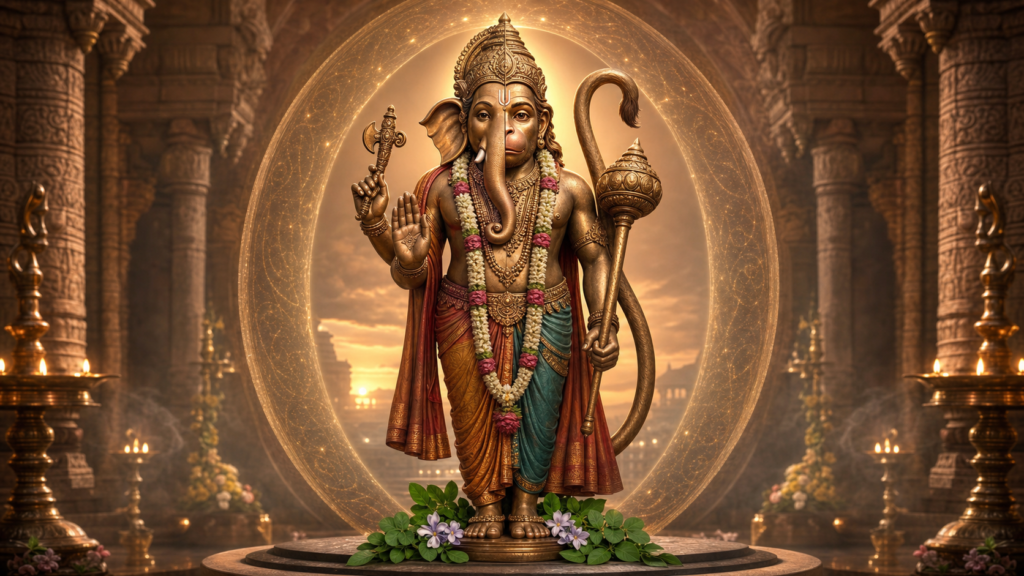
Hinduism offers a proven antidote to dogmatism by embracing spiritual plurality as an essential feature of the Hindu way of life. Rather than prescribing a single, exclusive route to truth, it presents a spectrum of practices and philosophies that accommodate diverse dispositions. A visitor might picture a cosmic restaurant where the menu lists countless optionspoetically described as 33 million forms of the Divineeach inviting an authentic relationship with the sacred.
This plural vision rests on a philosophical foundation articulated in the Vedic and Upanishadic tradition. The statement “Ekam sat vipra bahudha vadanti” encapsulates the insight that truth is one, though sages articulate it in many ways. Within this framework, Ishta in Hinduism allows each seeker to choose a personal focusdeity, method, or idealaligned with svabhava (one’s nature), while honoring the legitimacy of other choices.
Multiple yogic avenues reinforce this inclusivity. Karma Yoga, Bhakti Yoga, Jnana Yoga, and Raja Yoga offer complementary disciplines for different temperaments, and texts such as the Bhagavad Gita normalize this diversity of spiritual paths. Temples, home rituals, meditation, seva (service), and scriptural study coexist without hierarchy, illustrating a lived Religious Pluralism and a mature understanding of Dharma as contextual, relational, and compassionate.
For many seekers, this approach resonates at an emotional level. A student balancing modern life may find focus in meditation during challenging times, devotion in song on festival days, and meaning in community service on weekendsall without contradiction. Such experiences affirm that Religious tolerance in Hinduism is not an abstract principle but a daily practice that nurtures inner peace and social harmony.
This plural ethos naturally aligns with broader dharmic traditions. Buddhism’s emphasis on experiential inquiry and anatta, Jainism’s anekantavada (many-sided truth), and Sikhism’s Naam Simran and seva share a non-dogmatic orientation that values sincerity over uniformity. Together, these traditions demonstrate a shared commitment to Unity in Diversity, enriching interfaith dialogue and encouraging mutual respect across communities.
Philosophically, the Hindu worldview distinguishes between ultimate reality and its many expressions, encouraging humility in claims about truth. By acknowledging the limits of language and perspective, it promotes ethical conduct over ideological rigidity. This stance nurtures social cohesion, reduces sectarian friction, and supports a culture of respectful debate grounded in compassion and knowledge.
Practically, Hinduism guides seekers to select a path that fits their temperament while honoring others’ choices. Engaging with the Upanishads for insight, adopting a yoga of choice for discipline, and participating in community service for shared well-being are proven ways to cultivate inner growth and civic responsibility. Interfaith dialogue becomes a natural extension of this practice, advancing peace through understanding rather than conformity.
In sum, Hinduism’s inclusiveness functions as a complete, time-tested response to dogmatism. By legitimizing multiple paths to the Divine and elevating ethics, experience, and dialogue, it provides a resilient spiritual framework suited to contemporary life. The vast menu remains openinviting seekers to choose wisely, practice sincerely, and honor the many ways humanity approaches the one truth.
Inspired by this post on Hindu Blog.