
-
Beyond Sectarianism: Dharmic Wisdom for an Inclusive, Boundless Vision of the Divine
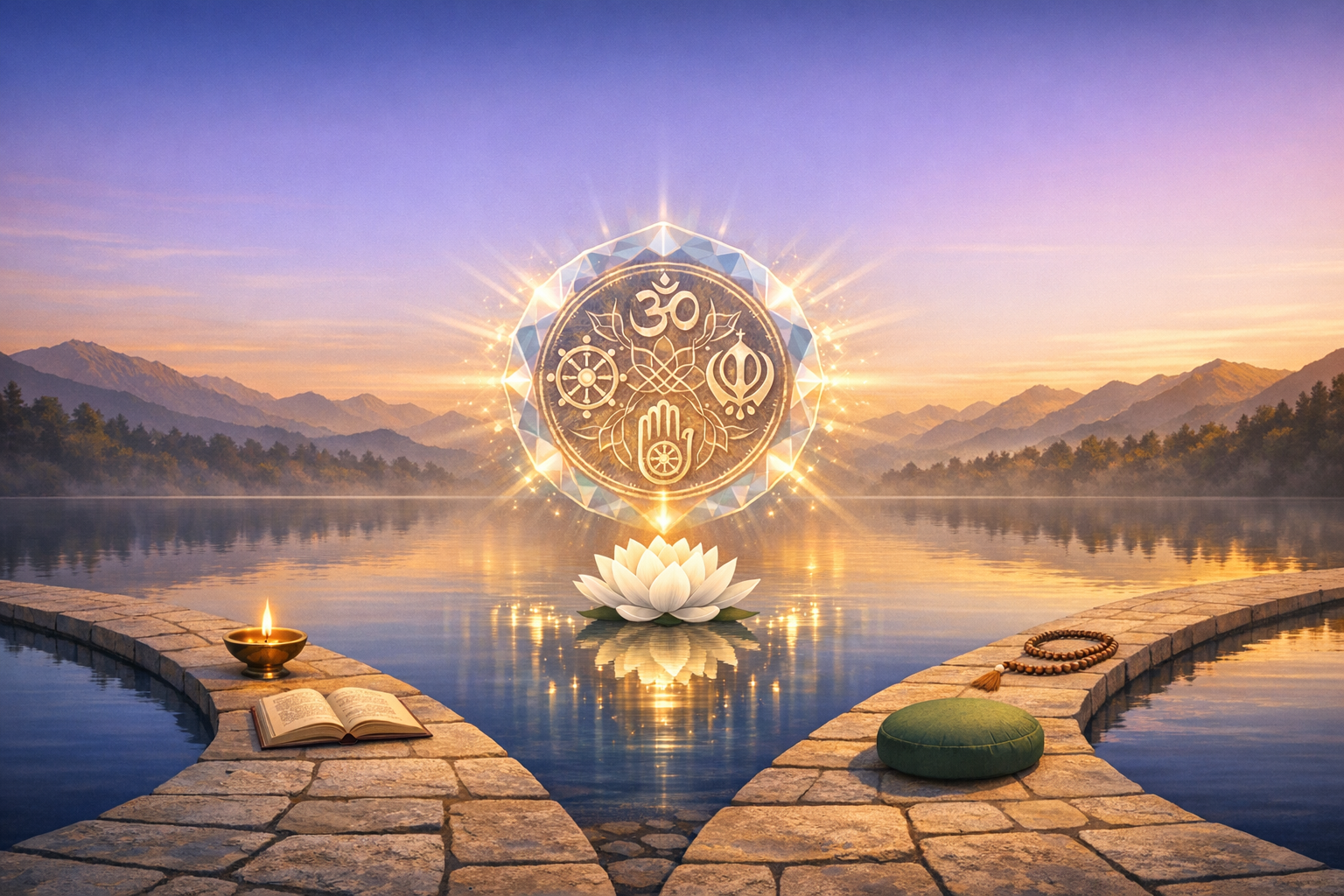
This essay examines the insight that a sectarian mind yields a defective image of the Divine, drawing on Hindu philosophy and the wider Dharmic traditions. It traces Vedic and Upanishadic roots of pluralism, explains the Bhagavad Gita’s inclusivism, and shows how Ishta, Advaita, Vishishtadvaita, and Dvaita approach the One-and-many problem without mutual negation. It integrates…
-
From Stone to Spirit: Temple Worship that Deepens Realization of the All-Pervading Divine

Temple worship and divine omnipresence are not rivals in Hinduism; they are complementary stages on one path of God-realization. By training attention through darshan, aarti, and japa, the temple prepares the mind for stable, formless meditation. The Ishta concept personalizes devotion without limiting the Divine, guiding the heart from the particular to the universal. This…
-
Break Free from Social and Religious Guilt: Dharmic Wisdom for Calm, Authentic Living

This article examines how Dharmic wisdom helps individuals release social and religious guilt without rejecting tradition. It explains how context-sensitive dharma and intention (bhava) guide ethical choices more reliably than fear-driven conformity. Drawing on Hinduism, Buddhism, Jainism, and Sikhism, it highlights inclusive practices such as karma yoga, mindfulness, pratikraman, ahimsa, ardas, and seva. Readers learn…
-
Why the Divine Answers to Every Name: Hindu Wisdom on Ishta and Radical Inclusivity

This article explains a core Hindu teaching: the Divine responds to sincere devotion regardless of the name, language, or pronunciation used. Drawing on the doctrine of Ishta and resonances from the Bhagavad-Gita, it shows why intention and inner feeling outweigh verbal precision. It situates this insight within the broader dharmic familyHinduism, Buddhism, Jainism, and Sikhismhighlighting…
-
Panchayatana Puja Explained: The Complete Guide to Pancha Deva Worship and Unity in Hinduism
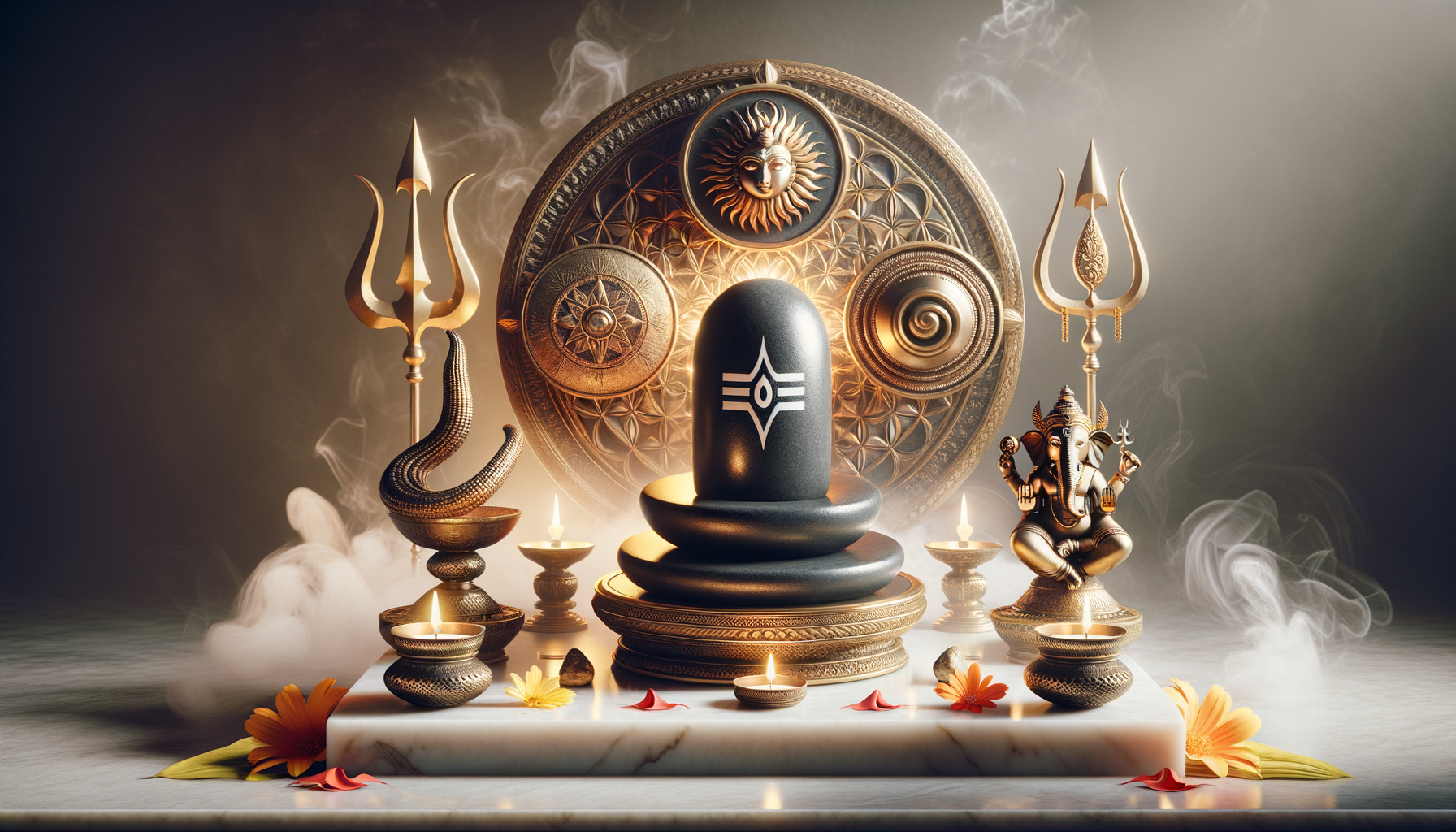
Panchayatana Puja, or Pancha Deva Puja, offers a clear and compelling framework for unity in diversity within Hinduism. It venerates Shiva, Vishnu, Devi, Surya, and Ganesha together, typically in a quincunx arrangement that places one’s Ishta at the center while honoring the rest. Rooted in the Smarta tradition and associated with Adi Sankara, it integrates…
-
Discover Hinduism’s Proven Antidote to Dogmatism: A Complete Guide to Plural Paths

Hinduism counters dogmatism with a plural, practice-centered approach that honors many valid paths to the Divine. Grounded in the Vedas and Upanishads, it affirms “Ekam sat vipra bahudha vadanti,” encouraging humility and respect across traditions. Through Karma, Bhakti, Jnana, and Raja Yoga, seekers choose methods aligned with temperament while sustaining daily Religious tolerance in Hinduism.…