In the vast tapestry of Hindu scriptures, the Daksha–Shiva conflict stands as a compelling mirror to a universal human tension: the need for social order alongside the quest for individual freedom. Far from a tale of divine discord alone, this Puranic narrative opens a nuanced conversation about dharma, responsibility, spiritual autonomy, and the art of harmonizing structure with transcendence.
The episode unfolds around Daksha’s yajña, a grand ritual centered on protocol, hierarchy, and ritual correctness. Shivaascetic, inward-looking, and beyond conventionembodies the other pole of reality. The fracture intensifies with Sati’s profound anguish at the humiliation of her beloved, leading to tragedy, the emergence of Vīrabhadra, and the dramatic disruption of the yajña. The narrative’s intensity is not gratuitous; it highlights the consequences when rigid order denies inner truth and when unbounded autonomy neglects collective wellbeing.
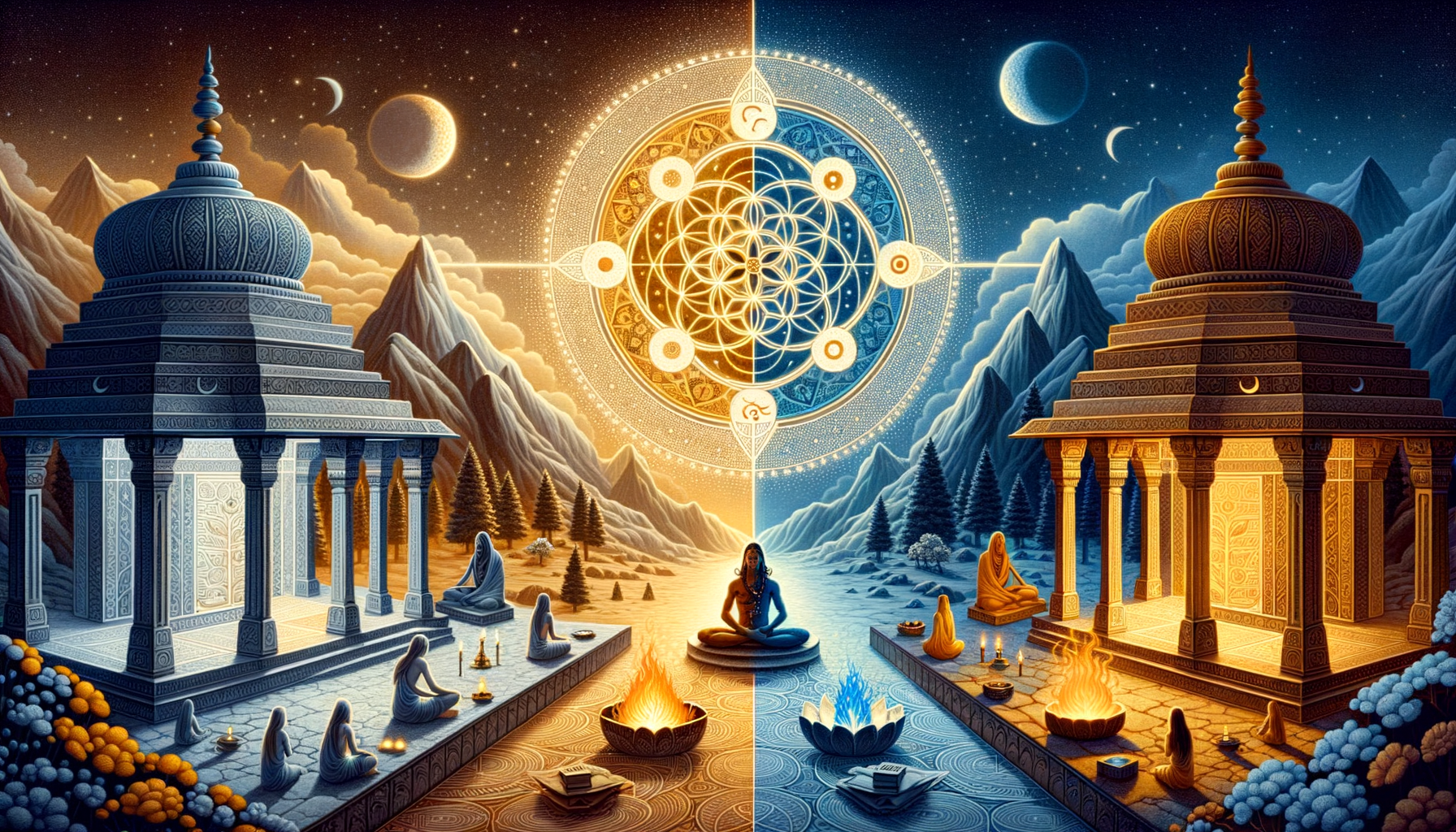
Read philosophically, Daksha symbolizes social cohesion, lineage, and institutional stability, while Shiva personifies the sovereignty of consciousness, tapas, and personal spiritual realization. Both principles are essential to Sanatana Dharma. When social order forgets its ethical heart, it can become exclusionary; when freedom ignores responsibility, it can become destructive. The narrative invites readers to contemplate how dharma integrates law and love, maryādā and mokṣa, ritual precision and compassionate insight.
The aftermathSati’s rebirth as Pārvatī and the re-consecration of the Shiva–Shakti unionpoints to integration rather than victory of one side over the other. In this resolution, the Puranas suggest that cosmic harmony arises when institutional order embraces spiritual depth, and personal freedom is guided by care for the common good. The message resonates across Hindu philosophy: the goal is not a winner in the contest of order versus freedom, but a higher synthesis that honors both.
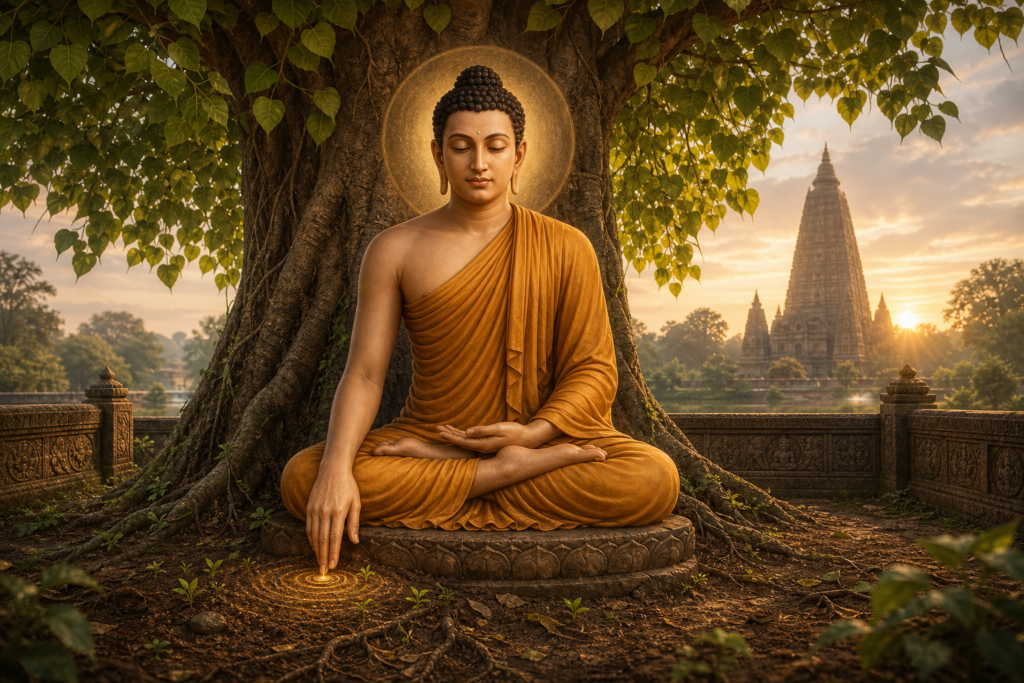
This integrative vision is not unique to one tradition. Buddhism’s Middle Way balances austerity and indulgence, charting a path beyond extremes. Jainism’s Anekāntavāda teaches humility toward multiple truths, discouraging absolutism of any single perspective. Sikhism harmonizes maryādā (discipline), nām-simran (meditative remembrance), and sevā (service), uniting inner devotion with social responsibility. These dharmic perspectives converge on a shared insight: plural paths can coexist without erasing ethical order.
For many readers, this story echoes ordinary life. In families, communities, and institutions, people navigate expectations while safeguarding authenticity. A workplace thrives on clear processes yet needs room for creativity; a community treasures tradition yet flourishes when it welcomes sincere new expressions. The Daksha–Shiva narrative encourages thoughtful discernment: uphold what sustains, adapt what constrains, and honor the evolving texture of living dharma.
Engagement with sacred spaces can make this reflection visceral. During Mahāśivarātri or while visiting a temple dedicated to Shiva, devotees often sense the stillness of an inward gaze coexisting with the cadence of communal worship. That felt balancebetween solitude and societyilluminates how Sanatana Dharma holds space for both personal sādhanā and collective harmony. It is here that the story becomes not only intelligible but also transformative.
Practically, the narrative suggests three contemplations. First, where might social rules protect essential valuesand where might they require compassionate reform? Second, where does personal freedom nourish growthand where might it benefit from responsibility toward others? Third, how can dialogue across Hindu, Buddhist, Jain, and Sikh perspectives deepen a shared culture of religious pluralism and mutual respect?
Ultimately, the Daksha–Shiva conflict serves as a timeless guide to living wisely amid competing claims. It affirms that dharma matures when institutions listen to conscience and when individuals anchor freedom in empathy. In this light, the narrative becomes an enduring call to cultivate unity across dharmic traditions while honoring the diverse pathways through which people discover truth.
Inspired by this post on Hindu Blog.