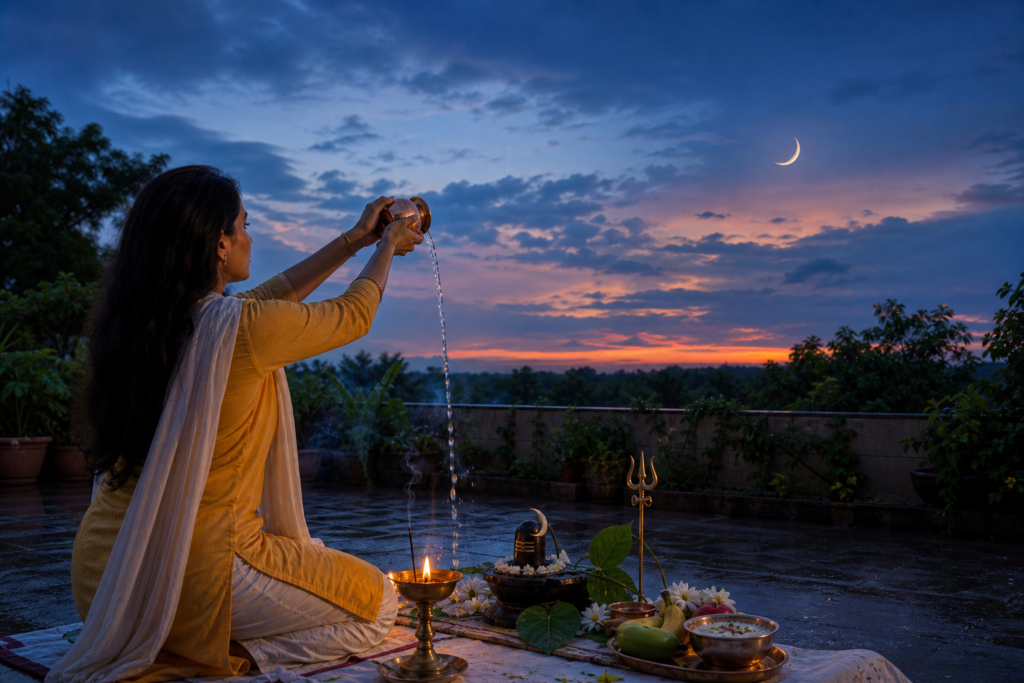
Across the dharmic traditionsHinduism, Buddhism, Jainism, and Sikhismthe most enduring philosophical current affirms that genuine divine realization arises through personal freedom rather than externally imposed rigidity. This view aligns with Hindu philosophy and the broader ethos of religious pluralism, where inner liberation is prioritized over dogma and coercion. In this framework, spiritual practice is a conscious, self-directed journey that honors diversity of temperament, capacity, and insight.
Classical sources in Hinduism reinforce this principle. The Upanishads urge a direct inquiry into the Self, while the Bhagavad Gita presents multiple legitimate yogic pathwaysbhakti, jnana, karma, and dhyanaeach suitable to different seekers. Comparable currents run through other dharmic traditions: Buddhism invites experiential verification through practice, Jainism’s Anekantavada acknowledges the many-sidedness of truth, and Sikhism emphasizes the transformative power of Naam and living dharma in community. Taken together, these traditions converge on a shared insight: inner freedom is not optional to spiritual life; it is its ground.
Within Hinduism, the Ishta philosophy exemplifies this inclusivity by affirming that individuals may approach the Divine through forms and methods resonant with their nature. This resonates with Buddhist skillful means (upaya), the Jain emphasis on non-absolutism, and the Sikh celebration of devotion that refines character and consciousness. Such plural frameworks do not dilute truth; they recognize that sincere realization emerges when the heart, intellect, and conduct align freely with a chosen path.
Dharmic traditions also distinguish between disciplined practice and religious rigidity. Sadhana, precepts, and vows serve as instruments of refinement, not chains of conformity. When discipline is guided by wisdom and compassion, it supports moksha, nirvana, kevala jnana, or a life centered in Naam; when enforced as compulsion, it stifles inquiry and undermines authentic transformation. Personal agency, therefore, remains integral to spiritual growth and ethical responsibility.
This ethos of freedom cultivates unity in spiritual diversity. By respecting multiple valid paths, communities foster social harmony and interfaith dialogue without sacrificing depth or conviction. The result is a robust civic and spiritual ecosystem where differing practices can thrive side by side, strengthening rather than fragmenting the social fabric.
Historically and in the present, attempts to narrow religious life to a single exclusive route have clashed with the dharmic insight that truth manifests through many windows. Dharmic traditions respond not with polemic but with confident plurality: the conviction that one light can refract into many colors without ceasing to be light. This stance preserves freedom of worship and nurtures the humility essential for shared learning and mutual respect.
Lived experience further confirms these philosophical claims. Seekers often report that authentic insight arises when they can question, contemplate, and practice without fearwithin a supportive sangha, sangat, or satsang. Mentorship through the guru–shishya tradition, Buddhist sangha, Jain samgha, and Sikh sangat models guidance without coercion, enabling disciplined exploration that honors individual conscience.
In contemporary society, where cultural complexity and global interconnection are a given, the dharmic commitment to freedom-informed practice offers a constructive template. It balances intellectual rigor with compassion, tradition with adaptation, and personal conviction with communal harmony. By embracing this balance, dharmic communities demonstrate how spiritual integrity and social cohesion can advance together.
Ultimately, the dharmic message is clear: inner liberation and personal freedom are not peripheral to divine realizationthey are its essential catalyst. Where conscience is free, discipline becomes purposeful, devotion becomes profound, and wisdom becomes lived. In honoring many paths to one truth, the dharmic traditions safeguard both the dignity of the seeker and the unity of the human spirit.
Inspired by this post on Hindu Blog.