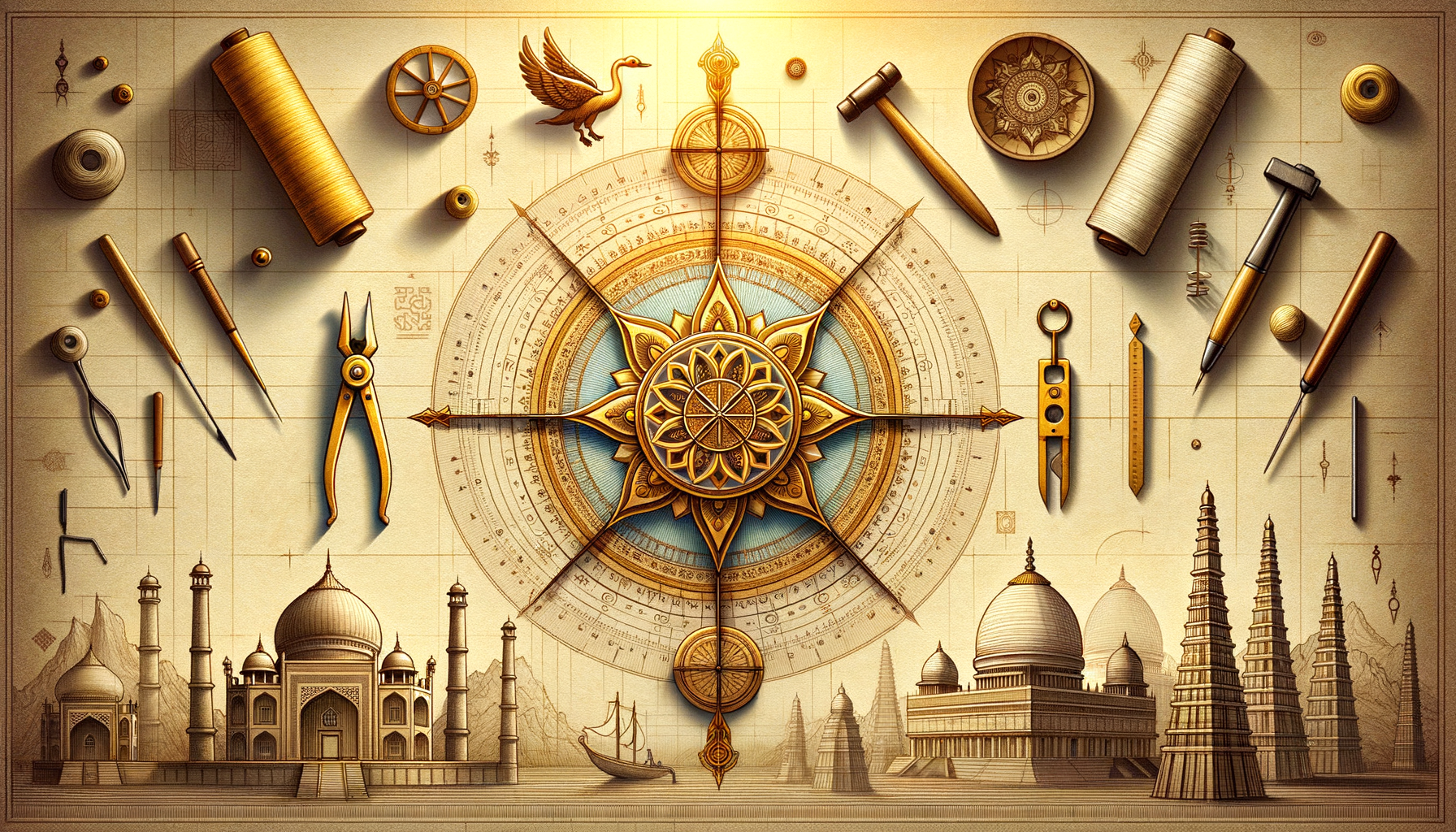
Vishwakarma, the celebrated divine architect in Hindu traditions, occupies a distinctive place in Hindu iconography and cultural memory. Across regions, communities depict his vahana differentlyprompting the common question: is the sacred vehicle an elephant, a swan, or a horse? An academic view grounded in Hindu iconography and Cultural Heritage shows that the answer is plural rather than singular; the diversity of depictions reflects regional practice, guild traditions, and the layered symbolism preserved in temples, manuscripts, and festival arts.
Textual references in the Puranas and guidance from shilpa traditions emphasize Vishwakarma’s tools and cosmic role more than a fixed vehicle, leaving iconography to evolve across locales. As a result, Vishwakarma appears with an elephant (gaja), a swan (hamsa), or a horse (ashva) in different regions and periods. This plurality is consistent with broader Hindu iconography, where symbolism adapts to cultural context while remaining anchored in dharmic values and the ideals of knowledge, skill, and service.
Elephant (gaja): In many parts of eastern and northern India, the elephant signifies stability, strength, and royal patronagequalities historically linked to guild power and large-scale architectural enterprise. As a vahana, the elephant underscores the weight and responsibility of building temples, cities, and sacred infrastructure. Within Hindu Beliefs and Symbolism, the elephant’s famed memory also speaks to intergenerational mastery, apprenticeship, and the careful transmission of craft knowledge.
Swan (hamsa): The swan traditionally represents viveka (discernment)the ability to distinguish the subtle from the gross, much like a hamsa separating milk from water. When Vishwakarma is shown with a swan, it foregrounds the intellectual and contemplative dimensions of craft: geometry, measurement, proportion, and the ethical responsibility that guides creation. This aligns with the ethos found across Hindu scriptures and shilpa-shastra guidance, where learning and purity of intent elevate skill into sacred service.
Horse (ashva): In several guild emblems and regional processional images, the horse conveys mobility, energy, and the swift dissemination of techniques along trade and pilgrimage routes. The horse highlights the dynamism of artisanshipresponding to materials, patrons, and new geographiesmirroring how workshops historically traveled, exchanged knowledge, and contributed to temple architecture and urban planning across the subcontinent.
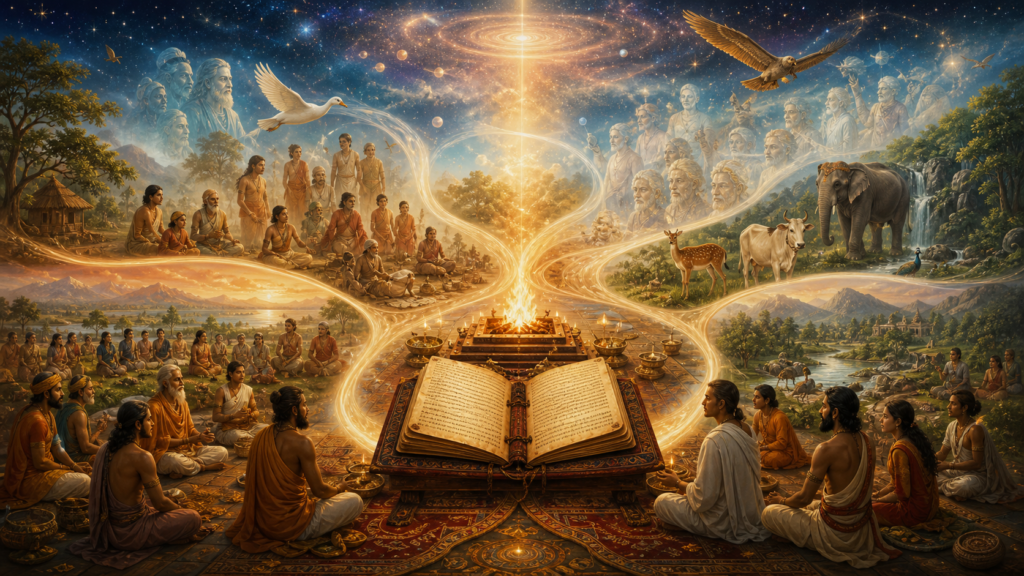
Regional practice: Festival images during Vishwakarma Puja, temple murals, and workshop icons often determine which vahana is foregrounded locally. Across India, households, artisans, and engineers honor Vishwakarma with the form cherished by their communitysometimes an elephant for steadfast prosperity, a swan for refined knowledge, or a horse for industrious momentum. These lived traditions, preserved through ritual and craft pedagogy, are essential evidence for understanding Hindu iconography beyond the letter of the text.
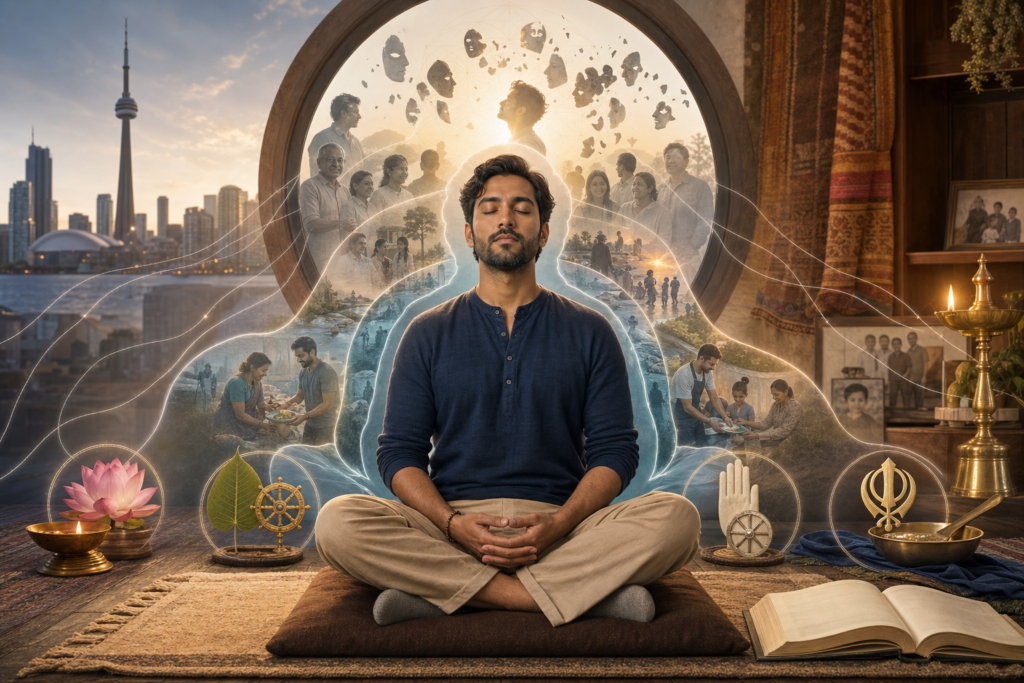
Dharmic unity in craftsmanship: The reverence for craft and service (seva) is a shared value across dharmic traditions. Hindu temple artisans, Buddhist stupa builders, Jain shilpis who raised intricate mandir complexes, and Sikh communities engaged in kar seva for gurdwaras collectively affirm that building is sacred work. This shared ethos strengthens interfaith respect and highlights a unifying thread: the transformation of skill into a vehicle for the common good.
Practical guidance: When asked, “Which is the vehicle of Vishwakarma?” the academically faithful and culturally sensitive answer acknowledges plurality. All threeelephant, swan, and horseare legitimate within Hindu traditions, each encoding a distinct facet of the divine architect’s qualities. Communities may choose the form that resonates with local parampara (tradition) and professional lineage, keeping the focus on dharma, integrity of craft, and the welfare of society.
Conclusion: Rather than a single canonical vahana, the richness of Vishwakarma’s iconography lies in its layered symbolism and regional diversity. Embracing this plurality nurtures unity within Hinduism and strengthens bonds with Buddhism, Jainism, and Sikhism, where craftsmanship and service are equally esteemed. In the spirit of Cultural Insights and Spiritual Insight, recognizing multiple vahanas deepens understanding, invites mutual respect, and celebrates the living heritage of India’s sacred arts.
Inspired by this post on Hindu Blog.