Khodiyar Mata Jayanti, also known as Khodiyar Maa Pragatya Din, commemorates the first appearance of Goddess Khodiyar Mata. As per the Hindu calendar, the observance falls on Shukla Paksha Ashtami in Magha Month. In 2026, Khodiyar Mata Jayanti is observed on 26 January, aligning with Magha Shukla Ashtami as noted in most regional panchangs. The day holds special resonance in Gujarat and neighboring regions where the goddess is revered as a protective and compassionate Devi.
Magha Month and Shukla Paksha Ashtami are central markers in the Hindu calendar for this celebration. While the tithi may span late night to the following sunrise in some locales, most communities will mark the vrata and puja on 26 January 2026. For precise timings, tradition encourages checking a local panchang or temple notice, ensuring the worship aligns with the auspicious window of Ashtami.
In the folk narrative associated with Khodiyar Mata, the goddess reveals her protective grace in the story of Mamaniya, embodying courage, loyalty, and divine intervention. Iconographically linked with a crocodile as vahana and with waters that symbolize nurture and renewal, Khodiyar Mata is honored as a guardian of devotees, families, and communities. This foundational story frames the Jayanti as a moment to remember the goddess’s promise of protection and moral strength.
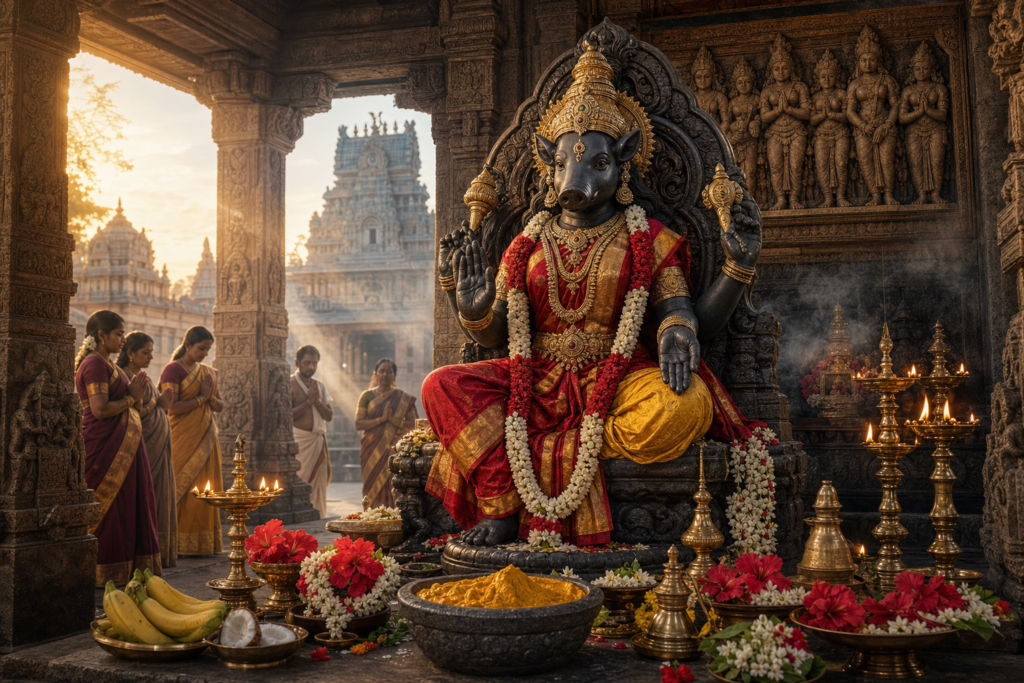
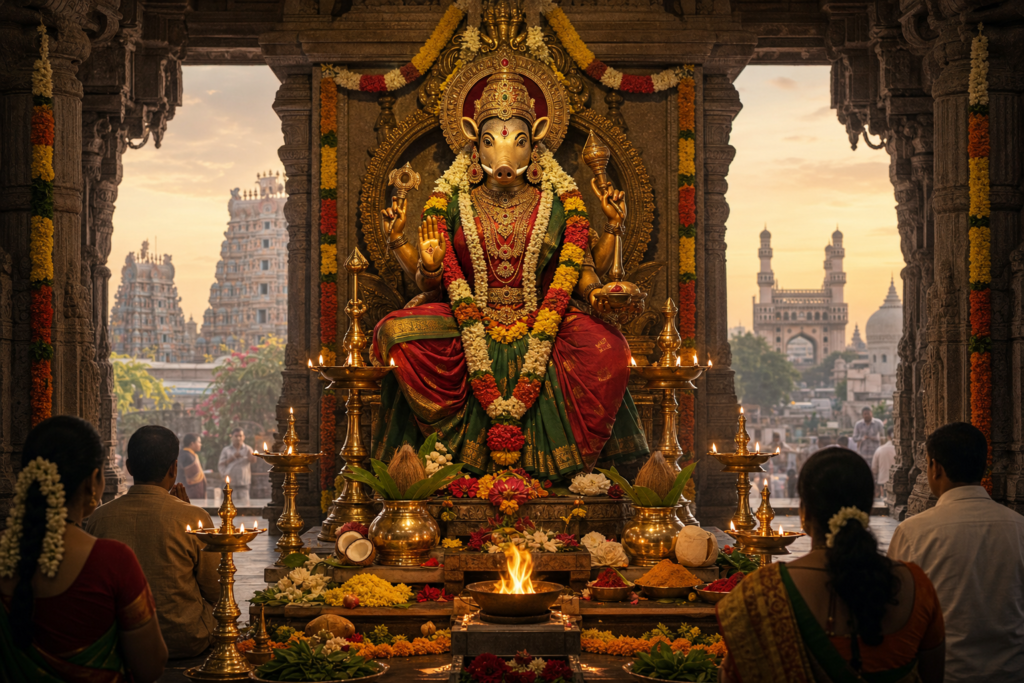
Devotees typically observe vrata, perform Khodiyar Mata puja, and offer kumkum, flowers, coconut, and freshly cooked bhog. Recitation of stutis, aarti, and community kirtans are common, alongside the reading of sacred narratives related to the goddess’s pragatya. Many families light diyas at home altars, visit local Khodiyar Mata temples, and participate in seva such as water distribution, community meals (bhandara), or support for those in need, aligning devotion with service.
Regional traditions in Gujaratespecially around Bhavnagar, Rajpara, and other Khodiyar shrinesoften include temple darshan, special aarti, and community gatherings. In diaspora communities, the Jayanti becomes an occasion to transmit living heritage to younger generations, with elders narrating the story of Mamaniya and the virtues of courage, fidelity, and compassion. For many, the day becomes a homecoming to shared memory, cultural identity, and spiritual continuity.
The spiritual values highlighted by Khodiyar Mata Jayanticare for family, steadfastness in dharma, and sevaresonate across the dharmic traditions of Hinduism, Buddhism, Jainism, and Sikhism. Communities frequently channel the spirit of the festival into acts of interfaith goodwill, ecological care, and charitable initiatives, affirming unity in spiritual diversity. This inclusive outlook reflects a broader ethos: diverse forms of worship can harmoniously coexist while nurturing a common commitment to compassion and ethical living.
For those planning observances in 2026, focusing on Shukla Paksha Ashtami in Magha Month, maintaining sattvic offerings, and dedicating time to bhajan, japa, and meditation enhances the vrata’s intent. Consulting local temple schedules for tithi-specific aarti times, supporting community seva, and sharing the story of Khodiyar Maa Pragatya Din with children can deepen the celebratory experience. In this way, Khodiyar Mata Jayanti unites cultural tradition with everyday practice, transforming devotion into living values.
Inspired by this post on Hindu Pad.