Ganesh Jayantialso known as Maghi Ganesha Jayanthiis observed on Magha Shukla Paksha Chaturthi, the fourth lunar day in the month of Magha. In 2026, the festival falls on Thursday, 22 January. The observance holds particular prominence in Maharashtra and in parts of Karnataka and Goa, where devotees honor Lord Ganesha as the harbinger of auspicious beginnings, wisdom, and collective well-being.
As a commemoration of the birth (Jayanthi) of Lord Ganesha, the day is associated with renewal, clarity of purpose, and the removal of obstacles. The festival’s inclusive spirit resonates across the wider dharmic familyHinduism, Buddhism, Jainism, and Sikhismthrough shared values such as compassion, ethical action, learning, and community service. This spirit of unity in spiritual diversity underscores the cultural and ethical fabric that binds communities together during Magha.
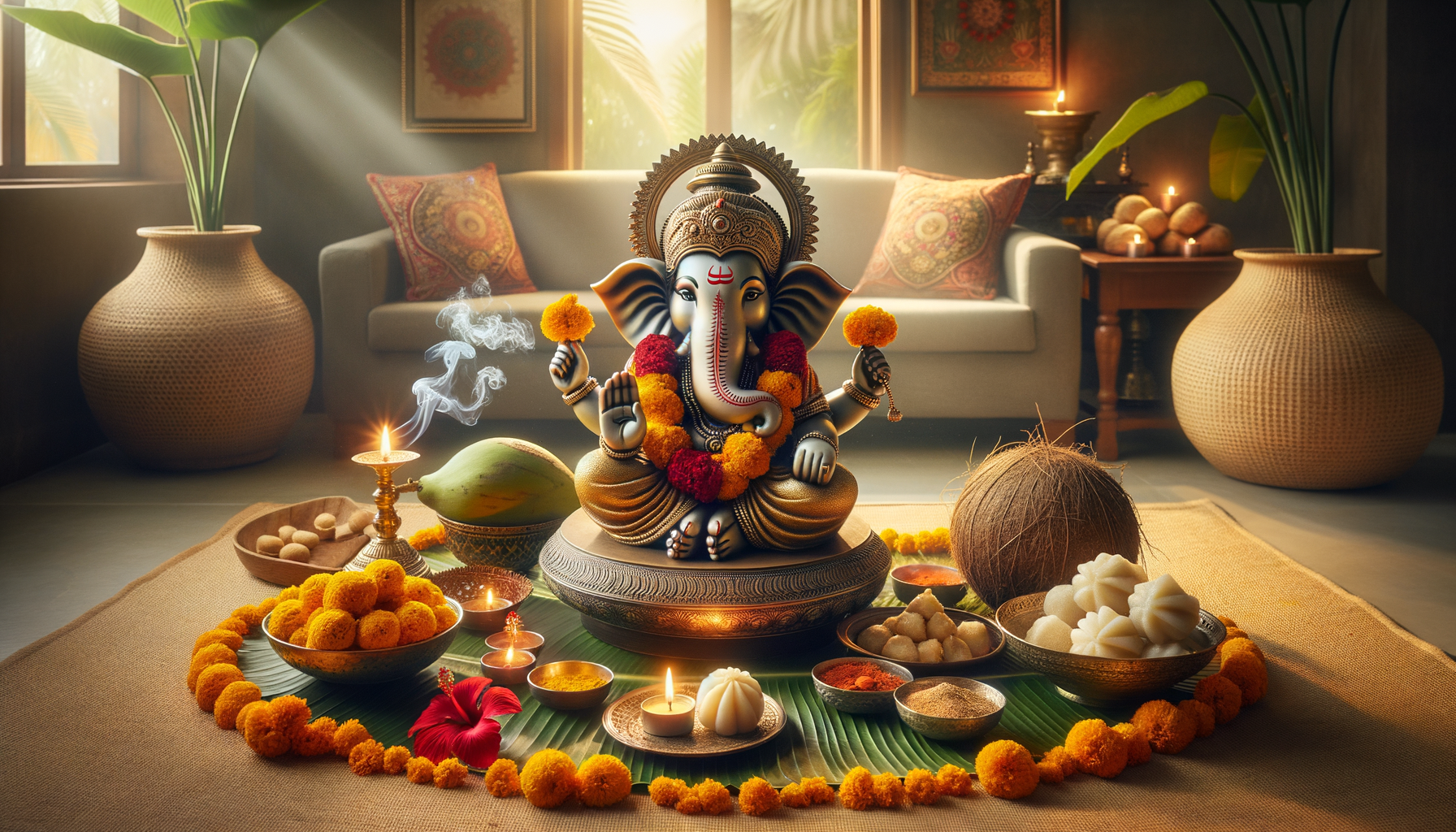
Customary observances include vrata (fasting) by many devotees, early morning snana (purificatory bath), and the worship of Ganesha with durva grass, red flowers, modak, sesame (til) and jaggery offerings. Recitation of Ganesha stotrassuch as Ganesha Ashtottaraand the mantra “Om Gam Ganapataye Namah” are common. Temples often conduct special abhisheka, archana, and collective bhajan sessions, reinforcing a spirit of devotion and social harmony.
Regional traditions in Maharashtra and the Konkan belt reflect seasonal customs associated with Magha, including the sharing of til–gul (sesame–jaggery) preparations and simple, home-centered pujas that emphasize gratitude and new beginnings. In parts of Karnataka and Goa, devotees visit prominent Ganpati temples and participate in communal worship, while households perform dignified, minimalist rituals that focus on study, prayer, and service.
From a calendrical perspective, Maghi Ganesha Jayanthi aligns with the Chaturthi tithi of the Shukla Paksha in Magha. While exact local muhurta may vary by location, traditional guidance favors performing puja during the daytime when Chaturthi prevails. Communities typically consult the regional Panchang for localised timings while retaining the shared core of the observance: reverence, self-discipline, and devotion to learning.
Practical home observance may include preparing a clean altar with an image or murti of Lord Ganesha, offering modak or other sattvic sweets, lighting a lamp, and reading passages that highlight Ganesha’s qualitiesviveka (discernment), medha (intellect), and karuna (compassion). Many households dedicate the day to new studies, ethical resolves, and acts of seva, aligning personal intentions with community upliftment.
Beyond religious ritual, the cultural ethos of Ganesh Jayanti emphasizes fresh startscommencing studies, planning community initiatives, or setting intentions for ethical living. In this way, Ganesh Jayanti supports a living tradition where devotion complements duty (dharma), and spiritual insight harmonizes with social responsibilityan ideal shared across dharmic paths.
In summary, Ganesh Jayanti 2026 (Maghi Ganesha Jayanthi) on Thursday, 22 January, offers a meaningful occasion to honor Lord Ganesha with clarity, devotion, and cultural rootedness. The festival’s observances across Maharashtra, Karnataka, and Goa reflect a common thread: aligning knowledge with humility, and devotion with service, for personal and collective well-being.
Inspired by this post on Hindu Pad.