-
Lakshmi Ganapati in the 32 Forms: Tantric Iconography, Sacred Symbolism, and Meaning

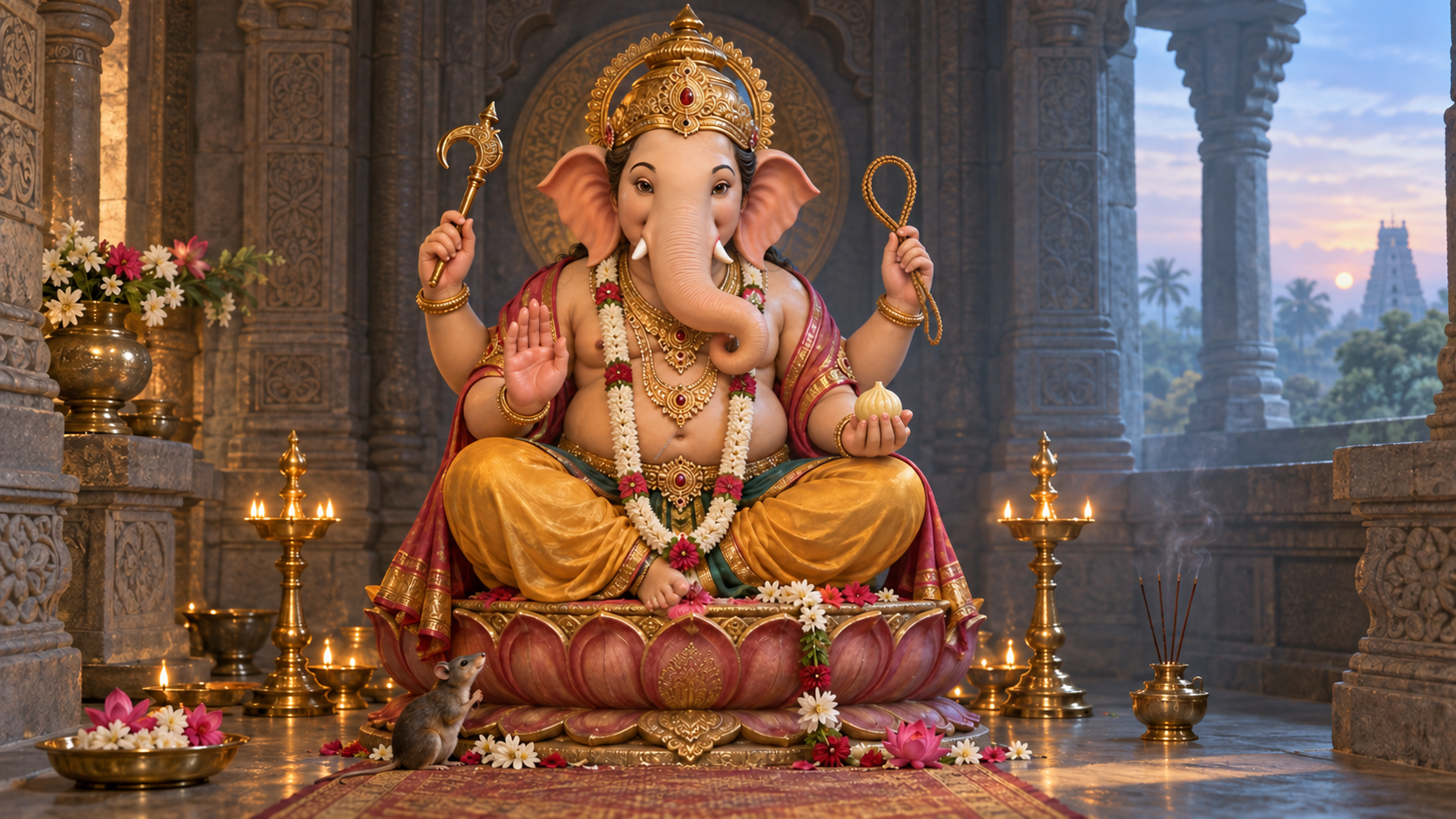
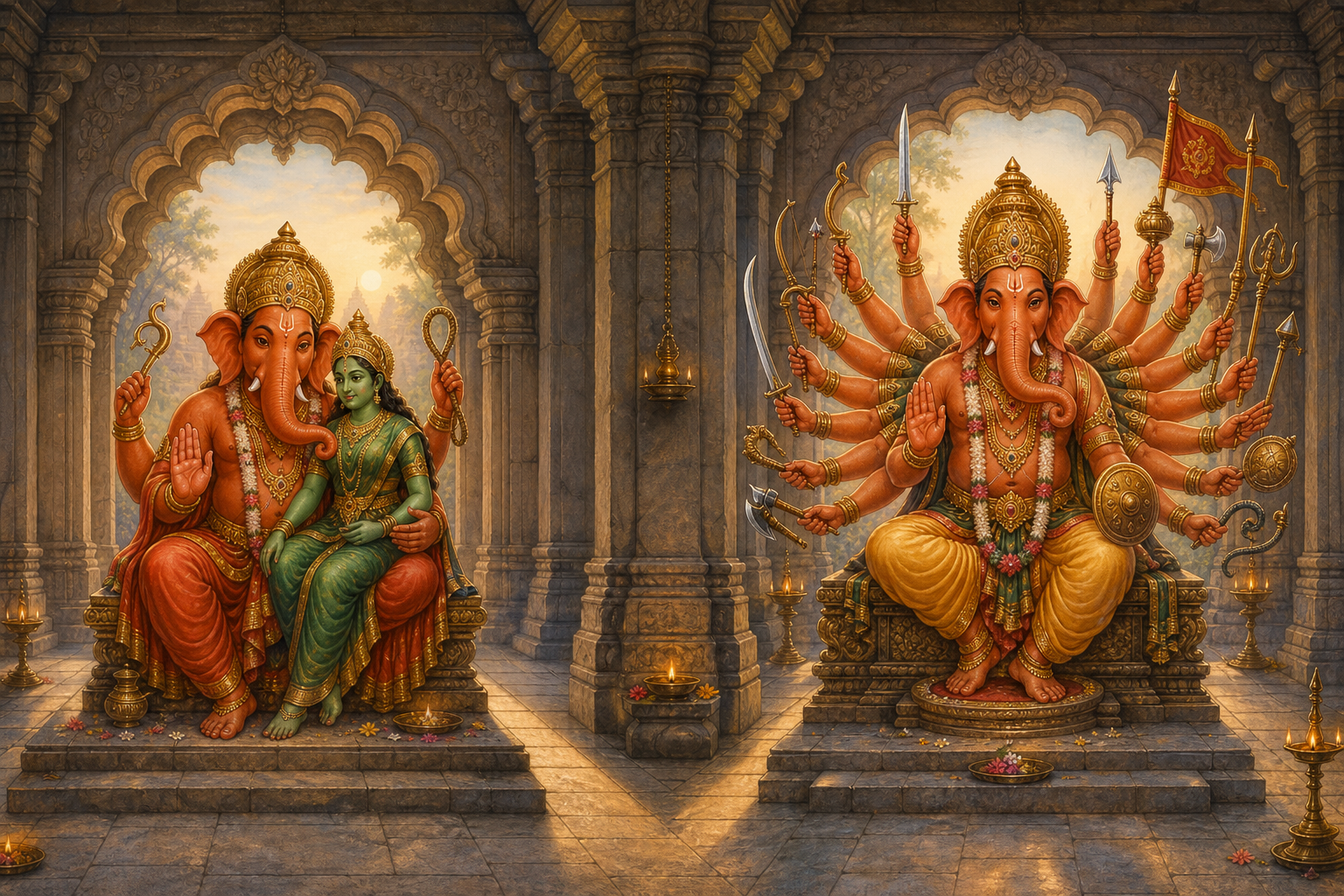
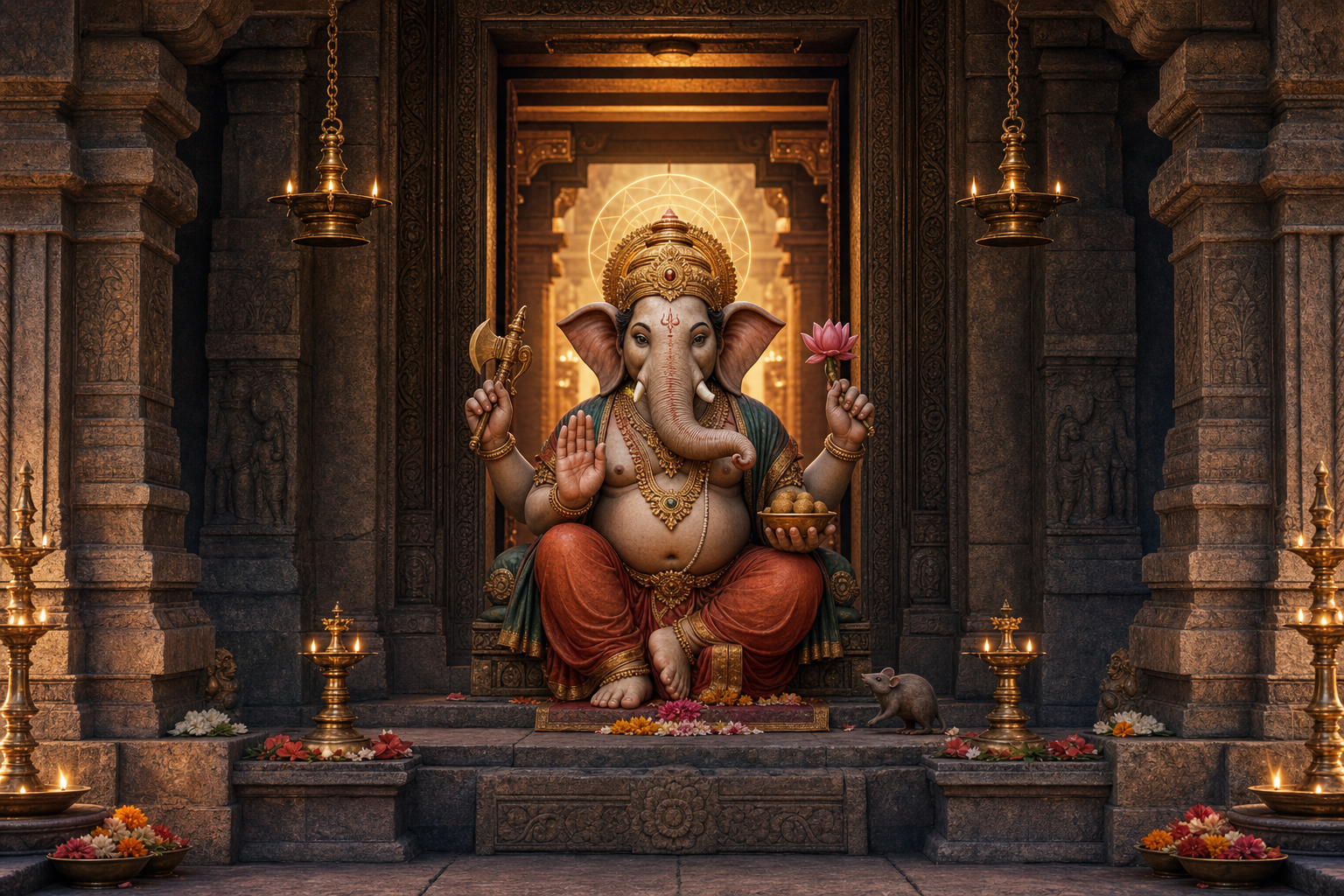
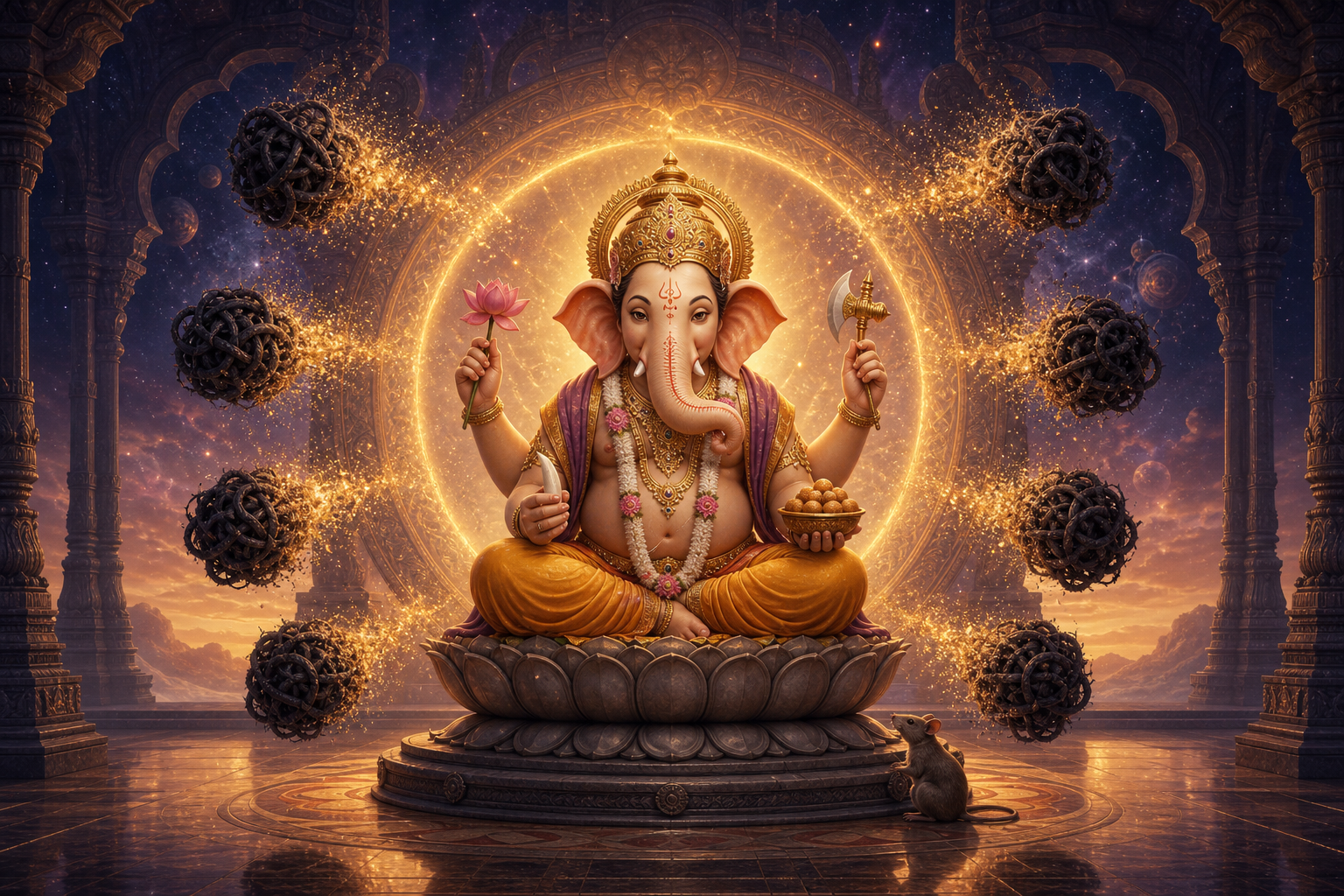
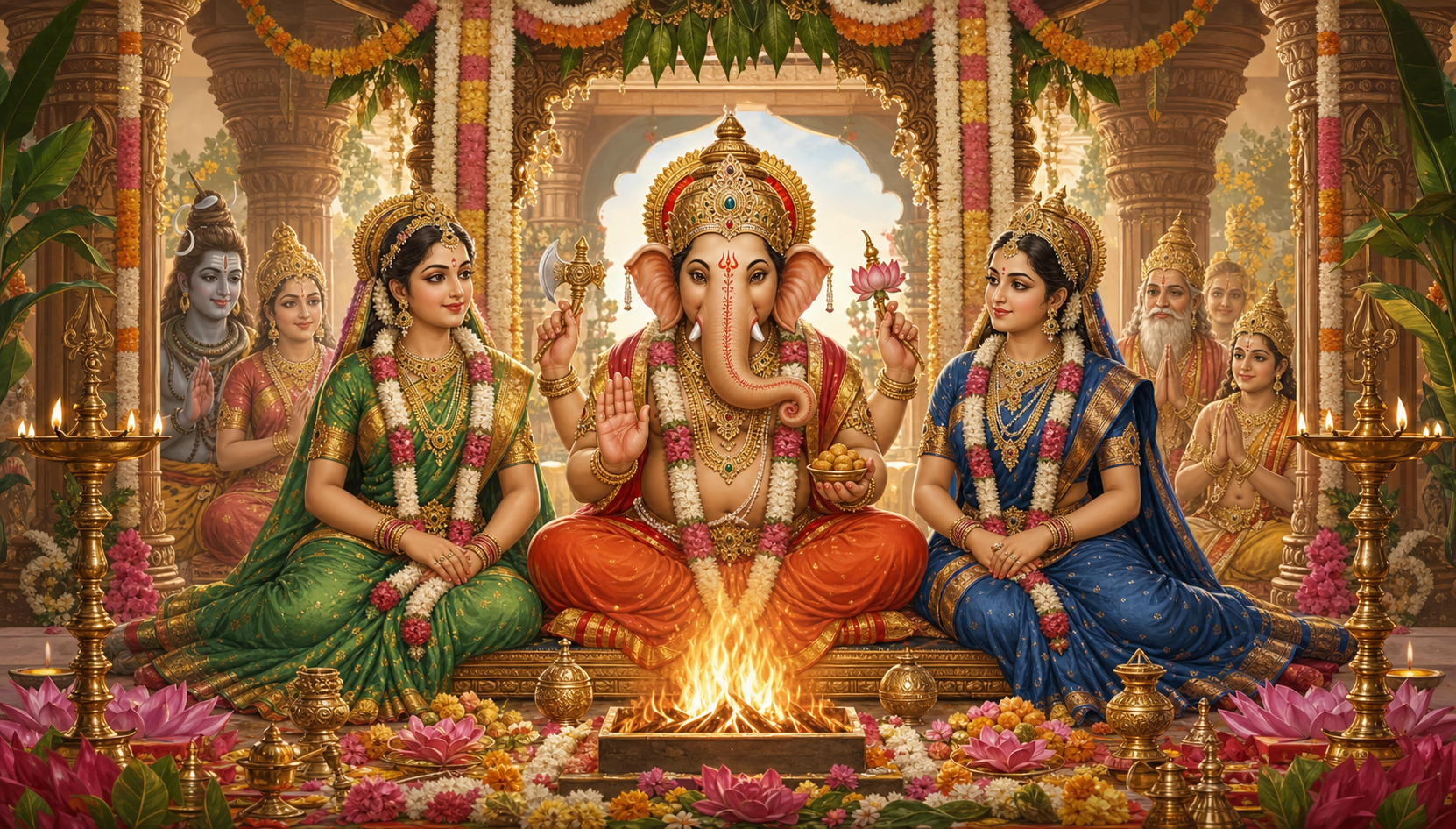
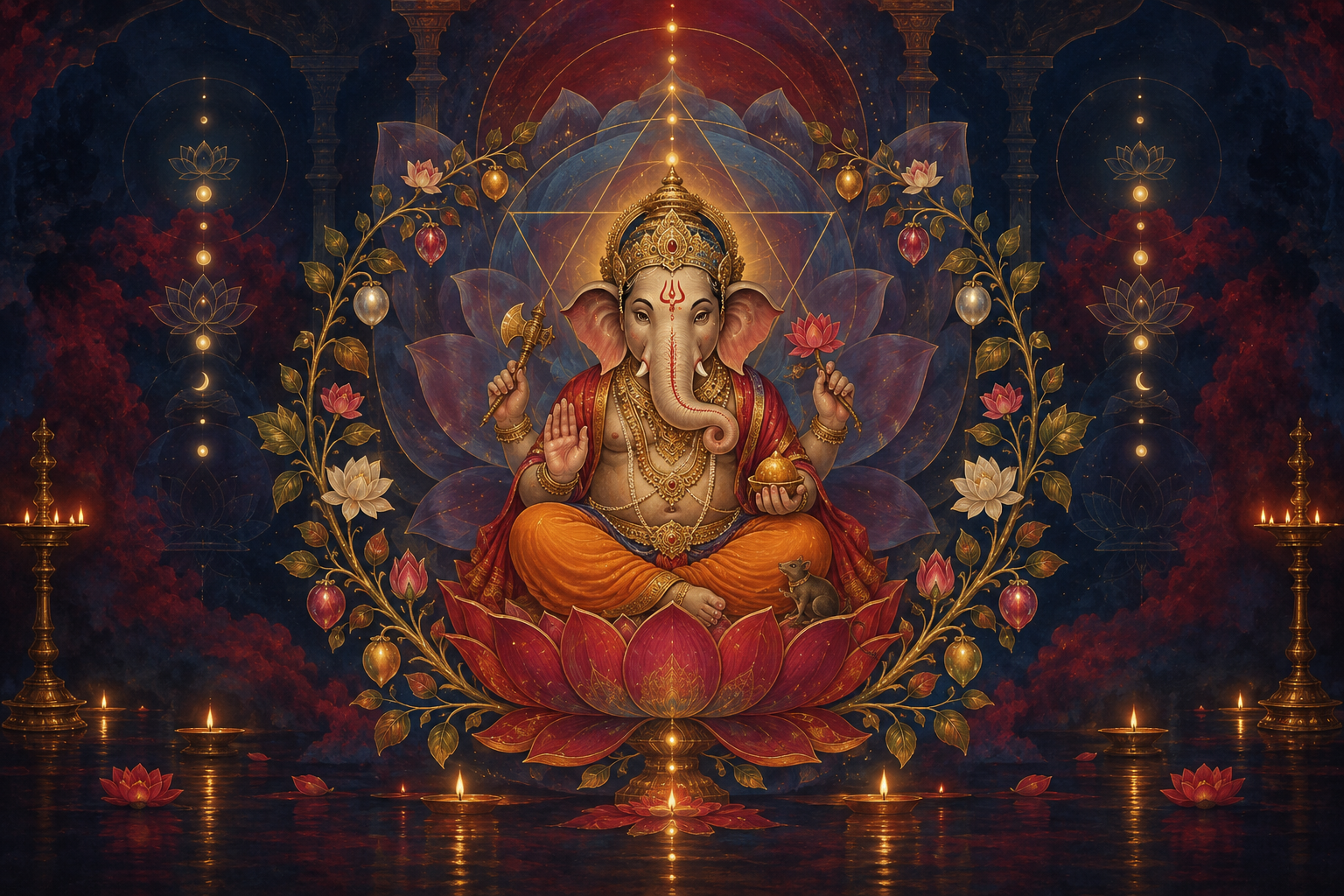
Lakshmi Ganapati—one of Ganesha’s thirty-two forms—embodies the sacred union of wisdom and prosperity within a Tantric and puranic framework. This in-depth guide clarifies that the name denotes Ganesha infused with Lakshmi-tattva, often attended by Siddhi and Riddhi, rather than a substitution with Goddess Lakshmi. Readers will learn how each attribute—pasha, ankusha, ratna-kumbha, modaka, and lotus—maps…
-
The Parashu in Hindu Iconography: A Definitive Guide to Form, Theology, and Dharmic Unity

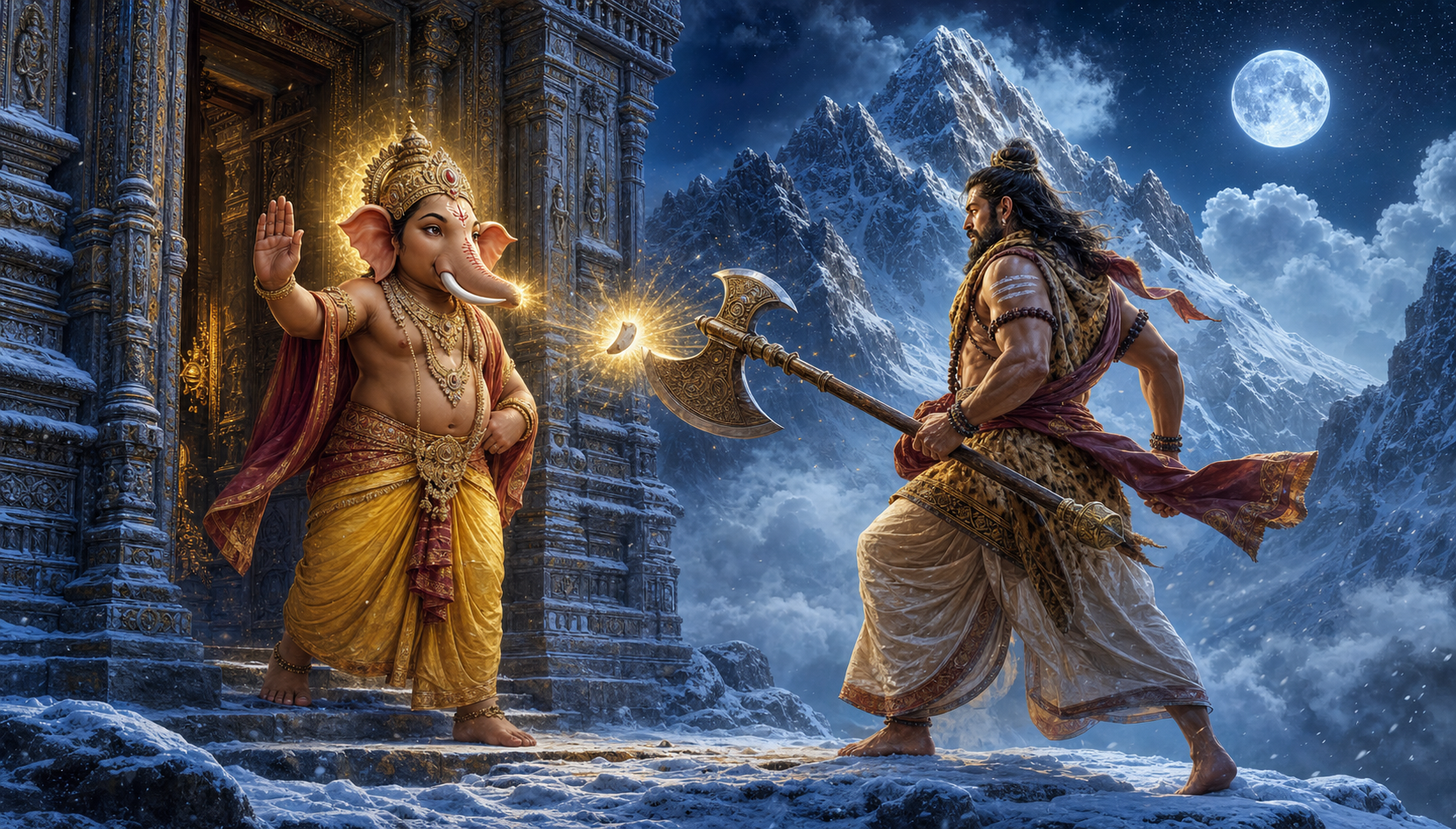
The parashu (paraśu), or sacred battle axe, condenses Hindu theology of force, restraint, and renewal into a single powerful ayudha. This long-form guide explains how to recognize the parashu in Hindu Sculptures, details its associations with Shiva, Ganesha, Durga, and Parashurama, and situates it within the ethics of Kshatra and dharma-yuddha. It connects scriptural narratives…
-
Sankashti Chaturthi June 2026: Date, Moonrise Rituals, Puja Vidhi & Deep Significance

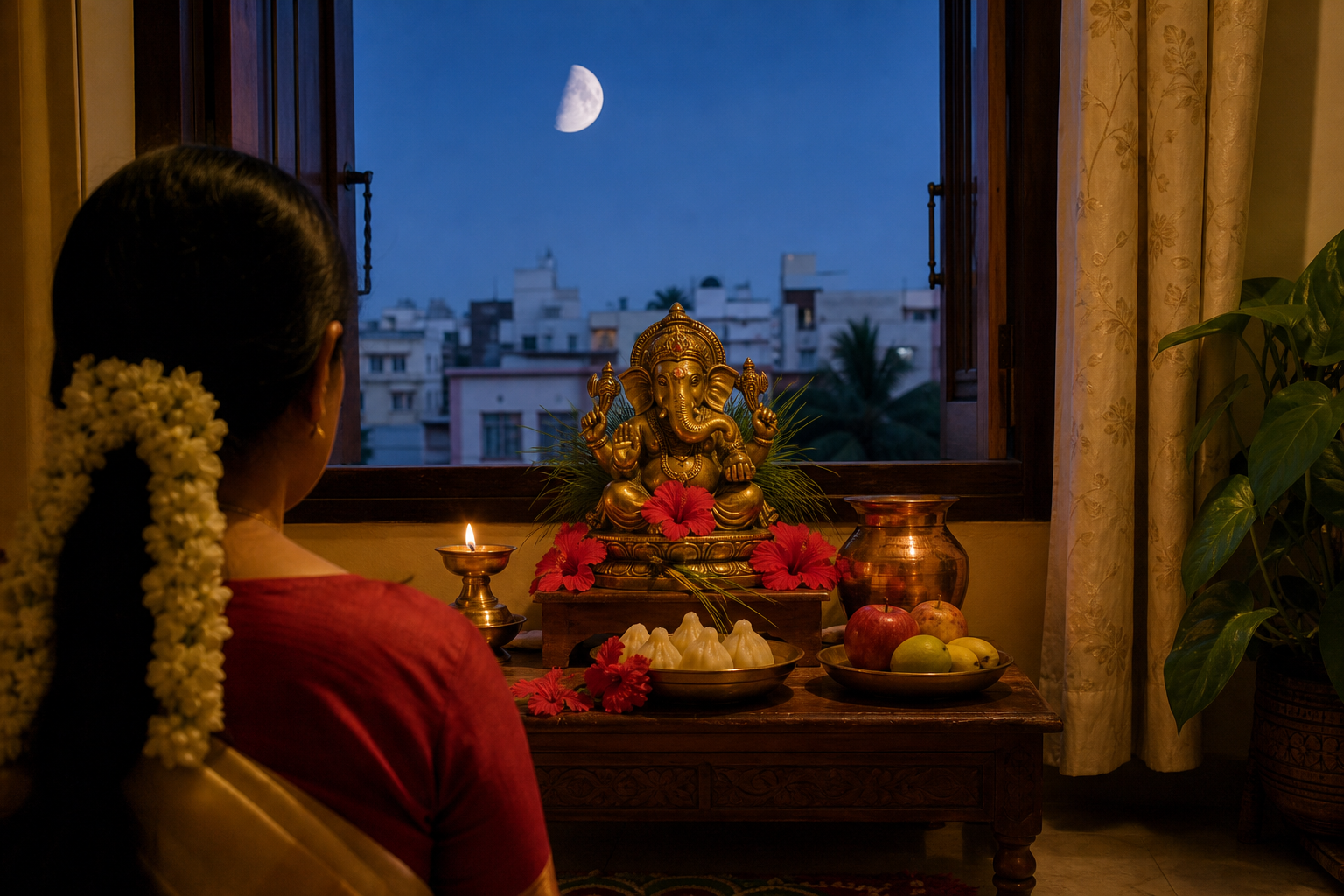
Sankashti Chaturthi in June 2026 falls on Wednesday, June 3, aligning with the Krishna Paksha Chaturthi of Adhika Jyeshta Mahina in North Indian Hindi calendars. The vrat is kept with the tithi-at-moonrise rule, so local moonrise times determine when the fast is concluded. Traditional puja vidhi includes sankalpa, stotra recitation—especially the Sankashta Nashana Ganapati Stotra—offerings…
-
Brazil’s First Ganesha Consecration? Indian Envoy Joins Sacred Pran Pratishtha in Petrópolis

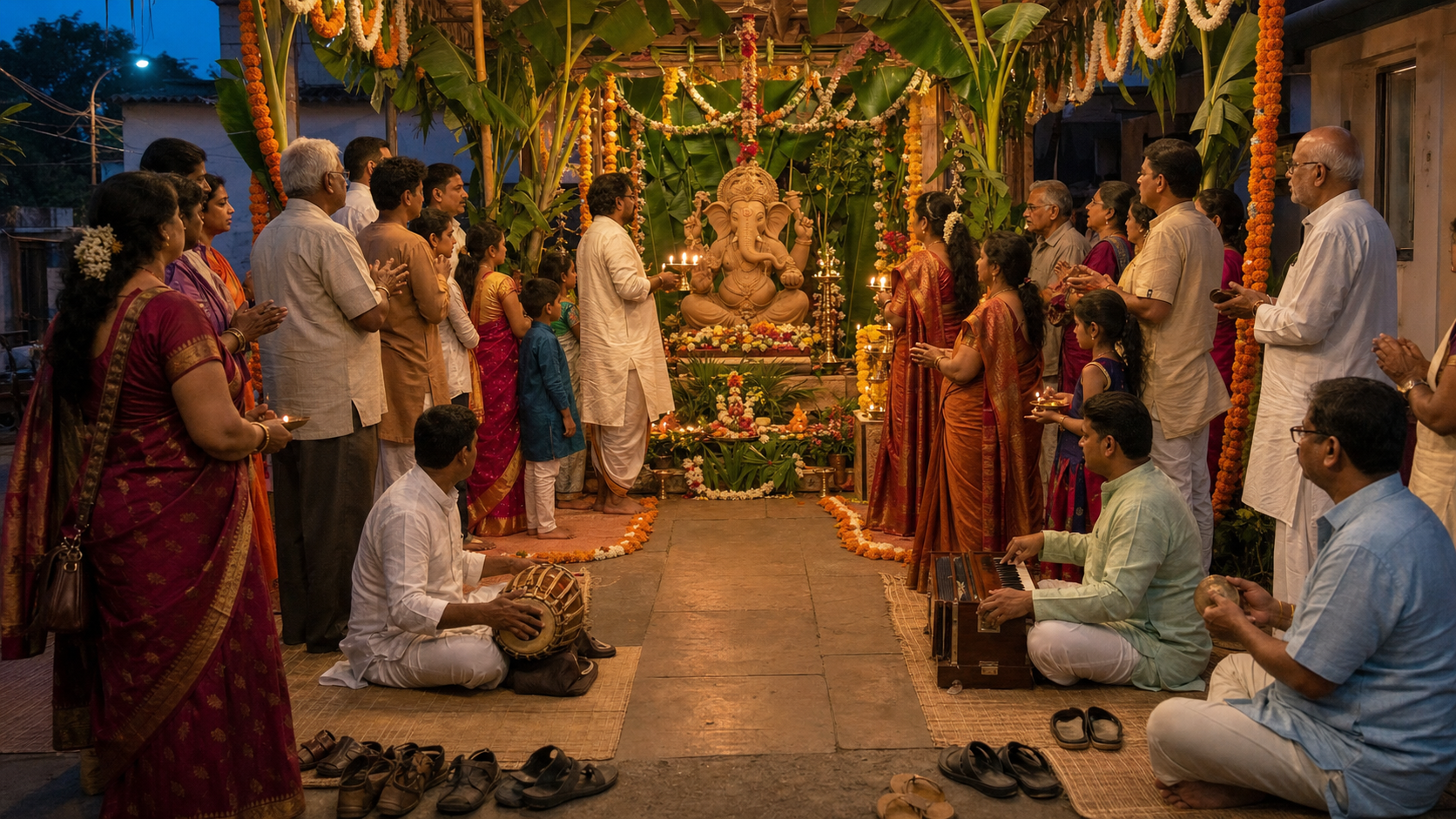
Indian Ambassador Dinesh Bhatia joined Brazilian teacher Jonas Masetti in Petrópolis for a widely noted Pran Pratishtha of a Lord Ganesha murti, marking a milestone for Hinduism in Brazil. Readers will learn what Pran Pratishtha is, how Agama Shastra and Shilpa Shastra guide the rite, and why Ganesha’s symbolism suits the inauguration of sacred spaces…
-
Panchamukhi Ganapati Explained: Five Faces, Five Elements, and Mastery of the Senses

Panchamukhi Ganapati symbolizes the integration of the five elements and the five senses, aligning personal practice with Vedic cosmology. Drawing on the Ganapati Atharvashirsha, this exploration shows how Ganesha is identified with Earth, Water, Fire, Air, and Ether. The five faces are read as guardians of perception, action, and awareness, mapped by many iconographers to…
-
Decoding Panchamukhi Ganapati: Five Faces that Harmonize Elements, Senses, and Self

This in-depth exploration decodes Panchamukhi Ganapati as a five-faced synthesis of the five senses and the five great elements. It clarifies the classical mapping of indriyas to pancha mahabhuta and shows how the image guides pratyahara and allied yogic practices. Readers encounter multiple scholarly interpretations, from pancha prana and Pancha Kosha Viveka to the fivefold…
-
Why Hindu Gods Ride Animals: The Profound Symbolism Behind Ganesha’s Mouse and Skanda’s Peacock

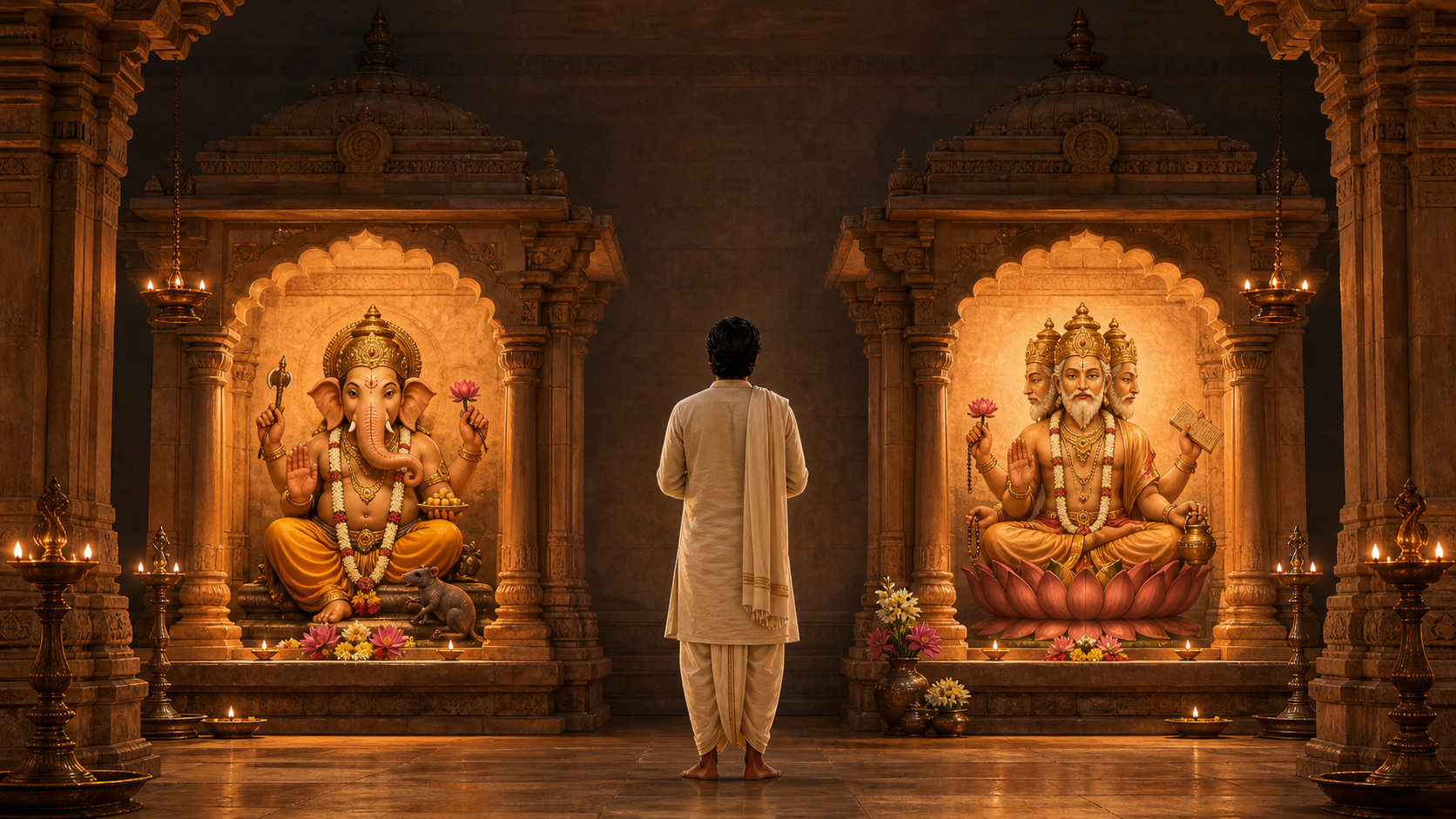
Why do Hindu gods ride animals such as Ganesha’s mouse and Skanda’s peacock? In Hindu iconography, vāhanas are a precise symbolic language codified in Purāṇas, Āgamas, and śilpa-śāstra that maps each deity’s ethical and cosmological function. Animals personify instincts and forces that the deity harmonizes, teaching that spiritual mastery begins with taming subtle habits. Case…
-
18 Research-Backed Facts about Ganesha: Iconography, Mantras, Festivals, and Global Legacy

This comprehensive, research-grounded guide presents 18 essential facts about Ganesha—his Puranic origins, rich iconography, mantras, and threshold role as Prathama Pujya. Readers will learn how symbols such as the goad, noose, modaka, and the mouse vahana communicate psychological discipline and ethical intent. The overview explains the eight incarnations (Mudgala Purana), monthly observances like Sankatahara Chaturthi,…
-
18 Research-Backed Insights on Ganesha: Timeless Symbols, Mantras, and Global Legacy

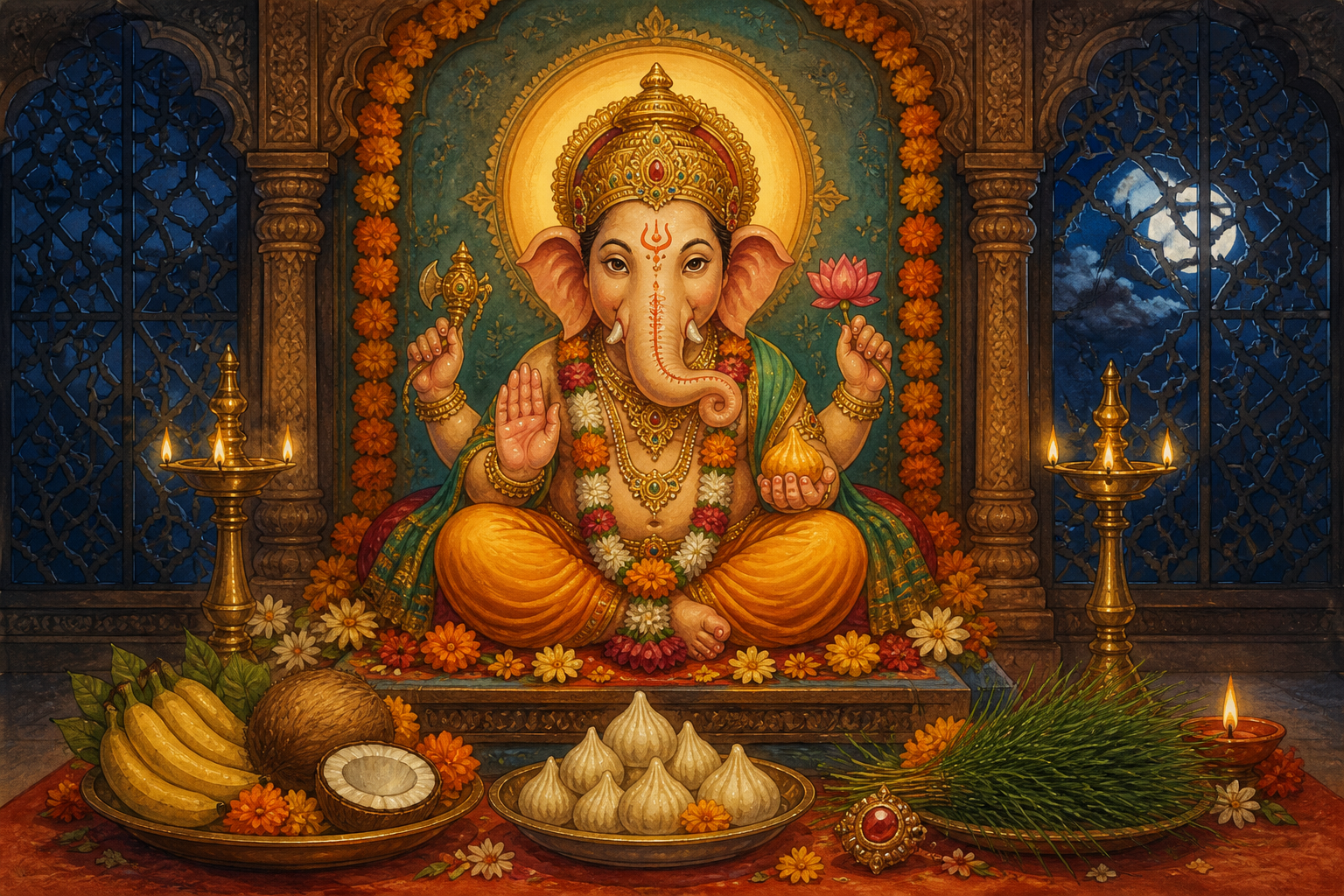
Ganesha (Vinayaka, Vighneshwara, Ganapati) is first invoked in Hindu ritual as the remover of obstacles and guardian of auspicious beginnings. This long-form, research-informed overview presents 18 key facts that cover scripture (Ganapati Atharvashirsha, Mudgala Purana), iconography (elephant head, Ekadanta, Mushika vahana), ritual elements (durva grass, modaka), festivals (Ganesh Chaturthi, Masik Sankashti), and mantras such as…
-
From Nataraja to Raas Leela: The Awe-Inspiring Science, Symbolism, and Legacy of Divine Dance

Divine dance in the dharmic traditions is a precise language of cosmology and devotion. This article explains Shiva as Nataraja with technical iconography (damaru, agni, abhaya, Apasmara) and maps his pañcha-kṛtya to movement, clarifying how sound (nada) and rhythm underpin Sanskrit and ritual. It situates Bharatanatyam, Odissi, Kuchipudi, Kathak, Mohiniyattam, Sattriya, Chhau, Yakshagana, Chakyar Koothu,…
-
Vamavarti Ganesha Explained: Auspicious Left-Trunk Form, Symbolism, Rituals, Benefits

Vamavarti Ganesha (Vamavarta Ganapati) is the left-trunk form of Shri Ganesha revered as gentle, auspicious, and ideal for household worship. The leftward curve aligns with the lunar Ida nadi, symbolizing cooling, sattvic energies that nurture calm, clarity, and family harmony. Traditional practice links this form with smoother beginnings, steadier learning for children, and the softening…
-
Sankashti Chaturthi April 2026: Vikata Vrat Date, 9:50 PM Moonrise, Definitive Puja & Panchang Guide

Sankashti (Sankashtahara) Chaturthi in April 2026 occurs on Sunday, 5 April 2026, during Chaitra Krishna Paksha and is observed as Vikata Sankashti Chaturthi. The fast concludes at moonrise, expected around 9:50 PM in India, with exact times varying by location and confirmed through the local Panchang. The observance follows the Chandrodaya-vyapini rule, prioritizing the day…
-
Powerful Vikata Sankashti Chaturthi, 5 April 2026: Moonrise 9:50 PM, Puja and Vrat Guide

Sankashti Chaturthi in April 2026 occurs on Sunday, 5 April 2026, as Krishna Chaturthi in Chaitra and is observed as Vikata Sankashti Chaturthi. Moonrise for concluding the fast is noted at 9:50 PM IST, with local variations to be confirmed via a reliable Panchang. The vrata emphasizes disciplined worship of Shri Ganesha—offerings of durva, modak,…
-
Mudgala Purana Decoded: Timeless Ganesha Wisdom, Eight Incarnations, and Why It Matters

The Mudgala Purana, a revered upapurāṇa, offers a focused and sophisticated theology of Gaṇeśa that unites story, ritual, and ethics. Central to its legacy are the eight incarnations of Ganesha, each conquering a specific inner vice and modeling a virtue—an elegant map for practical transformation. Textual features such as dialogical framing, symbolic attributes (tusk, modaka,…
-
Akshaya Tritiya’s Eternal Blessings: Scriptural Events, Shared Dharma, and Timeless Charity

Akshaya Tritiya, observed on Vaishakha Shukla Tritiya, is celebrated across dharmic traditions as a day of inexhaustible merit and compassionate action. Hindu scriptures connect it with Parashurama Jayanti, the Akshaya Patra narrative in the Mahabharata, Annapurna’s alms to Shiva, and the traditional commencement of Vyasa’s dictation to Ganesha. Popular associations also include the spirit of…
-
Chengalvaraya Swami Temple, Thiruthani: History, Architecture, and Darshan Guide

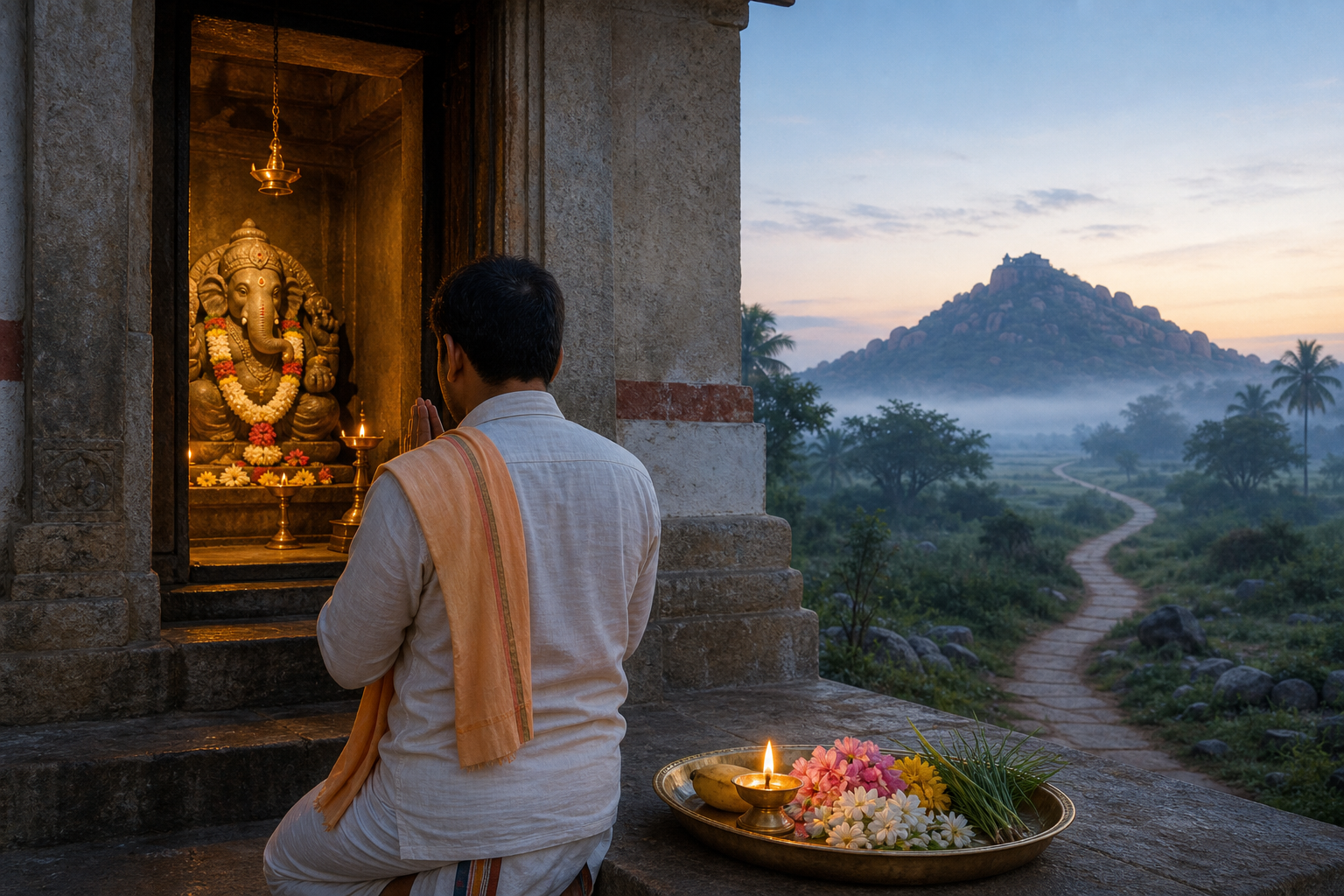
Arulmigu Sri Chengalvaraya Swami Temple in Thiruthani is a serene hill-side sanctuary located behind the renowned Thiruthani Murugan Temple in Tamil Nadu’s Tiruvallur district. The address is Sri Chengalvaraya-Sengashuneer Vinayagar Sannidhi Temple, Kasthuribai St, KK Nagar, Thiruthani Hill, Tamil Nadu 631209, enabling an easy combination of darshans in one ascent. The precinct includes Sri Sengashuneer…
-
Navratri 2026 Day 4 Guide: Kushmanda Pujan, Varad Vinayak Chaturthi, and Dashain Insights

Navratri 2026 features two interconnected observances around Day 4 that are determined by the lunar tithi at sunrise. The 4th day of Sharad Navratri falls on 14 October 2026 (Ashwin Shukla Chaturthi) and is devoted to Maa Kushmanda. In the spring cycle, 22 March 2026 aligns with the 3rd day of Chaitra Navratri in many…
-
Rajarshi Mudgala’s Timeless Legacy: The Mudgala Purana, Ganesha’s Eight Avatars, and Puja Vidhi

Rajarshi Mudgala is remembered as a Kshatriya sovereign who attained rishihood through intense tapas and is traditionally linked to the Mudgala Purana, a Ganesha-centered Upapurana. The text offers a lucid map of devotion to Vighneshwara, weaving myth, vrata guidance, mantra-vidhi, puja, and homam into a practical manual. Its hallmark is the teaching on Ganesha’s eight…
-
Siddhidata Ganesha’s Right‑Coiled Trunk: Sacred Discipline, Temple Protocols, and Home Guidance

Siddhidata Ganesha’s right‑coiled trunk (dakshinavarti) carries a potent, solar symbolism that calls for strict, temple‑grade discipline. This long‑form guide explains why many traditions advise keeping such forms in temples or in homes only where steady nitya‑puja and satvika living are realistically sustained. It clarifies the pranic rationale (Ida–Pingala–Sushumna), summarizes Shilpa Shastra and Agama perspectives, and…