-
Temple Lands at Risk? Why Maharashtra’s 2026 Devasthan Inams Draft Act Alarms Dharmic Bodies

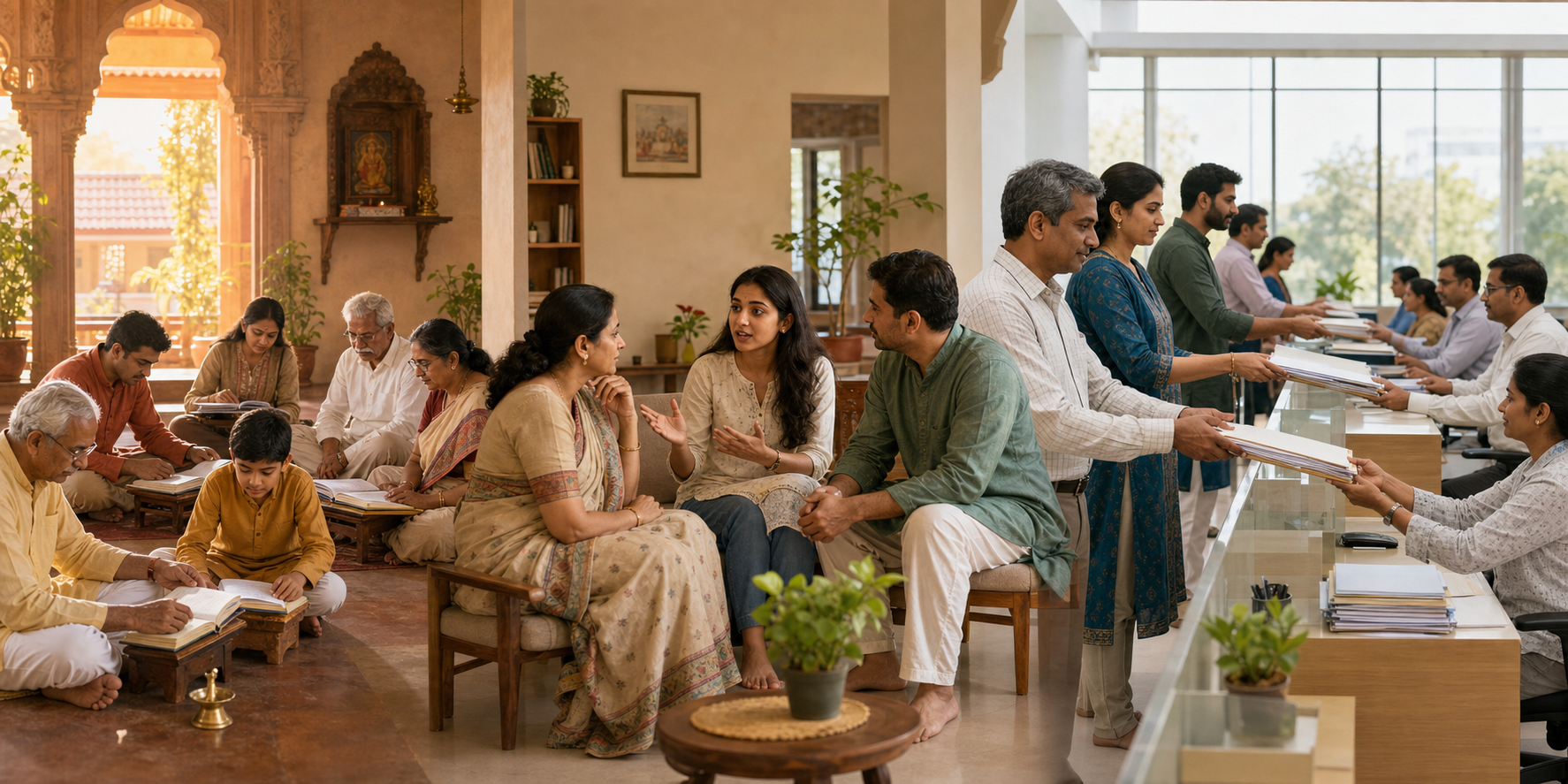
Maharashtra’s proposed Devasthan Inams Abolition Draft Act, 2026 has raised alarms among temple trusts and dharmic institutions that rely on endowment-backed revenues for worship, welfare, and heritage conservation. This analysis clarifies what devasthan inams are, why they matter to community life across Hindu, Buddhist, Jain, and Sikh traditions, and how constitutional safeguards under Articles 25,…
-
Safeguarding Vishalgad’s Sanctity: Heritage-First Legal Review of Rehan Malik’s Urs

Hindu Ekta Andolan’s appeal regarding the Urs of Rehan Malik at Vishalgad Fort raises a conservation and public-safety question rather than a dispute of faith. This analysis explains Vishalgad’s historical significance, outlines how heritage and environmental laws apply, and details the conservation science behind crowd-induced stress on fragile masonry. It clarifies the meaning and practices…
-
Mira Road on Edge Before Bakri Eid: Urgent Call for Dialogue, Lawful, Humane Solutions

Ahead of Bakri Eid (Eid-ul-Aazha), Mira Road faces rising tensions over temporary goat sheds and the prospect of public sacrifice in housing societies. This article maps the legal and civic terrain—covering constitutional protections, municipal by-laws, animal welfare norms, and housing society rules—while offering a practical, peace-first roadmap. It argues against provocative counter-actions, including introducing pigs…
-
Maharashtra Temple Trusts Slam ‘Devasthan Inam Abolition Act 2026’, Seek Equal, Transparent Rules

A statewide conclave of trustees and community voices in Maharashtra has opposed the proposed ‘Devasthan Inam Abolition Act 2026,’ asking why Devasthan temple lands appear targeted while other religious endowments are treated differently. The discussion clarifies what Devasthan inam lands are, why they matter to worship, welfare, and heritage, and how constitutional safeguards under Articles…
-
Safeguard Residents’ Health: End Illegal Animal Slaughter in Housing Societies this Bakri Eid

Illegal animal slaughter in housing societies during Bakri Eid raises significant public-health, environmental, and legal concerns in Maharashtra’s urban clusters, including Mira-Bhayandar. Judicial directives and municipal by-laws require slaughter only in licensed slaughterhouses with veterinary oversight; violations can contaminate water, overload drains, and spread pathogens. This analysis details the central and state legal frameworks—PCA Act…
-
Kalaram Mandir, Nashik: Sacred Origins, Peshwa-Era Grandeur, and the Legacy of Panchavati

Kalaram Mandir in Panchavati, Nashik, is a landmark of Rama-bhakti and Peshwa-era craftsmanship renowned for its black stone murti of Bhagavan Sri Rama with Mata Sita and Lakshmana. Local tradition venerates the deity as swayambhu, with the temple’s late-18th-century construction attributed to Sardar Rangarao Odhekar. Set within the Ramayana-rich landscape of Ramkund, Sita Gufa, and…
-
Maharashtra’s Devasthan Inam Abolition Draft Act 2026: Why Temple Lands Must Be Protected Now

Maharashtra’s Devasthan Inam Abolition Draft Act 2026 seeks to alter how temple and other dharmic institutions sustain religious and charitable work by targeting endowed lands. Devasthan inams historically funded daily worship, festivals, and social services; abolishing them risks fragmenting sacred endowments and destabilizing predictable income. The constitutional framework—particularly Article 26—protects denominational autonomy to own and…
-
Inside BJP’s Power Shift: Hardline Hindutva, Regional Titans, and 2026 Governance

BJP’s leadership strategy now privileges regionally rooted figures aligned with a more assertive Hindutva program. This analysis explains the organizational logic behind that shift, the policy agenda it advances—UCC, anti-conversion statutes, law-and-order emphasis, and cultural heritage stewardship—and how delivery-oriented governance underpins the model. It assesses state-level prototypes in Uttar Pradesh, Assam, Gujarat, and Maharashtra while…
-
Miraj Temple Trust Land Encroachment Halted: Authorities Seal Site, 30‑Day Resolution Sought

Authorities in Miraj halted unauthorized construction on Shri Dnyangiri Swami Maharaj Trust land and sealed the site, initiating a due-process pathway for resolution. The legal framework—including Article 26 of the Constitution, the Bombay Public Trusts Act, 1950, and the MRTP Act, 1966—supports firm, fair enforcement against encroachment. Community representatives have requested complete removal of the…
-
Shahuwadi Tehsildar Office Toilets: Hindu Vidhidnya Parishad Demands Urgent, Dignity-Centered Steps

Hindu Vidhidnya Parishad has sought urgent remediation of unhygienic public toilets at the Shahuwadi Tehsildar office in Kolhapur, placing public health and dignity at the center of the discussion. The issue engages constitutional protections for sanitation under Article 21 and long-standing Supreme Court guidance on abating public health nuisances. National standards (Swachh Bharat Mission, National…
-
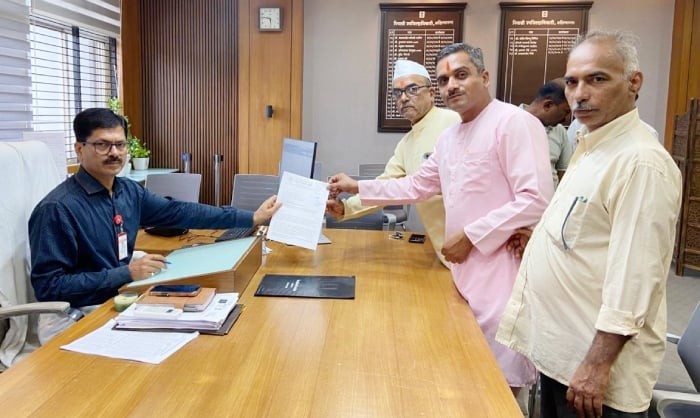
Mandir Mahasangh’s Statewide Drive Challenges Maharashtra Devasthan Inam Abolition Draft 2026

Mandir Mahasangh has launched a statewide memorandum campaign opposing the Maharashtra Devasthan Inam Abolition Draft Act 2026, bringing temple autonomy and dharmic heritage to the forefront of policy debate. This analysis explains what Devasthan inams are, why abolition frameworks can affect core religious and charitable functions, and how Articles 25 and 26 shape constitutional limits…
-
Satara Hindu groups seek decisive legal action to protect legacy of Rashtraguru Samarth Ramdas

Representatives of pro-Hindu groups in Satara have sought decisive, lawful action against derogatory and unverified claims about Rashtraguru Samarth Ramdas Swami. The report explains why such appeals matter for cultural heritage, outlines the legal framework balancing free speech and public order, and clarifies relevant IPC provisions and due process. It highlights the civic role of…
-
Landmark relief for commuters: Maharashtra to cap private bus fares, regulate online aggregators

Maharashtra has announced a landmark plan to cap private bus fares and regulate online travel aggregators, responding to Surajya Abhiyan’s sustained advocacy. The initiative leans on strong legal foundations under the Motor Vehicles Act, 1988, and complementary consumer protection and IT rules. Expected provisions include fare bands with indexation, caps on algorithmic surge, upfront all-in…
-
Ulhasnagar Interfaith Marriage Tensions: Legal Rights, Policing Protocols, and Paths to Harmony

Reports from Ulhasnagar on 13 May 2026 describe an alleged post-marriage family altercation linked to an interfaith union; this analysis uses the case as a lens to clarify law, policing, and peacebuilding. Readers will learn how Article 21, landmark Supreme Court rulings, and the Special Marriage Act protect adult choice while guiding authorities to deter…
-
Maharashtra’s Devasthan Land Draft: Legal, Economic, and Cultural Risks for Temples

Maharashtra’s draft policy to transfer Devasthan lands to occupants and tenants raises constitutional, economic, and cultural red flags. Under Articles 26 and 300A, religious endowments enjoy property protections that demand a compelling public purpose and non-illusory compensation, while the Bombay Public Trusts Act requires Charity Commissioner oversight of alienations. Economically, endowment lands are the perpetual…
-
Maharashtra’s Devasthan Land Transfer Row: Legal Risks, Community Fears, and a Sensible Way Forward

The Maharashtra Mandir Mahasangh has warned of a statewide agitation against a proposed law enabling transfers of Devasthan lands, citing fears of land mafia capture and erosion of sacred trusts. This analysis maps the constitutional guardrails (Articles 25, 26, and 300A), the statutory framework of the Maharashtra Public Trusts Act, 1950, and key Supreme Court…
-
Gadhinglaj Outrage: Hindu Organisations Protest Shiroli Pulachi Abuse, Video Circulation

Hindu organisations in Gadhinglaj, Maharashtra staged a peaceful protest after the alleged abuse of a Hindu girl in Shiroli Pulachi and the unlawful circulation of her video. This report explains the socio-legal dimensions of the incident, detailing applicable provisions of the IPC, the POCSO Act (where relevant), and the IT Act. It outlines victim-centric procedures…
-
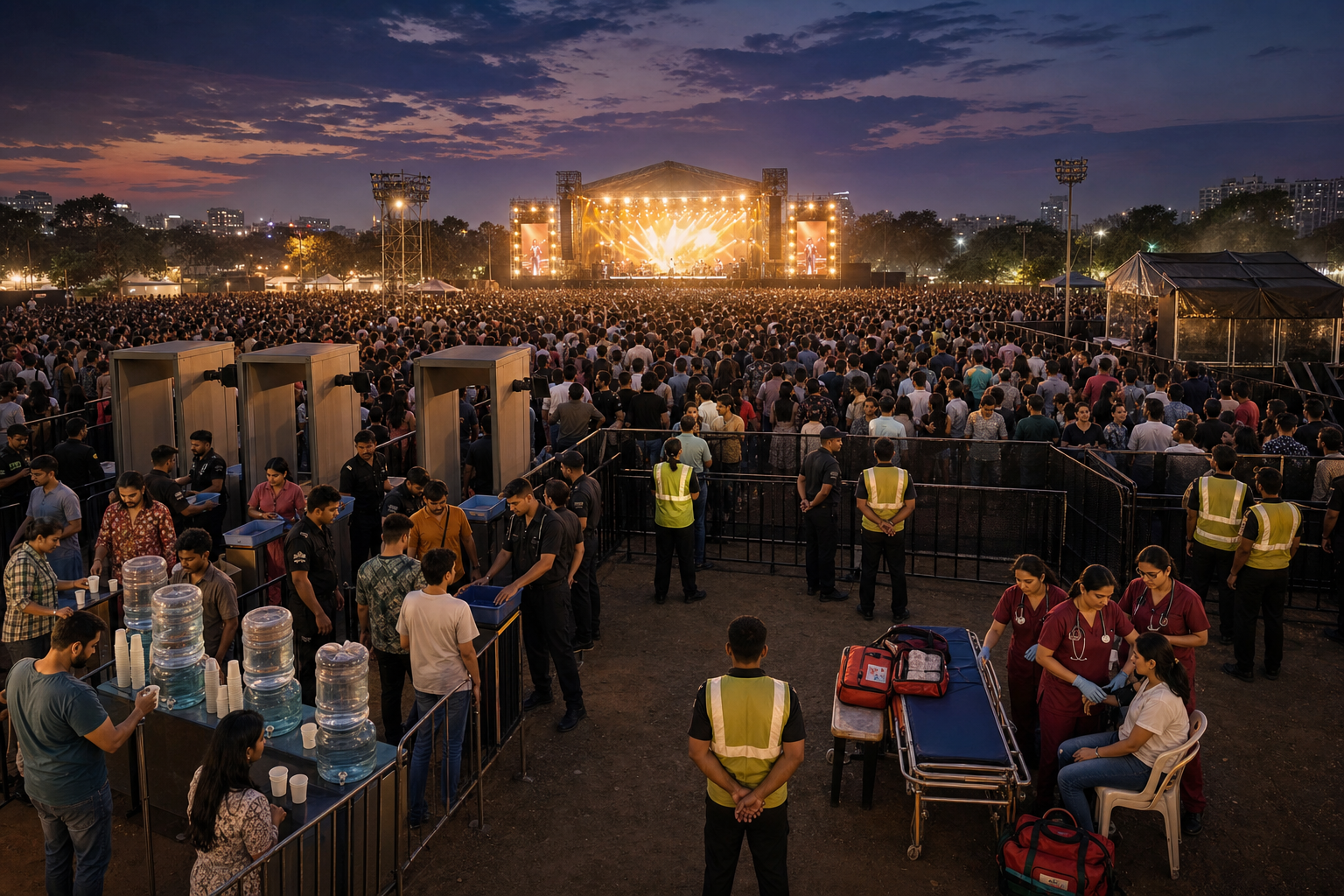
Akola’s Hindu Rashtra-Jagruti Sabha Draws 16,000+: Data-Driven Insights on Dharmic Unity

Over 16,000 participants gathered in Akola, Maharashtra, for the ‘Hindu Rashtra-Jagruti Sabha’ organized by the Hindu Rashtra Samanvay Samiti, underscoring strong civic interest in dharmic values and lawful public assembly. The analysis situates the event within India’s constitutional framework and Maharashtra’s long tradition of community forums. It explains how crowd-science heuristics contextualize reported attendance while…
-
Temple Land Row in Maharashtra: Hindutva Groups Demand Transparent, Devotee‑First Safeguards

A temple land policy debate in Maharashtra has prompted Hindutva organisations to seek clear, transparent safeguards from the BJP-led government. This analysis explains what is at stake for temple endowments, outlines the constitutional boundary between secular regulation and religious autonomy, and summarises key Supreme Court precedents such as Shirur Mutt and Subramanian Swamy. It situates…
-
From Tehsils to Nation: Gau Samman Avahan Abhiyan’s Roadmap to Honor Gaumata as ‘Rashtramata’

The ‘Gau Samman Avahan Abhiyan’ channels reverence into a lawful, evidence-based framework for cow protection and conservation. By submitting detailed memorandums to Tehsildars across Maharashtra and Goa, citizen groups seek tehsil-level coordination, humane animal care, and transparent, data-driven governance. The campaign’s invocation of Gaumata as ‘Rashtramata’ functions as an inclusive civilizational metaphor that unites Hindu,…