
-

Historic Milestone: Italy Affirms Hindu Union, Advancing Dharmic Pluralism and Civic Rights
Read more: Historic Milestone: Italy Affirms Hindu Union, Advancing Dharmic Pluralism and Civic RightsItaly has affirmed the Sanatana Dharma Samgha (Italian Hindu Union) as an official religious denomination under Article 8, consolidating the legal standing of Hindu communities through the Intesa framework. This step translates into practical rights: civil-effects marriages, pastoral care in public institutions, clearer pathways for temples and cultural centers, and transparent governance for recognized entities.…
-

When Shiva Bled: Vamana Purana’s Origin of the Eight Bhairavas and Andhaka’s Fall
Read more: When Shiva Bled: Vamana Purana’s Origin of the Eight Bhairavas and Andhaka’s FallThe Vamana Purana narrates a riveting moment—”when Shiva bled”—to explain how the Eight Bhairavas arose to stop the multiplication of the asura Andhaka and restore cosmic order. Read alongside the Shiva Purana and Skanda Purana, the episode highlights a shared Shakta–Shaiva method: intercept proliferating harm and convert it into insight. The Ashta Bhairavas appear as…
-
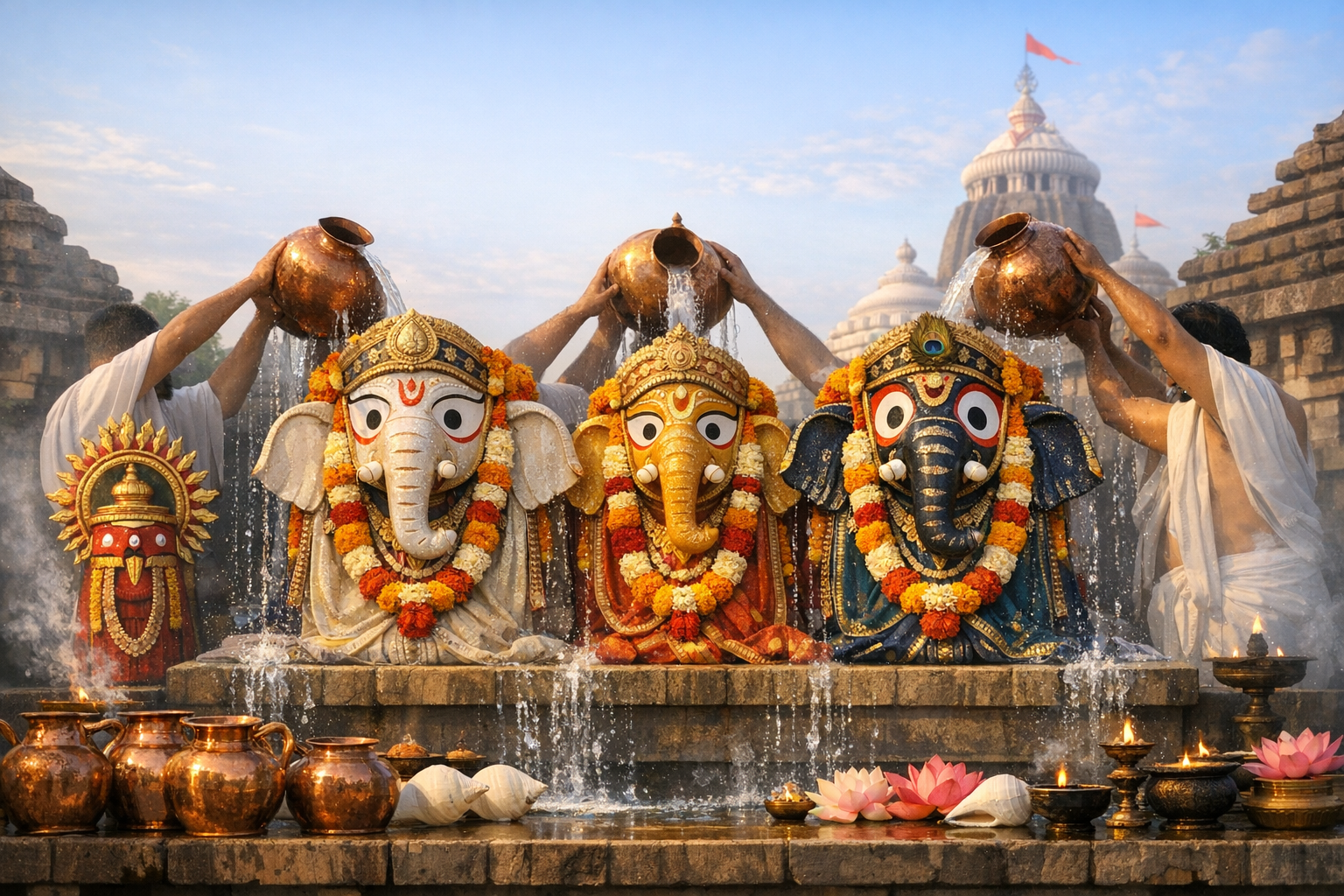
Deva Snana Purnima 2026: Witness Jagannath’s Sacred Bath at Puri—Date, Rituals, Meaning
Read more: Deva Snana Purnima 2026: Witness Jagannath’s Sacred Bath at Puri—Date, Rituals, MeaningDeva Snana Purnima 2026 will be observed on 29 June at Puri Jagannath Temple, marking the public bathing (jalabhisheka) of Jagannath, Balabhadra, and Subhadra with 108 consecrated pitchers. Rooted in Skanda Purana and Srimandir tradition, the festival features the rare Hati Vesha (Gajanana Besha) and inaugurates the Anavasara period before Netrotsava and Ratha Yatra. The…
-
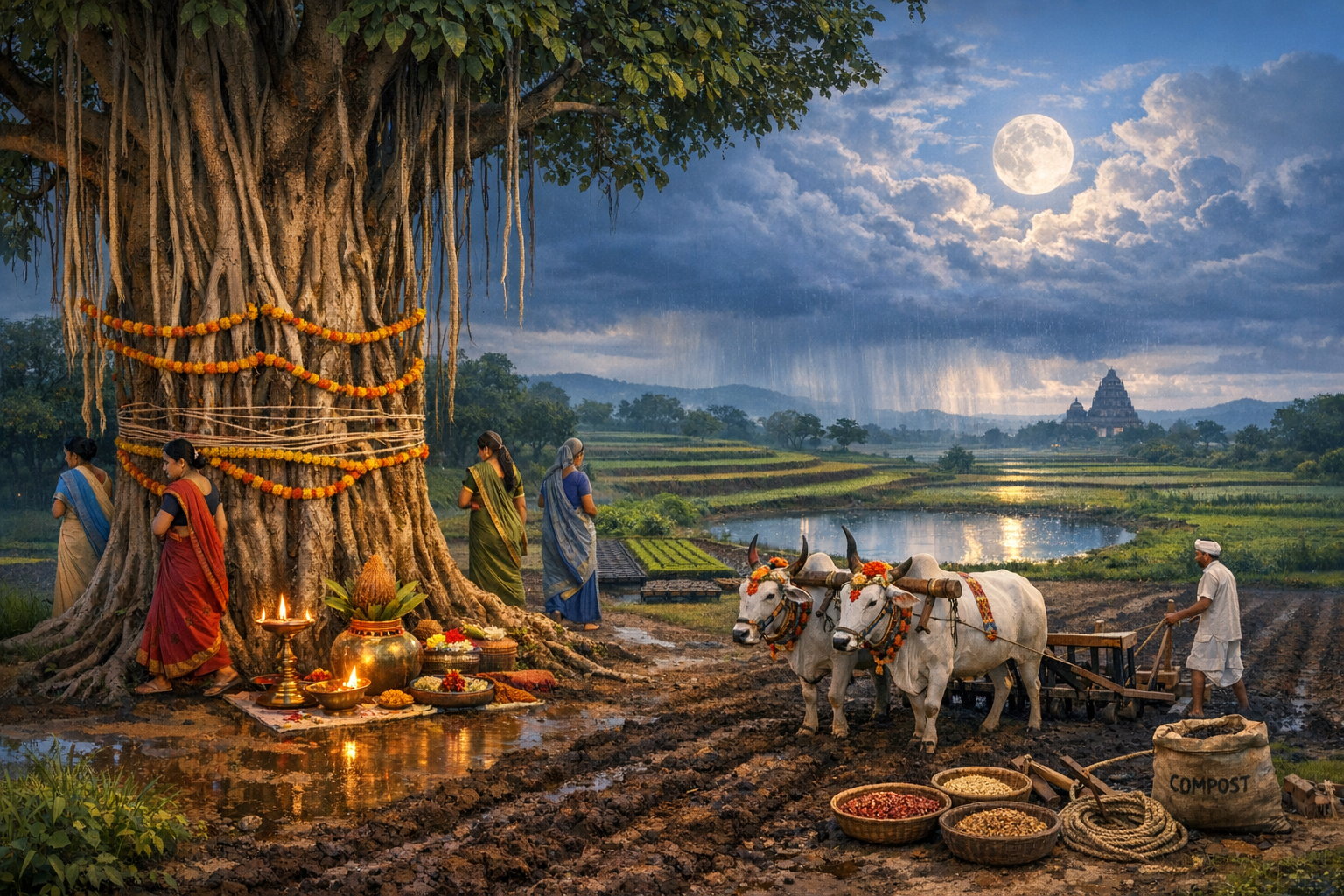
Krushi Purnima 2026 Guide: Monsoon’s Dawn, Sacred Purnima Rituals, and Smart Kharif Sowing
Read more: Krushi Purnima 2026 Guide: Monsoon’s Dawn, Sacred Purnima Rituals, and Smart Kharif SowingKrushi Purnima 2026 falls on 29 June, aligning with Jyeshtha (Jyeshta) Purnima, and marks an auspicious, pan-Indian moment to welcome the monsoon and begin Kharif-season preparations. This academically grounded guide explains how the Purnima tithi is calculated, why regional panchangs may differ slightly, and how Adhik Maas nuances can shape observance. It explores the festival’s…
-

Jyeshta Purnima (29 June 2026): Date, Puja Timings Guide, Dev Snan & Vat Purnima Insights
Read more: Jyeshta Purnima (29 June 2026): Date, Puja Timings Guide, Dev Snan & Vat Purnima InsightsJyeshta Purnima falls on 29 June 2026 (IST) and is observed during the active Purnima tithi, with most households fasting from sunrise and concluding the vrata after local moonrise. Because tithis are defined by Sun–Moon geometry, the start–end times vary by location, making a city-specific Panchang essential for accurate planning. The day aligns with Dev…
-
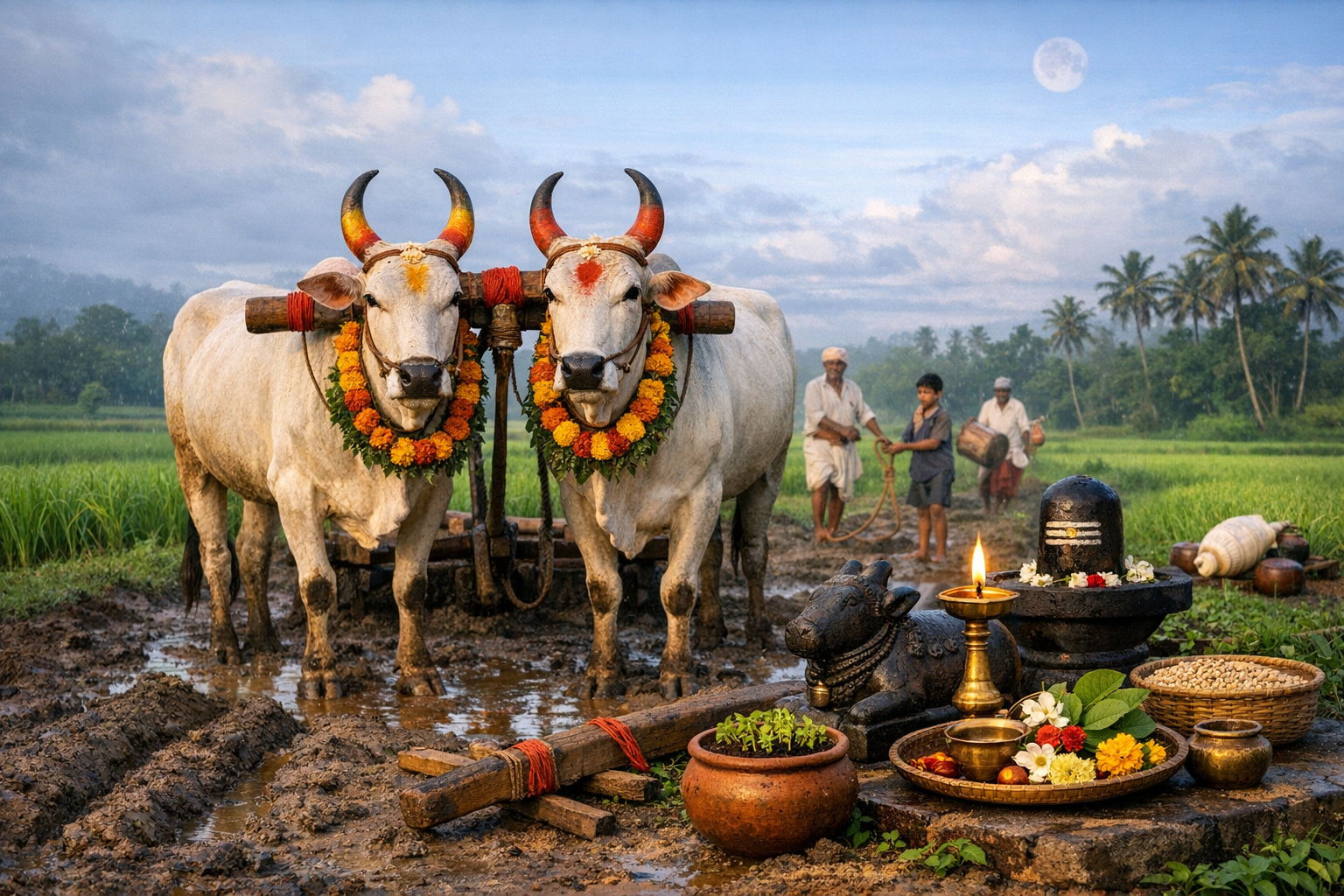
Vrishabha Pooja on Jyeshtha Purnima 2026: Sacred Bull Worship, Rituals, and Farming Blessings
Read more: Vrishabha Pooja on Jyeshtha Purnima 2026: Sacred Bull Worship, Rituals, and Farming BlessingsVrishabha Pooja on Jyeshtha Purnima (29 June 2026) is a pan-Indian agrarian thanksgiving, celebrated as Eruvaka Pournami in Andhra Pradesh and Telangana, that honors the vrishabh (ox/bull) central to ploughing and sowing. The full moon observance follows the local Purnima tithi as per the regional panchang, aligning ritual time with lunar cycles. Rooted in Shaiva…
-
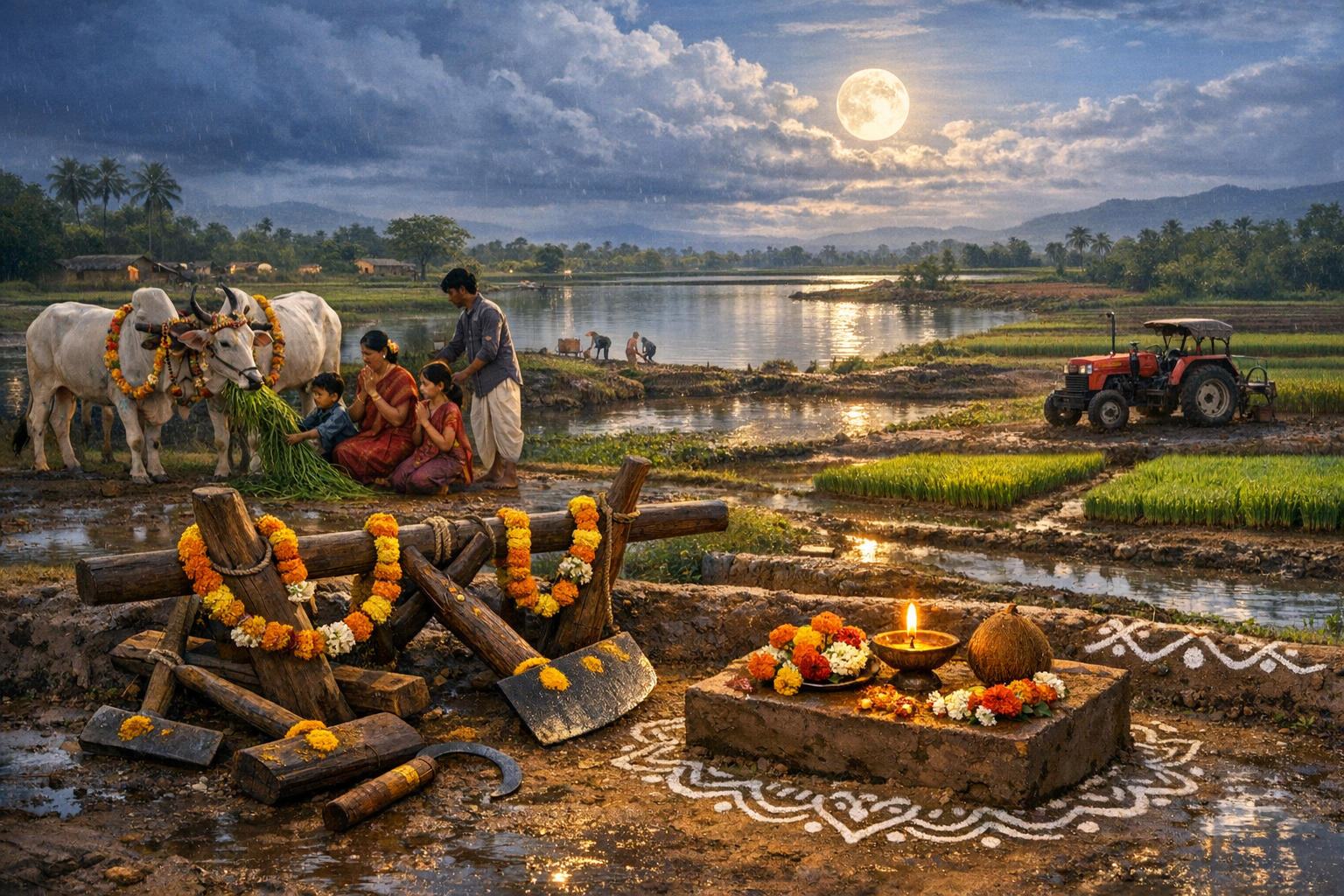
Eruvaka Purnima 2026: Sacred Monsoon Festival Empowering Farmers in Andhra & Telangana
Read more: Eruvaka Purnima 2026: Sacred Monsoon Festival Empowering Farmers in Andhra & TelanganaEruvaka Purnima 2026 (Eruvaka Punnami) falls on 29 June 2026, Jyeshta Purnima, across Andhra Pradesh and Telangana. This farmers’ festival sanctifies fields, cattle, and tools at the cusp of the monsoon, aligning ritual observance with practical agricultural planning. Readers will find the date context, panchang guidance, and a clear sequence for bhoomi puja, go puja,…
-

Lal Kitab Remedies for Sun in the 4th House: Transform Home, Heal Lineage, Restore Peace
Read more: Lal Kitab Remedies for Sun in the 4th House: Transform Home, Heal Lineage, Restore PeaceLal Kitab remedies for Sun in the 4th house work best when simple, consistent, and ethically grounded. This comprehensive guide explains how Surya in the 4th impacts home, mother, property, and inner peace—and how daily sunrise arghya, Raviwar vrata, Aditya Hridayam, and east-facing ghee lamps can stabilize the domestic field. Practical seva for mothers and…
-

UK Unveils Anti-Hindu Hate Monitor: Data-Driven Protection and Dharmic Solidarity Amid Rising Crimes
Read more: UK Unveils Anti-Hindu Hate Monitor: Data-Driven Protection and Dharmic Solidarity Amid Rising CrimesThe UK’s new Anti-Hindu Hate Monitor introduces a community-led, data-driven response to Hinduphobia and faith-based hate crimes while aligning closely with UK law. It complements police reporting through standardized taxonomies, secure referrals via True Vision, and independent quality assurance. Victim safety is paramount: trauma-informed casework, culturally competent support, and place-based security reviews for temples and…
-
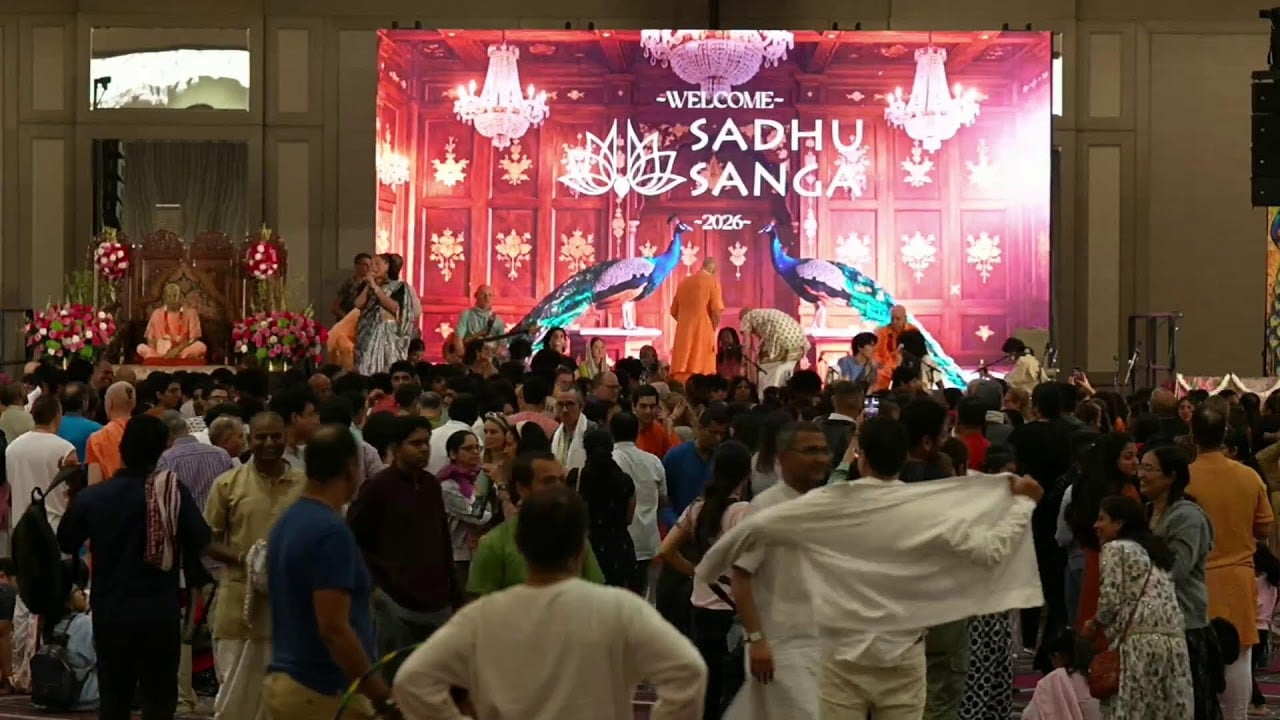
2026 Sadhu Sanga Day 1: Transformative Kirtan, Deep Bhakti, and Dharmic Unity Insights
Read more: 2026 Sadhu Sanga Day 1: Transformative Kirtan, Deep Bhakti, and Dharmic Unity Insights2026 Sadhu Sanga – Day 1 establishes a clear, practice-centered foundation for the retreat by combining immersive kirtan, structured japa, and scriptural framing from Bhagavad-gita and Śrīmad-Bhāgavatam. The opening day focuses on sādhu-saṅga—uplifting association—as a catalyst for devotion and ethical conduct. Participants benefit from accessible orientation, inclusive spaces, and community norms that translate humility and…
-

From Axe to Bow: Parashurama and Rama’s Weapons across India’s Civilizational Evolution
Read more: From Axe to Bow: Parashurama and Rama’s Weapons across India’s Civilizational EvolutionParashurama’s axe and Rama’s bow are more than weapons; they are precise metaphors for India’s civilizational evolution from corrective severity to codified restraint. Read together, they chart the passage from foundational pruning to lawful kingship, illuminating Kshatra Dharma and maryada in the Ramayana. The parashu symbolizes necessary removal of entrenched harm, while the Kodanda embodies…
-

Decoding the Khatvanga: Skull Staff of Chamunda & Kali—Fearlessness, Tantra, and Transcendence
Read more: Decoding the Khatvanga: Skull Staff of Chamunda & Kali—Fearlessness, Tantra, and TranscendenceThe khatvanga—skull-staff of Chamunda, Kali, and other fierce goddesses—emerges as a precise, multilayered symbol in Hindu iconography and tantric philosophy. This long-form analysis decodes its form (skull, bone staff, damaru, banner), its cremation-ground origins, and its ethical evolution from literal bone to wood or metal in mainstream ritual spaces. It clarifies how the staff encodes…
-

Decoding Srimad Bhagavatam 3.26.9: Sankhya, Consciousness, and a Roadmap to Dharmic Unity
Read more: Decoding Srimad Bhagavatam 3.26.9: Sankhya, Consciousness, and a Roadmap to Dharmic UnityThis in-depth exploration of Srimad Bhagavatam 3.26.9, inspired by H.H Subhag Swami Maharaj’s discourse at ISKCON Mayapur, unpacks Kapila’s Sankhya as a precise map of consciousness, causality, and liberation. It clarifies how purusha, prakriti, time, and the three gunas co-operate to shape experience, and why that structure makes ethical effort and devotion both meaningful and…
-
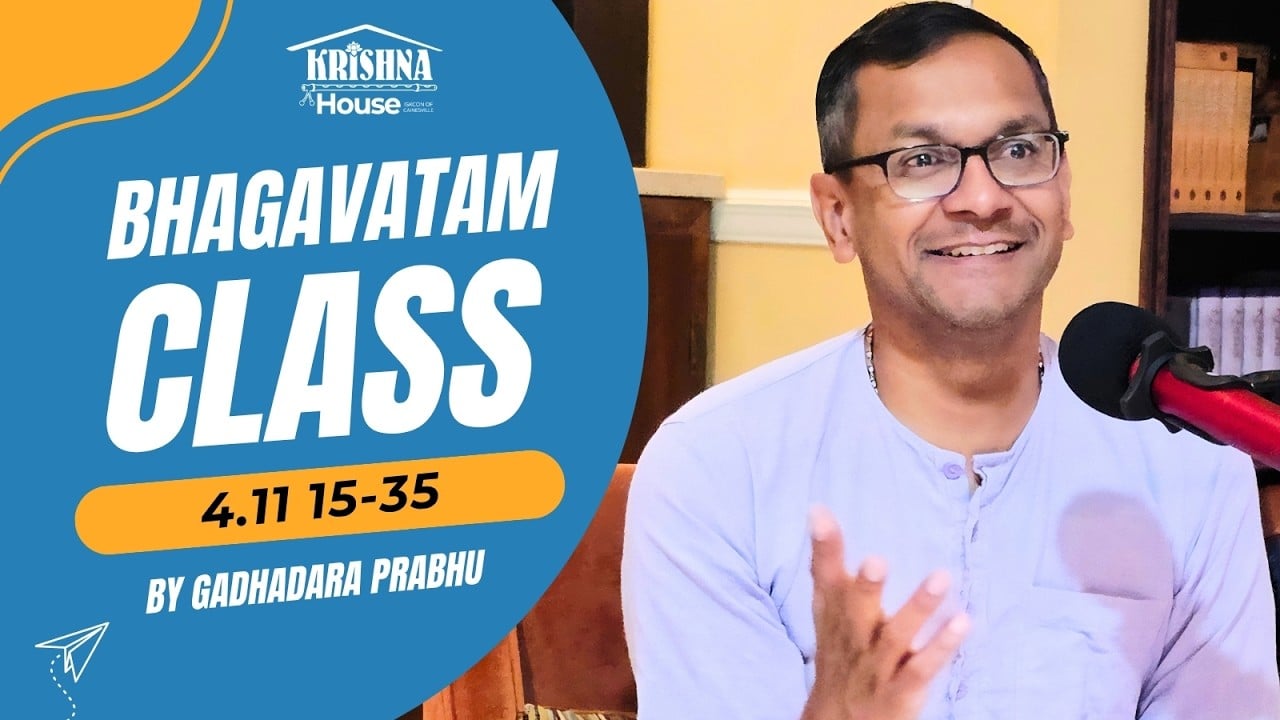
Dhruva’s Turning Point: Manu’s Counsel on Anger, Humility, and Surrender (SB 4.11.15–35)
Read more: Dhruva’s Turning Point: Manu’s Counsel on Anger, Humility, and Surrender (SB 4.11.15–35)Bhagavatam Class 4.11 15–35 explores Svayambhuva Manu’s intervention as Dhruva Maharaja shifts from reactive anger to disciplined humility. The class clarifies a core Vaishnava principle: the Supreme Lord is the ultimate cause behind all causes, guiding practitioners toward surrender rather than escalation. Verse 27 functions as a cognitive pivot, redirecting the mind from krodha to…
-
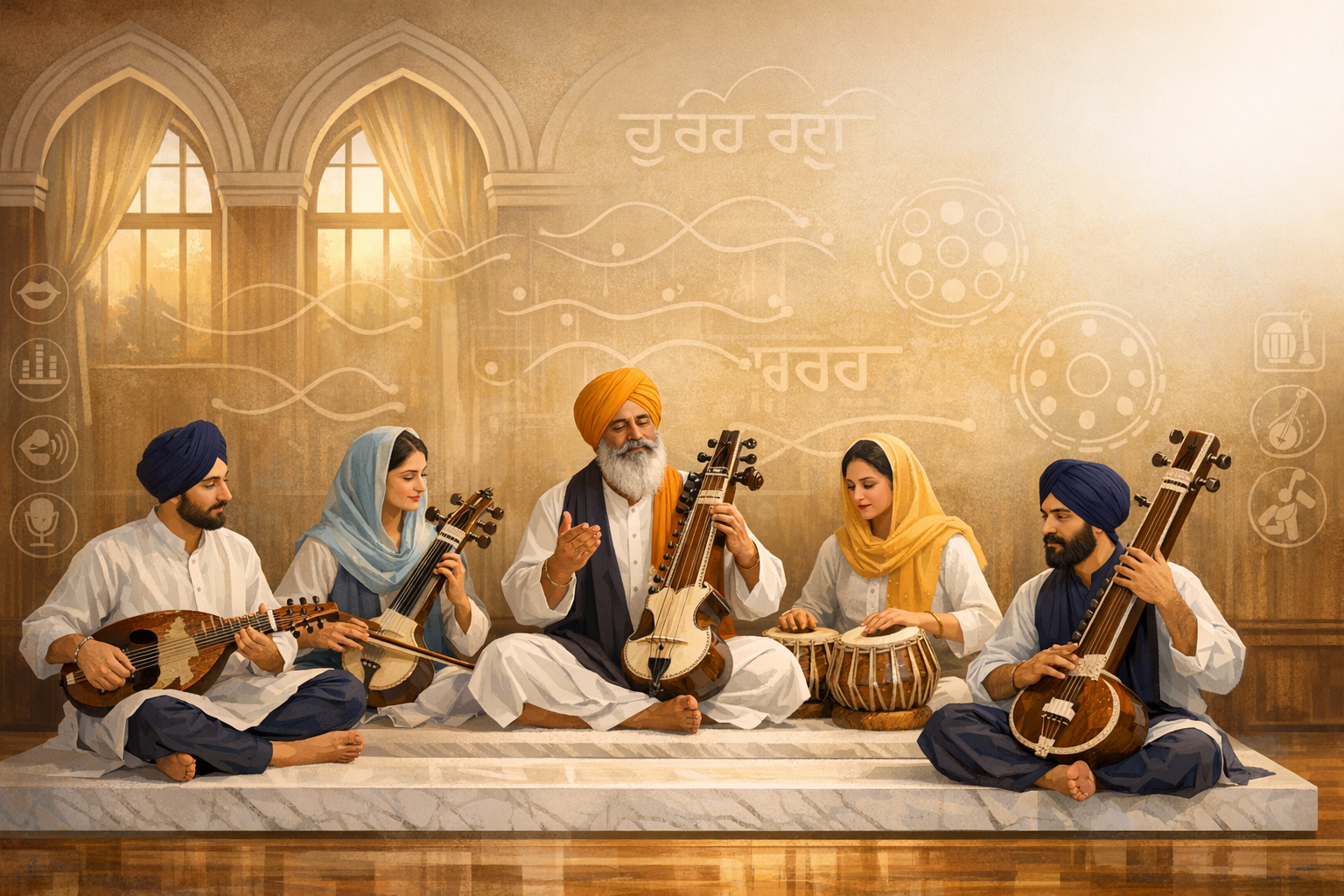
Gurmat Sangeet Certification: Master Raags, Shabad Kirtan, and Timeless Sikh Devotional Heritage
Read more: Gurmat Sangeet Certification: Master Raags, Shabad Kirtan, and Timeless Sikh Devotional HeritageGurmat Sangeet is the living Sikh tradition of sacred music, where Shabad is sung within the grammar of raag and taal to cultivate contemplation and ethical action. A well-designed certification program grounds training in the Guru Granth Sahib’s raag-based structure, emphasizing accurate pronunciation (santhiya), faithful use of ਰਹਾਉ (rahāo), and historically aware performance. Learners progress…
-

New Vrindaban’s Palace of Gold: A Living Testament to Devotion, Craft, and Dharmic Unity
Read more: New Vrindaban’s Palace of Gold: A Living Testament to Devotion, Craft, and Dharmic UnityThis long-form reflection examines New Vrindaban’s Palace of Gold in West Virginia, the focus of a second documentary by Vrsabhanu das. It traces the site’s evolution from a planned residence for Srila Prabhupada to a memorial shrine and cultural landmark within ISKCON. Readers gain a technical view of materials, methods, and process discipline—marble inlay, glass…
-
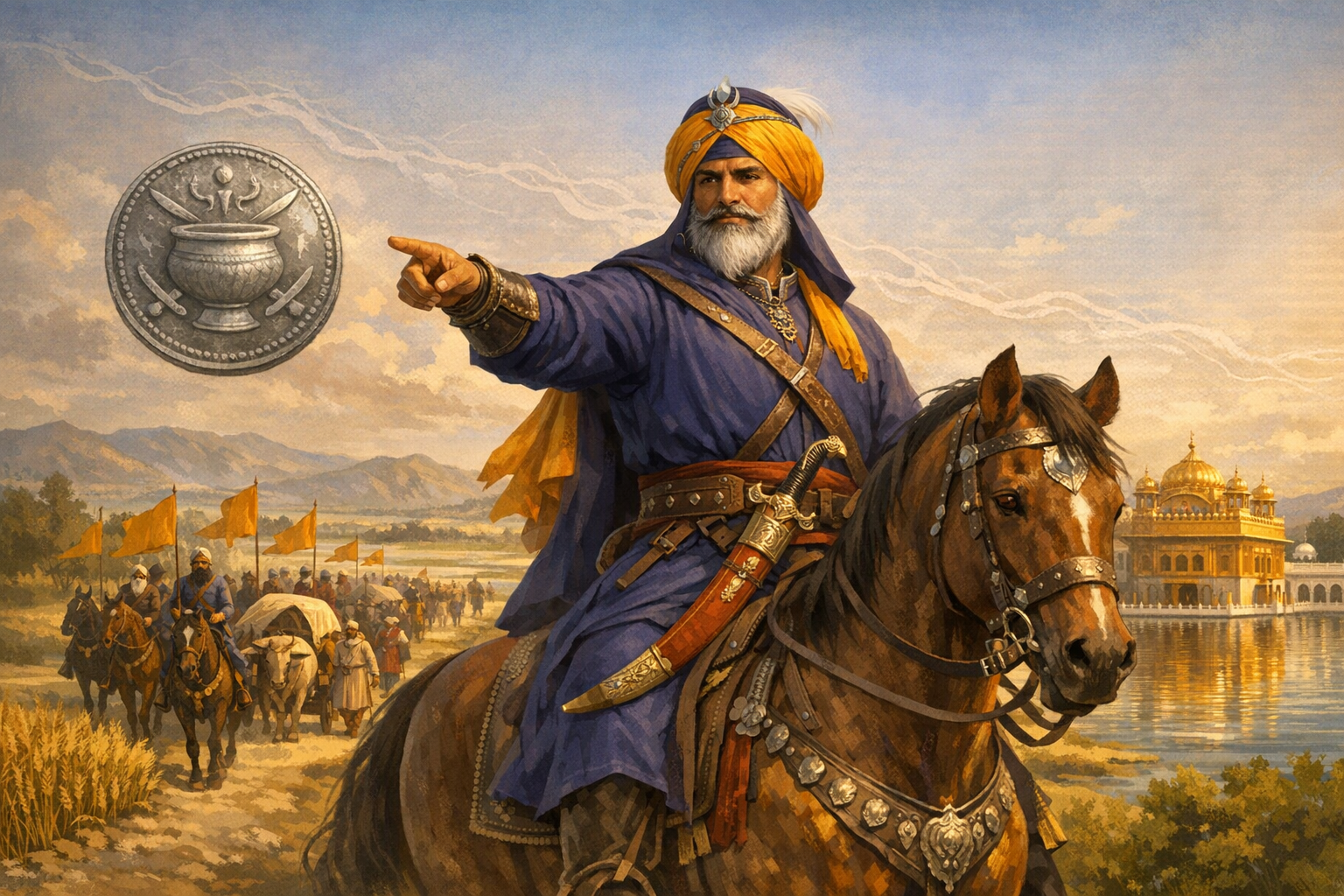
Sultan-ul-Qaum Jassa Singh Ahluwalia: Visionary Sikh Commander Who Forged Unity and Hope
Read more: Sultan-ul-Qaum Jassa Singh Ahluwalia: Visionary Sikh Commander Who Forged Unity and HopeSultan-ul-Qaum Jassa Singh Ahluwalia (1718–1783) led the Dal Khalsa through one of North India’s most turbulent centuries, transforming agile resistance into orderly governance. Elected at Sarbat Khalsa assemblies, he coordinated misl forces, protected trade and pilgrimage, and became renowned for rescuing abducted civilians during Afghan retreats. His Lahore coinage—Deg Tegh Fateh, Nusrat be-darang, yaft az…
-
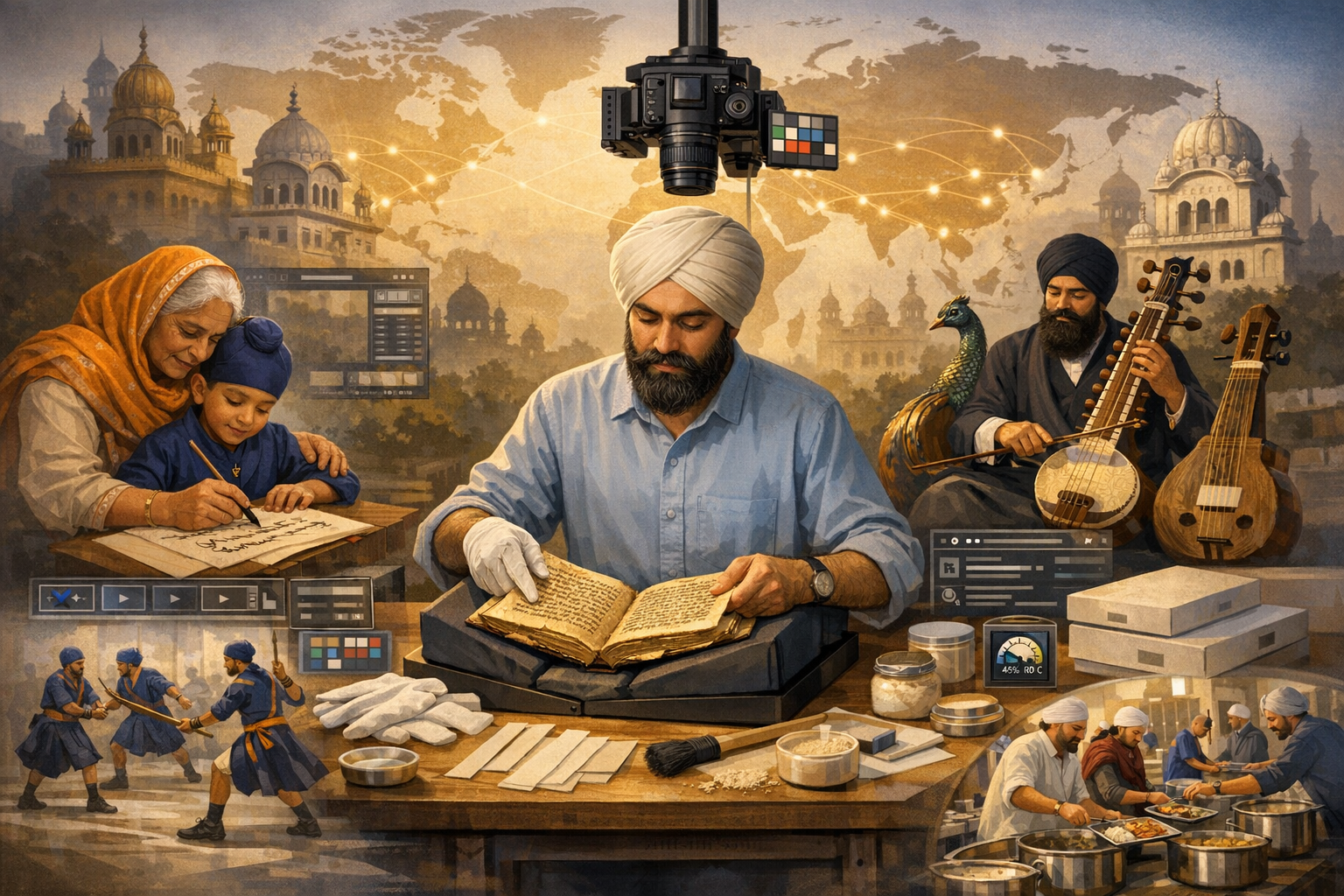
Global Sikhs, Enduring Heritage: How Diaspora Guardians Safeguard Sikhi Worldwide
Read more: Global Sikhs, Enduring Heritage: How Diaspora Guardians Safeguard Sikhi WorldwideGlobal Sikh communities are emerging as rigorous custodians of Sikh heritage, uniting conservation science, digital archiving, and living traditions. The post maps tangible assets—manuscripts, instruments, gurdwaras—and intangible practices such as Gurmat Sangeet, gatka, langar, and Gurmukhi literacy. It outlines technical standards for digitization, metadata, storage environments, and ethical access to Gurbani. It also highlights governance…
-
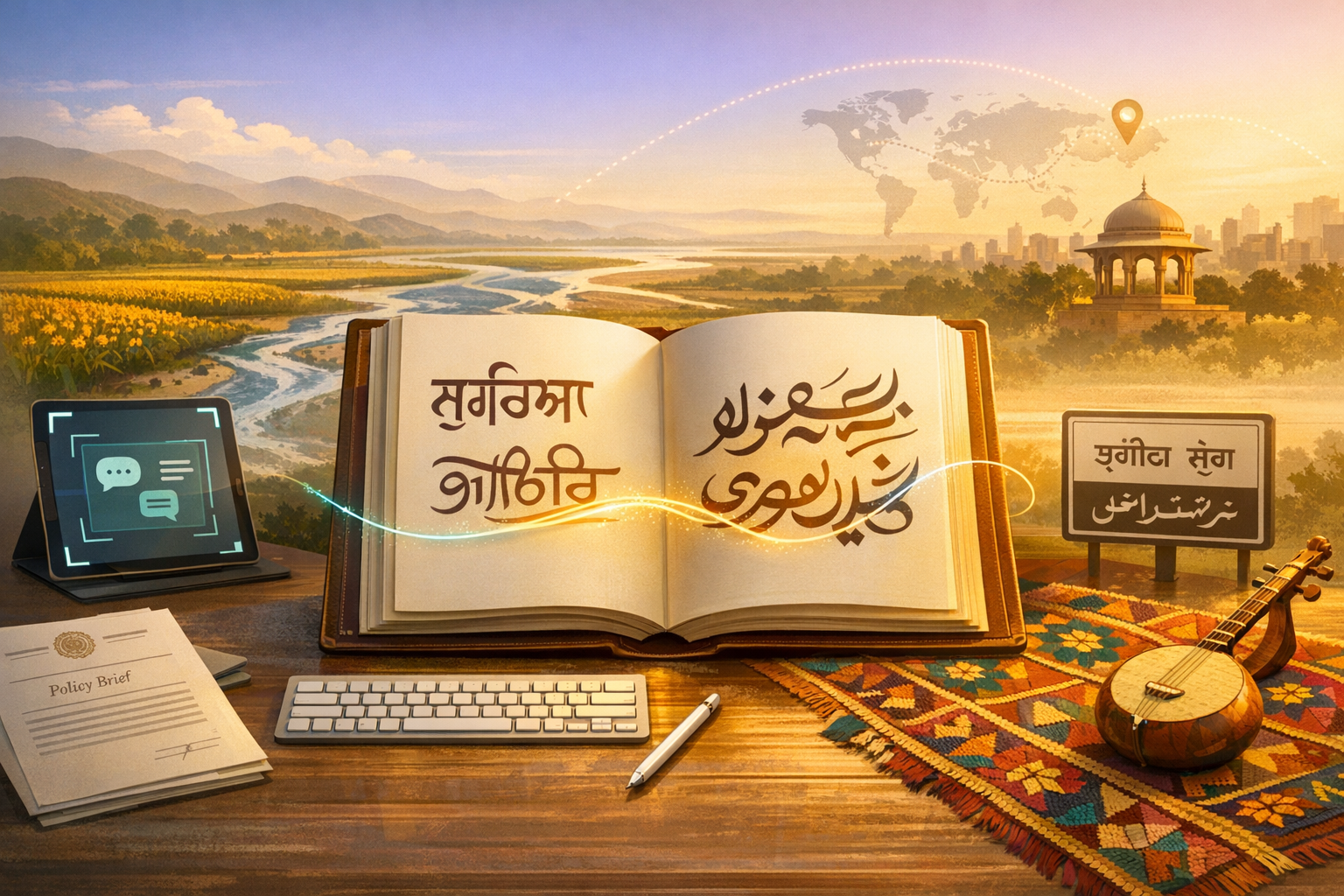
Defending Punjabi: Safeguarding Punjab’s Civilizational Soul Through Language, Script, and Policy
Read more: Defending Punjabi: Safeguarding Punjab’s Civilizational Soul Through Language, Script, and PolicyDefending Punjabi is inseparable from safeguarding Punjab’s civilizational identity: a plural, dharmic heritage shared across Hindu, Buddhist, Jain, and Sikh traditions. This long-form analysis outlines historical trajectories, the complementary roles of Gurmukhi and Shahmukhi, and the constitutional scaffolding that enables Punjabi to thrive in schools, administration, and scholarship. It translates research on mother-tongue education into…
-

Sultanpur Lodhi: Sacred Spring of Guru Nanak’s Mission, Sikh Heritage, and Dharmic Unity
Read more: Sultanpur Lodhi: Sacred Spring of Guru Nanak’s Mission, Sikh Heritage, and Dharmic UnitySultanpur Lodhi is the historic river-town in Punjab where Guru Nanak Dev Ji’s public mission took form, anchoring Sikh heritage in lived practice along the Kali Bein. The town’s sacred geography—centered on Gurdwara Sri Ber Sahib and a constellation of related gurdwaras—translates scripture and song into daily acts of kirtan, langar, and seva. Ethical labor,…
-
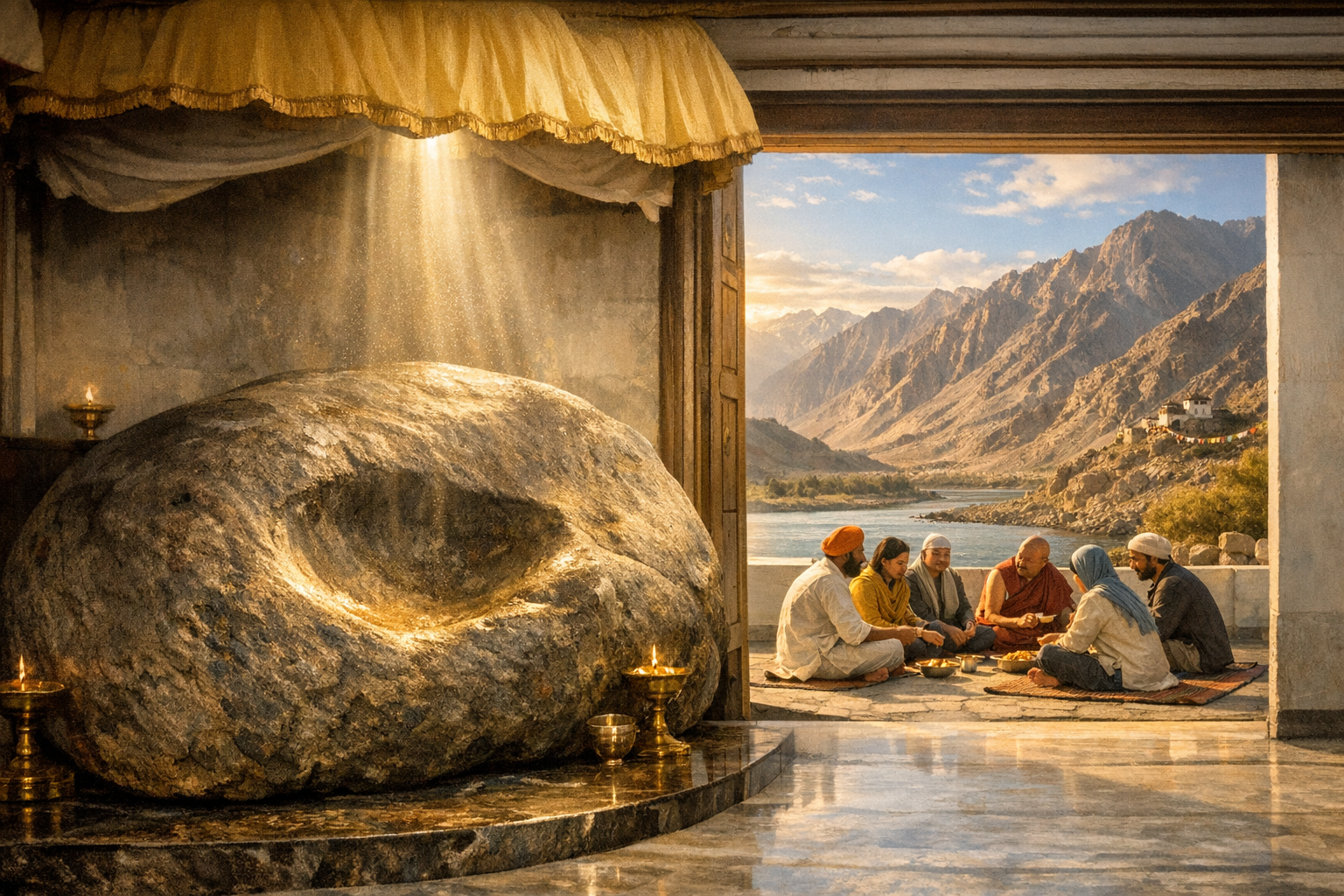
Pathar Sahib, Leh: A Timeless Testament to Compassion, Forgiveness, and Dharmic Unity
Read more: Pathar Sahib, Leh: A Timeless Testament to Compassion, Forgiveness, and Dharmic UnityGurdwara Pathar Sahib in Leh, Ladakh, is a revered Sikh sanctuary where the legend of Guru Nanak’s compassion and forgiveness converges with the high-Himalayan landscape. This comprehensive, research-driven overview situates the site within Janamsakhi traditions, interfaith memory, and Ladakh’s cultural geography. It explains how the venerated boulder and living practices—kirtan, ardas, and langar—translate ideals like…
-
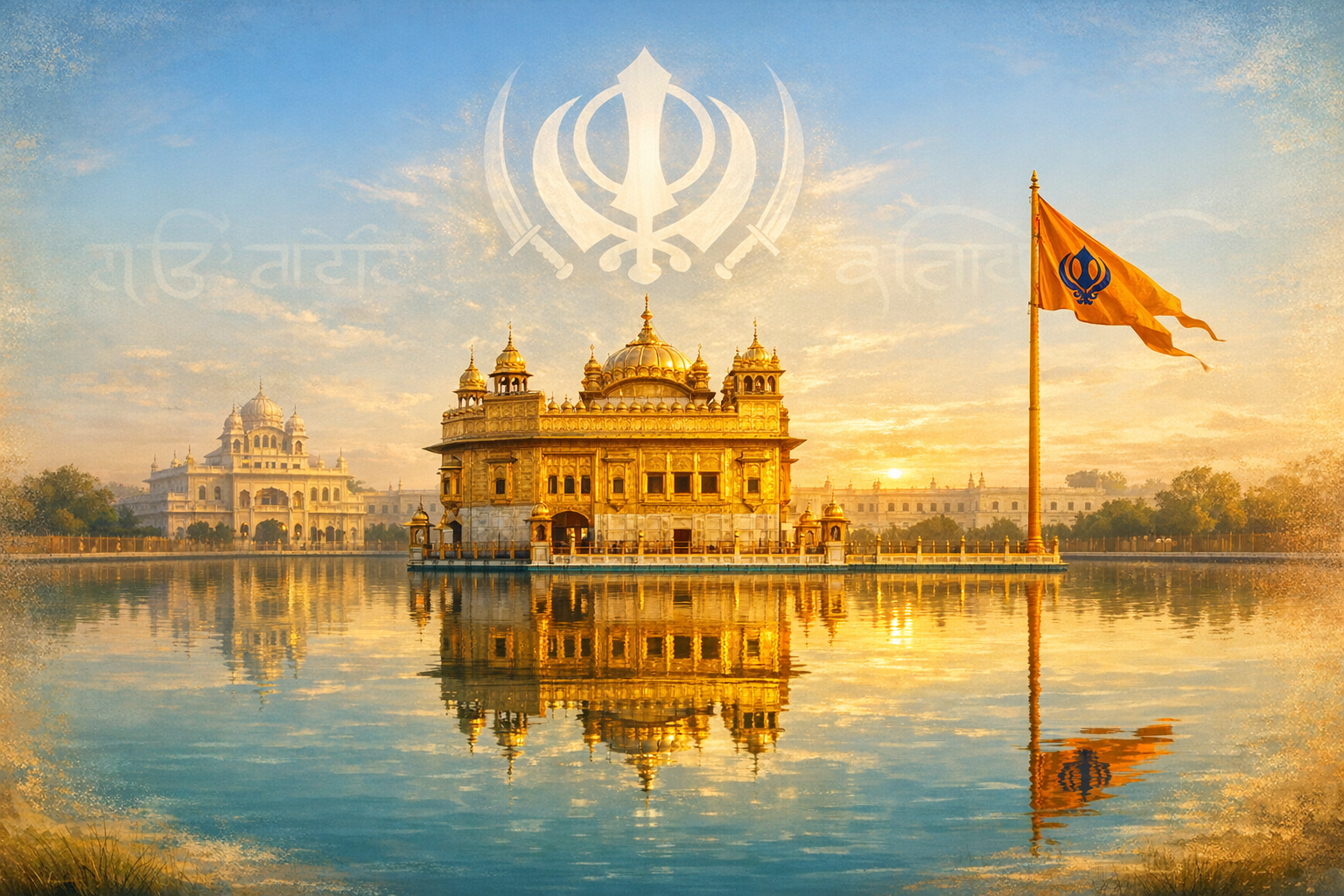
Sikhs of Punjab: Khalsa Nationhood, Miri-Piri Sovereignty, and the Sacred Homeland
Read more: Sikhs of Punjab: Khalsa Nationhood, Miri-Piri Sovereignty, and the Sacred HomelandThis comprehensive essay examines the Sikhs of Punjab through three lenses: historical nationhood (qaum), religious sovereignty (miri-piri), and the homeland of the Khalsa. It traces the arc from Guru Nanak’s foundational institutions to the Khalsa discipline of 1699, through the Sikh misls and the inclusive statecraft of Maharaja Ranjit Singh, to modern constitutional arrangements and…
-

Meri Janambhumi (Pakistan) Dian Yatravan: Mapping Sacred Punjab and Shared Dharmic Memory
Read more: Meri Janambhumi (Pakistan) Dian Yatravan: Mapping Sacred Punjab and Shared Dharmic MemoryMeri Janambhumi (Pakistan) Dian Yatravan reads Pakistan’s sacred landscape as a living archive of Sikh, Hindu, Buddhist, and Jain memory. Framing “janambhumi” as homeland and “yatravan” as disciplined pilgrimage, it maps gurdwaras, mandirs, stupas, and Jain temples with ethnographic sensitivity and historical care. The narrative highlights well-known sites such as Nankana Sahib, Panja Sahib, Kartarpur,…
-

Historic First: Dr. Gunisha Kaur Named First Sikh to Serve as a U.S. Federal Commissioner
Read more: Historic First: Dr. Gunisha Kaur Named First Sikh to Serve as a U.S. Federal CommissionerDr. Gunisha Kaur’s appointment as a U.S. federal commissioner is a historic first for the Sikh community and a milestone for Dharmic unity across Hindus, Buddhists, Jains, and Sikhs. The role carries substantive responsibilities: convening stakeholders, analyzing evidence, and issuing policy recommendations that can strengthen civil rights and religious freedom. The piece explains how federal…
Categories
- Agriculture (20)
- Akhand Bharat (30)
- Aryan Migration -vs- Out of India (8)
- Ayurveda (20)
- Celebrations (882)
- Community (150)
- Community Events (228)
- Cross Posted (105)
- Cultural Advocacy (33)
- Cultural Commentary (61)
- Cultural Heritage (556)
- Cultural Insights (142)
- Cultural Issues (29)
- Cultural Traditions (757)
- Culture (33)
- Economics (22)
- Education (151)
- Geo-Politics (60)
- History (377)
- Indian Authors (6)
- International Trade (8)
- Labor Market (8)
- Literature (97)
- News (618)
- Opinion Pieces (143)
- Personal Reflections (161)
- Personalities (186)
- Philosophy (1,036)
- Politics (208)
- Scripts (3)
- Scriptures (974)
- Spiritual Insight (3,205)
- Spirituality (750)
- Temples (730)
- Tribute (65)
- Uncategorized (6)
- Yoga (103)
Archive