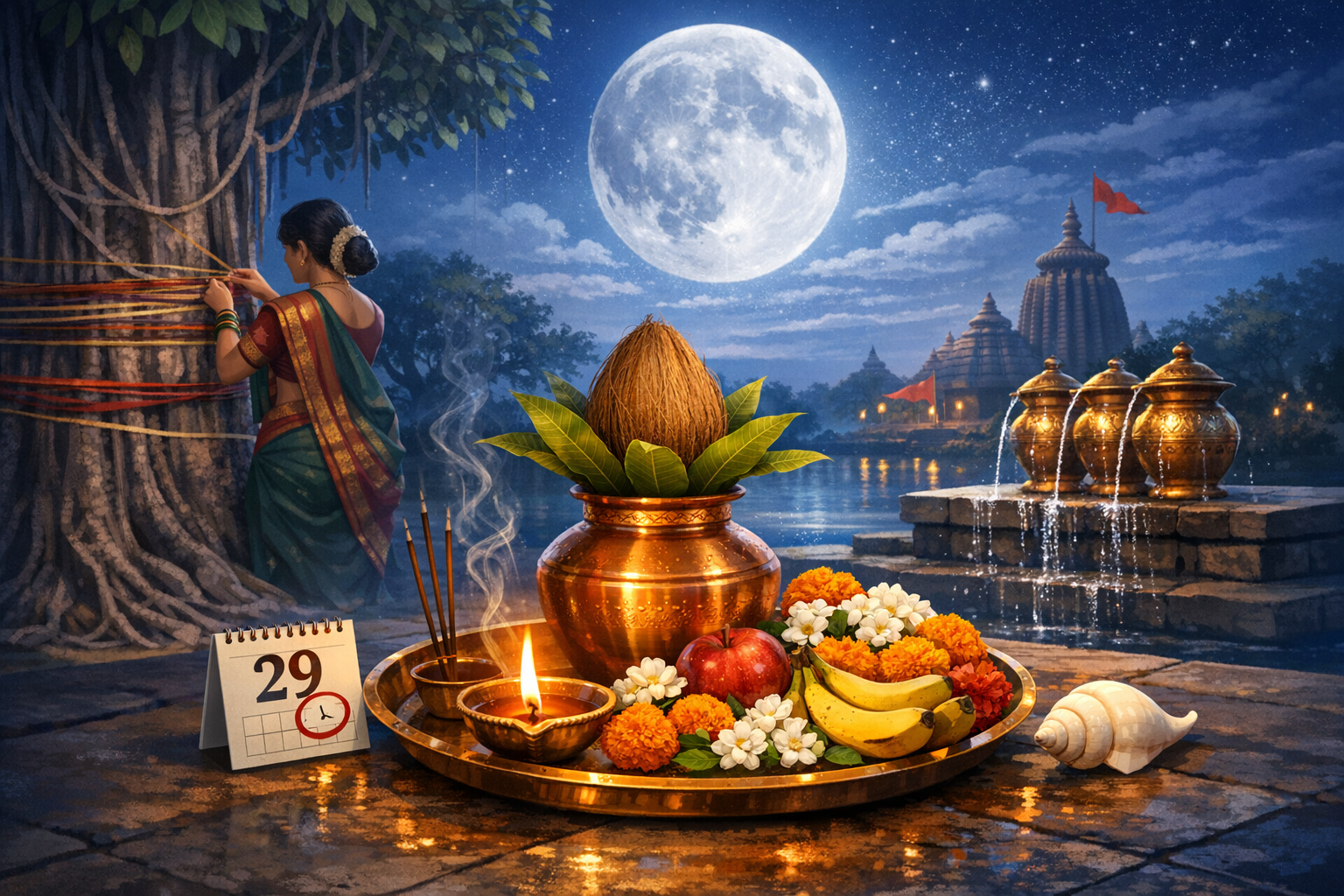
Purnima, also spelt as Poornima or Pournami, is the sacred Full Moon day in the Hindu calendar. In June 2026, Purnima falls on 29 June and is known as Jyeshta Purnima (also written Jyeshtha Purnima). This Full Moon anchors major observances across Bharatiya traditions, with households, temples, and communities aligning their worship to the Purnima tithi (lunar day) rather than to the solar clock alone.
Date and tithi alignment: Jyeshta Purnima is observed on 29 June 2026 (India Standard Time). Because a tithi is defined by the relative positions of the Sun and Moon, the Purnima window can begin or end at different local clock times depending on geography. Devotees in India should observe the vrata and puja on 29 June, while those outside India should verify their local date and tithi overlap, as the Full Moon moment can shift civil dates across time zones.
How to interpret “time” for Jyeshta Purnima 2026: For most Hindu rites tied to Purnima, the auspicious practice is to perform worship during the active Purnima tithi on 29 June. Those keeping Purnima Vrat typically fast from sunrise until moonrise and conclude the fast (parana) after sighting the Full Moon. Households performing Satyanarayana Puja commonly choose the evening, especially during the Pradosh-like window (after sunset while the Purnima tithi remains), and complete the rite after moonrise. Because the exact start–end of the tithi varies by city, one should confirm the tithi window and local moonrise using a reliable Panchang calibrated for the specific location.
Why timings vary by location: A tithi is a 12-degree increment in the elongation between the Moon and the Sun along the ecliptic. Purnima corresponds to the interval when this elongation spans the Full Moon sector. Since the Earth is spherical and the Moon’s apparent motion is not uniform, the tithi’s start and end can differ by hours between regions. This is why trustworthy Panchang data for one city should not be blindly used for another; the astronomical basis ensures local correction is necessary.
Festival identity in 2026: Jyeshta Purnima is linked with Dev Snan Purnima (Snana Yatra) in the Jagannath tradition and with Vat Purnima in several regions. The devotional character of the day spans worship of Shri Vishnu (including Satyanarayana Katha), sacred bathing (snana), daana (charity), japa (mantra recitation), and dhyana (meditation). Families often set aside the Full Moon evening for collective prayers, creating a gentle, contemplative atmosphere that blends devotion with togetherness.
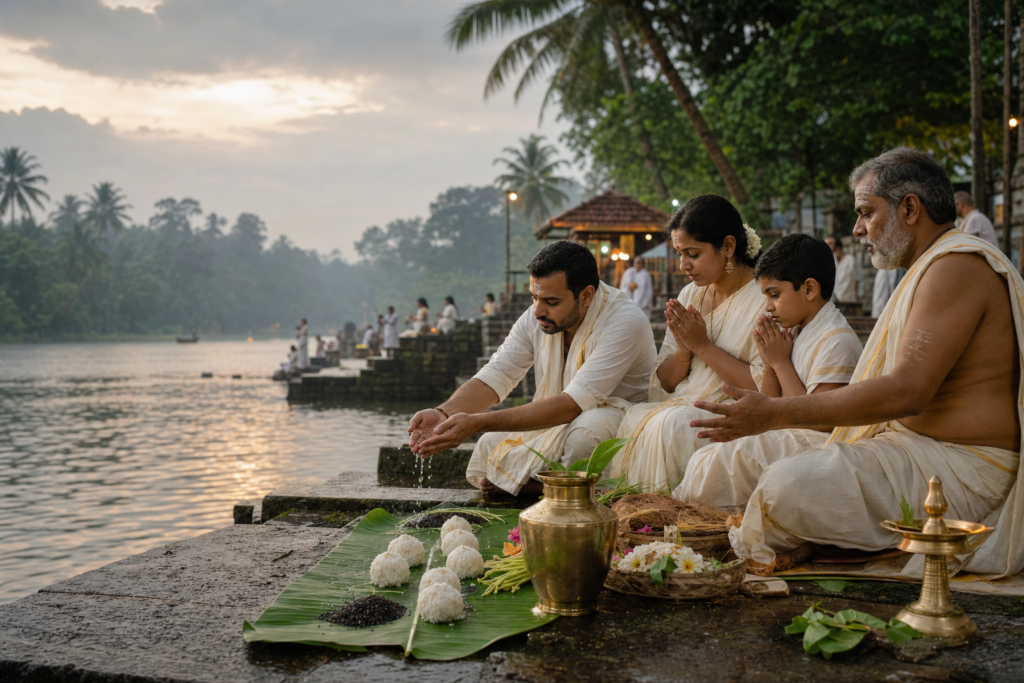
Dev Snan Purnima (Snana Yatra) insights: In the Jagannath Sampradaya, Jyeshta Purnima marks the ceremonial bathing of Lord Jagannath, Balabhadra, and Subhadra with sanctified water on the Snana Bedi. This anointment symbolizes rejuvenation ahead of the Ratha Yatra cycle and is regarded as purificatory for devotees as well. Those unable to visit Puri customarily honor the rite through sacred bathing at home, chanting the names of Jagannath, and offering seasonal prasada.
Vat Purnima observance nuances: Many communities in Maharashtra, Goa, and parts of Gujarat observe Vat Purnima on Jyeshta Purnima, venerating the banyan tree (Vat) as a symbol of steadfastness and auspicious longevity, inspired by the Savitri–Satyavan narrative. Other regions mark Vat Savitri on Jyeshtha Amavasya instead. In 2026, observance patterns may reflect this dual practice; therefore, families should follow their regional parampara (custom) and local Panchang guidance.
Purnima Vrat essentials: Those undertaking the fast typically maintain a satvik diet prior to the vrata, observe upavasa from sunrise, and perform worship during the Purnima tithi. Parana is done after moonrise, often with a simple offering of water, milk, or a light satvik preparation. Where health considerations apply, elders and physicians advise moderated observancePurnima Vrat is a means to cultivate clarity and compassion, not physical strain.
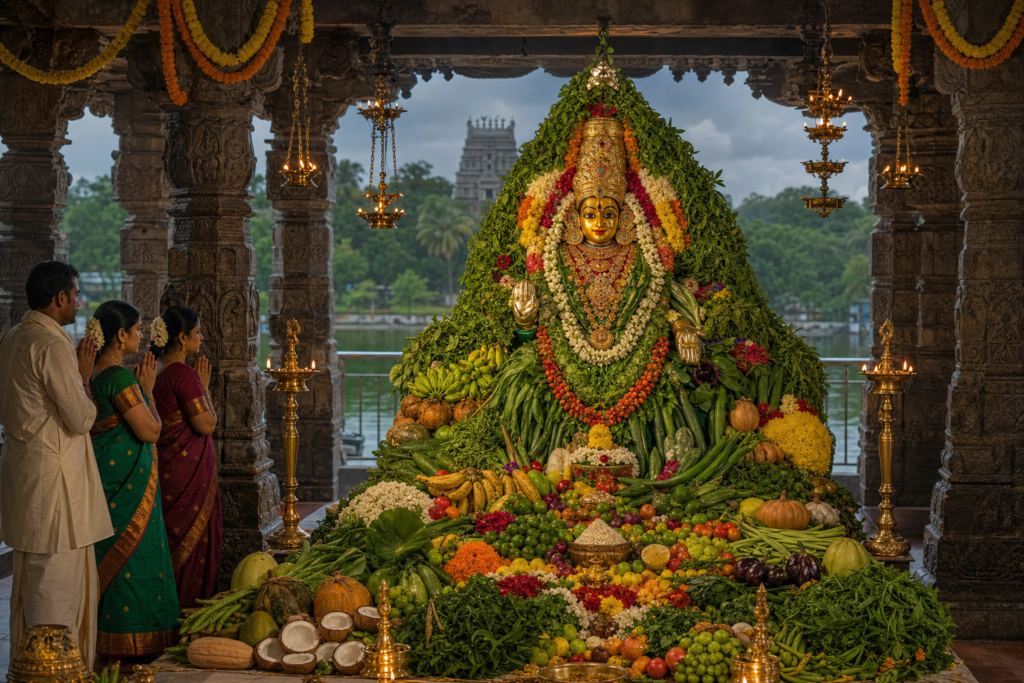
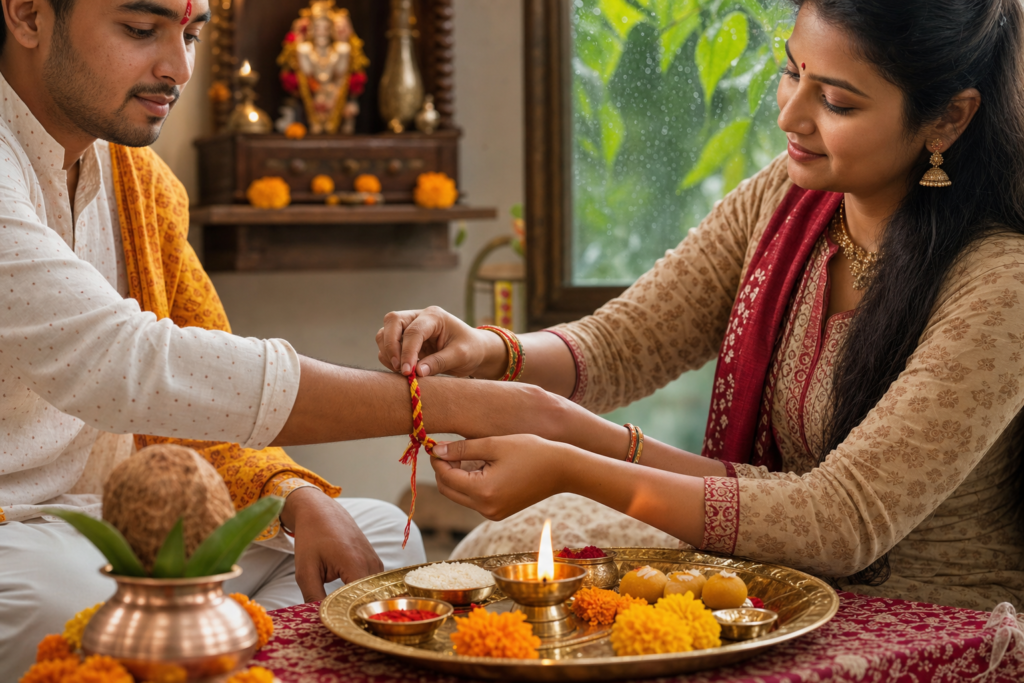
Home worship on Jyeshta Purnima: A serene home puja may include cleaning the altar, lighting a deepa, offering flowers and seasonal fruits, reciting Vishnu Sahasranama or “Om Namo Narayanaya,” and, where possible, reading Satyanarayana Katha with family members. The concluding aarti after moonrise, accompanied by silent gratitude, is a cherished moment in countless householdschildren often remember the luminous calm of the Full Moon as a formative spiritual memory.
Cross-dharmic resonance and unity: Full Moon observances are cherished across dharmic lineages. In Buddhism, Uposatha on Full Moon nights is set aside for meditation and recommitment to ethical precepts. In Jain practice, Full Moon days (along with New Moon) are favored for austerities and contemplation. Sikh communities frequently gather for sabad kirtan and paath in rhythms set by the Nanakshahi calendar while honoring the same spirit of inner light. The shared reverence for the Full Moon embodies a living unitydistinct in practice, harmonious in intent.
Purnimanta vs Amanta calendars: North Indian Purnimanta traditions count lunar months from Full Moon to Full Moon, while Amanta systems (common in peninsular India) count from New Moon to New Moon. Despite naming differences, both align on the same active Purnima tithi for 29 June 2026 in India. Devotees can safely plan Jyeshta Purnima rites for this civil date while following their regional naming convention.
About Adhik Jyeshta Maas 2026: In some almanacs for 2026, an Adhik (intercalary) month appears in the Jyestha–Ashadha period to realign the lunar and solar cycles. Where an Adhik Jyeshta Maas is observed, nomenclature may show Adhik Jyeshta Purnima and Nija (regular) Jyeshta Purnima occurring in close succession. The civil festival date for Jyeshta Purnima given here29 June 2026reflects the mainstream Indian Panchang consensus; regional panchangams will clarify if any local naming uses the Adhik designation.
Practical timing guidance for 29 June 2026 (IST): The core observance windows are sunrise-to-moonrise for fasting devotees, morning–afternoon for snana–daana–japa, evening Pradosh for home puja, and parana after moonrise. City-specific moonrise can differ by dozens of minutes across India, and the Purnima tithi may begin before dawn or continue past midnight; confirm both tithi window and moonrise for your precise location before setting the household schedule.
Astronomical method in brief: The tithi is computed from the geocentric ecliptic longitudes of the Sun and Moon. Each tithi covers 12 degrees of elongation; Purnima spans the sector around 180 degrees. Because the Moon’s orbital speed and Earth’s rotation introduce subtle variations, the computed boundary times are location-sensitive. Modern Panchang software uses high-precision ephemerides to tabulate these times; printed regional almanacs incorporate the same principles with standardized adjustments.
Ethical and ecological notes: Traditional guidance emphasizes satvik offerings, mindful consumption, and charity (anna-dana, vastra-dana) directed to genuine need. Many families choose water-conserving snana at home, seasonal vegetarian foods, and locally sourced flowers, aligning spiritual intent with environmental responsibilitya meaningful practice under the bright, reflective presence of the Full Moon.
For the diaspora and time zones: Outside India, the Purnima tithi can fall on 28 or 29 June 2026 by local date. Observances should follow the local Purnima tithi and moonrise. Where a community temple publishes a city-specific Panchang, coordinating with those timings fosters shared worship and strengthens community bonds.
Common questions answered succinctly: If the Purnima tithi spans two nights locally, the preferred home puja time is the evening in which the Purnima tithi is active after sunset. If health precludes a complete fast, a partial satvik fast with fruits and milk maintains the vrata’s spirit. For those working shifts, morning worship during the active tithi and parana after the first feasible moonrise sighting is acceptable, preserving both discipline and wellbeing.
Devotional texture of the day: Across India, temples resonate with kirtan, families narrate Satyanarayana Katha in living rooms, and elders teach children to look for the gentle disk of the Full Moon before concluding the fast. The luminous quiet of Jyeshta Purnima invites introspectiondrawing hearts toward gratitude, patience, and unity in the shared search for dharma.
Key takeaways for Jyeshta Purnima 2026: The date across India is 29 June 2026; observe within the active Purnima tithi for your city; perform snana, daana, japa, and evening home puja; conclude Purnima Vrat after moonrise; follow local parampara regarding Dev Snan Purnima and Vat Purnima; and embrace the day’s cross-dharmic spirit of contemplation and compassion.
Inspired by this post on Hindu Pad.