Within the expansive Brahmanda, Hindu philosophy reminds that ahankaraegoic self-importanceshrinks in significance. When seen against a universe that is vast, boundless, and continuously unfolding, individual existence appears transient. This cosmic perspective reframes Earth as a fragile speck in an immeasurable cosmos, inviting a sober recognition of impermanence and a release from pride and possessiveness.
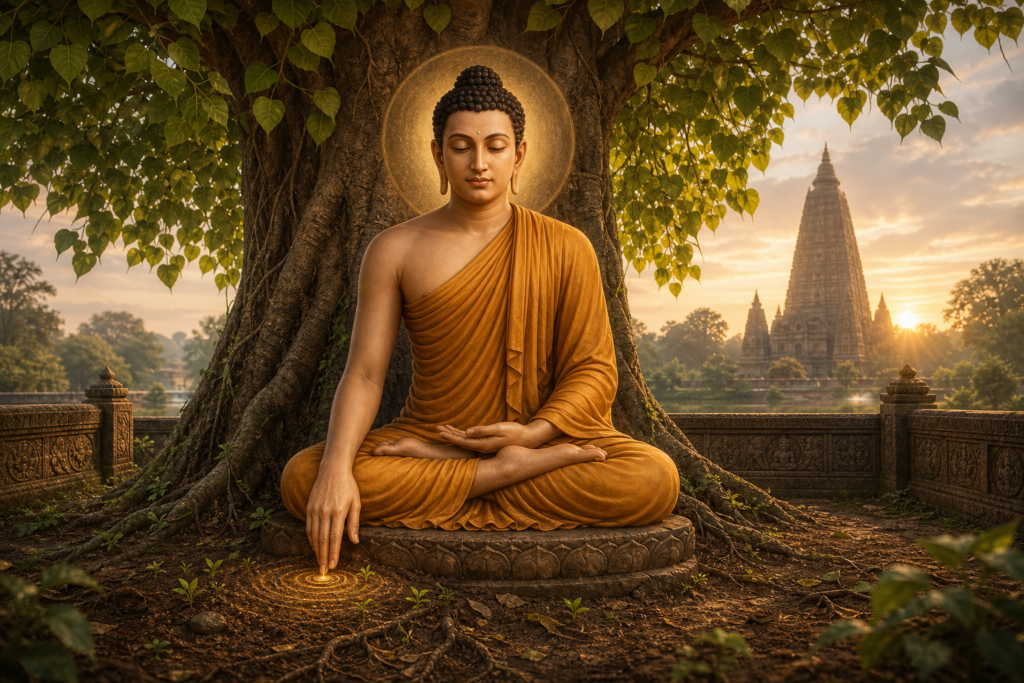
Hinduism articulates ahankara as the mistaken identification of the Self with body, mind, and social roles. In Vedanta, discernment between atman and these passing attributes loosens the grip of ego. Parallel insights resonate across dharmic traditions: Buddhism’s anatta questions any fixed, independent self; Jainism’s Aparigraha counsels non-attachment; and Sikhism emphasizes humility through Naam Simran and seva. Together, these perspectives converge on a shared ethical coreless ego, more compassion, and a fuller alignment with dharma.
Contemplating the cosmos fosters humility. Modern astronomy reveals innumerable galaxies and unimaginable distances, deepening appreciation for life’s precariousness and interdependence. This realization underscores the futility of ego, pride, and attachment to fleeting identities and possessions. It also orients attention toward what endures: inner clarity, ethical conduct, and a felt unity with all beings.
For many practitioners, everyday encountersstanding beneath a night sky, listening to ocean rhythms, witnessing the quiet dignity of eldersserve as experiential correctives to self-centeredness. Such moments cultivate gratitude, soften harsh judgments, and improve relationships. As ego recedes, community bonds strengthen and “Unity in Diversity” becomes a lived reality rather than a slogan, aligning with the pluralistic ethos shared by Hinduism, Buddhism, Jainism, and Sikhism.
Classical texts provide practical pathways. The Bhagavad Gita extols equanimity (samatva) and steady wisdom (sthitaprajñā), guiding action without attachment to outcomes. Simple disciplinesjapa, pranayama, mindful silence, and regular self-inquirygradually recalibrate attention from self-assertion to self-understanding. Complementary practices across traditionssuch as dāna, Aparigraha, mettā, Naam Simran, and sevatranslate insight into compassionate action, reducing inner turbulence and fostering collective well-being.
Seen through this integrated dharmic lens, humility is not self-negation but lucid perspective. It acknowledges the limits of control, honors the sanctity of life, and refines intention. The result is inner peace grounded in wisdom rather than in temporary success or social approval. Such peace is not passive; it empowers ethical courage, resilience, and responsible stewardship of Earth’s shared home.
Ultimately, the lesson is clear: when the ego’s horizon narrows, suffering expands; when the heart’s horizon widens, freedom (moksha) draws near. Aligning with the cosmic scale encourages a life of humility, service, and unity across dharmic traditionsan approach that elevates personal conduct and strengthens social harmony. In this way, the vastness of the cosmos becomes a teacher, guiding toward inner freedom and compassionate presence.
Inspired by this post on Hindu Blog.