Sunday fasting for serpentsrevered as Sarpa Vratam or Naga Vratamoccupies a distinctive place within Hindu rituals and Hindu traditions. Centered on devotion to the serpent deities (Nagas or Sarpas), this observance honors powerful symbols of fertility, protection, and cosmic balance. As a spiritual practice, it blends discipline, ecological reverence, and cultural memory into a coherent path aimed at divine grace and moral refinement.
In several regions, the vratam is undertaken on Sundays, aligning devotion to the Nagas with the solar energy of the day associated with Surya. Practitioners view this pairing as a means to cultivate vitality, protection, and clarity of purpose, while reaffirming humility before the subtle forces that sustain life. The vow’s cadence across successive Sundays builds steady inward focus and continuity in observance.
Traditionally, the intention of Sarpa Vratam includes seeking blessings for family well-being and offering prāyaścitta (atonement) for harmsconscious or inadvertenttoward nature, especially reptiles. In some communities, the vrata is also observed to address “sarpa doṣa” within an ethical, non-fatalistic framework that emphasizes responsibility and transformation. The ethos of ahimsa resonates here: Hinduism, Buddhism, Jainism, and Sikhism each affirm the sanctity of life and the moral duty to uphold ecological harmony and compassion.
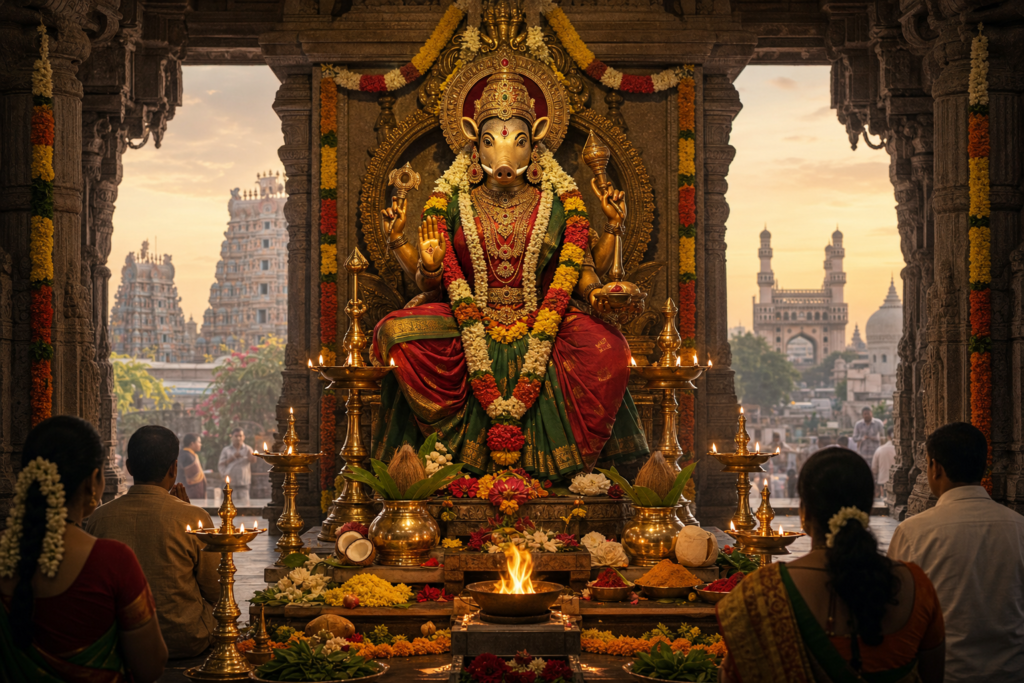
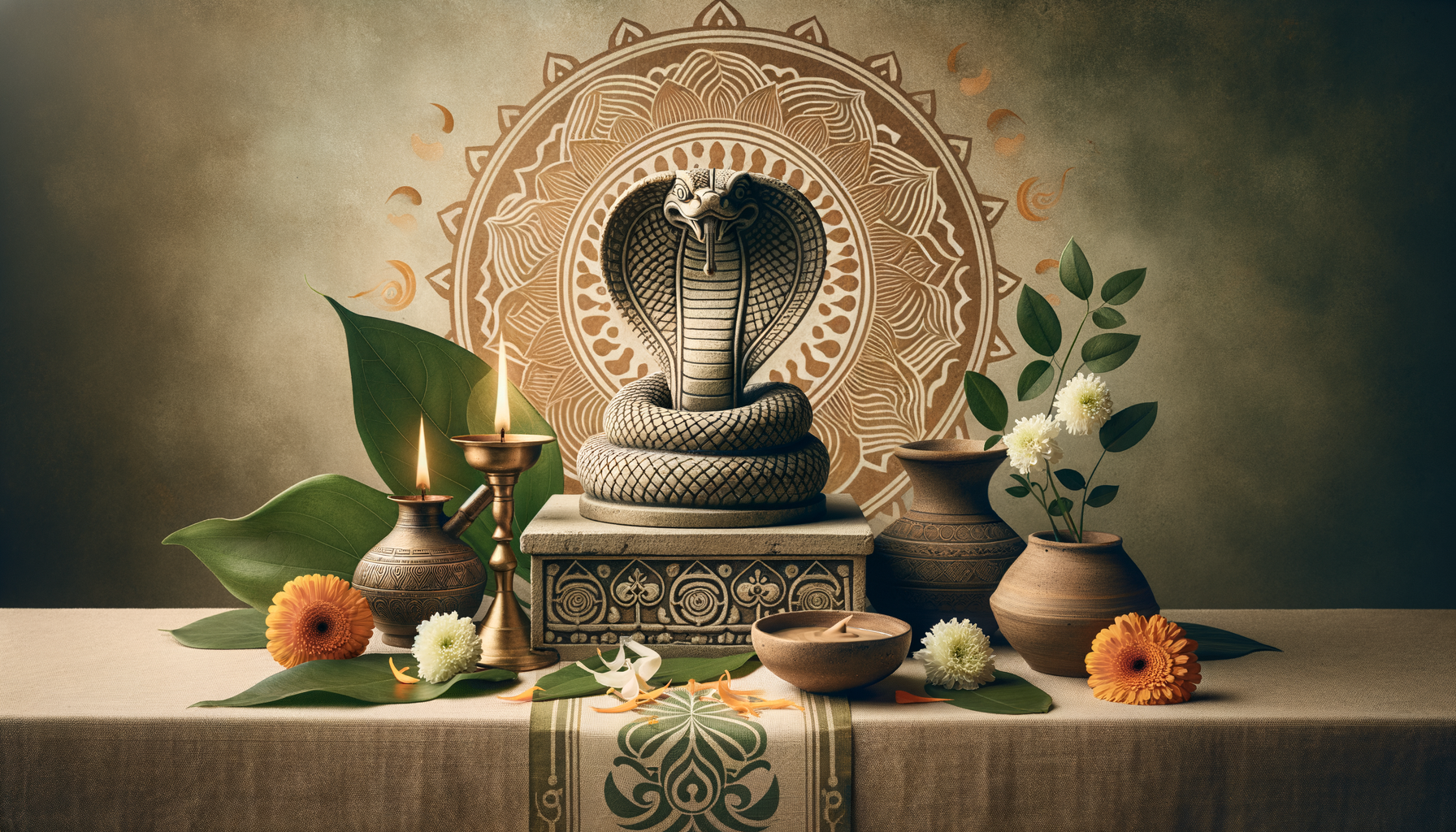
Preparations often include upavāsa (fasting) in a manner suited to health and circumstancesuch as a single sattvic meal, abstaining from grains or salt, or a complete fast with adequate hydration. Cleanliness of the space and mind is emphasized. A simple altar with an image or symbol of the Nagas, lamps, flowers, and water invites a serene atmosphere for worship. Many households prefer to offer naivedya at established Naga shrines rather than to live snakes, aligning devotion with ethical wildlife practices.
The puja commonly includes lighting a deepa, offering flowers, fragrant paste, and water, and reciting hymns such as Naga stotras or prayers to Ananta Śeṣa. Some devotees also invoke Subrahmanya (associated with serpentine energy and protection). A central element is sankalpaarticulating a clear intention to live with reverence for all beings, uphold dharma, and cultivate inner purity. Acts of seva, such as supporting biodiversity efforts or contributing to environmental care, reinforce the vratam’s spirit in everyday life.
Devotees frequently report that the Sunday discipline enhances mental clarity and emotional steadiness. The practice is described as softening fear, deepening respect for the hidden networks of life, and inspiring gratitude for protection and continuity. Over time, the vratam is seen to harmonize the rhythms of the householdinterweaving remembrance, restraint, and renewal.
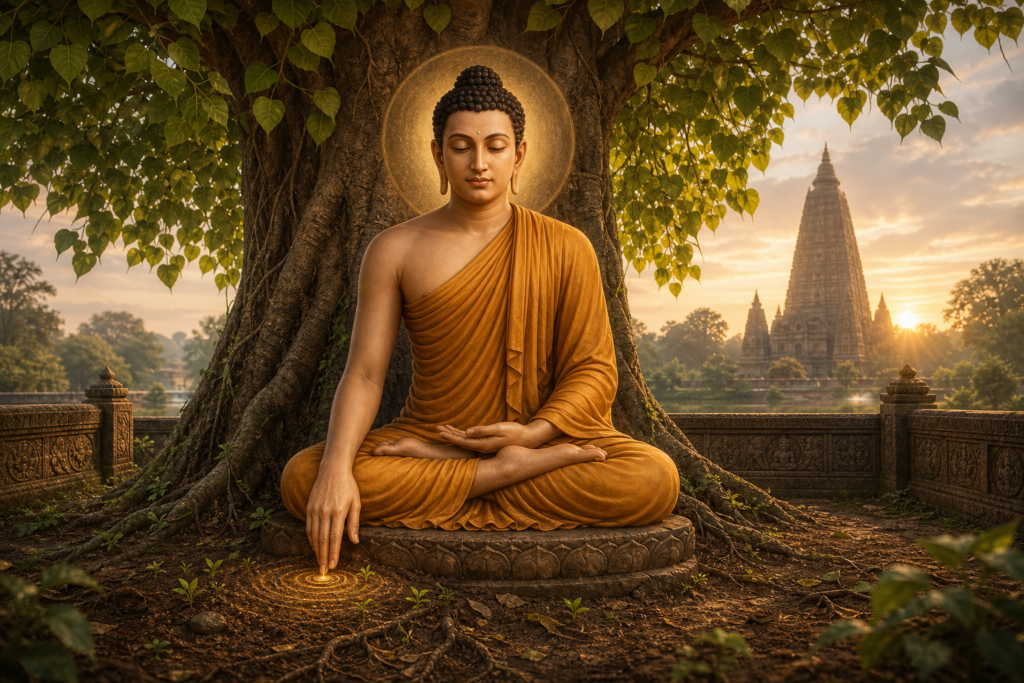
Serpent veneration carries a shared cultural memory across Dharmic paths. In Buddhist lore, Muchalinda shelters the Buddha; in Jain tradition, Padmavati and other nāga-associated forms embody guardianship; Sikh teachings emphasize the oneness of creation and ethical stewardship. By foregrounding compassion and responsibility, Sarpa Vratam becomes a meeting point for unity in spiritual diversity, strengthening religious harmony without erasing distinct identities.
Ethically, the observance avoids transactional superstition and rejects practices harmful to wildlife, such as feeding milk to live snakes or disturbing habitats. The vrata’s integrity rests on inner transformation, ecological responsibility, and steadfast non-violence. When aligned with knowledge and compassion, the vow becomes a disciplined pathway to kṣema and śreyassecurity and higher goodfor the practitioner and the wider community.
In essence, the Sunday Sarpa Vratam integrates faith, fasting, and ecological reverence into a living ritual. By honoring Nagas as guardians of fertility and balance, practitioners align personal conduct with the wider web of life. The result is a practice that is academically grounded, culturally authentic, and spiritually restorativeoffering grace, protection, and inner renewal while nurturing unity among Hinduism, Buddhism, Jainism, and Sikhism.
Inspired by this post on Hindu Blog.