Sri Vaishnavism, a major school within Sanatana Dharma, places devotion to Lord Vishnu at the heart of spiritual life and emphasizes prapatticomplete surrenderas the sure path to grace. Within this tradition, the Pancha Samskaras function as five sacred purificatory rites that shape a devotee’s identity and practice. Among them, Namathe conferring of a new, devotional namemarks a profound transformation: it aligns personal identity with divine remembrance and lifelong ethical commitment.
Nama signifies more than a change of designation; it reframes how one understands self, community, and duty within Hindu Dharma. In many Sri Vaishnava lineages, the name bestowed includes the honorific suffix “Dāsa” (servant), reflecting a conscious embrace of humility and service. By connecting the individual to an Acharya’s parampara, Nama integrates the practitioner into a living Bhakti Tradition and anchors daily life in remembrance of Vishnu’s auspicious qualities.
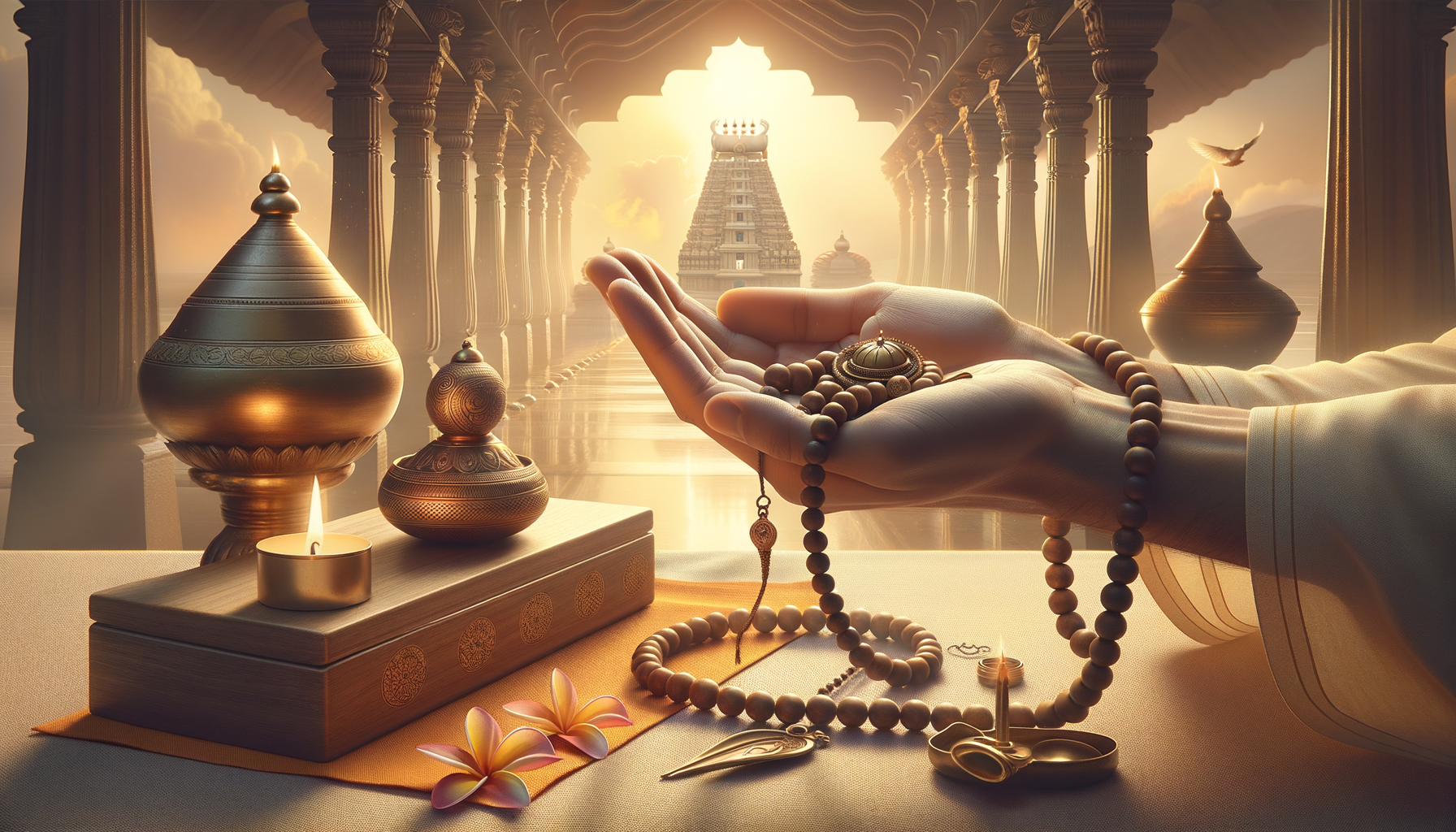
The theological foundation for Nama rests on the power of divine names in Hindu spiritual traditions. Recitations such as Om Namo Narayanaya and the Vishnu Sahasranama are cherished as direct means to cultivate devotion, purify the mind, and orient the will toward dharma. In Sri Vaishnavism, the remembrance of names (nama-smarana), silent repetition (japa), and congregational singing (kirtana) embody a practical, accessible pathway for both householders and renunciants to deepen inner transformation.
In the context of the Pancha SamskarasTapa, Pundra, Nama, Mantra, and YajnaNama is conferred in a sanctified rite under the guidance of a qualified Acharya. The ritual moment often coincides with the application of Urdhva Pundra (Pundra), the imparting of essential mantras (Mantra), and the commitment to worship and service (Yajna). Many practitioners report a quiet, stabilizing joy as the new name is spoken, a felt sense that the heart now mirrors a timeless identity: a servant of the Divine, supported by the grace of Sri (Lakshmi) and Vishnu.
Beyond ritual form, Nama shapes character and community. It encourages humility (“Dāsa” as a daily reminder), steadies attention during japa, and strengthens belonging within the Sri Vaishnava sangha. Practitioners often describe enhanced emotional balance, a clearer ethical compass, and renewed resilience in the face of adversitybenefits consistent with the contemplative focus cultivated through mantras, sahasranama recitation, and steady devotional discipline. In this way, Nama becomes a lifelong practice, not a one-time event.
Simple, proven practices help sustain Nama’s transformative intent. Daily japa of Om Namo Narayanaya, regular recitation of the Vishnu Sahasranama, and participation in collective kirtana nurture consistency. Observing vrata (self-discipline), keeping company with fellow devotees, and studying foundational texts with guidance preserve both accuracy and depth. Many also find that maintaining a personal journal of reflections on devotion, ethics, and service helps translate sacred remembrance into everyday decisions.
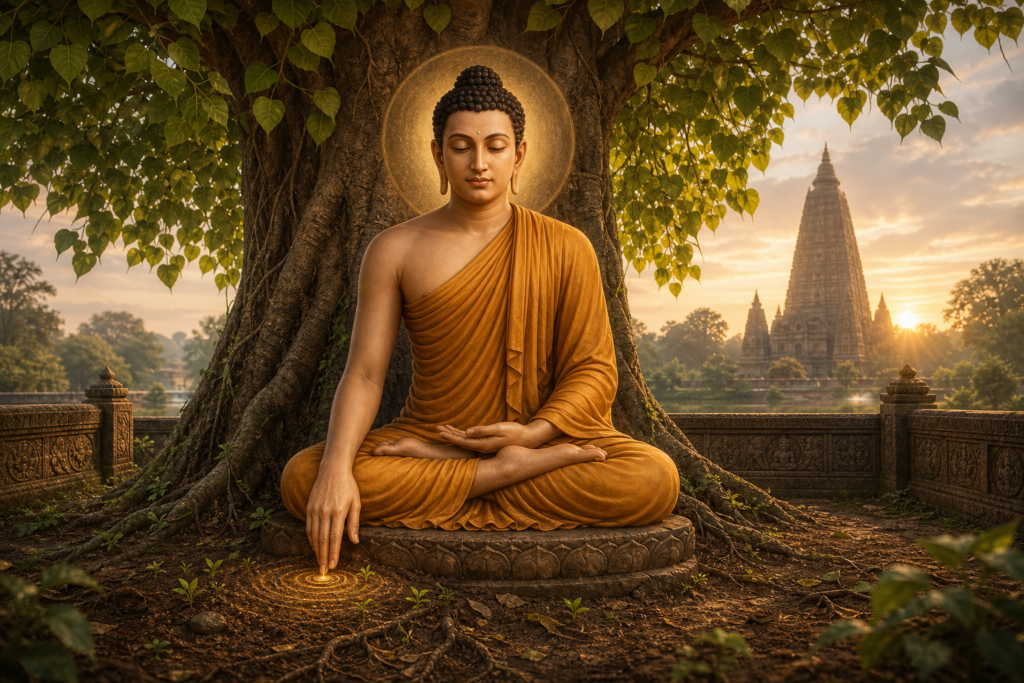
Nama also resonates with a broader dharmic ethos that honors the sanctity of the Divine Name. Sikh traditions emphasize Naam Simran (meditation on the Name) as the core of spiritual life; Jain practice venerates the Namokar Mantra as a universal salutation beyond sect; Buddhist communities cultivate remembrance formulas such as Namo Buddhaya alongside buddha-anusmṛti. These parallels highlight a shared civilizational insight: sacred names focus the mind, refine conduct, and foster unity across diverse spiritual paths. This inclusive spirit reinforces interfaith harmony among Hinduism, Buddhism, Jainism, and Sikhism while honoring each tradition’s integrity.
Historically, the Sri Vaishnava lineagefrom the Tamil Āḻvārs to systematizers like Sri Ramanuja (11th–12th century)has preserved and articulated these disciplines with care. While devotional expression has evolved through region, language, and era, the essential emphasis on surrender, remembrance, and compassionate service has remained constant. Nama endures as a signature practice that binds personal identity to the Divine and harmonizes inner devotion with communal life.
In sum, Nama in Sri Vaishnavism is a sacred reorientation of identity through the power of divine names. It refines intention, stabilizes practice, and integrates the practitioner into a lineage of devotion grounded in Sanatana Dharma. By embracing Nama with sinceritythrough japa, study, service, and ethical livingdevotees discover a complete and proven path to spiritual clarity, one that also affirms the larger dharmic unity found across Hindu, Buddhist, Jain, and Sikh traditions.
Inspired by this post on Hindu Blog.