
-
Decoding ŚB 4.19.13: Prithu’s Sacrifices, Indra’s Envy, and the Power of Dharmic Unity
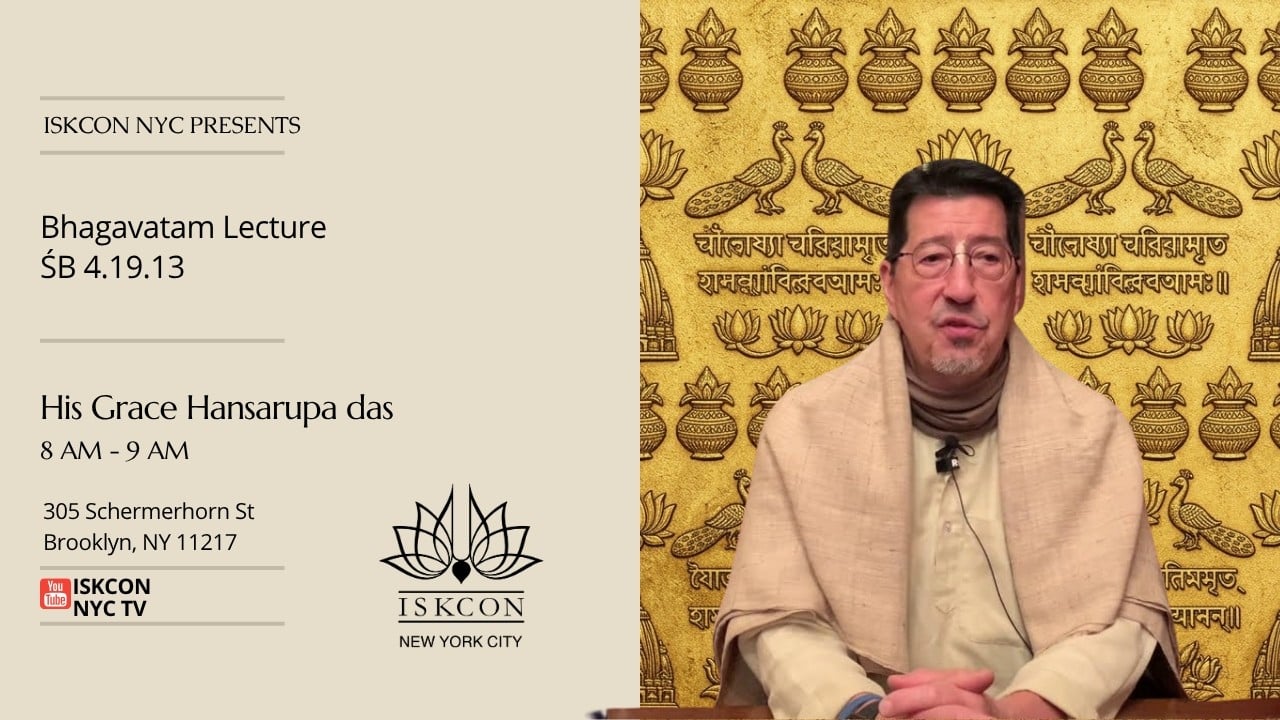
ŚB 4.19.13, discussed in a thoughtful NYC satsanga by HG Hansarupa das, anchors King Prithu’s sacrifices in the Srimad Bhagavatham as a model of ethical leadership and devotion-centered ritual. The verse sits within a chapter that warns against spiritual opportunism and reaffirms that yajña is meaningful only when guided by humility, integrity, and compassion. Framed…
-
Bhai Kanhaiya, the Sikh Water Bearer: Radical Compassion That Saw No Enemy

This essay examines Bhai Kanhaiyathe Sikh “water bearer who saw no enemy”as a rigorous case study in applied ethics, humanitarian neutrality, and dharmic universality. Set against the sieges around Anandpur in the early 1700s, it analyzes how Guru Gobind Singh’s endorsement of impartial care for the wounded institutionalized seva as the ethical spine of the…
-
Decoding Srimad Bhagavatam 3.26.9: Sankhya, Consciousness, and a Roadmap to Dharmic Unity

This in-depth exploration of Srimad Bhagavatam 3.26.9, inspired by H.H Subhag Swami Maharaj’s discourse at ISKCON Mayapur, unpacks Kapila’s Sankhya as a precise map of consciousness, causality, and liberation. It clarifies how purusha, prakriti, time, and the three gunas co-operate to shape experience, and why that structure makes ethical effort and devotion both meaningful and…
-
HG Daivi Shakti Mataji illuminates Srila Prabhupada Lilamrita: Rigorous Insights and Living Bhakti

This in-depth exploration of HG Daivi Shakti Mataji || Srila Prabhupada Lilamrita || 17-05-2026 presents Srila Prabhupada-lilamrta as both an authorized biography and a living guide to bhakti-yoga. It explains the work’s sources, method, and theological framing in Gaudiya Vaishnavism, while translating those insights into practical, measurable disciplines. Readers gain a clear view of how…
-
Empathy as the Mark of Divinity: Dharmic Teachings on Karuṇa, Dayā, and Universal Compassion

Empathy is presented as the defining mark of divinity across Hinduism and the broader dharmic family, where compassion (karuṇa/dayā) is both spiritual practice and social ethic. Grounded in scriptural foundations such as Bhagavad Gita 6.32 and 12.13, the article links inner realization with the welfare of all beings. It highlights convergences with Buddhism’s Brahmavihāras, Jainism’s…
-
Archival Spirit Vol. 10: From Ede to Sandy RidgeGlobal Impact and Dharmic Unity

This edition of Archival Spirit presents an academically grounded tribute to a seventy-four-year journey from Ede, Netherlands, to Sandy Ridge, North Carolina, tracing how small-town life can scale into global impact. Readers gain a clear frameworkreach, relevance, resilience, remembrancefor understanding legacy. The narrative integrates dharmic principles shared across Hinduism, Buddhism, Jainism, and Sikhism, highlighting Unity…
-
Akka Mahadevi Jayanthi 2026 on Chaitra Pournami: Fearless Bhakti, Timeless Vachanas, Living Heritage

Akka Mahadevi Jayanthi, celebrated on Chaitra Pournami, honors the 12th-century Kannada mystic-poet whose Vachanas transformed the Veerashaiva (Lingayat) Bhakti movement. In 2026, the observance falls on April 1, aligning devotion and study with the full moon’s auspicious clarity. The post explores Akka’s life, theological insights, and literary crafther ankita to Chennamallikarjuna, digambara-like renunciation, and engagement…
-
Reviving ISKCON Wellington: A Resilient Community Rebuilds Krishna’s Sacred Home

ISKCON Wellington’s long-serving temple closed in June 2024 due to structural and legal challenges, pausing a cherished rhythm of kīrtana, spiritual study, and free prasādam. This in-depth analysis outlines a responsible, step-by-step pathway to reestablish a sacred home for Krishna in Wellington that fully aligns with modern building, safety, and planning rules. It details seismic…
-
Awaken Dharma Shakti for National Renewal: Ramesh Shinde urges an inclusive Ramrajya

A guidance session in Saharanpur by Ramesh Shinde (HJS) spotlighted the need to awaken Dharma Shakti as a unifying force for national harmony. The address framed ‘Ramrajya’ as ethical, inclusive governance rooted in justice, compassion, and the rule of law. Emphasizing unity in diversity, it highlighted the shared dharmic values of Hinduism, Buddhism, Jainism, and…
-
Beyond Gender: How the Guru’s Universal Guidance Elevates Every Seeker in Krishna Consciousness

This reflection affirms that the guru’s role in Krishna consciousness transcends gender and other external identities. Anchored in Srila Prabhupada’s guidance, it emphasizes spiritual qualificationrealization, character, and capacity to guideas the true criterion for leadership. Framed within the Guru-Shishya Tradition of the Bhakti Tradition, the discussion invites communities to evaluate teachers by siddhanta, sadhana, humility,…
-
Transforming Temple Visits with Sacred Hospitality: Welcoming Every Guest with Love and Dignity

Sacred hospitality turns every temple visit into a dignified, inclusive, and uplifting experience. Drawing on Srila Prabhupada’s guidance, the practice emphasizes affectionate words, simple care, and thoughtful explanations of the Deities. Offering Krishna Prasadam with gratitude deepens devotion while keeping the atmosphere welcoming and serene, akin to Vaikuntha. Extending the same warmth to residents and…
-
Nama in Sri Vaishnavism: The Complete, Proven Path to Transformative Divine Identity

Sri Vaishnavism places divine remembrance at the center of spiritual life, and Namathe conferring of a devotional name within the Pancha Samskarasmarks a profound identity transformation. Grounded in prapatti and supported by practices such as Om Namo Narayanaya, japa, kirtana, and Vishnu Sahasranama recitation, Nama aligns personal purpose with devotion to Vishnu. The rite integrates…
-
Vijaya Dasami Insights: Discover the Dharma Uniting Hindu, Buddhist, Jain and Sikh
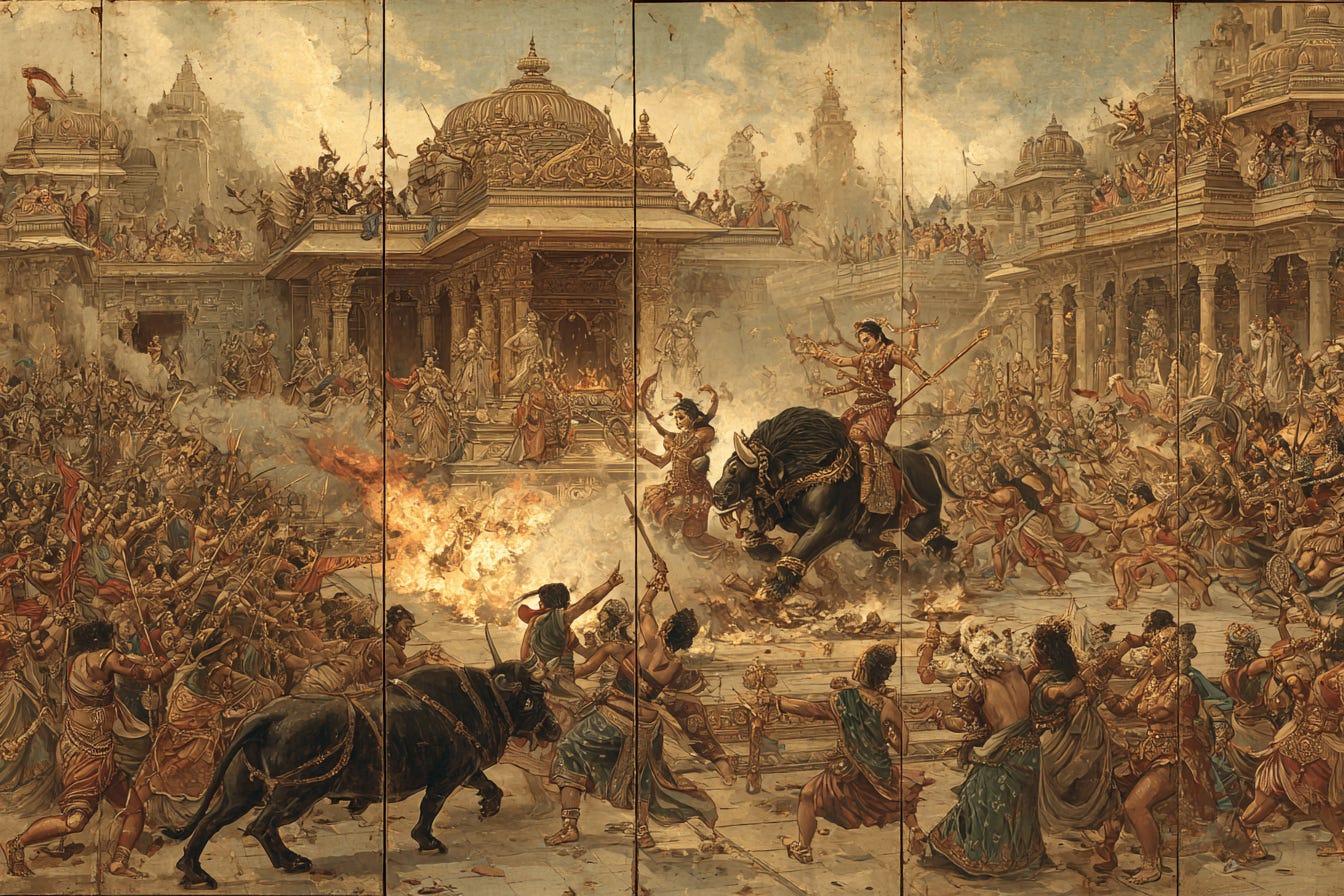
Vijaya Dasami marks the culmination of Navaratri and Durga Puja, inviting reflection on ethical clarity, cultural resilience, and shared Dharmic values. This piece highlights how Hindu, Buddhist, Jain, and Sikh traditions converge on common principles like dharma, ahimsa, satya, viveka, karuna, and seva. It explains how rigorous research and independent inquiry help preserve cultural heritage…
-
Proven Paths of Service: Discover the Joy of Arabic Book Distribution and Spiritual Unity

A moment of Arabic book distribution captured by Satyanarayana Bbt Feme shows how devotional service can inspire profound joy and community trust. The account by Krishna Kumar Prabhu highlights spontaneous receptivity and the felt “purification” that often accompanies sincere seva. Presented in Arabic, the outreach respects linguistic identity and supports interfaith dialogue without coercion. The…