Contemporary public life often sidelines the search for the divine, yet across the dharmic family of traditionsHinduism, Buddhism, Jainism, and Sikhismthere remain time-tested pathways for spiritual advancement. In this context, Hare Krishna communities in Italy exemplify how devotional practice can rekindle purpose, belonging, and ethical clarity while remaining open to shared wisdom across traditions.
In reflections aligned with the sentiments of Vrsabhanu das, Vaishnava devotees express deep gratitude to Srila Prabhupada for articulating a clear and accessible process of spiritual growth. Through bhakti-yogaanchored in chanting, scriptural study, and selfless servicepractitioners encounter coherent answers to life’s essential questions and an actionable practice that sustains progress over time. This clarity, cultivated within ISKCON, continues to resonate in Italy’s evolving spiritual landscape.
At the same time, unity in spiritual diversity is a defining strength of the dharmic ethos. While Vaishnava bhakti centers on Sri Krishna, its emphasis on compassion, discipline, and remembrance aligns with Buddhist mindfulness, Jain ahimsa and vrata, and Sikh naam simran and seva. These traditions offer complementary disciplines that guide seekers toward inner transformation, ethical responsibility, and a shared commitment to the common good.
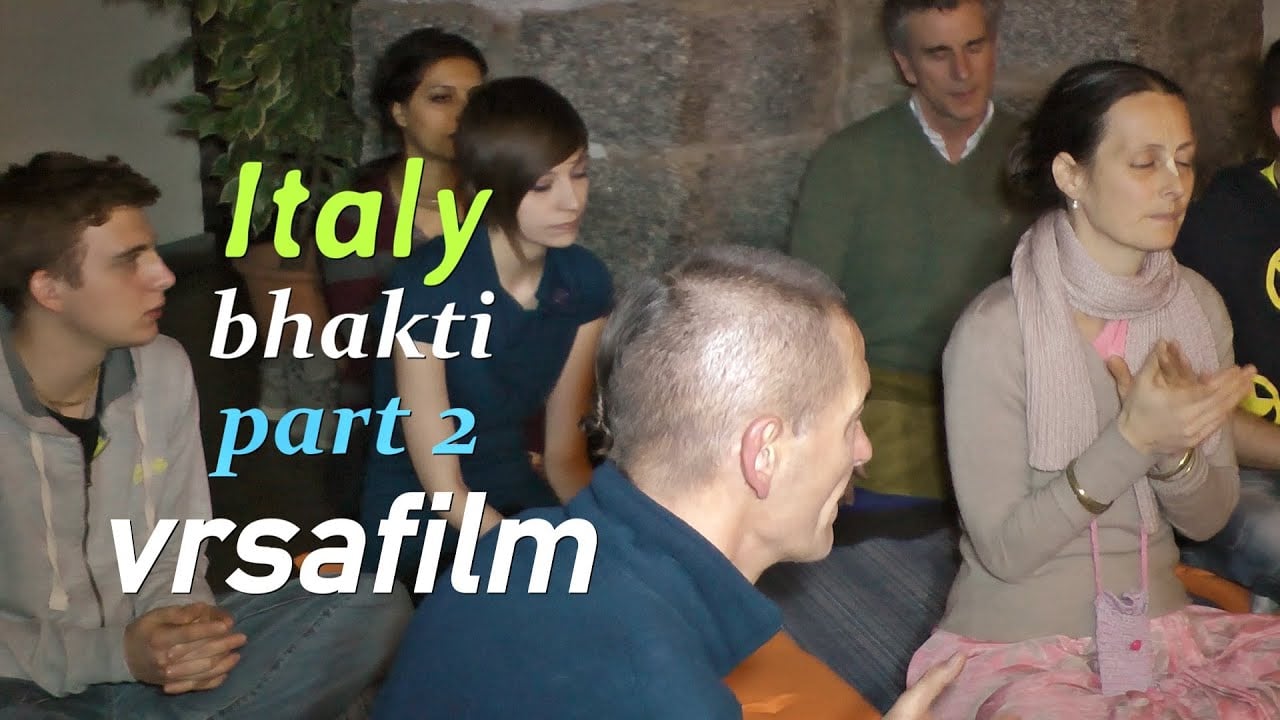
Practitioners in Italy frequently describe kirtan gatherings, study circles, and service initiatives as nurturing spaces that build community and calm the mind. The rhythmic repetition of the Hare Krishna mantra, the reflective study of texts such as the Bhagavad-Gita, and the experience of prasadam mirror the harmonious spirit seen in meditation groups and seva kitchens (langar) across dharmic communities. The result is a lived experience of reverence, kindness, and mutual respect that bridges cultures and generations.
For seekers exploring spiritual development in Europe, practical steps include: regular japa or mantra meditation; reflective study of the Bhagavad-Gita alongside the broader corpus of dharmic texts; participating in seva and community support; and cultivating an attitude of humility and inclusivity. Such practices foster steady inner growth while preserving unity across diverse paths.
Hare Krishna communities in Italy, inspired by Srila Prabhupada’s teachings, demonstrate how disciplined devotion can coexist with broad inter-traditional respect. Their example affirms a central dharmic insight: genuine spiritual progress thrives where devotion, wisdom, and compassion meethonoring many paths while advancing toward a shared horizon of inner freedom and social harmony.
Inspired by this post on Dandavats.