
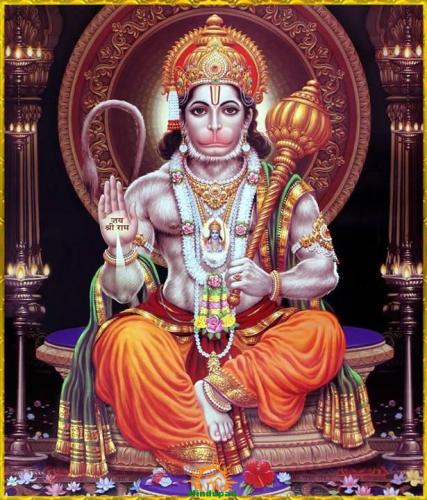
Shravan Shanivar 2026 brings together the sanctity of Shravan Maas and the devotional importance traditionally assigned to Saturday. Also known as Sawan Shaniwar, these Saturdays are observed in many households through Hanuman Puja, Shani Puja, Shravan Maas vrat and the worship of Lord Balaji (Venkateshwara Swamy). The observance is especially prominent in Maharashtra and parts of Gujarat, although related customs appear in several regions under different names and ritual forms.
Shravan Shanivar dates in 2026 at a glance. Under the Amavasyant Panchanga followed in Maharashtra, Gujarat, Goa, Karnataka, Andhra Pradesh and Telangana, the four Saturdays are 15 August, 22 August, 29 August and 5 September 2026. Under the Purnimant or North Indian Hindi calendar, the corresponding Saturdays are 1 August, 8 August, 15 August and 22 August 2026. Both lists are correct within their respective calendrical systems.
Amavasyant Shravan Shanivar 2026:
15 August 2026, Saturday
22 August 2026, Saturday
29 August 2026, Saturday
5 September 2026, Saturday
North Indian Purnimant Sawan Shaniwar 2026:
1 August 2026, Saturday
8 August 2026, Saturday
15 August 2026, Saturday
22 August 2026, Saturday
The regional date difference can be verified through the documented 2026 month boundaries. Shravan begins on 30 July and ends on 28 August in the North Indian Purnimant system. In the Amavasyant or Amanta system, it begins on 13 August and ends on 11 September. These ranges are recorded in the 2026 Shravan month-start calendar and in the regional 2026 Shravan calendar comparison.
Why two correct sets of dates exist. The Hindu calendar is lunisolar: it tracks lunar phases while remaining coordinated with the solar year. A lunar month contains approximately 29.5 civil days and is divided into Shukla Paksha, the waxing fortnight, and Krishna Paksha, the waning fortnight. Regional calendars agree on the underlying lunar phases but differ over which phase closes the named month.
In the Amavasyant system, the month begins after Amavasya and proceeds from Shukla Paksha to Krishna Paksha, ending at the next Amavasya. In the Purnimant system, the month begins after Purnima, proceeds from Krishna Paksha to Shukla Paksha and ends at the next Purnima. The technical distinction is documented in standard works on the Indian calendar, including the Indira Gandhi National Centre for the Arts edition of The Indian Calendar.
The two systems share the same Shravan Shukla Paksha in 2026. Consequently, 15 August and 22 August belong to Shravan in both systems. The earlier Saturdays, 1 August and 8 August, fall within the Purnimant Shravan Krishna Paksha but precede Amavasyant Shravan. Conversely, 29 August and 5 September fall within Amavasyant Shravan Krishna Paksha after the Purnimant month has ended. The apparent disagreement is therefore a difference in month boundaries, not an error in weekday calculation.
How a Panchanga assigns the day. Panchanga literally refers to five calendrical components: tithi, vara, nakshatra, yoga and karana. A tithi is not a fixed midnight-to-midnight date; astronomically, it represents each 12-degree increase in the angular separation between the Moon and the Sun. A tithi can begin or end at any clock time, while many observance rules consider the tithi present at local sunrise or apply a festival-specific rule. Traditional panchanga days also run from sunrise to sunrise, even though modern calendars usually display the corresponding Gregorian civil date.
Location matters because sunrise, sunset and lunar-phase timings vary with longitude, latitude and time zone. The Indian dates above are appropriate for the regional systems identified, but households outside India should confirm them with a reputable local panchanga or temple calendar. This is especially important when a tithi changes near sunrise. A date copied from an India-based calendar should not automatically be treated as the final ritual date in Toronto, London, Sydney or another diaspora location.
What Shravan Shanivar means. Shravan is widely regarded as a period of intensified vrata, pilgrimage, recitation, abhisheka, charity and devotional restraint. Lord Shiva occupies a central place in many Shravan traditions, but the month also encompasses important Vaishnava, Shakta, local and family observances. Shravan Shanivar adds the religious associations of Shanivar to this already layered sacred season.
The term Shanivar identifies Saturday as the weekday associated with Shani in the traditional planetary week. Yet Shravan Shanivar is not limited to Shani Bhagavan. The regional observance tradition also connects the day with Lord Hanuman and Lord Balaji (Venkateshwara Swamy). This combination reflects the capacity of Hindu practice to place Shaiva, Vaishnava and Navagraha devotions within one household calendar without requiring theological uniformity.
Lord Hanuman and Shravan Shanivar. Saturday worship of Lord Hanuman is established in many regional devotional cultures. Hanuman represents courage governed by humility, immense strength directed toward service and unwavering devotion to Lord Rama. Some traditions further describe Hanuman as a Rudra amsha or as possessing a special relationship with Shiva, providing an additional connection with Shravan. These interpretations belong to particular textual and devotional lineages and should not be presented as a single compulsory doctrine for every sampradaya.
Hanuman Puja on Shravan Shanivar may include a lamp, flowers, fruit, the repetition of Rama Nama, recitation of the Hanuman Chalisa, reading from Sundara Kanda or silent meditation on the virtues embodied by Hanuman. The theological center of the practice is not the mechanical accumulation of offerings. It is the cultivation of disciplined energy, loyalty, fearlessness, self-restraint and seva.
Shani Bhagavan and the ethics of responsibility. In the Navagraha framework, Shani is associated with Saturn and is commonly interpreted through themes of time, consequence, perseverance, limitation, justice and karma. Devotees may perform Shani Shanti Pujan during Shravan Shanivar, especially when following an astrological tradition that identifies Shani Dosha or a demanding Saturn period. Such claims belong to religious and astrological belief; they should not be described as scientifically demonstrated predictions.
A constructive understanding of Shani worship avoids fear-based promises. The observance can become an examination of conduct: whether responsibilities have been neglected, labor has been treated with dignity, debts have been handled honestly and vulnerable people have been supported. In this interpretation, patience and ethical correction matter more than attempts to purchase a guaranteed result through elaborate ritual.
At Shani Shingnapur in Maharashtra, Saturday and Amavasya are major devotional occasions, and oil offerings or abhisheka form part of temple practice. The Maharashtra Department of Tourism identifies the temple as a pilgrimage center dedicated to Shani, the celestial deity associated with Saturn. Visitors should follow current temple rules rather than reproducing temple-specific rites independently or pouring oil on an unapproved image, platform or public surface.
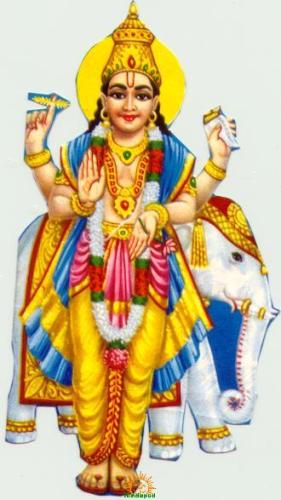
Lord Balaji (Venkateshwara Swamy) and Saturday devotion. Venkateswara, also called Balaji and Srinivasa, is worshipped as a form of Lord Vishnu. Saturday devotion to Venkateswara is especially familiar in Telugu, Tamil and other South Indian Vaishnava communities. During Shravan Maas, some households perform Venkateshwara Swamy Vratham, visit a Balaji temple, chant Govinda Nama or recite a Vishnu stotra.
The inclusion of Venkateswara alongside Hanuman and Shani reveals an important feature of lived Hinduism. A household may honor Hanuman as the exemplar of seva, Shani as a reminder of moral accountability and Venkateswara as the focus of surrender and divine grace. These devotions do not have to be collapsed into one theology. Their coexistence demonstrates unity through respectful plurality.
Ashwattha Maruti Pujan. In Maharashtra and parts of Gujarat, Shravan Shanivar Hanuman worship is known as Ashwattha Maruti Pujan or Ashwattha Maruti Poojan. It combines reverence for Maruti, a widely used name for Hanuman, with worship associated with the Ashwattha tree. The tree is sometimes confused with the banyan, but the botanical identification should be kept precise: Ashwattha is the sacred fig or peepal, Ficus religiosa, while the Indian banyan is Ficus benghalensis. The identification of Ficus religiosa is confirmed by Kew Science.
Regional practice may include cleaning the area around an Ashwattha tree, offering water or flowers where permitted, lighting a lamp in a safe designated place, circumambulation and Hanuman prayer. No ritual requires damaging the tree. Nails, staples, synthetic threads, plastic decorations, excessive smoke and substances harmful to roots should be avoided. Where the tree stands in a temple, park or shared property, the institution responsible for it should determine what offerings are permitted.
The Ashwattha also provides a thoughtful point of connection among Dharmic traditions. The sacred fig carries distinct forms of reverence in Hindu, Buddhist and Jain histories, most famously through its association with the Bodhi tree in Buddhism. These traditions should not be treated as interchangeable, yet their shared respect for sacred landscapes can support conservation, non-harm and mutual understanding. In the broader Hindu, Buddhist, Jain and Sikh family of traditions, unity is strengthened by honoring difference while recognizing overlapping commitments to discipline, compassion, seva and ethical life.
There is no single universal Shravan Shanivar ritual. Hindu observance is shaped by sampradaya, region, temple practice, family lineage, initiation and personal capacity. One household may focus entirely on Hanuman; another may perform Shani Puja; another may observe Venkateshwara Swamy Vratham; and another may simply maintain a vegetarian diet, visit a temple and give food in charity. A short, sincere observance is not inherently inferior to an elaborate one.
Beginning with sankalpa. A sankalpa gives the observance a defined intention. It may identify the date, location, chosen deity and purpose of the vrata. The purpose can be expressed without demanding a supernatural transaction: greater discipline, courage during difficulty, clarity regarding duties, family well-being, remembrance of ancestors, service to those in need or progress in spiritual practice. A familiar family formula may be used when available; otherwise, a clear statement in the practitioner’s own language is sufficient for a simple home observance.
Preparing the worship space. The space may be cleaned before the puja, and images already used by the household may be placed respectfully. A lamp, clean water, flowers, fruit and a modest naivedya are sufficient for a basic practice. Additional substances should be used only when their ritual purpose is understood. Fire safety, ventilation, allergies, children, animals and the protection of furniture or floors deserve the same attention as ritual detail.
A traditional invocation to Ganesha and the household’s guru or lineage may precede the principal worship if that sequence belongs to the family’s practice. Achamana, pranayama, nyasa or formal upacharas should not be improvised merely to make the ritual appear technical. When a complex vrata procedure is desired, guidance from a qualified priest, teacher or temple manual is more reliable than combining unrelated instructions found online.
A simple Hanuman-focused observance. The practitioner may light a lamp, make a respectful offering, chant Om Hanumate Namah or a lineage-approved mantra, recite the Hanuman Chalisa, read a selected portion of Sundara Kanda and conclude with arati. A period of service can extend the puja into daily life. Helping an elderly neighbor, feeding someone in need, assisting at a temple or completing a neglected family duty expresses Hanuman’s ideal of purposeful strength.
A simple Shani-focused observance. A lamp may be lit where household custom permits, followed by Shani Nama Japa, a recognized Shani stotra or quiet reflection on karma and responsibility. Black sesame, sesame oil or other traditional materials should be offered only in the manner authorized by the home tradition or temple. Charity involving food, clothing, accessibility support or assistance to workers can embody the ethical dimension of the observance. It should be offered respectfully rather than as a bargain intended to transfer misfortune to another person.
A simple Venkateswara-focused observance. Worship may include a lamp, water, flowers, fruit and Tulasi where it is traditionally offered and responsibly available. Devotees may chant Om Namo Venkatesaya, repeat Govinda Nama, recite Vishnu Sahasranama or listen attentively to Venkateswara devotional compositions. A formal Venkateshwara Swamy Vratham can contain a prescribed sankalpa, katha and sequence of offerings, so the version maintained by the relevant family or temple should take precedence.
Honoring all three devotional streams. A household wishing to worship Hanuman, Shani Bhagavan and Lord Balaji on the same Shravan Shanivar may keep the sequence simple. After the customary opening prayer, each deity can be honored with a short nama japa or stotra, followed by a shared naivedya and concluding arati. There is no need to invent a claim that one ritual must neutralize another. The devotional logic is complementary: service through Hanuman, accountability through Shani and surrender through Venkateswara.
Recitation and pronunciation. A mantra received through initiation should be practiced according to its lineage. For a household practice without initiation, familiar divine names, the Hanuman Chalisa, Govinda Nama and publicly recited stotras offer accessible alternatives. Recorded audio can assist pronunciation, but speed is not evidence of mastery. Slow, attentive repetition with an understanding of the prayer’s purpose usually supports concentration more effectively than hurried numerical targets.
Vrat and upavasa are related but not identical. A vrata is a religious commitment that can include dietary restraint, prayer, truthfulness, celibacy or moderation, recitation, pilgrimage, charity and disciplined conduct. Upavasa refers more specifically to fasting, although its practical form varies. Some devotees take no food for a defined period; others consume fruit, milk or one simple vegetarian meal; some abstain only from selected ingredients. Family custom and personal health determine the appropriate form.
Fasting should never be separated from health and safety. Children, older adults, pregnant or nursing individuals, people managing medical conditions and anyone taking time-sensitive medication may need to modify or avoid food restriction. Professional medical advice takes priority where fasting could create risk. Prayer, study, charity and restraint from harmful speech remain meaningful forms of vrata when a food fast is unsuitable.
Naivedya and the conclusion of the fast. Fruit, cooked grains, sweets or another simple vegetarian preparation may be offered according to local custom. Some households avoid onion, garlic or particular grains, while others do not apply those rules; no regional preference should be mislabeled as universal Hindu law. Food offered as naivedya should be prepared hygienically, treated respectfully and distributed as prasada rather than wasted.
The time for concluding the vrata also varies. Some traditions complete it after evening puja, some after temple darshan and others according to a particular vrata-katha or panchanga rule. When the family has no inherited rule, a local temple can clarify the usual practice. Hydration and any medically required food or medication should not be delayed to satisfy an improvised timetable.
Dana, seva and social responsibility. Shravan Shanivar becomes more substantial when ritual attention produces ethical action. Food donation, support for education, assistance to people with disabilities, care for animals, environmental work or respectful aid to workers can accompany the puja. Anonymous or low-profile giving helps prevent charity from becoming a display. The recipient’s dignity and actual needs matter more than the symbolic color or monetary value of an item.
Environmentally responsible worship. Biodegradable flowers and reusable vessels reduce waste. Oil, milk, colored powder, plastic and food should not be released into drains, rivers, soil or tree pits. A small symbolic offering is generally more responsible than an excessive one. Sacredness and ecological care are mutually reinforcing: a ritual honoring the divine should not leave a public space, waterway or living tree damaged.
Temple observance. A temple visit may include darshan, archana, abhisheka sponsored through an official counter, recitation or participation in a community meal. Current dress rules, entry procedures, photography restrictions and offering policies should be checked directly with the institution. Saturdays can attract large crowds at Hanuman, Shani and Venkateswara temples, so additional time, water, weather protection and accessibility planning may be necessary.
A practical morning framework. The day may begin with bathing, cleaning the shrine, lighting a lamp safely and stating the sankalpa. A short invocation can be followed by the chosen deity’s nama japa, stotra or scripture reading. Flowers, water and naivedya may then be offered. Even a twenty-minute practice can be coherent when it has a clear beginning, focused middle and respectful conclusion.
A practical daytime framework. The vrata continues through behavior. Restraint from anger, gossip, humiliation, dishonesty and unnecessary consumption can be treated as part of the vow. Time may be set aside for study, service, preparation of prasada or contact with a relative who needs support. This converts the observance from an isolated ceremony into a disciplined mode of living.
A practical evening framework. The household may gather for a second lamp, brief recitation, arati and distribution of prasada. Those observing a food restriction may conclude it according to their tradition and health needs. A short reflection can ask what was learned, which duty remains unfinished and how the virtue emphasized that week can continue beyond Saturday.
First Amavasyant Saturday: 15 August 2026. This date can emphasize sankalpa and the establishment of a sustainable routine. Hanuman’s disciplined service offers a useful theme: strength is most valuable when directed toward a purpose larger than personal pride. The practitioner may select one realistic recitation, one form of dietary restraint and one act of seva that can be repeated over all four Saturdays.
Second Amavasyant Saturday: 22 August 2026. This date may focus on accountability associated with Shani. Unresolved obligations, careless speech, financial disorder or unfair treatment of another person can be examined without fatalism. The most meaningful offering may be a concrete correction, apology, repayment or renewed commitment to a difficult responsibility.
Third Amavasyant Saturday: 29 August 2026. This date can center on surrender and trust through Venkateswara devotion. Surrender does not require passivity; it can mean performing one’s duty carefully while releasing the demand for complete control over outcomes. Govinda Nama, Vishnu Sahasranama or quiet temple darshan may support this reflection.
Fourth Amavasyant Saturday: 5 September 2026. The concluding Saturday can integrate the preceding themes of service, responsibility and surrender. The household may repeat the principal puja, complete an intended donation, share prasada and record which practice should continue. A vrata reaches its fullest value when its discipline remains visible in conduct after the formal series ends.
North Indian Purnimant households can apply the same four-part framework to 1, 8, 15 and 22 August. The sequence is devotional rather than a claim that each date carries a universally fixed theme. It simply offers a practical way to prevent four observances from becoming repetitive while keeping every week connected to the central traditions of Shravan Shanivar.
Family and diaspora observance. Shravan Shanivar often acquires emotional depth through repetition: a grandparent preparing a familiar naivedya, children hearing the Hanuman Chalisa, relatives joining by video or a family sharing prasada after temple darshan. Such experiences transmit memory as well as doctrine. Diaspora households can preserve this continuity while adapting timing, ingredients and scale to work schedules, local law and environmental conditions.
Adaptation does not require careless mixing. A household can explain which practices come from Maharashtra, which belong to a Telugu Vaishnava background and which were adopted later. Naming these sources respects the internal diversity of Hindu tradition. It also helps younger participants understand that regional variation is evidence of a living civilization rather than a defect to be corrected.
Are the Amavasyant and Purnimant dates equally valid? Yes. They use different starting and ending points for the named lunar month. The dates should be selected according to the panchanga followed by the household, temple or regional community rather than combined arbitrarily.
Is fasting compulsory? No single food rule applies to every Shravan Shanivar tradition. Some devotees fast strictly, some eat fruit or one simple meal and others emphasize prayer and charity. Health limitations justify modification, and the observance should never be used to shame someone who cannot fast.
Must Hanuman, Shani and Venkateswara all be worshipped? No. A practitioner may follow one deity, a family vrata or an integrated observance. Fidelity to a known sampradaya is preferable to adding multiple rites merely because they appear in a general guide.
What happens if one Saturday is missed? A missed observance does not justify fear or guilt. The next Saturday may be observed, or a simple prayer and act of charity may be undertaken when possible. A priest or family elder can advise when a formal vrata includes a specific completion rule.
Can the puja be performed without Sanskrit? Yes, unless a particular initiated ritual prescribes otherwise. Divine names, prayers in a familiar language and attentive reading can support genuine devotion. Sanskrit recitation should be approached with respect and learning, not used as a barrier to participation.
Should astrological claims be treated as guarantees? No. Shani Dosha, planetary periods and remedial worship belong to religious-astrological systems of interpretation. They may carry deep meaning for practitioners, but no puja should be marketed as a guaranteed cure for illness, debt, legal problems or every personal difficulty. Appropriate medical, financial or legal assistance remains necessary.
Research basis and interpretive limits. The 2026 dates follow the supplied Shravan Shanivar tradition and independently documented Purnimant and Amavasyant month ranges. The associations with Hanuman, Shani Bhagavan, Ashwattha Maruti Pujan and Venkateshwara Swamy Vratham are regional devotional customs rather than a single pan-Hindu mandate. Ritual descriptions are therefore presented as adaptable frameworks, with local panchanga, sampradaya and temple guidance taking priority.
Shravan Shanivar ultimately offers more than a list of auspicious Saturdays. Through Hanuman, it can cultivate courageous service; through Shani, patient accountability; through Lord Balaji, trust and surrender. Its regional variations demonstrate that unity does not require sameness. When calendar knowledge, careful worship, ethical conduct, health awareness and ecological responsibility are held together, the 2026 observance becomes both traditionally grounded and meaningfully relevant to contemporary life.
Inspired by this post on Hindu Pad.



Leave a Reply
You must be logged in to post a comment.