The relationship between Lord Shiva and Goddess Parvati is often misunderstood when viewed through the lens of ordinary marital dynamics. In Hindu scriptures, their disagreements are not domestic quarrels but expressions of profound cosmic principles, revealing how consciousness (Shiva) and energy (Shakti) sustain, challenge, and renew the universe. Read as sacred saṁvāda (dialogue), these narratives invite reflection on dharma, responsibility, and the balance between renunciation and engagement.
Across the Puranas and related Hindu literature, divine conflicts serve a pedagogical purpose. The stories function as līlāintentional divine playthrough which metaphysical ideas become accessible. Each moment of tension between Shiva and Pārvatī resolves into a higher synthesis, demonstrating that apparent oppositions can become complementary forces in service of cosmic order. Rather than contradiction, the narratives present a dynamic pedagogy of harmony-in-difference.
Symbolically, Shiva represents stillness, awareness, and the unconditionedpure consciousness; Pārvatī embodies Shakti, vitality, and creative manifestation. The iconic form of Ardhanārīśvara brings this unity of duality into a single image, teaching that reality is completed not by erasing difference, but by integrating it. This philosophical insight anchors Hindu mythology in an ethics of balance, where disagreements are pathways to deeper alignment rather than signs of discord.
Narrative episodes deepen this vision. The account of Ganesha’s beheading and restorationemerging from a boundary misunderstood and then compassionately healedmodels the movement from confusion to clarity through humility and reconciliation. Earlier, as Satī, the rupture at Daksha’s yajña illustrates how adharma, wrapped in pride, destabilizes sacred relationships, while subsequent renewal through Pārvatī’s tapas restores equilibrium. Stories surrounding Kārttikeya (Skanda) and Ganesha further reveal how differing temperaments and duties coexist within the same divine household, affirming plural paths within a shared dharmic framework.
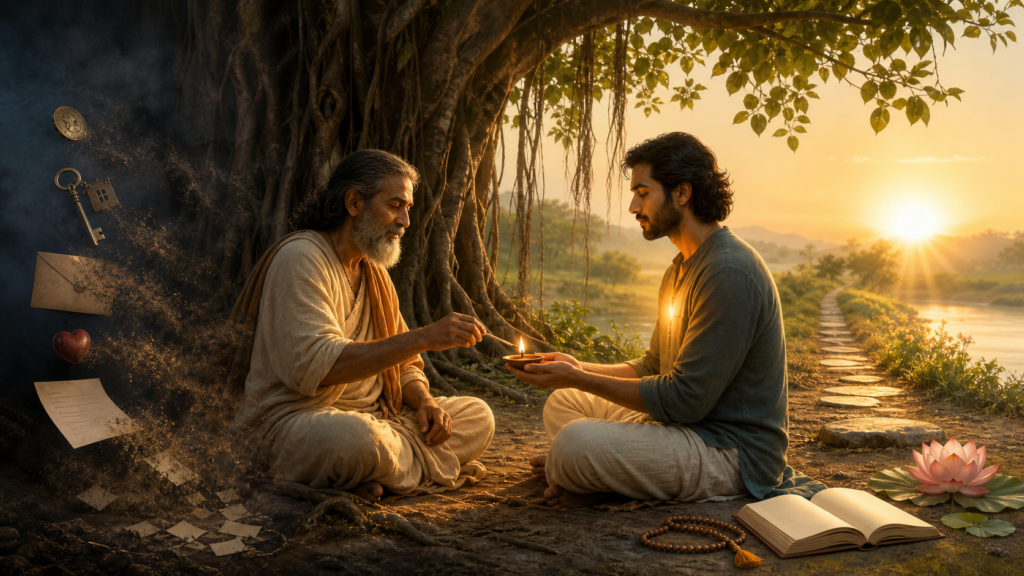
For many devotees and readers of Hindu philosophy, these narratives resonate with lived reality. Moments of disagreement in families, communities, and institutions can become opportunities for insight when approached with shravaṇa (deep listening), mutual respect, and non-attachment. The Shiva–Parvati dialogues suggest practical guidance: hold boundaries with compassion, invite reflection before reaction, and seek synthesis over victory. In this way, mythology informs mindfulness and relationship ethics in everyday life.
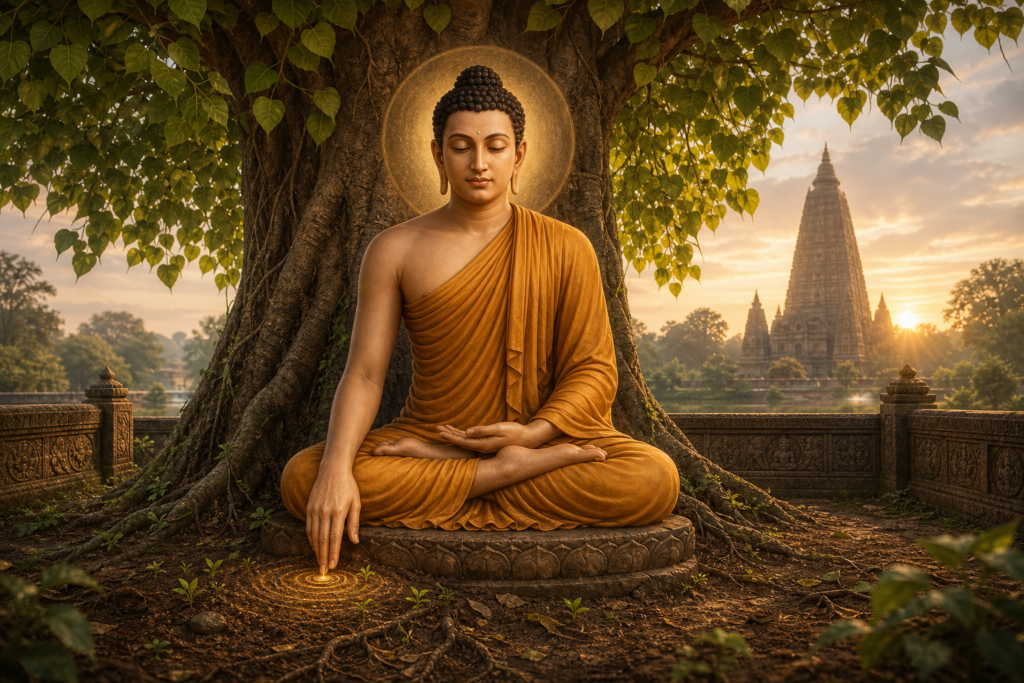
These teachings also illuminate unity across dharmic traditions. Jain anekāntavāda (the doctrine of multiple perspectives) echoes the recognition that truth is many-sided, much as Shiva and Shakti reveal complementary aspects of reality. The Buddhist madhyamā pratipad (Middle Way) aligns with the balanced movement between ascetic restraint and household responsibility reflected in their union. Sikh teachings on the dignity of family life and ethical action in the world parallel the integration of inner stillness and outer service found in the divine pair’s example. Read together, these traditions affirm a shared civilizational wisdom: plurality can be a disciplined path to harmony.
Rituals and iconography reinforce these insights. Ardhanārīśvara images, Navaratri’s celebration of Shakti, and Mahāśivarātri’s meditation on Shiva’s transcendence invite contemplation of complementary virtuescourage and compassion, clarity and care, steadiness and creativity. Such observances encourage practitioners to internalize the dialogic poise embodied by Shiva and Parvati, transforming conflict into a catalyst for self-knowledge and communal well-being.
In sum, the sacred disagreements of Shiva and Parvati are not fractures in divinity but luminous teachings on balance, responsibility, and love. By reading these stories as philosophical guidancerooted in Hindu scriptures yet resonant across Jain, Buddhist, and Sikh thoughtone encounters an inclusive dharmic vision. It is a vision in which difference is neither feared nor flattened, but refined into wisdom that sustains both spiritual depth and social harmony.
Inspired by this post on Hindu Blog.