

Sura Linga designates a class of Shivalingas understood in Hinduism to have been installed by the Suras—the Devas who safeguard ṛta, the cosmic order. Within the broad Shaiva tradition, this designation signals more than mythic authorship; it points to a theological and ritual horizon in which the Linga serves as the aniconic mark of the formless Absolute while also acting as a protective axis for the sacred landscape in which it is enshrined. The result is a convergence of metaphysics, temple science, and liturgy, where divine agency and human devotion collaborate to uphold dharma.
Etymologically, Linga means “mark” or “sign,” and in Shaiva philosophy it denotes the sign of the signless—an aniconic symbol that transcends finite form while remaining ritually approachable. “Sura,” by contrast, indicates the shining beings or Devas. When local sthala-purāṇas describe an installation accomplished by Devas—Indra, Surya, Skanda, or other celestials—the Linga is venerated as a Sura Linga, a focal point where celestial intention and terrestrial worship meet.
Puranic and Agamic literature, including strands of the Śiva Purāṇa and the Skanda Purāṇa as well as Shaiva Āgamas, preserves multiple taxonomies of Lingas. Lists often include Swayambhū (self-manifest), Daiva or Sura (installed by Devas), Ārṣa (by sages), and Mānuṣa (by humans), with some traditions also referencing Asura associations in contrastive narratives. The precise enumerations vary by text and region, but the shared intent is clear: categorization expresses degrees of sanctity, origin, and purpose, not hierarchy of spiritual access.
The Sura Linga’s special standing arises from its perceived role in re-grounding ṛta in times and places where adharma increases. In mythic memory, Devas consecrate a Linga to re-establish balance, channel protection (rakṣā), and invite sustained worship. Devotees often describe the atmosphere around such shrines as palpably protective and clarifying, a felt alignment of mind and heart that animates daily practice with courage and inward steadiness.
Shaiva metaphysics further illuminates why a Sura Linga functions as a stabilizing pole. The cosmic motif of Liṅgodbhava—the radiant column of fire without beginning or end—presents the Linga as axis mundi. The ritual Linga in the garbhagṛha then becomes a condensed axis, a microcosmic center aligning earth (pṛthvī), mid-space (antarikṣa), and heaven (dyu), and by extension aligning the worshipper’s inner cosmos through mantra, mudrā, and contemplation.
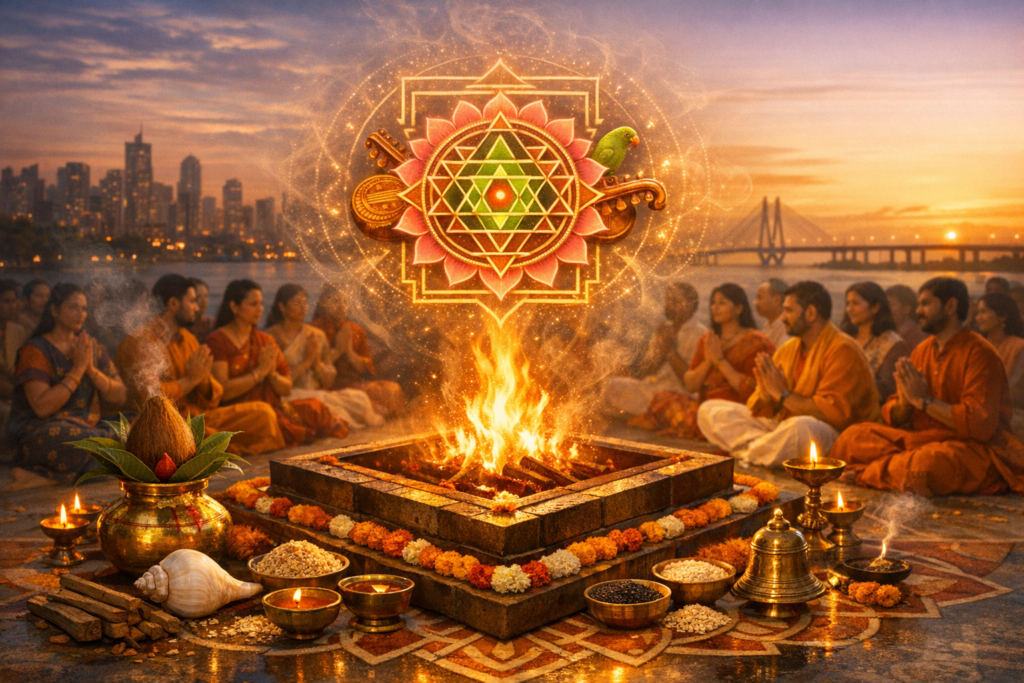
Consecration (prāṇa-pratiṣṭhā) is the pivotal rite that actualizes this alignment. Agamic procedural science prescribes maṇḍala construction, nyāsa (ritual placement of mantric energies), homa, and the installation of yantra beneath or within the pedestal, followed by continuous upacāras. While a Sura Linga is revered as divinely intended, temple tradition still completes the full Shaiva āgamic cycle, thereby harmonizing celestial origin with liturgical continuity.
Temple architecture encodes this theology with precision. The Linga typically rests upon the yoni-pīṭha, with the drainage channel (soma-sūtra) directing abhiṣeka waters outward, frequently toward the north or northeast as per vastu-śāstra and local āgama. The sanctum (garbhagṛha) is dimensioned to intensify acoustic resonance for Vedic and Agamic recitation—especially the Śrī Rudram—so that sound, space, and symbol reinforce one another.
Śilpa-śāstra texts describe the Linga’s canonical morphology as triadic: the subterranean Brahmā-bhāga (square), the intermediate Viṣṇu-bhāga (often eight-sided), and the visible Rudra-bhāga (cylindrical). This tripartite geometry encodes creation, sustenance, and dissolution, ensuring that the devotee encounters an object whose very proportions transmit philosophical insight.
Material science in worship is equally deliberate. Granite and black basalt provide durability and sonic stability for mantric vibration; sphāṭika (rock crystal) is prized for translucence and meditative clarity; bāṇa-lingas from the Narmadā are valued for naturally smooth, river-tumbled integrity. Although material does not determine sanctity, it modulates ritual emphasis—light-play for sphāṭika meditations, thermal stability for intensive abhiṣekas, and texturally resonant surfaces for daily śodhana and alaṅkāra.
The daily liturgical life of a Sura Linga typically includes snāna with water, pañcāmṛta (kṣīra, dadhi, ghṛta, madhu, and śarkarā), and seasonal dravyas such as tender coconut water and sandal paste. Vibhūti, bilva-patra, and rudrākṣa garlands carry explicit scriptural sanction, with bilva leaves especially celebrated for their trifoliate resonance with the triadic tattvas. Theologically, these offerings enact purification, cooling, and sattvic elevation, while socially they cultivate shared rhythms of devotion and service.
Among annual observances, Mahāśivarātri is preeminent. Many temples highlight the Liṅgodbhava Kalām—often near midnight—when recitation of Śrī Rudram and meditation on the endless fiery column are intensified. Practitioners commonly report a deep interior stillness during this window, a lived reminder that the formless presence animating the Linga is simultaneously immanent and transcendent.
Sthala-purāṇas across regions attribute notable shrines to Deva installations. The Somnāth tradition famously narrates Soma’s original consecration of the Linga and its subsequent restorations across yugas. Other kṣetras preserve memories of Indra, Skanda, or Viṣṇu participating in Linga installations to resolve crises or bless a territory. Such attributions vary across texts and eras, yet they consistently affirm the same principle: Sura Lingas anchor protection, prosperity, and spiritual uplift for the wider community.
From a pilgrimage perspective, Sura Lingas often stand at nodal points in sacred geography—river confluences, meridian hills, or city centers—linking ritual circuits with civic life. These sites mobilize annadāna, arts, learning, and charitable health initiatives, reflecting the Shaiva vision that worship and welfare are mutually reinforcing duties under dharma.
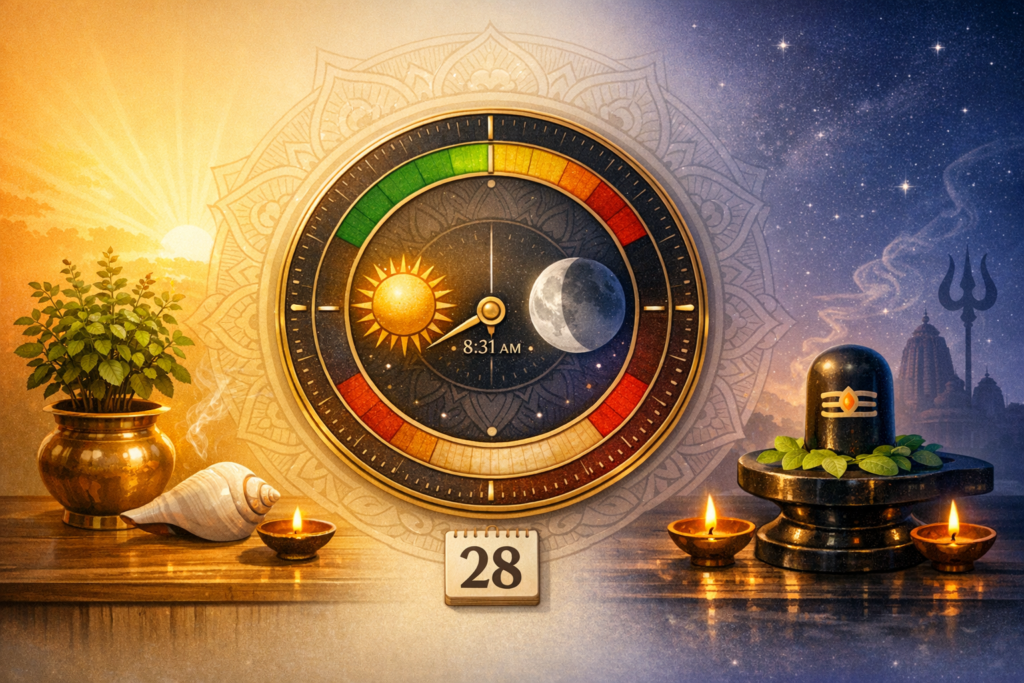
Temple science also engages time. Choghadiyā and muhūrta selections refine daily and festival schedules; lunar phases (Śukla Pakṣa and Kṛṣṇa Pakṣa) shape abhiṣeka emphases; and solar transitions like Makara Saṅkrānti and Kārttika Pūrṇimā recalibrate community participation. The ritual calendar thus integrates cosmology with ethics, guiding the worshipper toward inner order through outer rhythm.
Cross-dharmic resonances are instructive and enriching. The Linga’s role as axis and sacred center parallels, in a distinct idiom, the Buddhist stūpa’s cosmogrammatic orientation and the Jain manastambha’s vertical reminder of humility before the Absolute. Sikh tradition’s emphasis on the formless Divine (nirguṇ) and the transformative power of nām similarly underscores an inward orientation that Dharmic paths commonly valorize. While each tradition retains its unique doctrines and disciplines, their shared reverence for inner purification, ethical life, and contemplative awareness nourishes interfaith harmony within the broader Dharmic family.
Textual study complements practice. The Skanda Purāṇa, Śiva Purāṇa, and Shaiva Āgamas provide theological scaffolding; śilpa and vastu treatises supply architectural logic; and living lineages transmit recitation, mudrā, and dhyāna protocols. Together they ensure that devotion remains rigorous, not merely sentimental, and that scholarship remains life-affirming, not merely abstract.
Conservation of Sura Linga shrines requires attention to both stone and story. Physical preservation of garbhagṛha, pīṭha, and soma-sūtra must proceed alongside careful documentation of sthala-purāṇas, liturgical melodies, and regional rituals. When communities protect tangible and intangible heritage together, the temple continues to function as a living node of culture, learning, and social cohesion.
For practitioners seeking a grounded approach, three disciplines reliably deepen engagement: daily japa of “Om Namaḥ Śivāya,” mindful participation in rudrābhiṣeka on monthly Pradosha, and periodic study of selected Shaiva passages with guidance from authentic teachers. Many devotees find that even brief, consistent practice at dawn or dusk stabilizes attention and extends the sanctum’s serenity into workplace, family life, and civic responsibility.
Ultimately, a Sura Linga is less a relic of celestial intervention and more an ever-present invitation to alignment—of person with principle, community with compassion, and ritual with realization. By honoring these Shivalingas as celestial symbols of protection and order, seekers participate in a living continuum where Deva-intent and human effort co-create flourishing. In that shared endeavor, the unity of Dharmic traditions becomes evident: diverse paths, one quest for truth, and a common commitment to the well-being of all.
Inspired by this post on Hindu Blog.








Leave a Reply
You must be logged in to post a comment.