-
Sura Linga Revealed: Celestial Shivalingas of the Devas, Cosmic Order, Ritual Science, Protection

Sura Lingas—Shivalingas believed to be installed by Devas—embody a sophisticated synthesis of metaphysics, temple architecture, and ritual science in Hinduism. This long-form guide explains how Sura Lingas anchor cosmic order (ṛta) and provide a protective axis for communities, drawing on Puranic, Agamic, and śilpa-śāstra perspectives. Readers gain clarity on consecration (prāṇa-pratiṣṭhā), canonical Linga morphology, vastu-aligned…
-
Shivling Beyond Form: Debunking Phallic Myths with Scriptural and Iconographic Evidence

The Shivling is widely mischaracterized as a purely phallic symbol, yet Sanskrit philology, Purāṇic and Āgamic theology, Shilpa Shastra geometry, and the archaeological record point to a more expansive meaning: liṅga as a sign, axis, and cosmogram of the formless. This analysis explains how Lingodbhava and Jyotirliṅga narratives foreground an infinite column of light rather…
-
Purva Linga and Achala Shivlings: Uncreated Symbols of Shiva’s Eternal Presence

This article explains why the Purva Linga is counted among the Achala Shivlings in Shaivism and how it epitomizes an uncreated, immovable presence of Shiva. It clarifies the philology of “pūrva” and the aniconic meaning of the Shivalinga, linking these ideas to Lingodbhava and Maha Shivaratri. Readers learn how temple architecture, Abhishekam, and daily puja…
-
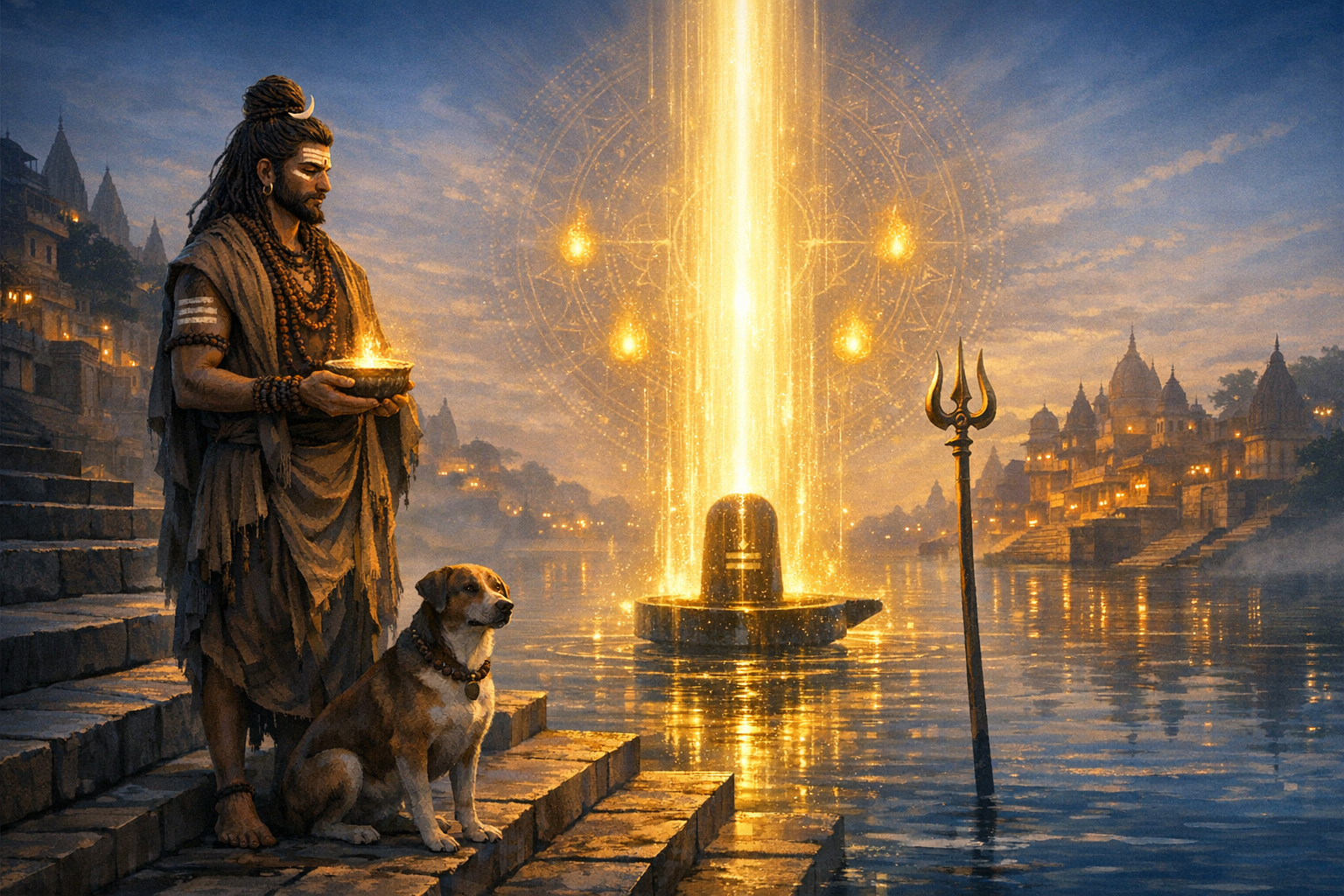
Lingodbhava—Shiva’s Infinite Pillar of Light: Iconography, Temple Rituals, and Timeless Wisdom

Lingodbhava, the manifestation of Lord Shiva as an infinite pillar of light, gathers narrative, philosophy, and temple architecture into a single, luminous symbol. The article recounts Brahma and Vishnu’s failed search for the limits of the jyoti-stambha and frames the episode as a lesson in epistemic humility rather than sectarian triumph. It traces textual roots…
-
Shiva’s Playful Forms (lilamurtis): Deep Symbolism, Agamic Iconography, Living Tradition

This essay decodes Shiva’s lilamurtis—playful sacred forms that translate the formless into transformative encounter—through the lenses of Agamic iconography, Purāṇic narrative, and living ritual. It explains the aniconic meaning of the Linga and shows how iconic forms like Nataraja, Ardhanarishvara, and Dakshinamurti encode philosophy as gesture and posture. Readers learn how temple architecture and ritual…
-
Shivaratri Jatara 2026 at Vemulawada: Dates, Rituals, Travel and a Devotional Deep Dive

Maha Shivaratri 2026 at Vemulawada Rajarajeshwara Swamy Temple will be observed on 15 February, with the three-day Shivratri Jathara running from 14–16 February. This guide explains the festival’s lunar timing, the four-prahar night vigil, and Lingodbhava Kalam at midnight. It details distinctive local practices such as Kode-Mokku and the Dharma Gundam snana, while highlighting bilva…
-
Maha Shivaratri Jagaran and Lingodbhava: Ritual Science, Sacred Myth, and Inner Awakening

Shivaratri Jāgaraṇa is the disciplined practice of wakefulness at the heart of Maha Shivaratri Vrat, guiding awareness from tamas to sattva through mantra, dhyāna, and Shivalinga Puja. Scriptural sources in the Shiva Puranam and Linga Puranam describe Lingodhbhavam, the emergence of Śiva as an endless column of light, establishing the linga as the aniconic sign…
-
Mahashivaratri 2026 at Srisailam Mallikarjuna: Jyotirlinga–Shakti Peetha Rituals, Nishita Kaal, and Pilgrim Guide

Mahashivaratri 2026 at Sri Bhramaramba Mallikarjuna Swamy Temple, Srisailam, is observed on February 15 and centers on the sacred Nishita Kaal midnight worship of Shiva. This in-depth guide explains the festival’s tithi logic, four-prahar puja structure, and the Lingodbhava rites unique to Shivaratri. It highlights Srisailam’s unparalleled status as both a Mallikarjuna Jyotirlinga and a…
-
Maha Shivaratri 2026 Lingodbhava Kalam: Midnight Muhurat, Ritual Guide, Calendar Science

Maha Shivaratri 2026 will be observed on the night of Sunday, 15 February, with Lingodbhava Kalam—the most auspicious Maha Shivaratri Muhurat—occurring around local midnight and extending into the early hours of Monday, 16 February, by the Gregorian calendar. Rooted in the Krishna Paksha Chaturdashi tithi and anchored in Nishita Kaal, this midnight window aligns ritual…
-
Shivaratri Jagran & Lingodhbhavam: Sacred Night Vigil, Cosmic Origin, and Ritual Science

Shivaratri Jagran (Jagarana) is the central discipline of the Shivaratri Vrata, a structured night vigil that aligns fasting, mantra, and meditation into a single, transformative practice. Grounded in the Shiva Purana and Linga Purana, it culminates at the Lingodhbhava Kalam—midnight rites recalling Shiva’s manifestation as the infinite pillar of light. The article explains the theological…
-
Mahashivaratri 2026 at Srisailam Mallikarjuna: Sacred Night, Rituals, Timings, and Pilgrim Guide

Mahashivaratri 2026 at Srisailam Mallikarjuna Swamy Temple falls on February 15, with the Nishita Kaal (midnight) puja as the festival’s apex. This guide explains the calendar logic (Magha/Phalguna Krishna Chaturdashi), details the temple’s rare dual sanctity as a Jyotirlinga and Shakti Peetha, and outlines core rituals such as Rudrabhishekam, bilvarchana, and the Lingodbhava aradhana. Readers…
-
Maha Shivaratri 2026 Puja Muhurat Guide: Exact Date, Nishita Kala & Lingodbhava Insights

This in-depth guide clarifies that Maha Shivaratri 2026 is observed across India on the night of 15 February, with both South and North Indian calendars aligned. It explains the rule of Ratri Vyapini Chaturdashi and details why Nishita Kala—the midnight-centered muhurta—is prioritized for Shiva puja. Readers learn a precise, location-specific method to compute Madhyaratri and…
-
Maha Shivaratri 2026 Lingodbhava Kalam: Sacred Midnight Timings (15–16 Feb) & Puja Guide

Lingodbhava Kalam during Maha Shivaratri 2026 falls on the night of Sunday, 15 February into Monday, 16 February, centered on local midnight within the Nishita Kaal. This guide explains how to determine the precise window using the Hindu calendar and panchang methods by calculating the midpoint between local sunset and sunrise. It outlines the four-prahara…