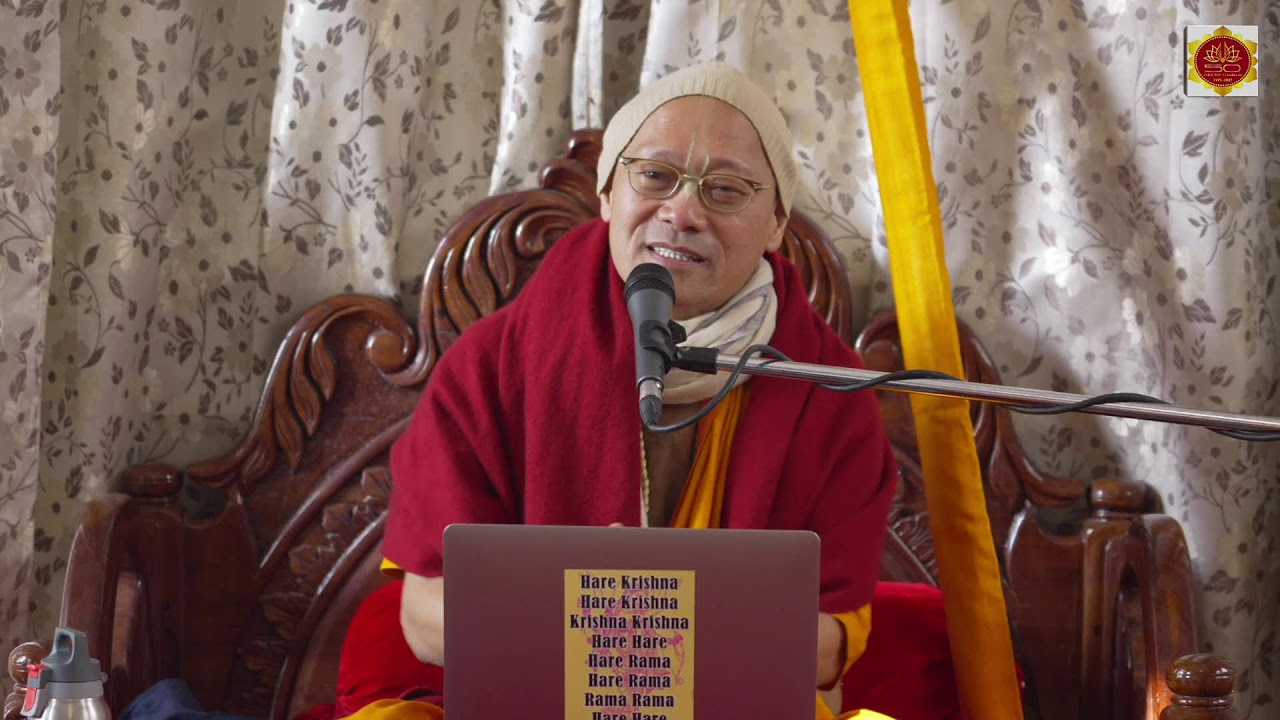
On 03.12.2025 at ISKCON Vrindavan, the exposition on Srimad-Bhagavatam (SB) 10.87.03 illuminated a central tenet of Vedic philosophy: confidential knowledge of the Absolute Truth (tattva) is trustworthy when received through authentic paramparā. The teaching emphasizes that wisdom preserved by learned sages across time commands thoughtful confidence, not as blind belief, but as disciplined engagement with a living tradition of realized guidance.
The verse highlights an epistemology grounded in śabda-pramāṇareliable testimony from realized sourcescomplemented by reason and experience. When the science of the Supreme (bhagavat-tattva-vijñāna) is cultivated with reverence, it naturally directs practitioners away from distractions such as fruitive ritualism (karma-kāṇḍa) and unanchored mental speculation. In this maturation, one relinquishes upādhisfalse designations and identity labelsand moves toward authentic self-understanding aligned with Sanatan Dharma.
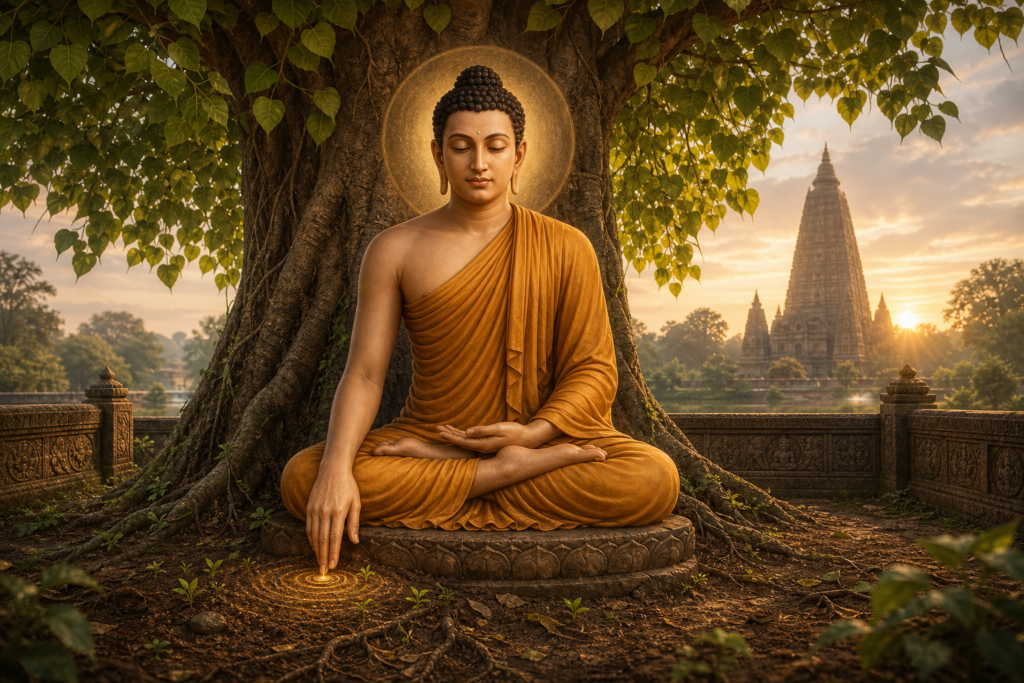
This focus on releasing limiting identities resonates across the broader dharmic spectrum. Hindu scriptures, the Upanishads, and the Bhakti Tradition speak of transcending ego-bound identifications through śravaṇa, kīrtana, and seva. Parallel insights can be discerned in Buddhist attention to non-clinging, Jain dedication to ahiṁsā and self-mastery, and Sikh emphasis on nām-simran and seva. While doctrinal frameworks differ, a shared commitment to inner clarity, ethical living, and compassionate action supports unity in spiritual diversity.
The reflection at ISKCON Vrindavan situates these timeless teachings in contemporary life. In a world saturated with information and performance-driven identities, the call to move beyond upādhis encourages steadiness, humility, and relational harmony. Practical steps include regular study of Hindu scriptures (śravaṇa), contemplative practice, service to community, and respectful interfaith dialogueeach strengthening discernment while fostering social cohesion.
Emotionally and existentially, the message offers reassurance and purpose. Trust in paramparā honors the continuity of wisdom. Turning from ritualism for material gain and speculation without grounding cultivates interior freedom. Recognizing the shared ethical horizons of Hinduism, Buddhism, Jainism, and Sikhism invites collaboration rather than competition, supporting a culture of peace anchored in dharma.
Presented through the lens of SB 10.87.03, the discourse underscores that clarity about the Absolute arises through reverence, disciplined practice, and compassionate engagement. By relinquishing false designations and embracing a life of service and remembrance of Krishna, seekers align with a tradition that is at once ancient and urgently relevant, nurturing unity and resilience within and across dharmic traditions.
Inspired by this post on Dandavats.