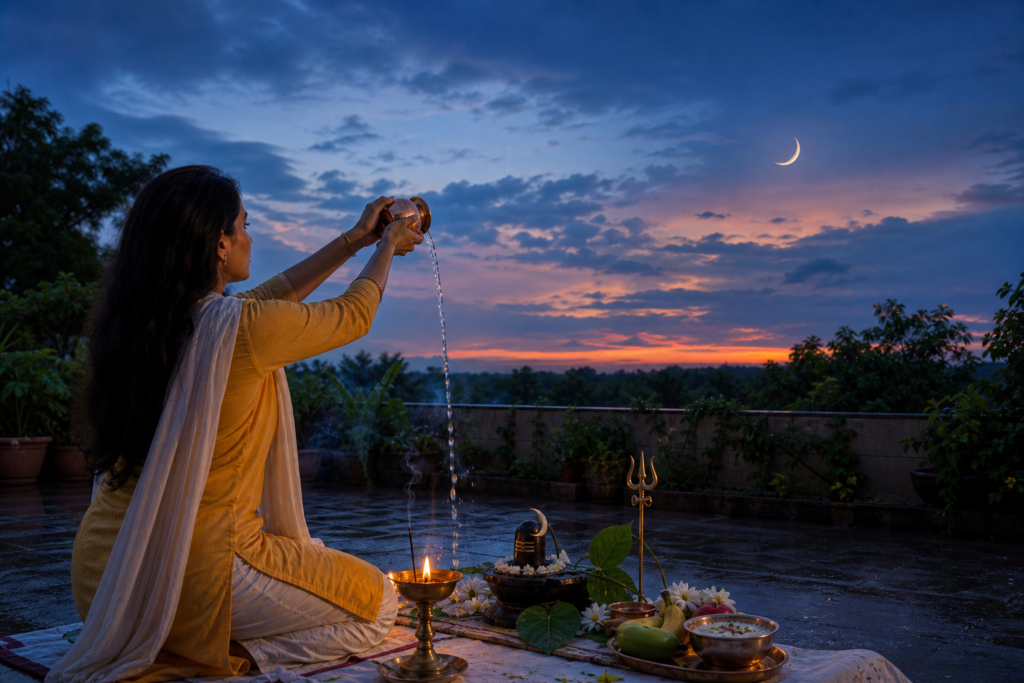
What is Lakshmi Janma Vrittantha? In the Padma Purana, the birth of Goddess Lakshmi (Mahalakshmi) is presented as a profound cosmological event that intertwines myth, ethics, and spiritual symbolism. This narrative, often associated with the Samudra Manthan (the churning of the Ocean of Milk), remains a cornerstone of Hindu scriptures and a living source of inspiration for devotees seeking prosperity aligned with dharma.
The Padma Purana frames the account as a dialogue in which Bhishma inquires into the manifestation of Goddess Lakshmi, and Pulastya replies with a detailed exposition. The context is pivotal: after the devas suffered defeat at the hands of the asuras, cosmic balance faltered. Seeking restoration, the devas approached Vishnu for guidance, signaling the beginning of a collaborative endeavor that would renew order and abundance.
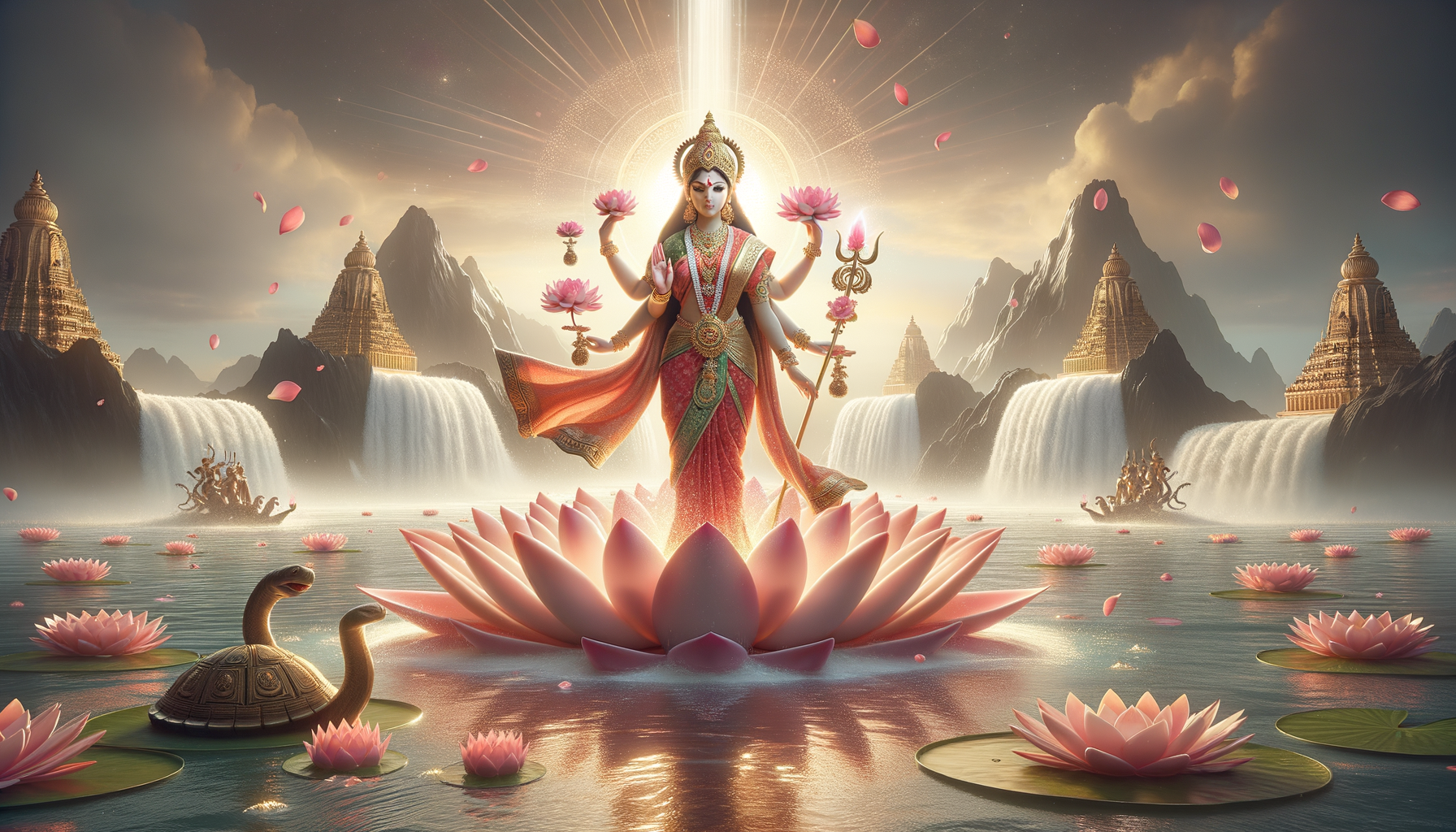
Vishnu advised an extraordinary undertakingthe churning of the Kshira Sagara, the Ocean of Milk. A truce was brokered between devas and asuras, underscoring an essential theme of the Puranas: even opposing forces can cooperate for a higher purpose. Mount Mandara served as the churning rod, Vasuki as the rope, and Vishnu supported the enterprise in the Kurma (tortoise) avatara, bearing the mountain’s immense weight to stabilize the process.
The churning first produced the terrible Halahala poison, threatening all life. Shiva, in a supreme act of compassion, contained the poison by consuming it, preserving the possibility of creation’s renewal. This episode, placed within the broader Purāṇic tradition, emphasizes that true prosperity often follows the courageous resolution of danger and disorder.
As the churning continued, treasures emerged in a luminous sequenceKamadhenu, Ucchaiḥśravas, Airāvata, the Kalpavṛkṣa, celestial jewels, Varuṇī, and apsaraseach symbolizing aspects of cosmic fertility and culture. Then appeared ŚrīGoddess Lakshmiarising from the ocean seated upon a blooming lotus, radiating auspiciousness. Purified by sacred waters and adorned with divine ornaments, she carried the garland (varamālā) that signified her choice of consort.
Before the gathered devas and asuras, Lakshmi chose Vishnu, uniting Śrī and Nārāyaṇa. This union is the archetype of cosmic harmony: wealth (śrī) anchored in righteousness (dharma). From this moment, prosperity becomes more than material gain; it is ethical abundanceorderly, graceful, and sustainablebestowed upon those who honor truth, balance, and responsibility.
Interpreted symbolically, the Samudra Manthan becomes a metaphor for inner sādhanā. The ocean reflects the depths of consciousness; Mandara signifies steady discipline; Vasuki, the dynamic energy of effort; and Kurma, unwavering support. Out of the “churning” of life’s trialsonce toxicity is faced and transformedemerges Lakshmi: clarity, virtue, and prosperity in their highest forms. Such readings resonate across dharmic traditionsHindu, Buddhist, Jain, and Sikhwhere disciplined practice, compassionate action, and ethical living are recognized as pathways to inner and outer well-being.
Ritually and culturally, this origin story illuminates practices such as Lakshmi Puja during Deepavali and the contemplation of Gaja-Lakshmi as an emblem of regal grace and fertility. The narrative also informs observances linked to the Kshira Sagara motif, reinforcing that wealth, to be auspicious, must flow through virtuous conduct, generosity, and communal harmony.
In essence, the Padma Purana’s Lakshmi Janma Vrittantha teaches that enduring prosperity arises when human endeavor aligns with divine order, when cooperation transcends rivalry, and when the mind’s ocean is churned with courage and care. By uniting diligence (puruṣārtha) with dharma, society invites the blessing of Mahalakshmiprosperity that benefits not only the individual but the collective, nurturing harmony among all who walk the dharmic path.
Inspired by this post on Hindu Pad.