-
Vermilion Box (Sindoor Dabi): Goddess Lakshmi’s Grace, Prosperity Rituals, and Living Heritage

The Vermilion Box (Sindoor Dabi) is a living symbol of Goddess Lakshmi’s grace in Hindu homes, especially in Bengal and eastern India. This long-form exploration traces its ritual role in Panchopachara and Shodashopachara, its association with the sacred feminine, and its regional craft vocabularies. Readers learn how red—through kumkum or sindoor—visualizes ethical prosperity, and how…
-
Lakshmi Ganapati in the 32 Forms: Tantric Iconography, Sacred Symbolism, and Meaning

Lakshmi Ganapati—one of Ganesha’s thirty-two forms—embodies the sacred union of wisdom and prosperity within a Tantric and puranic framework. This in-depth guide clarifies that the name denotes Ganesha infused with Lakshmi-tattva, often attended by Siddhi and Riddhi, rather than a substitution with Goddess Lakshmi. Readers will learn how each attribute—pasha, ankusha, ratna-kumbha, modaka, and lotus—maps…
-
Did Goddess Lakshmi Slay Demons? Scriptural Evidence on Kolhasura and Mahishasura

Did Goddess Lakshmi slay demons? Scriptural and regional traditions answer yes in her fierce Mahalakshmi form. The Skanda Purana’s Karavira Mahatmya narrates Mahalakshmi (Ambabai) defeating Kolhasura at Kolhapur, while the Devi Mahatmya’s Mahishasuramardini cycle—often assimilated devotionally to Mahalakshmi—captures the goddess’s triumph over Mahishasura. This article clarifies how Śrī-Lakshmi’s benevolent identity and Mahalakshmi’s protective power coexist…
-
Ugra Lakshmi Unveiled: Fierce Iconography, Tantric Theology, and Living Rituals of Protective Grace

This comprehensive study explores the fierce (ugra) manifestations of Goddess Lakshmi through iconography, tantric theology, and living ritual practice. It clarifies that ugra, far from implying aggression, denotes vigilant, protective radiance aligned with dharma. Drawing from the Śrī Sūkta, Purāṇic hymns, the Lakṣmī Tantra, and the Devī Māhātmya, it maps how Lakshmi’s compassion assumes martial…
-
Pradhanikarahasya on Mahalakshmi’s Supremacy: Unveiling the Primordial Shakti of Creation

Pradhanikarahasya, an annex to the Devimahatmya (Durgasaptashati), presents a rigorous Shakta theology in which Mahalakshmi is the primordial source of creation. It integrates Vedic and Upanishadic insights to show how Shakti is both nirguna and saguna, aligning non-dual metaphysics with living devotion. The text decodes the Devimahatmya’s three episodes through the three gunas, offering a…
-
Why Red Rules Hindu Temples: Shakti, Auspiciousness, Ritual Power, and Color Science

Red in Hindu temples is far more than ornament; it is the visual pulse of Shakti, auspiciousness, and energized devotion. This article explains how scriptures, Agamic traditions, and Shakta Tantras align red with rajas and protective grace, while temple practices translate meaning into materials such as kumkum, sindoor, and red flowers. It examines the role…
-
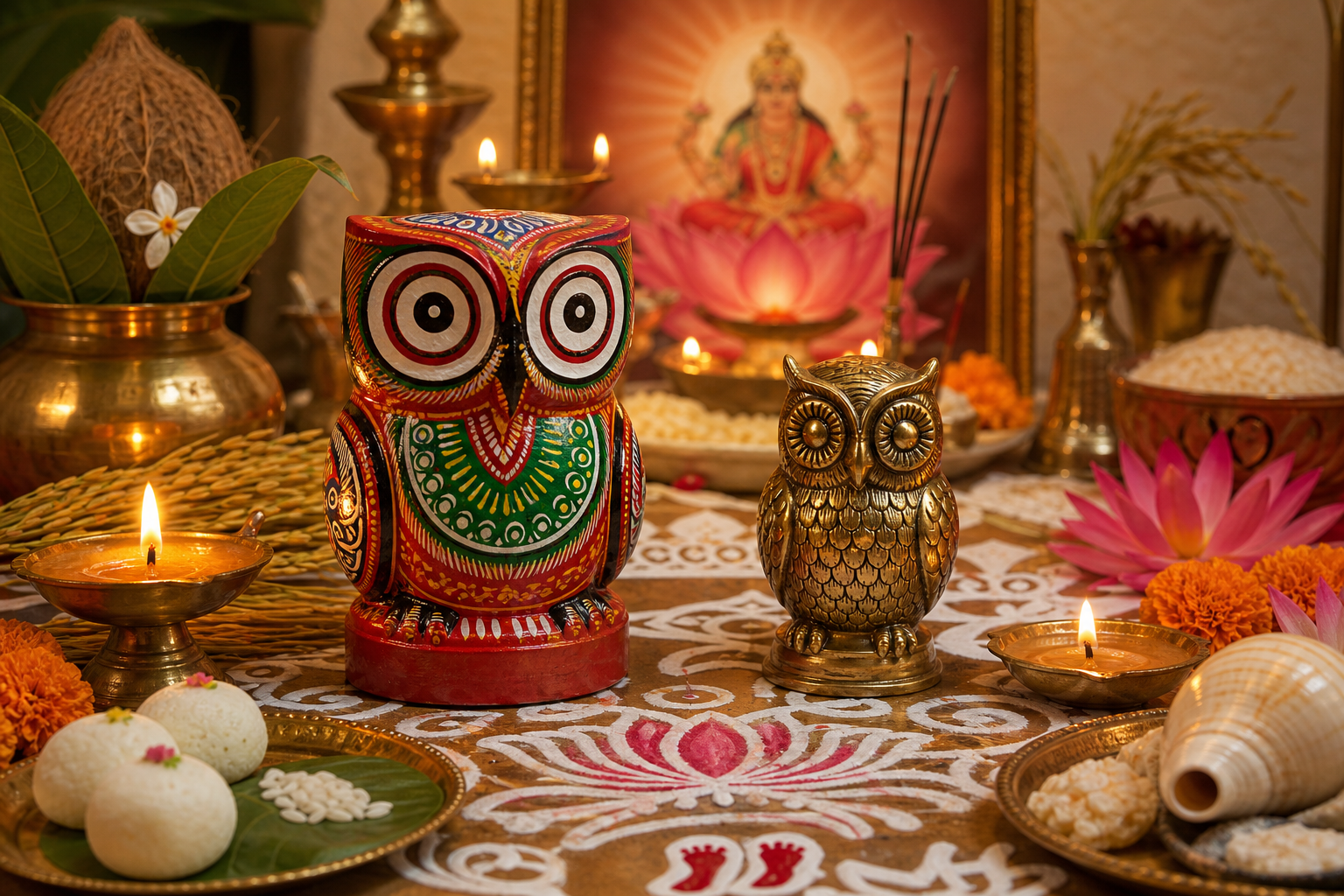
Why Hindu Gods Ride Animals: The Profound Symbolism Behind Ganesha’s Mouse and Skanda’s Peacock

Why do Hindu gods ride animals such as Ganesha’s mouse and Skanda’s peacock? In Hindu iconography, vāhanas are a precise symbolic language codified in Purāṇas, Āgamas, and śilpa-śāstra that maps each deity’s ethical and cosmological function. Animals personify instincts and forces that the deity harmonizes, teaching that spiritual mastery begins with taming subtle habits. Case…
-
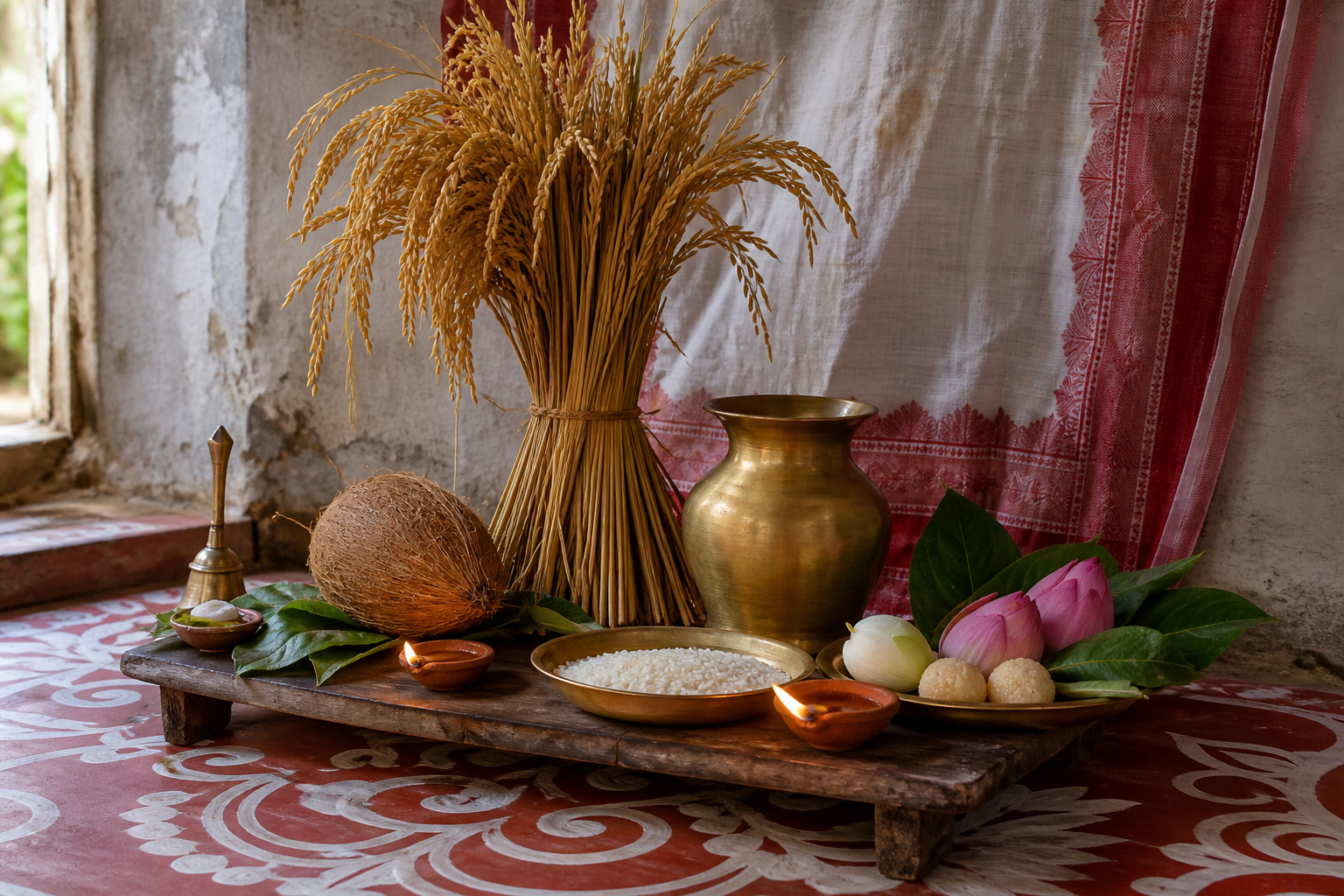
Lakshmi Ghot in Bengal: Sacred Clay-Pot Worship for Prosperity, Harmony, and Eco-Devotion

Bengal’s Lakshmi Ghot tradition consecrates an earthen pot as the living locus of Goddess Lakshmi, offering a compact yet theologically complete home ritual. This long-form guide decodes the symbolism of the kalasha—clay, water, leaves, grains, and coconut—as a microcosm of abundance governed by dharma. It situates the practice within Kojagari Lakshmi Puja on Sharad Purnima…
-
Bilva Tree and Goddess Lakshmi: Timeless Symbolism, Prosperity Rituals, and Sacred Ecology

The Bilva tree (Aegle marmelos) is venerated in Hinduism not only as dear to Shiva but also as a sacred abode of Goddess Lakshmi, embodying durable, dharmic prosperity. This long-form exploration synthesizes scripture, ritual practice, Ayurveda, and temple ecology to show how Bilva bridges Śaiva and Vaiṣṇava devotion while nurturing household well-being. It explains the…
-
Sita Navami 2026 (Apr 25): Auspicious Puja Vidhi, Vrat Guide, Panchang Rules & Significance

Sita Navami 2026 falls on April 25, aligning with Vaishakha Shukla Navami in the Hindu calendar. This comprehensive guide explains the festival’s scriptural foundations, cultural depth, and ecological symbolism, spotlighting Sita as an embodiment of dharma and a manifestation of Goddess Lakshmi. It clarifies Panchang-based tithi rules, the Udaya Tithi and Madhyahna approaches, and why…
-
Akshaya Tritiya Lakshmi Puja: Auspicious Timings, Kubera Vidhi, and Proven Ritual Steps

Akshay Tritiya or Akshaya Trutiya, observed on Vaishakh Shukla Tritiya, is celebrated as a sarva-siddha muhurta to honor Goddess Lakshmi through Lakshmi Puja and Kubera worship. The day’s ethos—“akshaya,” or imperishable prosperity—combines devotion with ethics: wealth must be cultivated, stewarded, and shared. This guide details a complete, home-friendly Lakshmi Puja vidhi, including kalasha sthapana, Shodashopachara…
-
Akshaya Tritiya’s Eternal Blessings: Scriptural Events, Shared Dharma, and Timeless Charity

Akshaya Tritiya, observed on Vaishakha Shukla Tritiya, is celebrated across dharmic traditions as a day of inexhaustible merit and compassionate action. Hindu scriptures connect it with Parashurama Jayanti, the Akshaya Patra narrative in the Mahabharata, Annapurna’s alms to Shiva, and the traditional commencement of Vyasa’s dictation to Ganesha. Popular associations also include the spirit of…
-
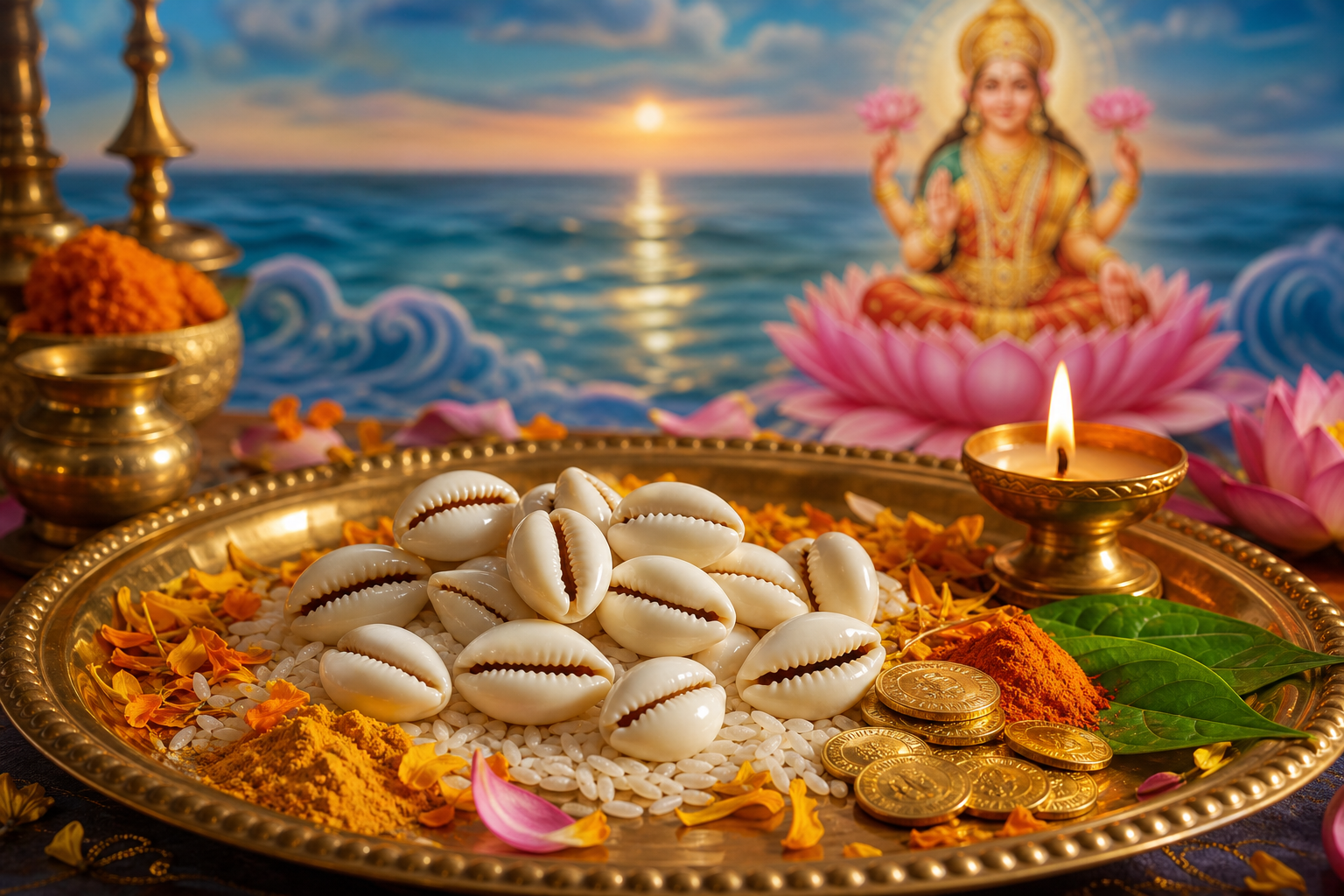
Saptatori on Kojagari: Bengal’s Banana-Boat (Kolar Nouko) Ritual to Honor Lakshmi

Kojagari Lakshmi Puja in Bengal features the Saptatori tradition—seven miniature Kolar Nouko (banana-boats) floated under the Sharad Purnima moon as offerings to Goddess Lakshmi. Each eco-friendly boat, crafted from banana trunk and leaves, carries grains, turmeric, vermilion, a coin, and a diya, symbolizing ethical prosperity and household well-being. The ritual’s timing aligns with cultural astronomy…
-
Why Shiva Rarely Holds the Lotus: Decoding Shaiva Iconography, Vairagya, and Dharmic Harmony

The lotus dominates Indic sacred art, yet Shiva is rarely defined by it. This essay explains why by tracing Shaiva iconography prescribed in Agamas and Shilpa Shastras, where trishula, damaru, vibhuti, rudraksha, Nandi, and the aniconic linga carry the core theological message. It contrasts the lotus’s semantics of purity, abundance, and preservation—with Vishnu, Lakshmi, and…
-
Why Suvarna Mahalakshmi ‘Gets Angry’ at Puri Rath Yatra: Hera Panchami to Niladri Bije

The Puri Rath Yatra encodes a subtle theological drama in which Suvarna Mahalakshmi’s ritualized “anger” during Hera Panchami invites reflection on responsibility, love, and reunion. Rather than a quarrel, the sequence from Hera Panchami to Niladri Bije is a carefully staged lila that affirms the agency of the Divine Feminine and the reciprocity at the…
-
Why Lakshmi Is Worshipped with Ganesha: Timeless Wisdom for Ethical Wealth and Success

Why are Lakshmi and Ganesha worshipped together? This comprehensive exploration shows how the pairing harmonizes prosperity with wisdom, grounding artha in dharma. Drawing on the Sri Sukta, the Ganapati Atharvashirsha, and Puranic-smarta liturgy, it explains why Vinayaka Puja precedes Lakshmi Puja and how Panchopachara and Shodashopachara offerings encode this ethic. Iconography—from Gaja-Lakshmi to Ganesha’s mouse…
-
Vasant Navratri 2026: Dates, Puja Vidhi, Fasting, NavaDurga & Ram Navami’s Sacred Finale

Vasant Navratri 2026 (Basant Navaratri, Chaitra Navratri, Sri Ram Navratri) will be observed from 19 to 27 March 2026, beginning on Chaitra Shukla Pratipada and culminating on Ram Navami. This long-form guide explains the festival’s spiritual architecture, outlines day-by-day observances for the NavaDurga, and details Ghatasthapana, puja vidhi, and fasting practices with attention to health…
-
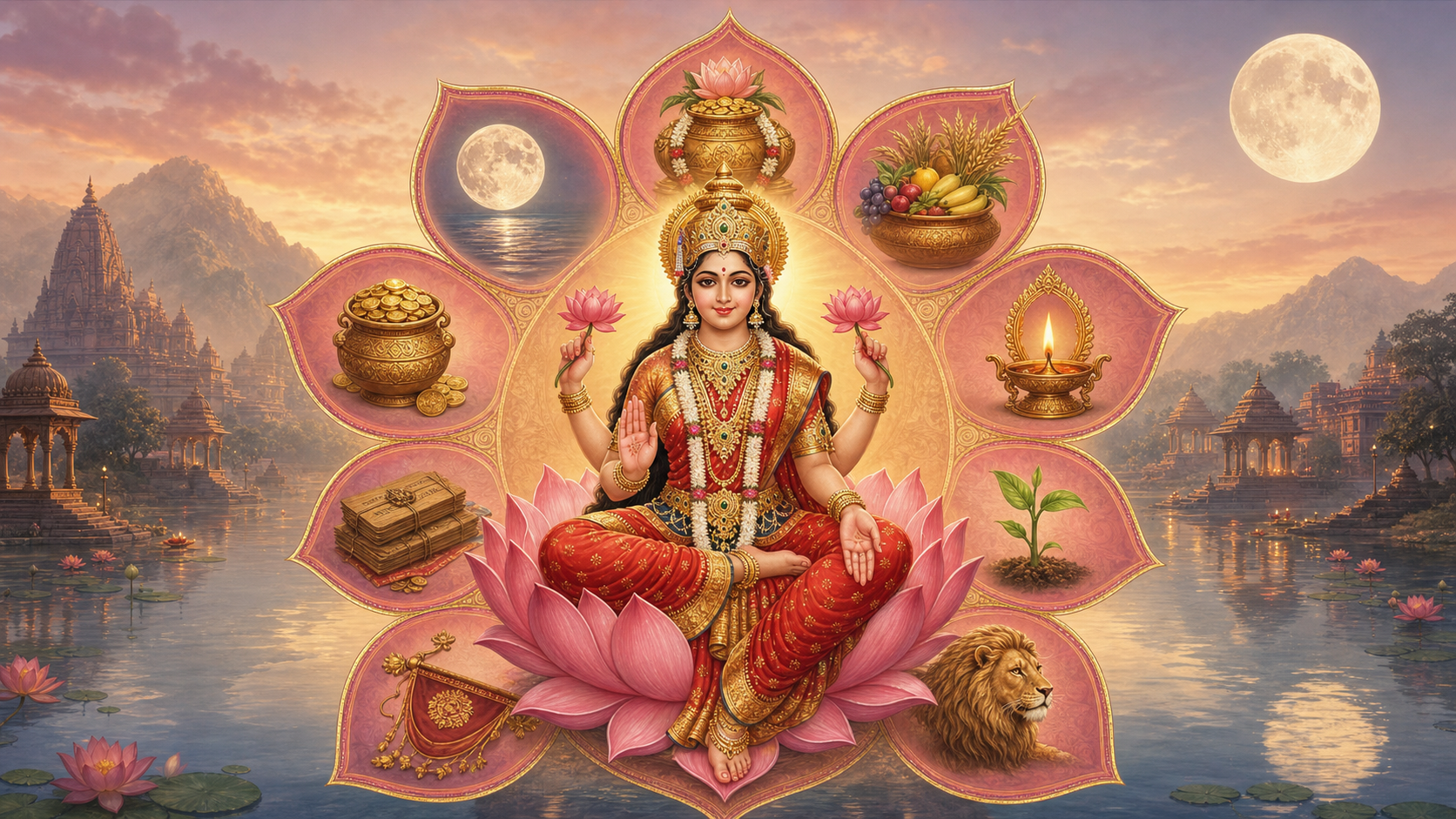
Decoding Lakshmi’s Lotus: Sacred Symbolism of Prosperity, Purity, and Dharmic Wealth

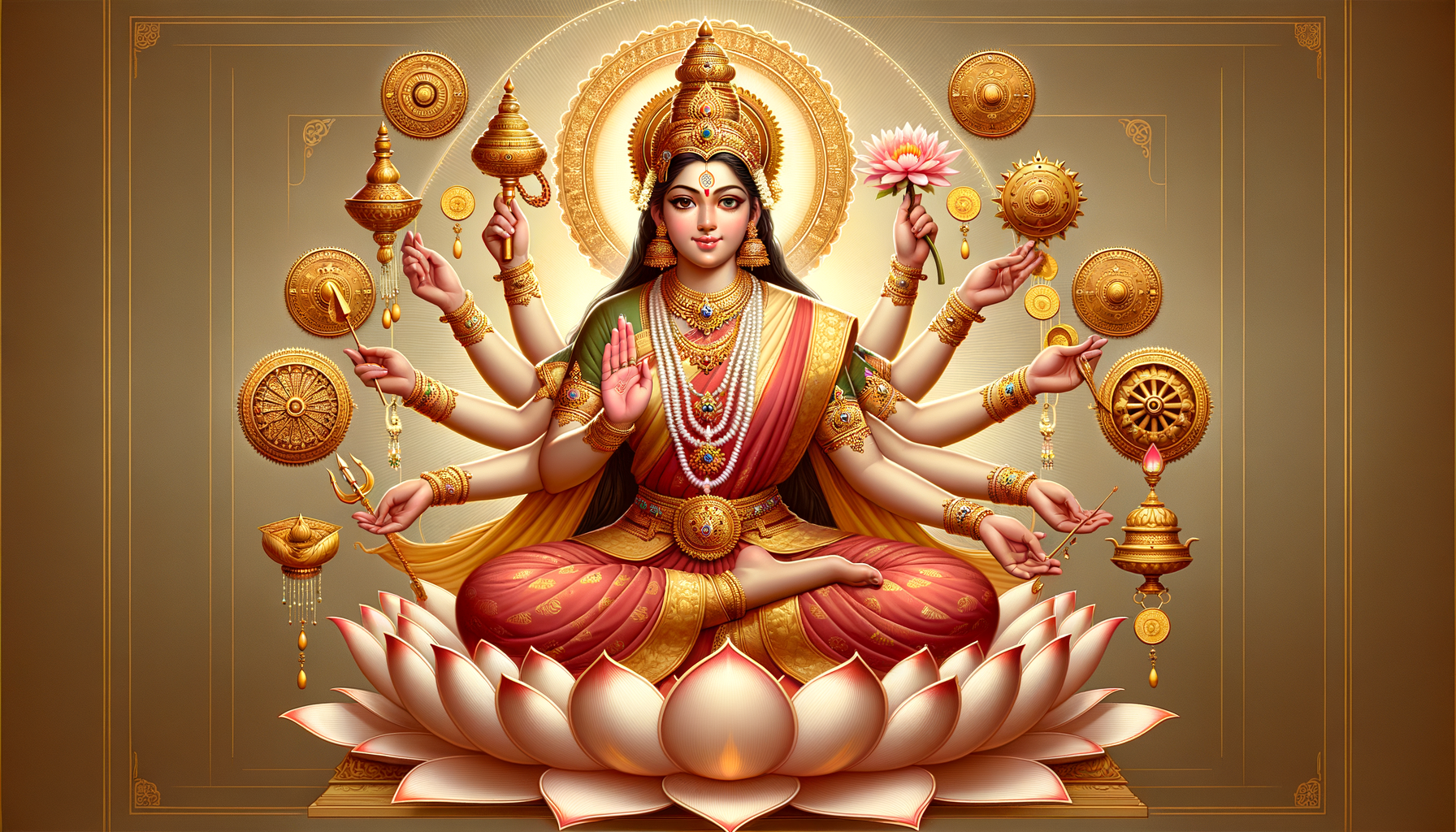
Goddess Lakshmi’s enduring association with the lotus is a precise theological and ethical statement, not a decorative habit. The lotus models purity-in-engagement—thriving in muddy waters yet remaining unstained—mirroring how dharmic wealth should arise and circulate without exploitation. Scriptural memory (Śrī Sūkta, samudra-manthana), iconographic conventions (padma-pīṭha, Gaja-Lakshmi), and temple arts all embed this meaning in public…