The portrayal of Sri Rama has moved across centuries from a profoundly human hero in the Valmiki Ramayana to an all-embracing, compassionate divinity in Bhakti-era Ramayanas. This evolution reflects broader currents in South Asian religious history: a shift from royal ethics and dharma-centered statecraft toward interiorized devotion, inclusive community practice, and emotional accessibility. Tracing this arc clarifies how the same narrative nourished diverse philosophical, aesthetic, and social visions across Hinduism and the wider family of Dharmic traditions—Buddhism, Jainism, and Sikhism—while sustaining a shared ethical core.
Valmiki’s Ramayana (traditionally 24,000 verses in seven kāṇḍas) is often situated by scholars between the last centuries BCE and the early centuries CE, with a long history of redaction and regional recensions. Within this epic, Rama is consistently held up as Maryada Purushottama—exemplar of ethical restraint and rightful conduct—yet his characterization is strikingly human. He reasons, doubts, grieves, and chooses within the limits of mortal circumstance. The poem’s aesthetic texture (rasa) is dominated by vīra (heroic) and kāruṇya (compassion), not the overtly miraculous, allowing readers to engage Rama’s dilemmas as moral problems that demand judgment rather than automatic revelation.
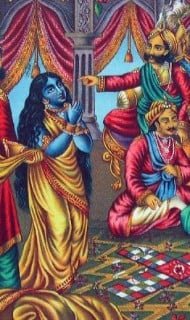
Several narrative moments in Valmiki underline Rama’s human vulnerabilities. He is shaken by Sita’s abduction; he rages at the ocean before seeking counsel; and he accepts a costly fire-ordeal (Agni Pariksha) for Sita not because omniscience solves the crisis, but because kingship and public trust impose harsh tests. Even morally troubling episodes—the slaying of Vali from concealment or the banishment of a pregnant Sita—are framed as agonizing choices of rajadharma and public duty, not as effortless acts by an all-knowing deity. Rama’s greatness lies in choosing dharma amid pain and ambiguity, a hallmark of the Valmiki Ramayana’s ethical realism.
The Valmiki Ramayana also reflects a sophisticated political ethic. Kingship in Ayodhya demands impartiality, administrative fairness, and the subordination of personal happiness to public order. Rama’s statecraft is not detached from compassion—indeed compassion motivates him—but his choices are always filtered through the responsibilities of the throne. Many later commentaries wrestled with these tensions, especially in the Uttara Kāṇḍa, where textual-historical debates (highlighted in modern critical editions) complicate how one reads episodes like the Śambūka narrative. Across manuscript traditions, however, the core portrait persists: Rama as a human sovereign who anchors justice in dharma.
Over time, oral performance and temple culture amplified affective access to Rama’s story. Storytelling (Rama-kathā), temple festivals, and early liturgical recitations made the epic a living presence far beyond the courtly milieu. This performative energy set the stage for the Bhakti movement’s transformative retellings, which drew Rama closer to everyday devotees through language, music, and shared ritual life across regions.
The Bhakti movement (c. 6th–17th centuries) reframed epic heroes as living centers of devotion. In South India, the Āḻvārs’ Tamil hymns and the rise of Śrī Vaishnavism under Ācāryas such as Rāmānuja interiorized the divine as both accessible and saving. The theological vector turned toward prapatti (surrender), dayā (compassion), and the assurance that grace meets human limitation. This change in religious temperament—without rejecting dharma—made intense personal devotion (bhakti) the primary interpretive lens for epic narratives, including the Ramayana.
Kamban’s 12th-century Tamil masterpiece, the Ramavataram (Kamba Ramayanam), is emblematic. It presents Rama as Vishnu incarnate with majestic theological luminosity while retaining vivid narrative urgency. Scenes that appear ethically stark in Valmiki are bathed in cosmic intentionality. The Vali episode becomes a dispensation of justice consistent with divine order; Sita’s purity is not merely proved but celebrated as radiant śrī. Kamban’s poetics weds royal dharma to divine compassion, enabling readers to see statecraft as an instrument of grace rather than a counterweight to it.
The Adhyatma Ramayana (often placed between the 14th and 15th centuries and transmitted within the Brahmanda Purana tradition) moves further inward. Here, Rama is both Saguna and Nirguna Brahman; the narrative becomes a spiritual allegory (adhyatma) for the soul’s return to its source. The Maya-Sita motif—where the “real” Sita is safeguarded in fire while an illusory double endures trial—addresses ethical anxieties about the Agni Pariksha by emphasizing divine protection of the Goddess’s sanctity. This text synthesizes jñāna and bhakti, offering contemplative readers a way to see every episode as an inner pilgrimage from separation to union.
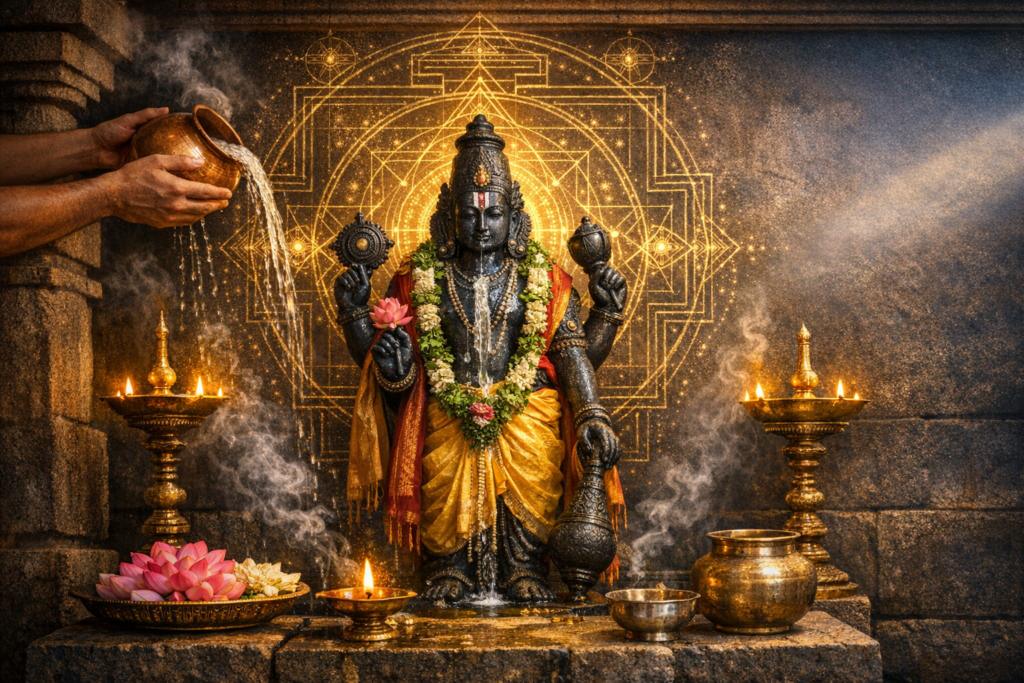
Tulsidas’s 16th-century Ramcharitmanas in Awadhi became the most widely loved North Indian retelling. Its accessible language, mellifluous meters, and devotional warmth situate Rama as both Maryada Purushottama and a limitless ocean of compassion. Rama-rajya emerges not only as political ideal but as moral vision founded on humility, justice, and communal care. The Hanuman-centered Sundar Kand, extensive congregational recitation, and parallel hymn traditions such as the Hanuman Chalisa catalyzed devotional practice in households and temples alike, strengthening Vaishnava bhakti across regions and communities.
Performative idioms further deepened the devotional experience. Ramlila traditions turned epic into shared civic ritual; Carnatic compositions of Tyagaraja addressed Sri Rama directly in musical bhakti; katha and kirtan circuits made ethical reflection and emotional participation mutually reinforcing. In these settings, Rama’s divinity is not an abstract dogma but a felt presence that consoles grief, dignifies duty, and invites surrender through love.
Across the Bhakti-era Ramayanas, three interpretive patterns recur. First, theologization: Rama is framed explicitly as Vishnu incarnate, ensuring that difficult decisions reflect cosmic justice rather than limited knowledge. Second, moralization through compassion: episodes are re-narrated to highlight dayā, forgiveness, and equality before the divine. Third, interiorization: narrative crisis becomes allegory for the soul’s bondage and release, inviting readers to discover Rama within.
These patterns can be seen in how specific episodes shift across tellings. In the Vali-vadha, Bhakti commentators emphasize that Vali’s transgressions and boons create a karmic-historical context in which Rama’s action restores dharma rather than subverting it. The Agni Pariksha, troubling when read strictly as public ordeal, is recast through the Maya-Sita motif as proof that the Goddess’s sanctity was never in jeopardy. The Śambūka episode—textually debated in scholarship—tends either to be omitted or reframed to underscore that spiritual worth is not bound to birth, aligning the tradition’s ethical center with the broader Dharmic affirmation of human dignity and spiritual potential.
Importantly, the Ramayana’s ethical and devotional power has never been the sole province of one community. Jain retellings such as Vimalasūri’s Paumacariya (early centuries CE) recast Rama as an exemplar of ahiṃsā, with Lakshmana—not Rama—slaying Ravana, preserving Rama’s nonviolent ideal. The Buddhist Dasaratha Jataka (Jataka No. 461) presents Rama as a Bodhisattva, valorizing compassion, renunciation, and right conduct. Within Sikh tradition, the divine Name “Ram” in the Guru Granth Sahib signifies the all-pervading One beyond form, a usage that resonates with the epic’s ethical spirit while affirming universal devotion. These Dharmic perspectives broaden the canvas: they honor shared virtues—dharma, compassion, and self-restraint—while allowing distinct theological commitments to coexist harmoniously.
Regional adaptations extend this unity-in-diversity across Asia. The Thai Ramakien, the Khmer Reamker, and the Javanese Kakawin Ramayana integrate local aesthetics and kingship ideals while retaining the story’s ethical scaffolding. In each, Rama symbolizes just rule and moral courage; Sita, unwavering fidelity and inner strength; Hanuman, selfless service and fearless devotion. Far from fragmenting the tradition, this plurality has become its signature strength.
Aesthetically, the shift from Valmiki to Bhakti intensifies bhakti-rasa. Valmiki’s balance of vīra and kāruṇya develops, in later works, into an atmosphere where humility, gratitude, and loving remembrance become primary vehicles of realization. Devotees encounter Rama not only as a standard of ethical excellence but as the compassionate Lord who makes difficult ethics livable through grace. The result is a seamless bridge between Maryada Purushottama and the all-forgiving Ishvara: the same Rama, seen now through the heart’s eye.
The portrayal of Sita also matures across retellings. While Valmiki emphasizes Sita’s steadfastness under trial, Bhakti-era works amplify her divine radiance (śrī), autonomy in virtue, and cosmic partnership with Rama. The Maya-Sita motif protects her sanctity; Kamban and Tulsidas heighten her voice as moral conscience. These shifts matter in contemporary conversations about gender and dharma: they invite readers to honor Sita not as a passive symbol of endurance, but as an active wellspring of strength, wisdom, and grace.
Theologically, Vaishnavism provides the central grammar for these transformations. Vishishtadvaita (Śrī Vaishnavism) articulates Rama as the personal, attribute-rich Brahman whose grace is available through surrender; Advaita-inflected Adhyatma Ramayana interiorizes Rama as the Self beyond all attributes; Dvaita readings keep a cherished devotional duality between Lord and devotee. Different schools underscore different emphases, but the underlying unity is unmistakable: devotion resolves ethical tension by revealing divine compassion at the heart of righteous action.
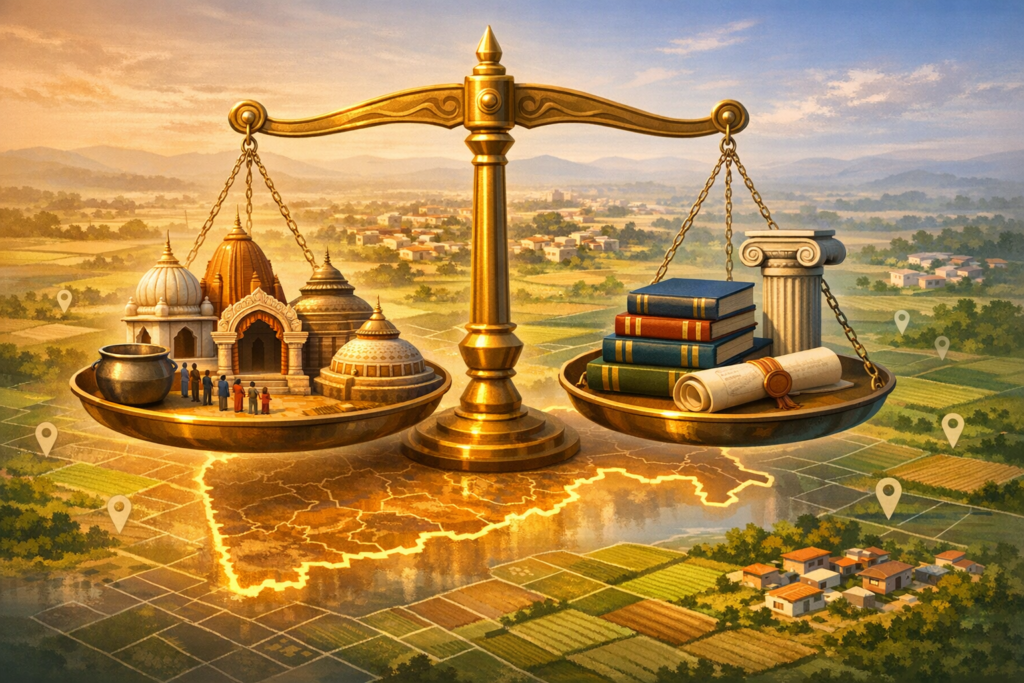
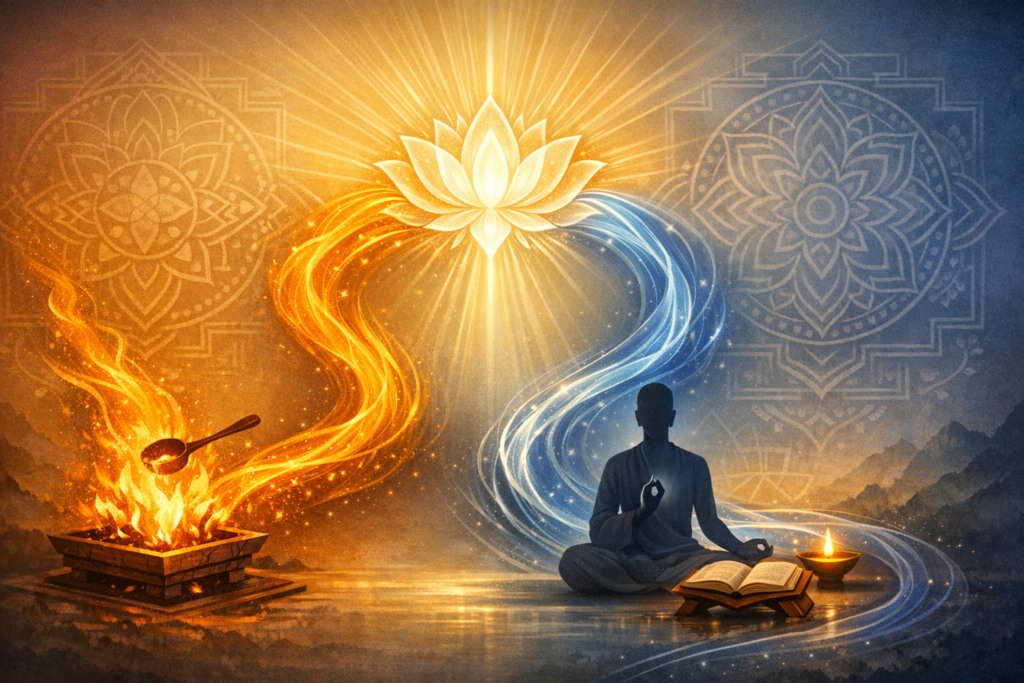
For readers and practitioners today, this historical arc offers practical insight. The Valmiki Ramayana teaches how to reason ethically within real constraints; Bhakti Ramayanas teach how to heal, persevere, and belong through devotion. Together, they demonstrate that dharma and bhakti are not rivals but complementary disciplines: one clarifies action; the other transforms intention. Engaging multiple Ramayanas—from Valmiki to Kamban, from Adhyatma to Ramcharitmanas—nurtures both discernment and devotion, uniting the family of Dharmic traditions around shared virtues rather than sectarian difference.
In sum, Rama’s journey from human exemplar to sacred ideal is not a replacement but a deepening. The Bhakti movement did not erase the ethical dilemmas of kingship; it transfigured them by showing how grace perfects justice. That is why the Ramayana continues to speak powerfully across Hinduism, Buddhism, Jainism, and Sikhism: it invites communities to see their highest values reflected in a common story, and to recognize, in Sri Rama, the enduring possibility that righteousness and compassion can move together as one.
Inspired by this post on Hindu Blog.