-
Kishkindha Kanda Unveiled: Hampi’s Sacred Landscape, Dharma Debates, and Hanuman’s Rise

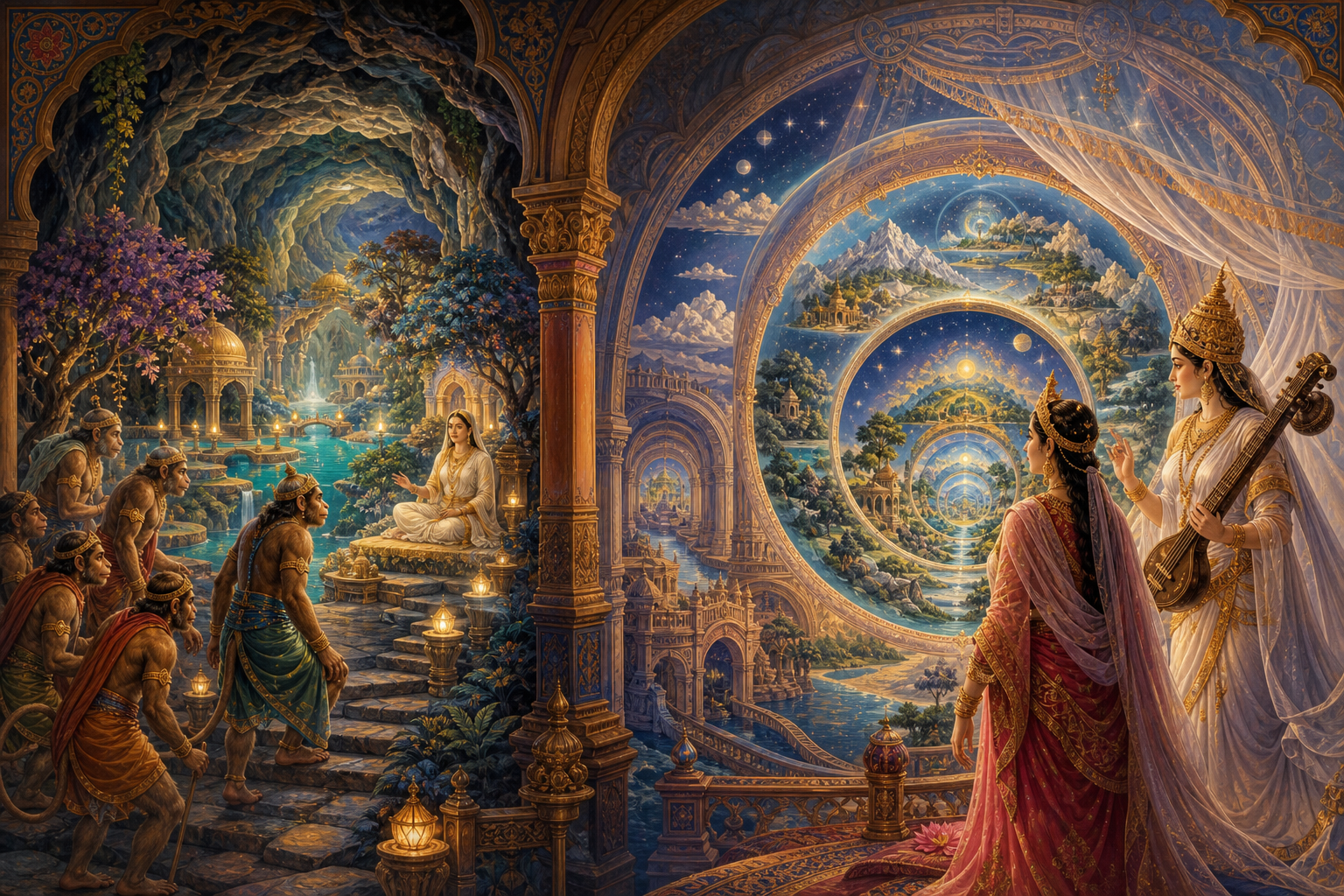
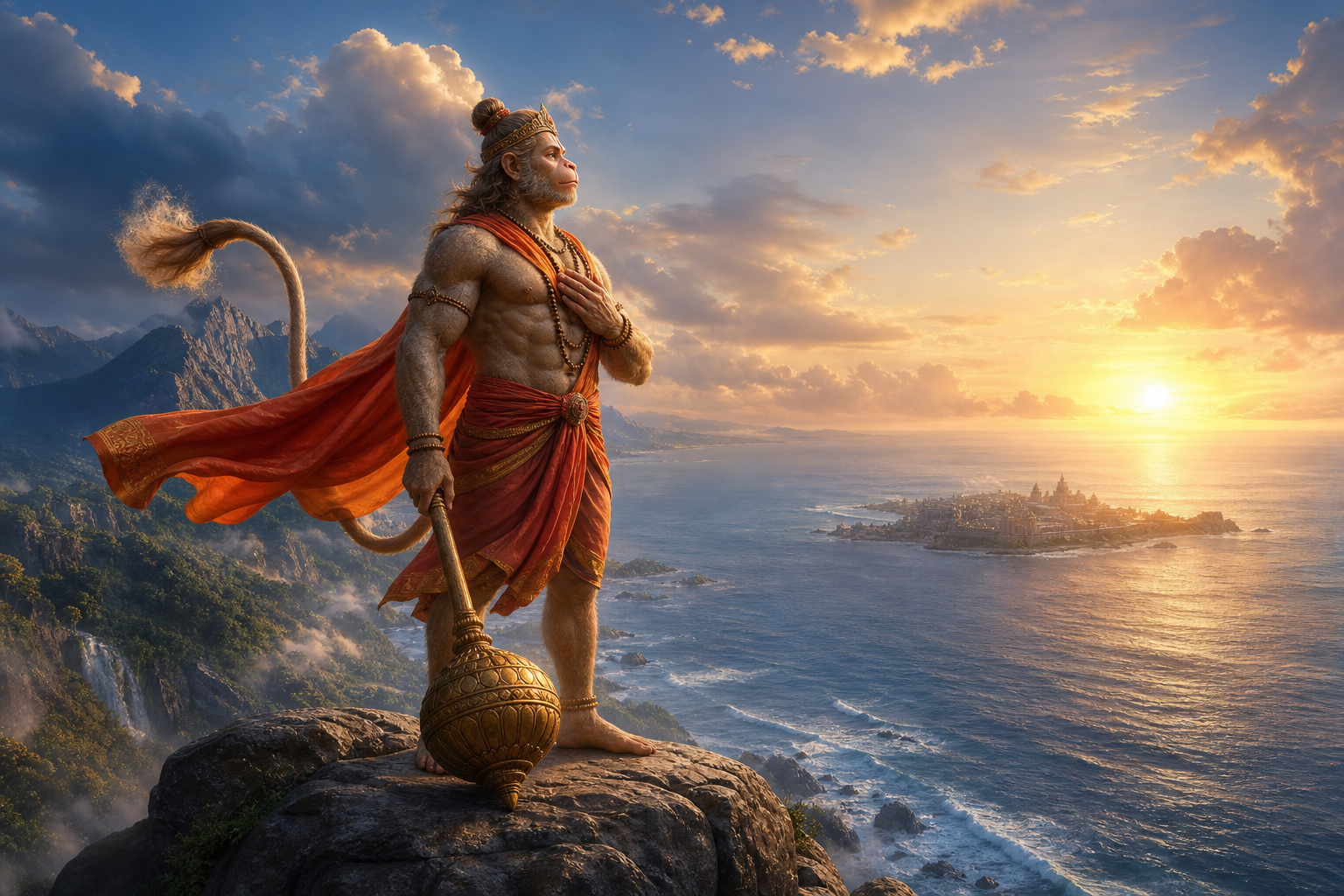
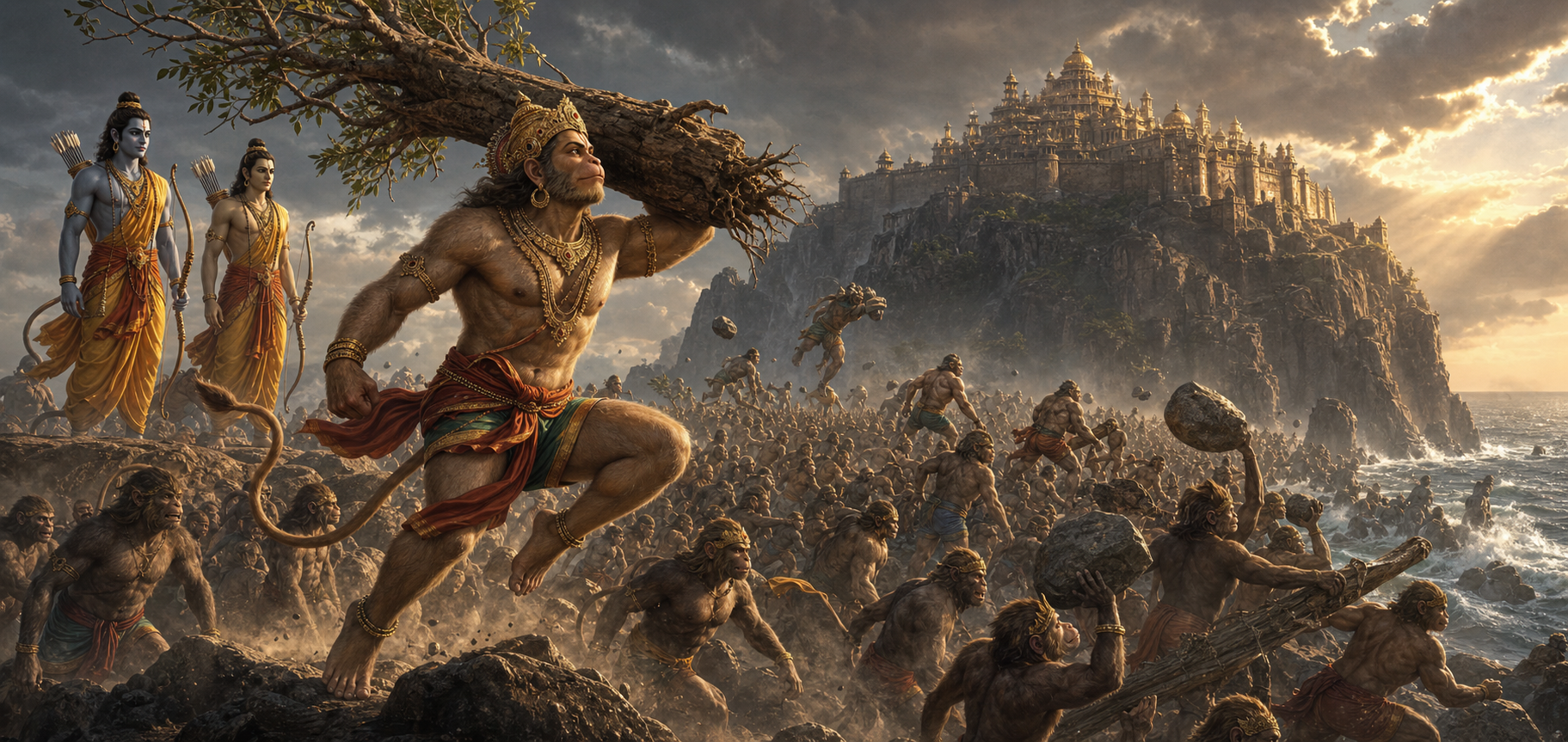
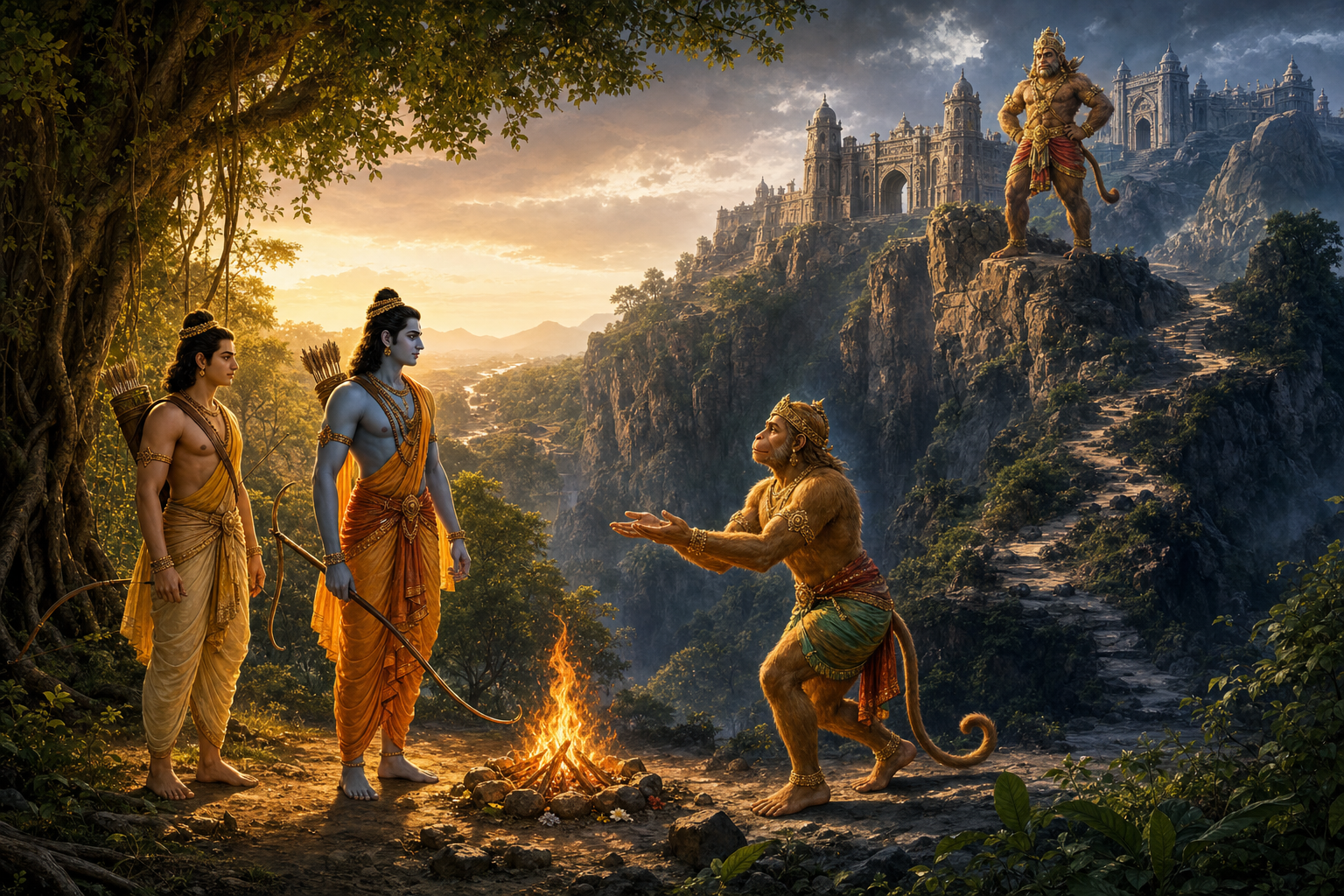
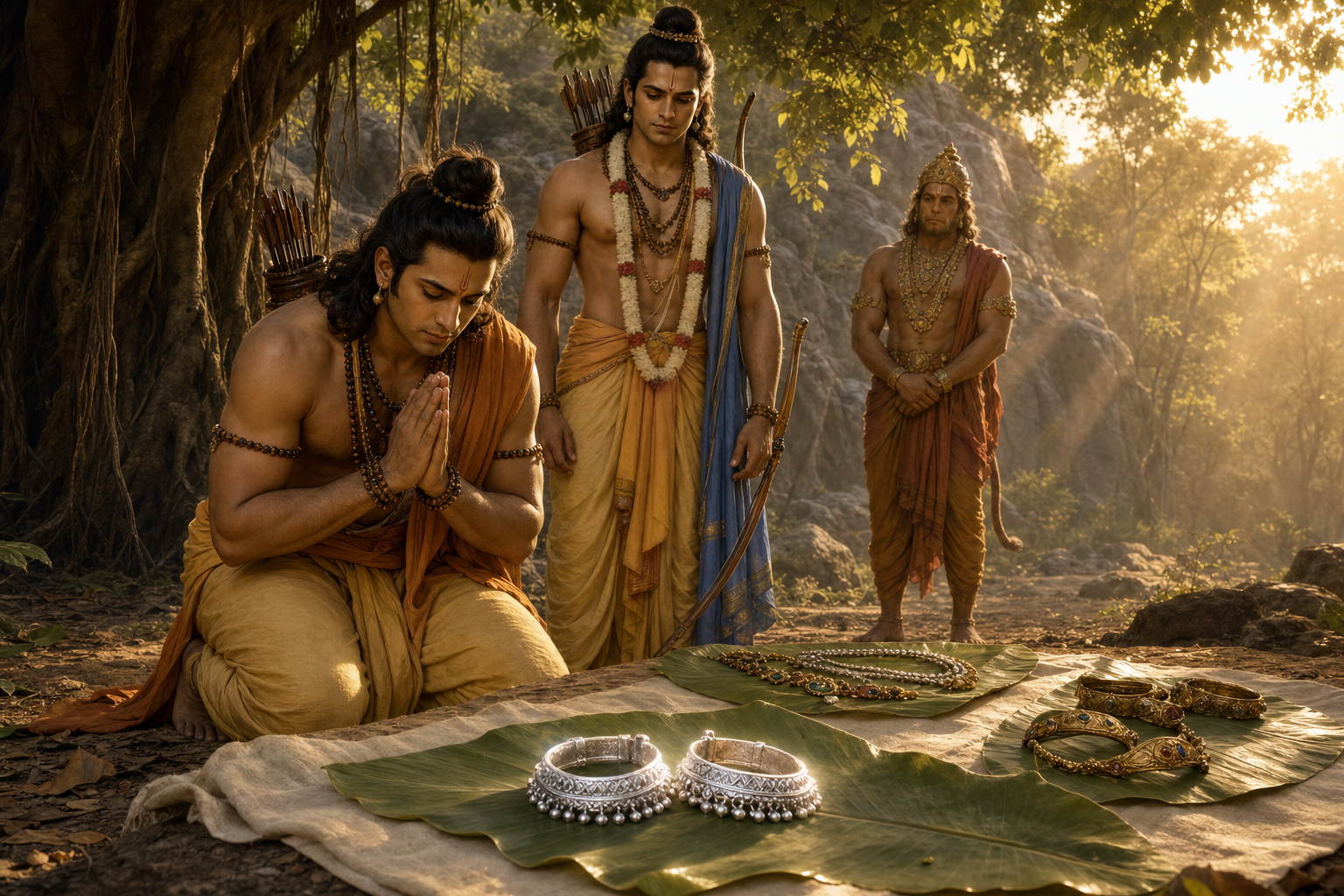
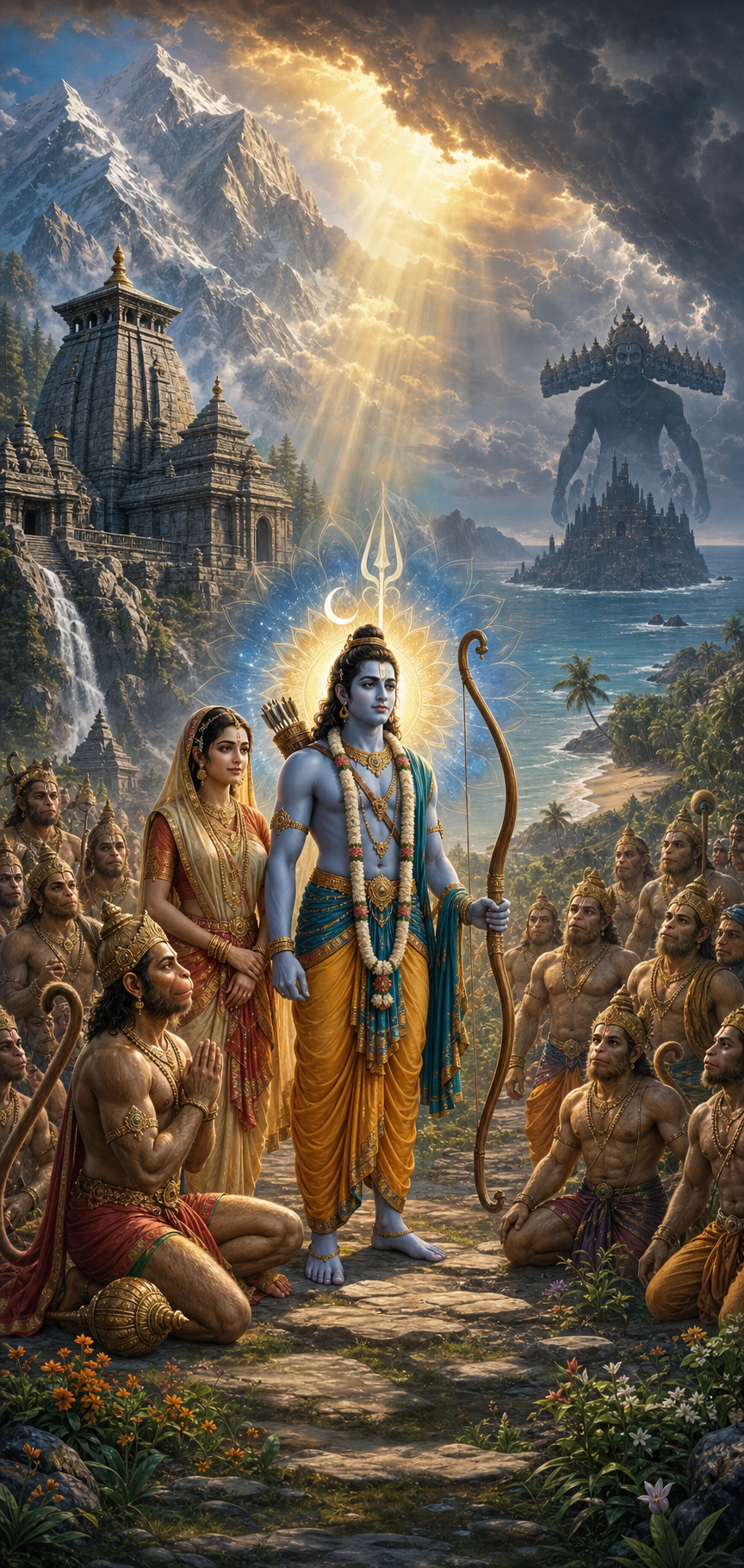
Kishkindha Kanda (Book IV of the Valmiki Ramayana) forges the Rama–vanara alliance, situates the narrative in the sacred Hampi–Anegundi landscape, and prepares the ground for Hanuman’s mission. Readers gain a clear map of key episodes—the pact with Sugriva, Vali-vadha’s dharma debate, Sugriva’s coronation, the monsoon interlude, and the strategic dispatch of search parties. The analysis…
-
Kishkindha Kanda Unveiled: Rama–Hanuman Alliance, Vali’s Fall, and Hampi’s Sacred Landscapes

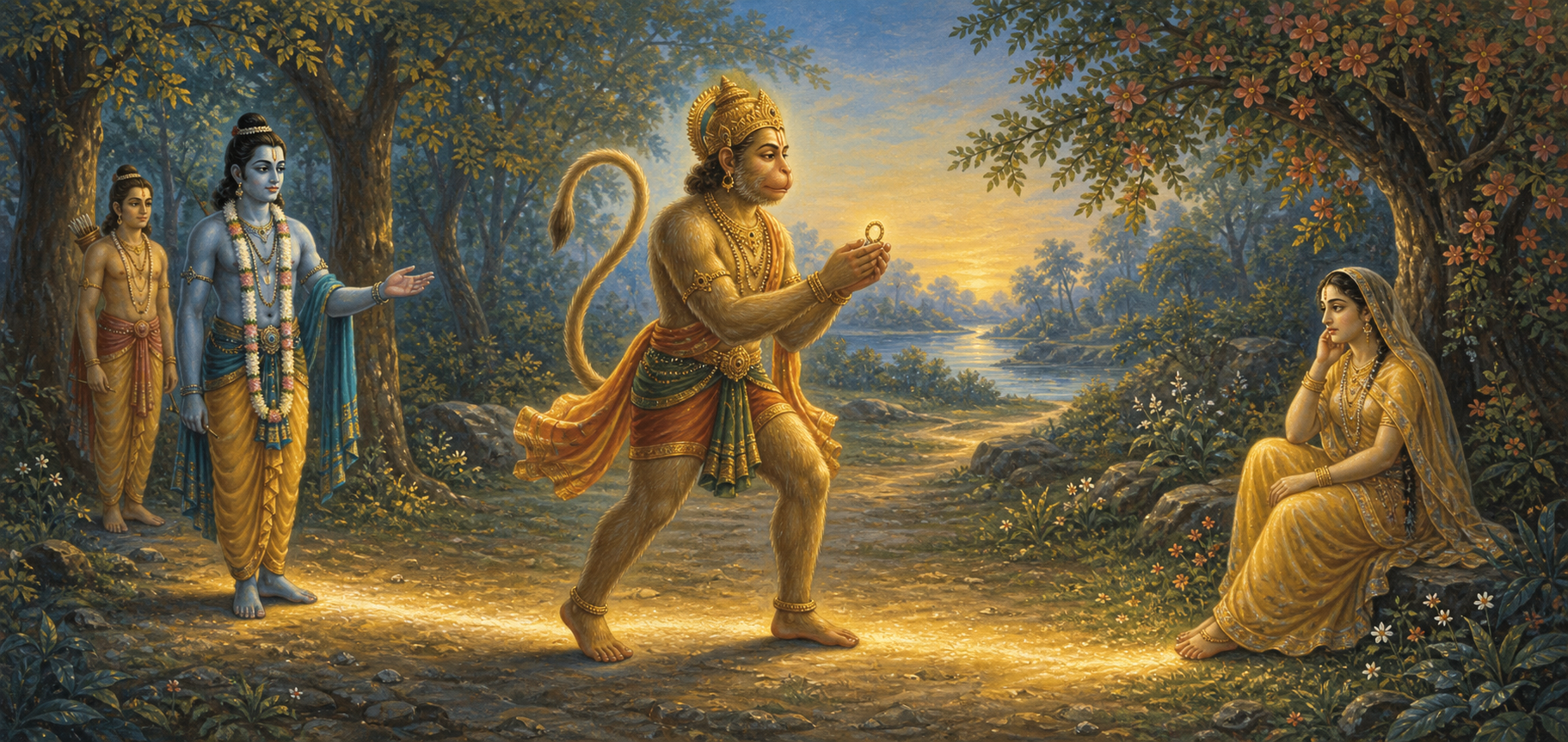
Kishkindha Kanda, the fourth book of the Valmiki Ramayana, turns grief into disciplined action as Rama allies with Sugriva, brings down Vali, and launches a continent-spanning search for Sita. Set against the sacred landscapes around Hampi–Anegundi in Karnataka, it blends political acumen, ethical debate, and ecological poetics. The kanda highlights exemplary speech and statesmanship through…
-
Across the Waters: Divine Protection, Tirtha Symbolism, and Rebirth in Dharmic Traditions

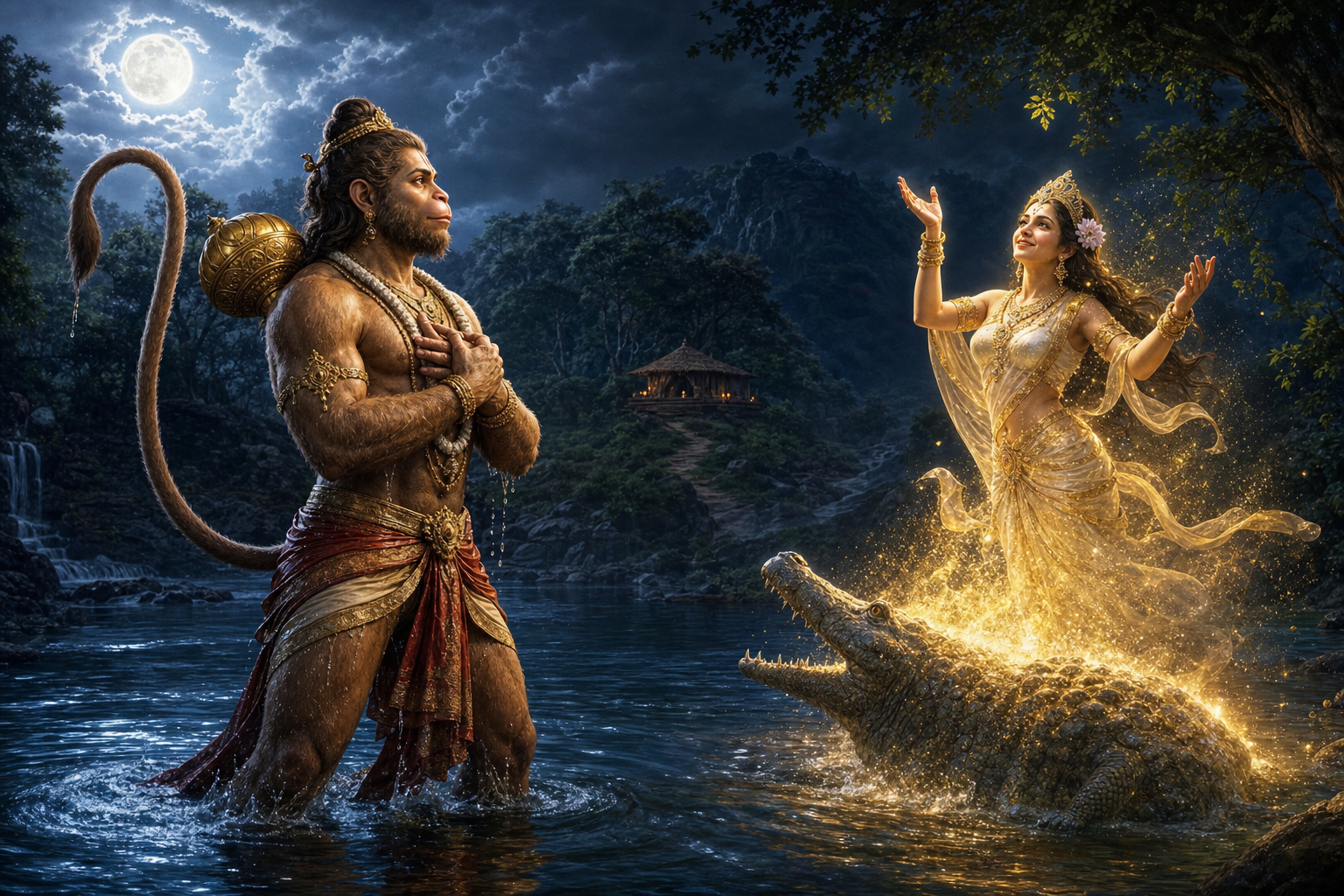
Sacred river crossings in Dharmic traditions encode a shared grammar of divine protection, purification, and rebirth. From Krishna’s midnight passage over the Yamuna in the Bhagavata Purana to the Jain ideal of the Tirthankara as a “ford-maker,” from Buddhism’s raft simile to Sikh teachings on crossing the bhavsagar through the Guru’s Naam, each tradition converges…
-
Hanumath Kalyanam Explained: Why Hanuman Weds Suvarchala—Texts, Symbolism, Ritual Life

Hanumath Kalyanam asks a striking question: why would a nitya-brahmachari like Hanuman marry? This exploration traces the South Indian legend in which Suvarchala—born of Surya Bhagavan’s Varchas—weds Hanuman, while his vow of brahmacharya remains intact. It clarifies that the Valmiki Ramayana is silent on this motif, which emerges richly in regional sthala-puranas and temple kathas.…
-
Rakshasa Linga Explained: How Fierce Tapas Wins Shiva’s Non‑Discriminating Grace

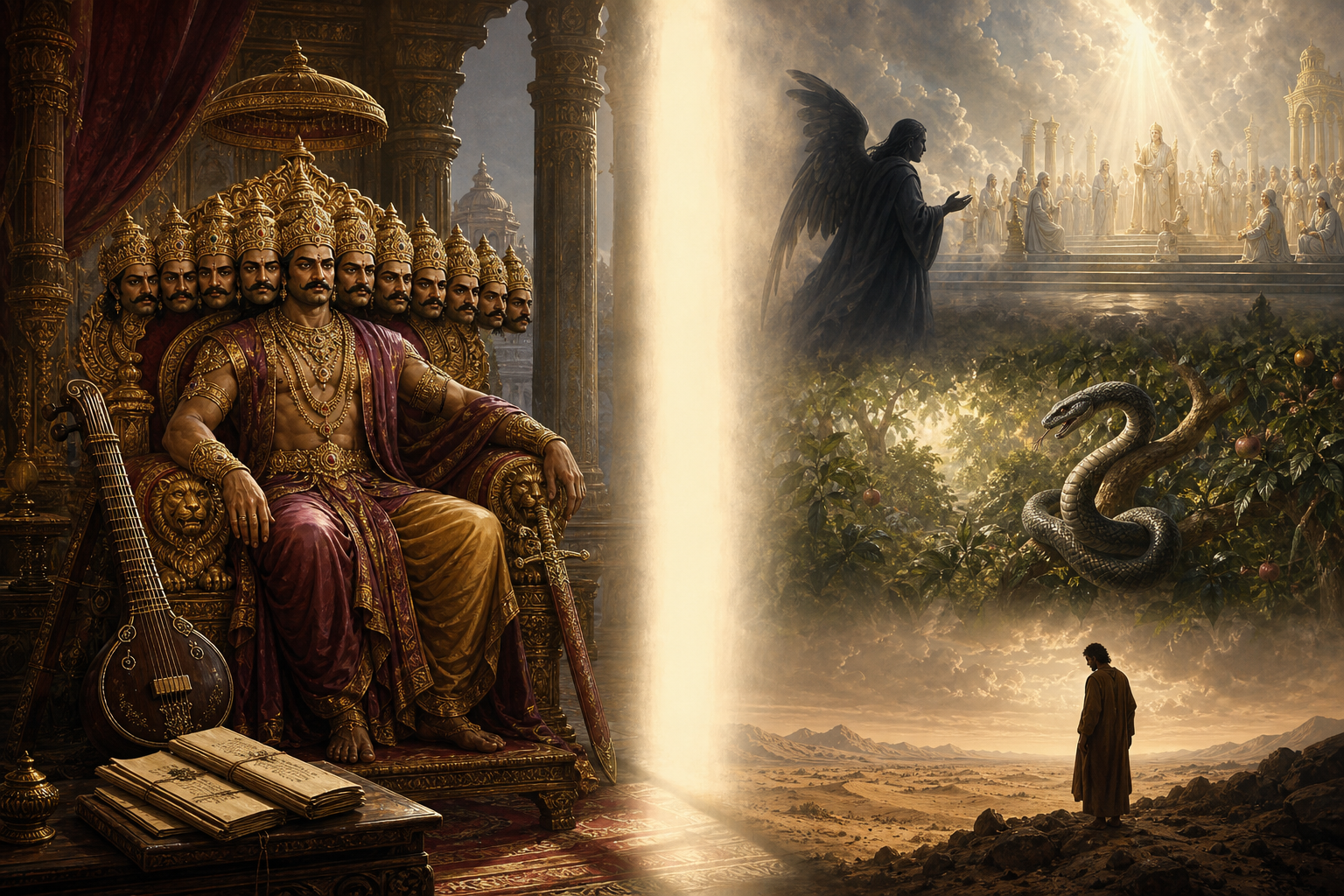
This in-depth exploration clarifies what a Rakshasa Linga is and why it matters: a Shivalinga worshipped or installed by a Rakshasa in Purana and sthala-mahatmya traditions. It explains how Skanda Purana and Shiva Purana preserve narratives—such as Gokarna’s Atma Linga and Baidyanath Jyotirlinga—that highlight Ravana’s fierce tapas and Shiva’s impartial grace. It situates these accounts…
-
Mayasura: Legendary Demon Architect of Maya Sabha, Mandodari’s Lineage, and Vastu Shastra

Mayasura (Maya Dānava) stands at the confluence of epic imagination and technical science—an unrivaled asura architect who builds palaces, aerial cities, and enduring canons of design. The Mahabharata’s Maya Sabha showcases optical and spatial ingenuity while warning against hubris. The Ramayana’s lineage threads—through Mandodari, Mayavi, and Dundubhi—demonstrate how moral counsel and unchecked pride shape political…
-
Unraveling Mayasura, the Demon Architect: Epic Engineering, Sacred Geometry, and Maya Sabha’s Legacy

Mayasura—Maya Dānava in the epics—emerges as a master engineer whose works combine optics, hydrology, geometry, and ethics. The Mahabharata’s Khandava-daha and Maya Sabha episodes showcase advanced architectural thinking framed by Dharma: perception can be trained or misled, and design must answer to conscience. Purāṇic narratives such as Tripura reaffirm this ethic by sparing the architect…
-
Indrajit’s Final Penance: A Riveting Study of Dharma, Filial Loyalty, and Redemption in Ramayana

This long-form analysis explores Indrajit (Meghanada) as one of the Ramayana’s most complex figures—an invincible warrior confronting a profound dharmic dilemma between filial loyalty and moral law. Anchored in the Valmiki Ramayana and enriched by regional traditions such as the Krittivasi Ramayana, it explains how the Nikumbhila sanctuary—often associated with Kali—frames his final yuddha-yajna as…
-
Shantadevi of the Ramayana: The Overlooked Princess Who Shaped Sri Rama’s Destiny

Shantadevi (Śāntā) is a pivotal yet overlooked figure in the Ramayana, remembered in many traditions as King Daśaratha’s daughter and the bride of Ṛṣyaśṛṅga. Her marriage anchors the ritual sequence that culminates in the Putrakameshti Yajna and the births of Sri Rama and his brothers. This article clarifies textual variations between Valmiki’s Bala Kanda and…
-
Ramayana’s Unfinished Truth: Why Rama and Sita Don’t Get a Fairy-Tale Ending (and Dharma’s Lesson)

Ramayana is not a fairy tale about bliss after victory; it is a rigorous meditation on dharma under the pressures of love, power, and public trust. The narrative after Ravana’s defeat intensifies into a study of rajadharma, where Rama’s personal anguish and public duty collide. Sita’s trials—Agni Pariksha, exile, and her return to Mother Earth—expose…
-
How Sharing Food Heals Enmity: Timeless Dharmic Practices from Hindu, Buddhist, Jain, Sikh Traditions

Hinduism and its sister dharmic traditions treat shared food as a deliberate instrument of reconciliation. Philosophical axioms such as Annam Brahma, Atithi Devo Bhava, and Vasudhaiva Kutumbakam elevate feeding from charity to peacecraft. Ramayana narratives, temple prasada, Sikh langar, Jain anna-kshetras, and Buddhist dana converge on a single ethic: dignified, vegetarian commensality dissolves social distance…
-
Lakshmana in Sacred Art: Powerful Iconography, Proportion Rules, and Spiritual Meaning

Lakshmana’s sacred form in Hindu sculptures fuses epic narrative with precise Shilpa Shastra proportion rules to communicate seva, discipline, and fraternal loyalty. Typically positioned to Sri Rama’s left (viewer’s right) with bow, arrows, and quiver, Lakshmana’s slightly reduced scale expresses devoted service rather than sovereignty. Regional schools—from Chola bronzes to Hoysala stone and Vijayanagara ensembles—retain…
-
Kumbhakarna and Vikarna: Tragic Brothers of Conscience, Loyalty, and Dharma in the Epics

Kumbhakarna (Ramayana) and Vikarna (Mahabharata) embody the epic dilemma between loyalty to kin and loyalty to dharma. This rigorous, text-grounded comparison explains how each man speaks the truth, anticipates disaster, and yet dies fighting for causes he judged unjust. Readers gain a practical framework—kṣātra-dharma, bandhu-dharma, rāṣṭra-dharma, and ātma-dharma—to evaluate conflicts of duty. The analysis connects…
-
Bel Tala and Akal Bodhan: Durga’s Sacred Awakening That Empowered Lord Rama

Bel Tala—the sacred space beneath the bel (wood-apple) tree—anchors the Bodhan, the ceremonial awakening of Goddess Durga that inaugurates Sharadiya worship. Rooted in Bengal’s “Akal Bodhan” narrative linking Lord Rama’s victory to Durga’s boon, this rite integrates Vaishnava and Shakta currents while honoring nature as a living altar. The bel tree (Aegle marmelos) contributes both…
-
Bhagavan Parashurama: Warrior‑Sage Avatar of Vishnu Who Restored Dharma and Balance

Bhagavan Parashurama, the sixth avatar of Vishnu and a devoted worshipper of Shiva, embodies the Hari–Hara unity at the heart of Sanatana Dharma. Drawing on the Bhagavata Purana, Vishnu Purana, the Mahabharata, and the Ramayana, this comprehensive essay explains how Parashurama restored ethical order when royal power became predatory, then withdrew in penance to model…
-
Why Hanuman’s Lanka Infiltration Seemed Impossible: Fortifications, Yogic Science, and Bhakti

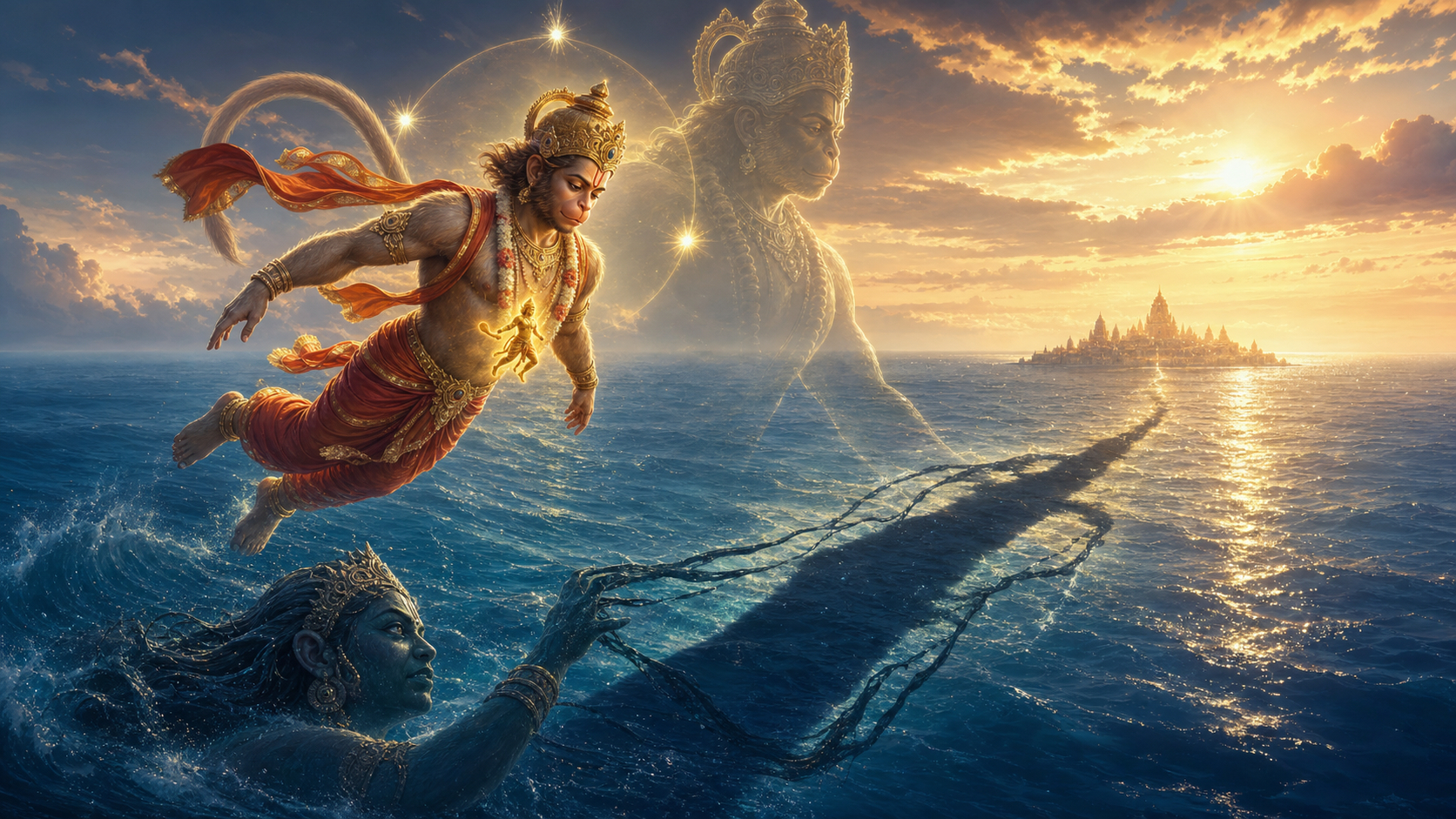
Hanuman’s entry into Lanka in the Sundara Kanda is a tightly orchestrated mission that combined strategic insight, advanced fortifications, yogic mastery, and unflinching bhakti. Lanka’s defenses—attributed in origin to Vishwakarma’s design and later fortified by Ravana—made infiltration rather than siege the rational first move. The ocean crossing presents a trilogy of tests (Mainaka, Surasa, Simhika)…
-
Parashurama: The Saint-Warrior Avatar Who Reset Kshatra Dharma and Reclaimed the Land

Parashurama, the sixth avatar of Lord Vishnu and a devoted bhakta of Lord Shiva, embodies the union of spiritual austerity and disciplined strength to restore dharma. Scriptural accounts from the Bhagavata Purana, Vishnu Purana, Ramayana, and Mahabharata portray his mission as a principled reform of Kshatriya power when it strays into adharma. The narrative explores…
-
Devantaka’s Fall in the Ramayana: Hanuman’s Decisive Blow Against Ravana’s Mighty Son

Devantaka’s fall in the Yuddha Kanda of the Ramayana captures a decisive moral and strategic lesson: disciplined strength, anchored in dharma, defeats ferocity untethered to ethics. Classical sources consistently pair Devantaka with Narantaka, Trisira, and Mahodara as Lanka’s shock corps, yet it is Hanuman’s single, precisely timed strike that ends Devantaka’s assault. The episode’s symbolism…
-
Atikaya’s Tragic Valor: Reclaiming Ramayana’s Forgotten Warrior and His Quest for Belonging

Atikaya emerges in the Ramayana as a formidable yet under-remembered warrior whose courage is matched by a poignant quest for recognition in Ravana’s court. Drawing on Yuddha Kanda and regional retellings, this analysis situates his duel with Lakshmana within the ethics of dharma-yuddha, highlighting the disciplined use of astras and the decisive counsel of Vibhishana.…