The legend of Gajamukha stands as a profound Hindu story about the transformation of ego into service, narrated in devotional traditions and associated with Puranic literature. Across Ganapatya lore and regional tellings, a formidable asura whose power and pride threatened cosmic balance is ultimately redirected by Śri Ganesha, the guardian of dharma and remover of obstacles (Vighneshwara), into a sacred vehicle of humility and service.
Hindu scriptures and popular retellings describe Gajamukha as an asura whose strength escalated into hubris. Disrupting rituals, disturbing ascetics, and challenging devas, he destabilized harmony and moral order. This rise of adharma frames the narrative as a caution against unchecked pride and a reminder that power without restraint can imperil the world of humans, sages, and celestial beings alike.
When discord deepened, Ganesha intervenednot with wrathful destruction, but with calm authority and strategic compassion. As Ganapati, the lord of hosts, he confronted Gajamukha to restore equilibrium. The encounter is often portrayed as decisive yet measured: Ganesha subdues the asura, demonstrating that true strength is guided by wisdom, restraint, and responsibility rather than brute force.
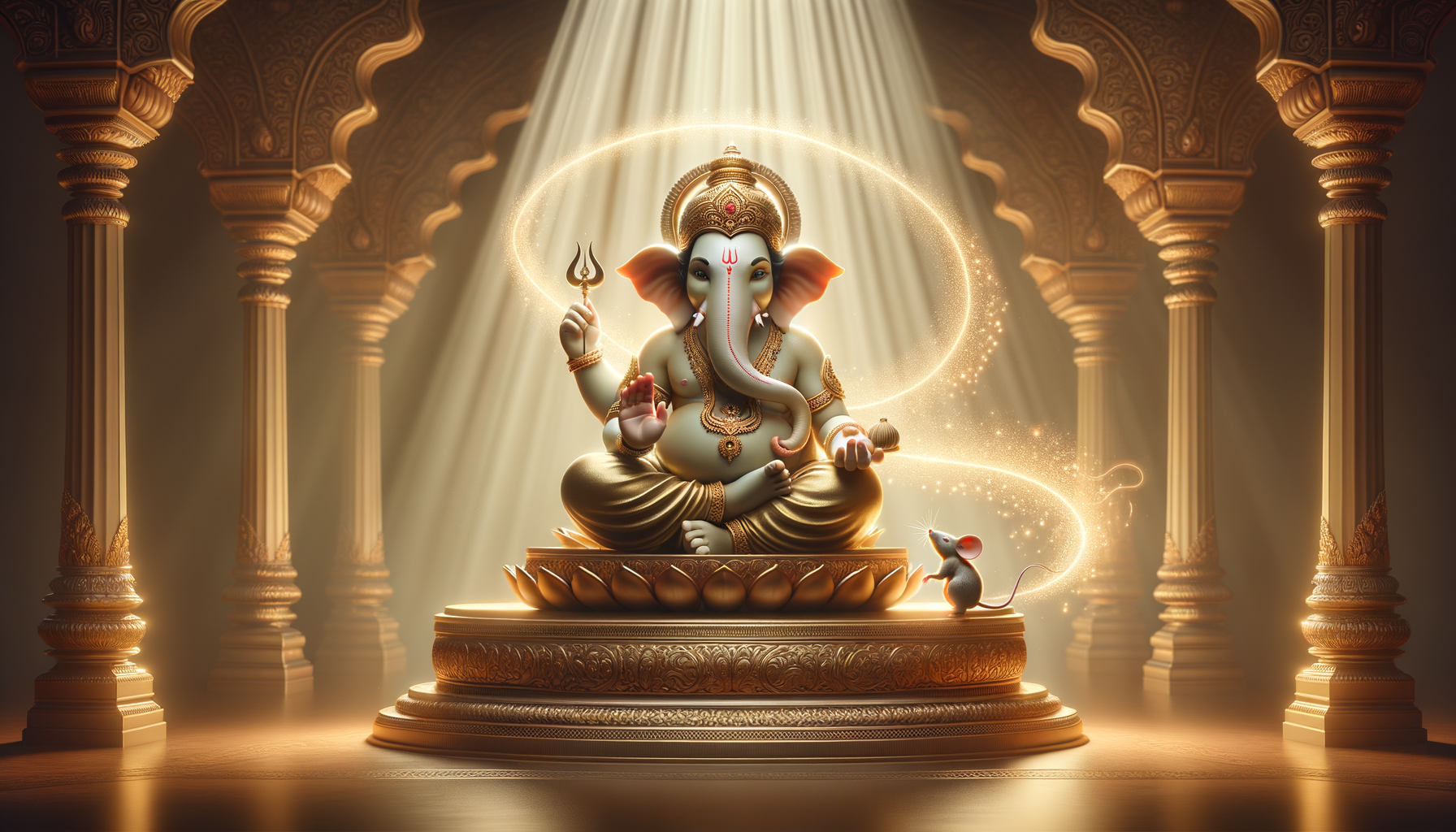
Defeated, Gajamukha did not meet annihilation. In an act of transformative grace, Ganesha turned him into a mouseMushikawho then vowed to serve as Ganesha’s vahana. Through this conversion, destructive energy was reoriented toward sacred purpose. The once-proud asura became the agile bearer of Ganesha, symbolizing how even turbulent forces can be uplifted when aligned with dharma.
The symbolism of the mouse is layered and instructive. Restless, swift, and able to enter hidden spaces, the mouse represents the roaming mind and subtle desires. Ganesha seated upon Mushika signifies mastery over the ego and the senses; the smallest of creatures becomes the support for the vast wisdom of Ganapati. For devotees, this image resonates during moments of personal pride or distraction, offering a practical reminder: humility, discipline, and devotion can transform inner obstacles into vehicles for growth.
Sources for this narrative vary across time and region. Ganapatya literature and regional sthala-puranas preserve versions in which Gajamukhasura (often conflated with Mushikasura) is subdued and becomes Mushika, the vahana of Ganesha. While details differsome retellings link motifs to the Skanda Purana and to broader Puranasthe core teaching remains stable. Iconographically, the Ganesha idol across India frequently depicts the mouse at the deity’s feet, reinforcing the lesson that disciplined awareness governs the impulses of the mind.
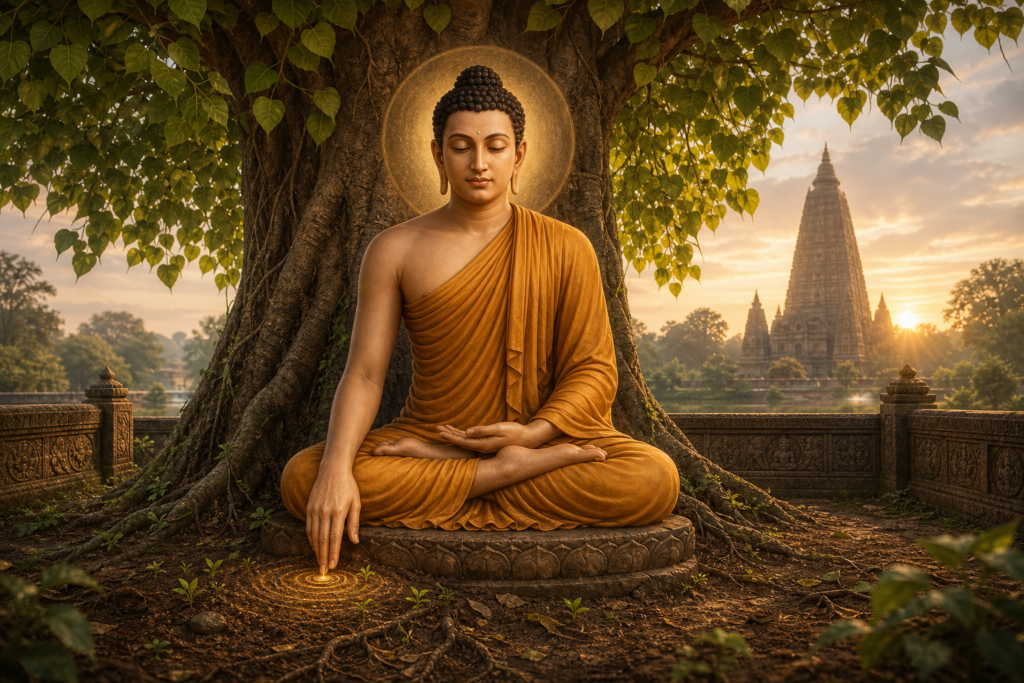
This theme of transforming pride into service harmonizes with the shared ethos of dharmic traditions. In Hinduism, Buddhism, Jainism, and Sikhism, narratives and teachings converge on overcoming ego, cultivating compassion, and dedicating one’s strength to the common good. Whether expressed as ahiṁsā, seva, mindfulness, or self-mastery, the dharmic emphasis on inner reform fosters unity in spiritual diversity and a common pursuit of ethical living.
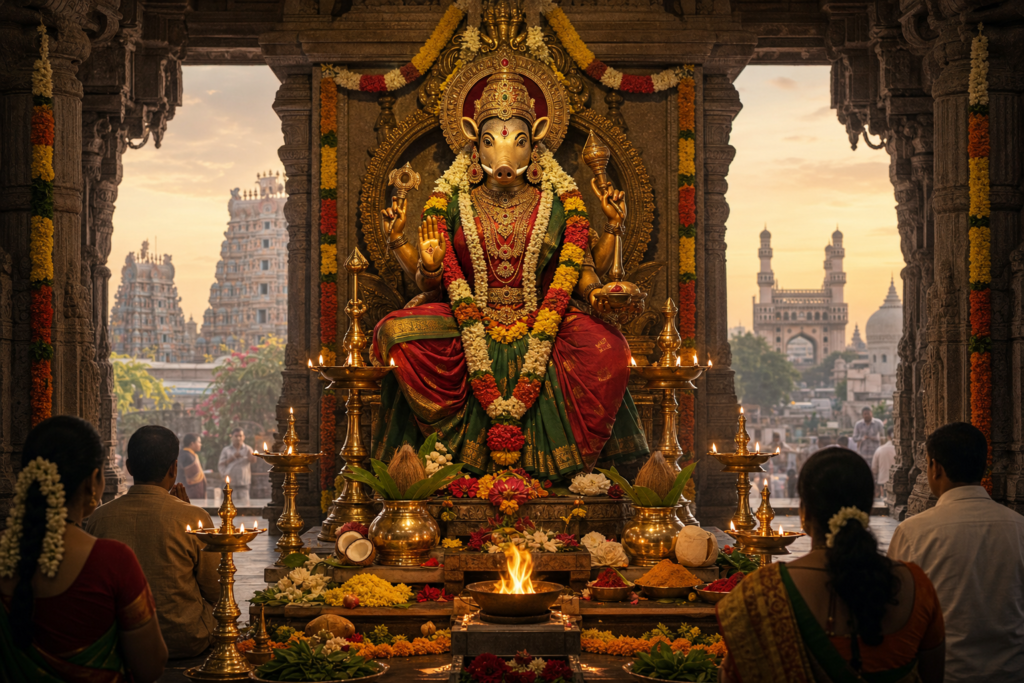
In cultural practice, the story is retold during festivals such as Ganesh Chaturthi, where families engage with Hindu stories that pass ethical values to younger generations. The mouse vahana becomes an accessible teaching symbol at temples and in homes: smallness is not weakness, but potential; discipline does not diminish vitality, it directs it toward meaningful ends.
Ultimately, the journey from Gajamukha to Mushika offers an enduring insight for contemporary life. Power paired with humility sustains order; ambition guided by wisdom serves society. The narrative invites reflection on everyday choices, encouraging the transformation of personal obstacles into instruments of learning, service, and unityan ideal at the heart of dharma and the broader dharmic family of traditions.
Inspired by this post on Hindu Blog.