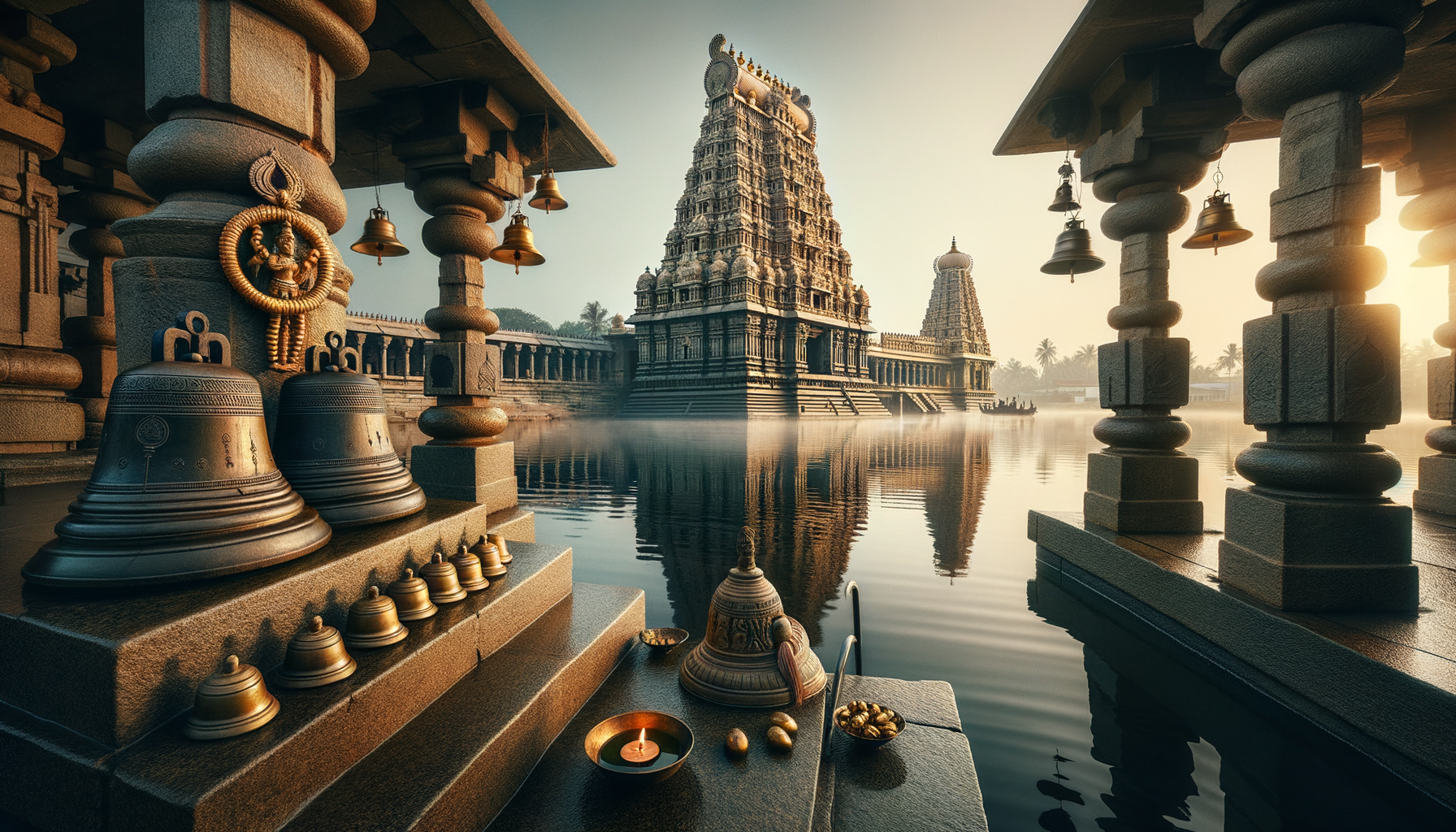
Srirangapatna, an island town in Mandya, Karnataka, rests within the gentle embrace of the river Cauvery. At its heart stands the Sri Ranganathaswamy Temple, a revered center of devotion and learning whose presence shapes the town’s cultural rhythm. Among the many shrines in the area, the sanctum dedicated to Sri Ranganathathe reclining form of Bhagavan Srihari Vishnuremains the most significant, drawing pilgrims, scholars, and seekers of sacred history.
The temple’s setting on a river island gives it a distinctive aura. The confluence of water, stone, and devotion creates a landscape where nature and sacred architecture meet. The Cauvery’s encircling flow has long been associated with purification and renewal, offering visitors a contemplative approach to entering the temple’s prakaras, mandapas, and gopuras that exemplify South Indian temple architecture.
In the sanctum, Sri Ranganatha reclines in Ananta Shayana on Adisesha, a form rich in theological meaning. The image symbolizes sustenance and cosmic balance, linking daily worship to timeless Vaishnava ideals. Devotees encounter a living tradition where the name Srihari Vishnu resonates through recitation, music, and sacred rites that have evolved while retaining continuity with the past.
Historical references and architectural layers indicate continuous patronage across centuries. Inscriptions, structural renovations, and ritual practices together attest to the temple’s enduring role as a spiritual, cultural, and social hub for the region. Without relying on a single era or patron, the complex reflects the collaborative labor of communities who preserved liturgy, craftsmanship, and learning in a shared guardianship of heritage.
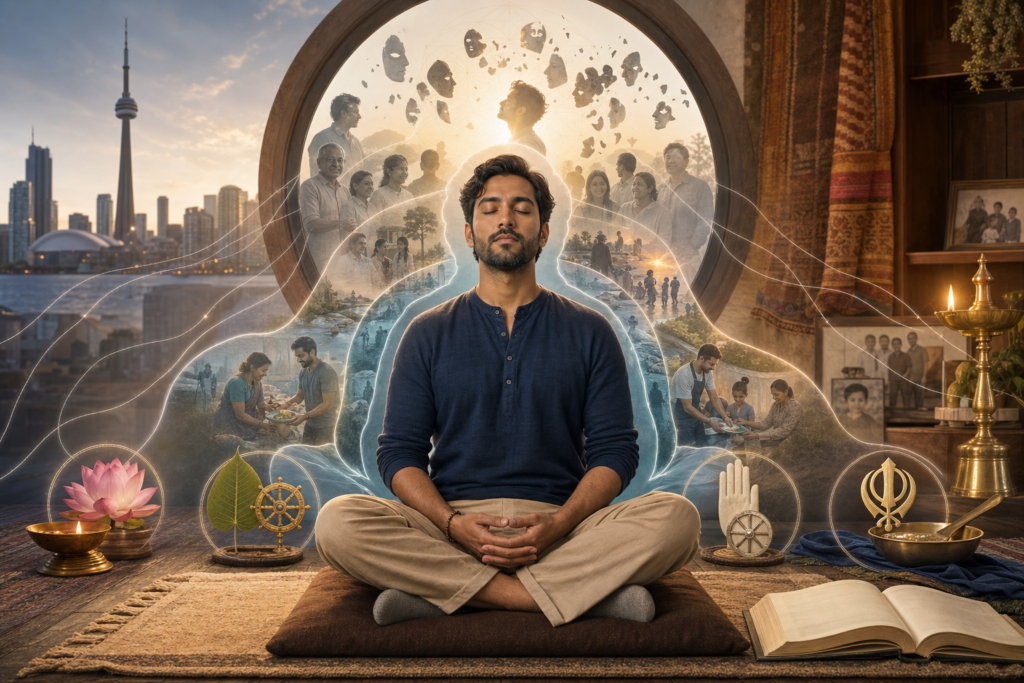
As a living institution, the temple sustains daily pujas, festival observances, and community activities that nurture both devotion and cultural expression. The ethos of the place aligns with broader dharmic valuescompassion, learning, and reverence for diverse pathsfostering harmony among traditions within Hinduism and resonating with the spirit of unity across the dharmic family that includes Buddhism, Jainism, and Sikhism. Such inclusivity strengthens social cohesion while honoring continuity with the region’s sacred history.
Visitors often speak of a quiet clarity that dawns while walking the temple corridors or pausing by the river ghats at sunrise and dusk. The sounds of bells, chants, and flowing water create a layered soundscape that invites reflection. Whether approaching as a pilgrim, a student of history, or an admirer of architecture, many find that Srirangapatna offers an experience where scholarship and spirituality meet naturally.
The legacy of the Sri Ranganathaswamy Temple lies not only in its age or artistry, but in its capacity to nurture collective memory and shared belonging. It stands as a testament to Karnataka’s cultural heritage, to the enduring devotion to Vishnu as Sri Ranganatha, and to the dharmic ideal that varied expressions of faith can thrive in mutual respect. In Srirangapatna, the story of a temple becomes the story of a communityan ever-renewing dialogue between history, the river Cauvery, and living faith.
Inspired by this post on Hindu Blog.