SB 10.85.39 presents King Bali offering profound obeisances to Sri Krishna, acknowledging Him as Ananta (the unlimited), Bṛhat (the supreme and all-great), Vedhase (the cosmic creator), the disseminator of Sāṅkhya and Yoga, and the one reality apprehended as both Brahman and Paramātmā. This compact set of honorifics forms a complete theological prism through which divinity is understood: transcendent infinitude, universal sovereignty, creative intelligence, philosophical illumination, and immanent presence.
Calling Sri Krishna Ananta signals boundlessness beyond spatial or conceptual limitation, while Bṛhat captures unsurpassable greatness that envelopes and exceeds all categories of being. In classical Vedāntic language, Brahman denotes the absolute, undivided reality, whereas Paramātmā indicates the indwelling witness present within every living being. Read together, the verse navigates the complementary relationship between the transcendent and the immanent, dissolving any false dichotomy between the Lord beyond and the Lord within.
The epithet Vedhase highlights the Lord’s role as creative and sustaining intelligence, the architect of order and moral law (ṛta and dharma) in the cosmos. This vision naturally invites ethical responsibility: recognition of a meaningful universe encourages a life aligned with duty, care, and self-restraint. Many practitioners report that contemplating a purposeful cosmos cultivates steadiness during uncertainty and inspires service-oriented living.
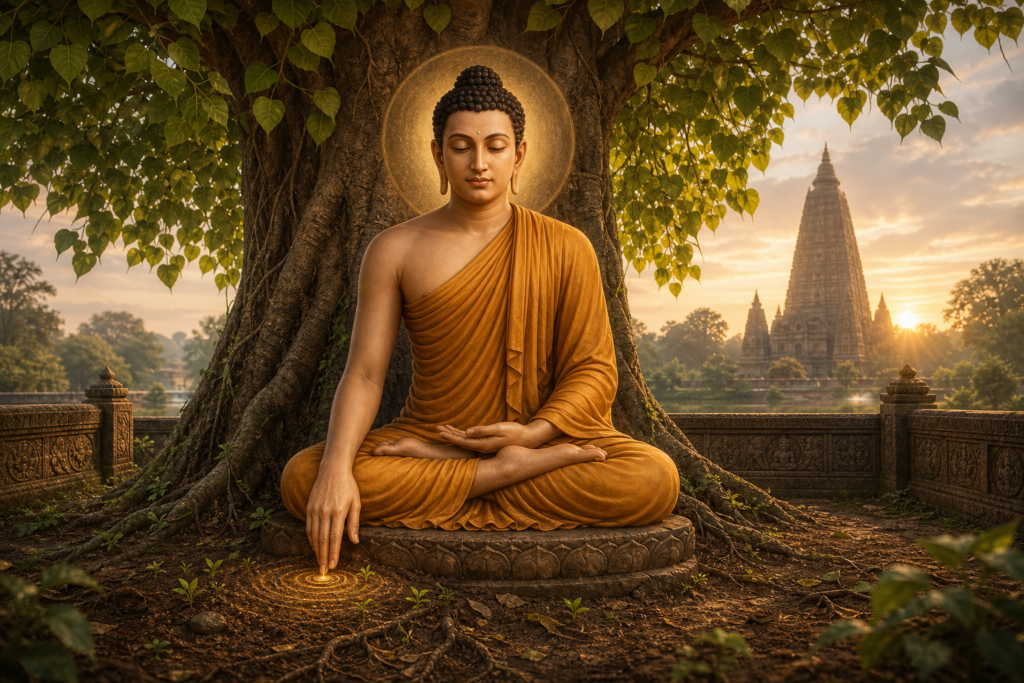
By venerating Sri Krishna as the disseminator of Sāṅkhya and Yoga, the verse honors the twin pillars of discernment and disciplined practice. Sāṅkhya clarifies the distinction between the seer and the seen, while Yoga integrates attention, breath, and conduct toward inner steadiness. Across the dhārmic family, resonant practices appear in dhyāna within Jainism, mindfulness and compassion cultivation within Buddhism, and nām-simran within Sikhism. These convergences encourage mutual respect and unity in diversity, without collapsing distinct theological nuances.
King Bali’s devotion gains particular depth against the backdrop of the Vāmana-Trivikrama episode. Having surrendered his sovereignty, Bali embodies humility and trust, qualities that reframe loss as a pathway to grace. Contemporary readers often find this narrative relatable: relinquishing the tight hold of ego in personal or professional trials can open unexpected space for clarity, courage, and compassionate action.
The verse’s theological arc also carries practical guidance. Daily japa or contemplative recitation fosters interior quietude; study of śāstra refines discernment; and seva translates devotion into social solidarity. When approached in a spirit of inter-traditional respect, these practices help build bridges among Hinduism, Buddhism, Jainism, and Sikhism, affirming a shared commitment to truth-seeking, nonviolence, and the uplift of all beings.
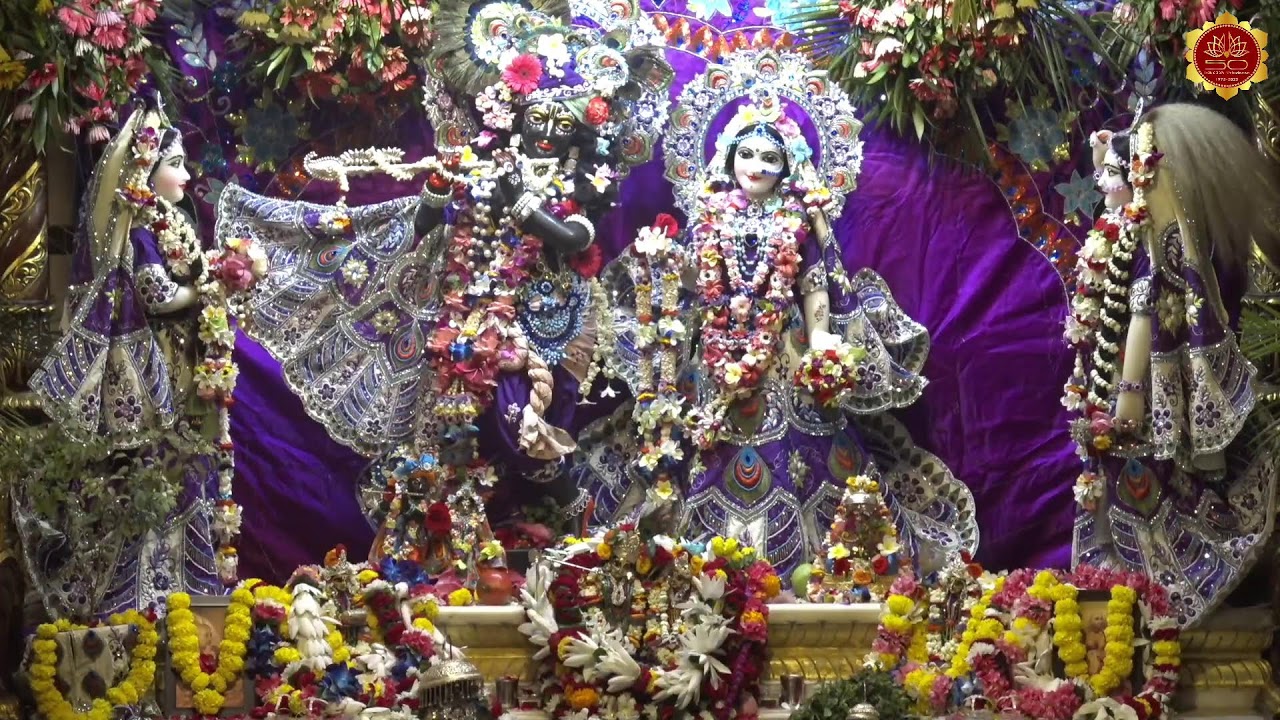
Situated within the devotional culture of Vraja, reflections on SB 10.85.39such as those often shared in the ambience of ISKCON Vrindavaninvite a holistic appreciation of Sri Krishna as both ultimate reality and intimate guide. The synthesis of metaphysics (Brahman and Paramātmā), discipline (Sāṅkhya and Yoga), and devotion (Bali’s surrender) offers a complete pathway that speaks to heart and intellect alike.
In sum, King Bali’s hymn is a concise but comprehensive theology: Sri Krishna as Ananta, Bṛhat, and Vedhase unites transcendence and immanence, contemplation and action, reverence and responsibility. Internalizing this vision can transform daily lifeclarifying purpose, deepening compassion, and strengthening the bonds of unity across dhārmic traditions.
Inspired by this post on Dandavats.