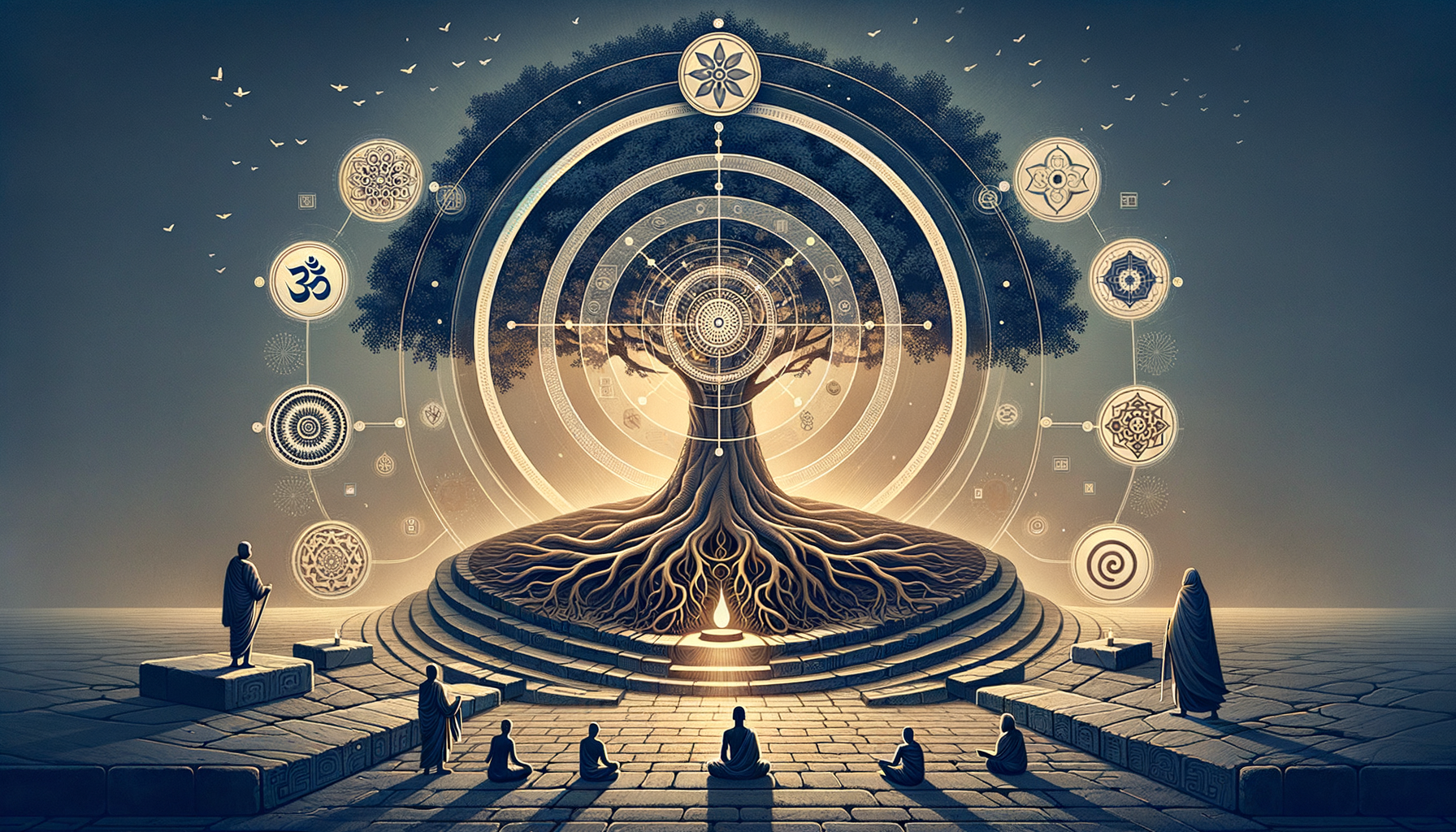
Sanatana Dharma is often described as a living tradition precisely because it resists fossilization. Much like a well-designed system with an internal debugging loop, Hinduism sustains mechanisms that identify errors, test alternatives, and refine practice without waiting for an external patch. This inherent, corrective capacity keeps the tradition relevant, resilient, and ethically grounded across changing contexts.
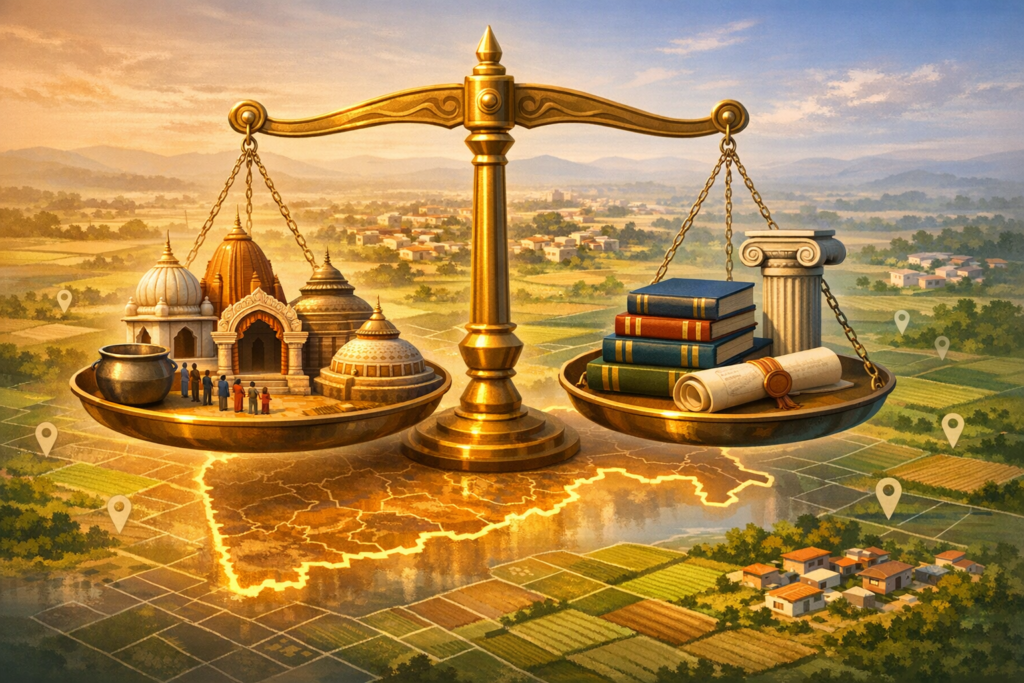
Within Hinduism, this self-corrective power operates through a layered framework of knowledge and practice: shruti (timeless insight), smriti (applied guidance), ācāra (community conduct), and yukti (reasoned discernment). The Dharmashastras repeatedly emphasize desha, kala, and patra—place, time, and person—as necessary lenses for interpreting dharma. Through debate (purvapaksha–uttarapaksha), counsel (satsanga), expiation (prayaschitta), and context-sensitive rulings (including kalivarjya), the tradition updates itself while honoring continuity.
Historical examples illustrate this adaptive intelligence: Mimamsa clarified hermeneutics for changing ritual needs; the Upanishads deepened interiority beyond external form; Adi Sankara knit diverse sampradayas through inclusive frameworks; and bhakti movements democratized access to the sacred. Across centuries, Puranas, commentaries, and living sampradaya deliberations acted as version updates—preserving core principles while refining applications.
This self-corrective ethos is shared across the broader dharmic family. Buddhism convened councils to refine Vinaya and doctrine while sustaining plural schools such as Madhyamaka and Yogachara. Jainism enshrined epistemic humility through Anekantavada and Syadvada, enabling dialogue across views. Sikhism institutionalized collective deliberation (Sarbat Khalsa) and codified evolving practice through the Rehat Maryada. These traditions, while distinct, converge on a common method: internal review, rational discourse, and compassionate reform.
Pluralism is not an afterthought but a philosophical pillar. The Ishta principle in Hinduism affirms many valid approaches to the One, allowing seekers to align practice with svabhava (individual nature). This complements Religious Pluralism in other dharmic traditions, strengthening unity in diversity without erasing doctrinal distinctiveness. Such plurality reduces sectarian friction and cultivates shared ethical ground.
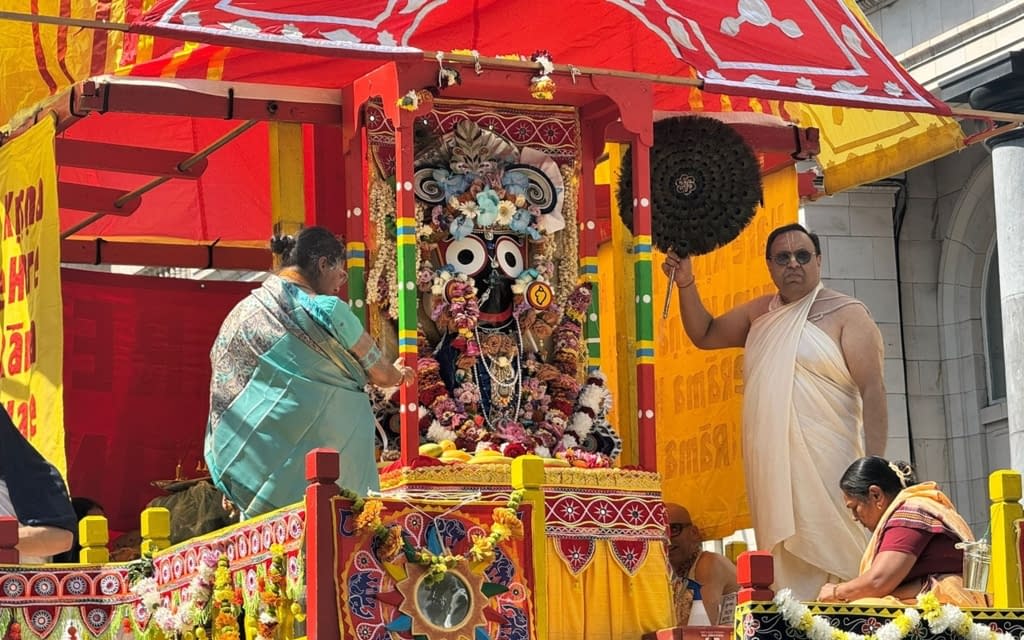
Institutionally, the Guru–Shishya Tradition functions as a living library, transmitting insight while encouraging examination and refinement. Communities employ pramana (means of knowledge), reasoned debate, and experiential verification as a continuous feedback loop. In practical life, anyone who has observed families adapt festival observances after moving cities has witnessed this adaptive spirit at work—faithful to essence, flexible in expression.
Contemporary challenges—technological disruption, environmental stress, and social polarization—are met effectively when traditions retain this update capacity. Dharmic traditions bring tools such as ahimsa, viveka, and compassionate dialogue to modern issues, translating eternal principles into workable ethics for public life. In this way, Sanatana Dharma and its sister paths offer a model of civilizational resilience rooted in humility and wisdom.
For many seekers and householders, this self-correction fosters trust, lowers anxiety about change, and encourages patient inquiry over rigid certainty. The result is a community culture that values learning, reconciliation, and responsible action. It turns spiritual life into a disciplined yet compassionate journey—open to evidence, grounded in tradition, and attentive to human dignity.
Ultimately, the greatness of Sanatana Dharma—and the dharmic constellation of Buddhism, Jainism, and Sikhism—lies in an inherent, corrective power that keeps wisdom alive. This shared update system protects unity without demanding uniformity, allowing traditions to remain timeless precisely because they remain teachable.
Inspired by this post on Hindu Blog.