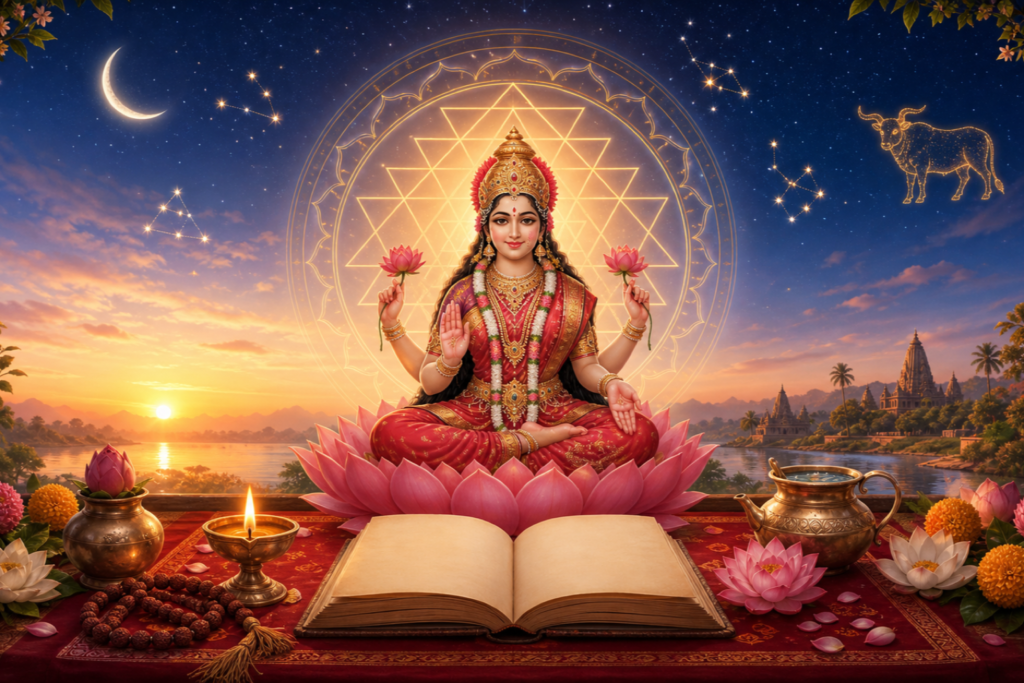
Paush Purnima, observed on the full moon day of the Hindu month of Paush (December–January), holds deep spiritual importance within the Hindu calendar. Traditionally dedicated to the worship of Lord Vishnuthe preserver and sustainerthis auspicious Purnima also honors Indra, associated with life-giving rains, and Brihaspati (Jupiter), emblematic of wisdom and auspicious counsel. The day is regarded as highly meritorious for snan (ritual bathing), puja, japa, and dana (charitable giving), all of which are believed to elevate sattva and cultivate inner clarity.
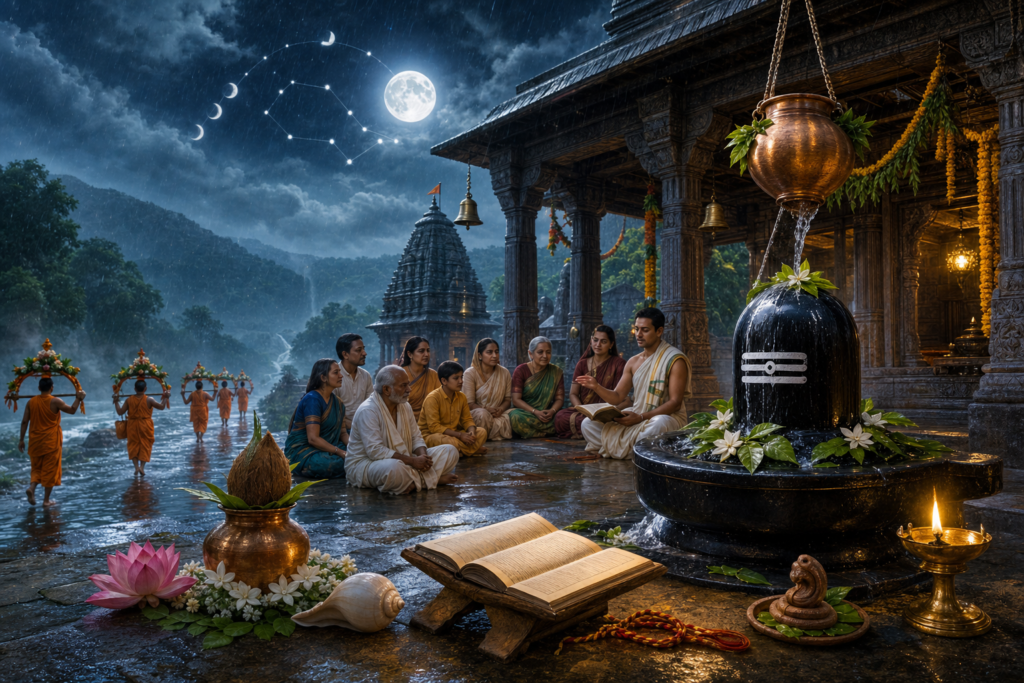
In the lunisolar reckoning used across much of India, Paush Purnima aligns with Shukla Paksha Purnima and seasonally coincides with winter’s peak. In many regions, it marks the ceremonial onset of the Magha Snan vrata, culminating on Magha Purnima. Cities such as Prayagraj witness the beginning of the annual Magh Mela on this day, drawing pilgrims to sacred confluences for sunrise ablutions. The timing reflects an ancient understanding of nature’s rhythms, where ritual, climate, and community converge to support purification and renewal.
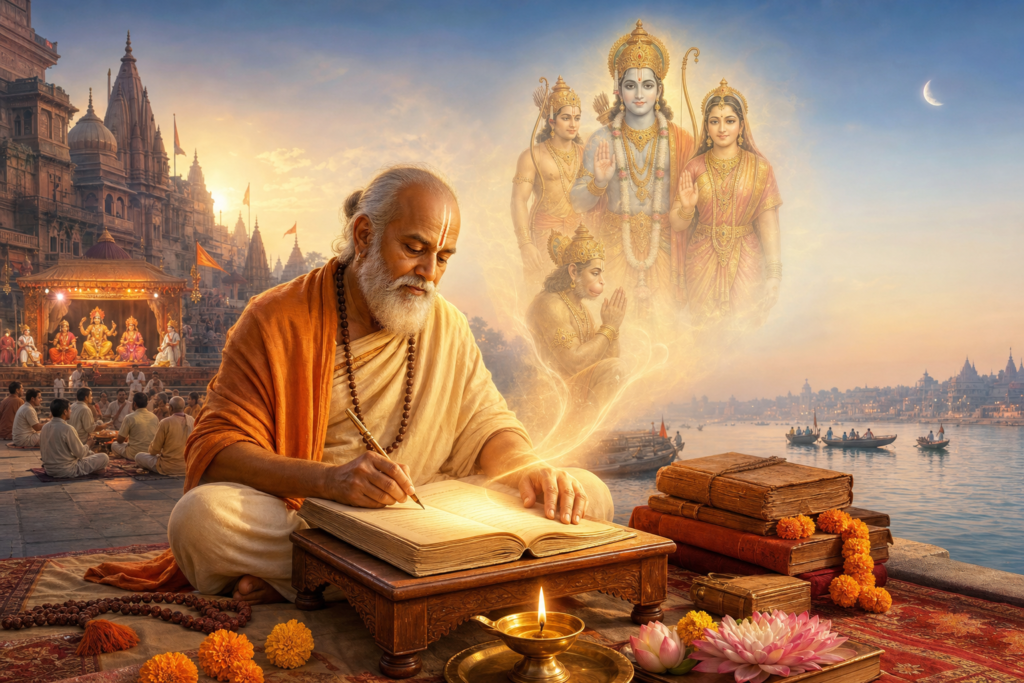
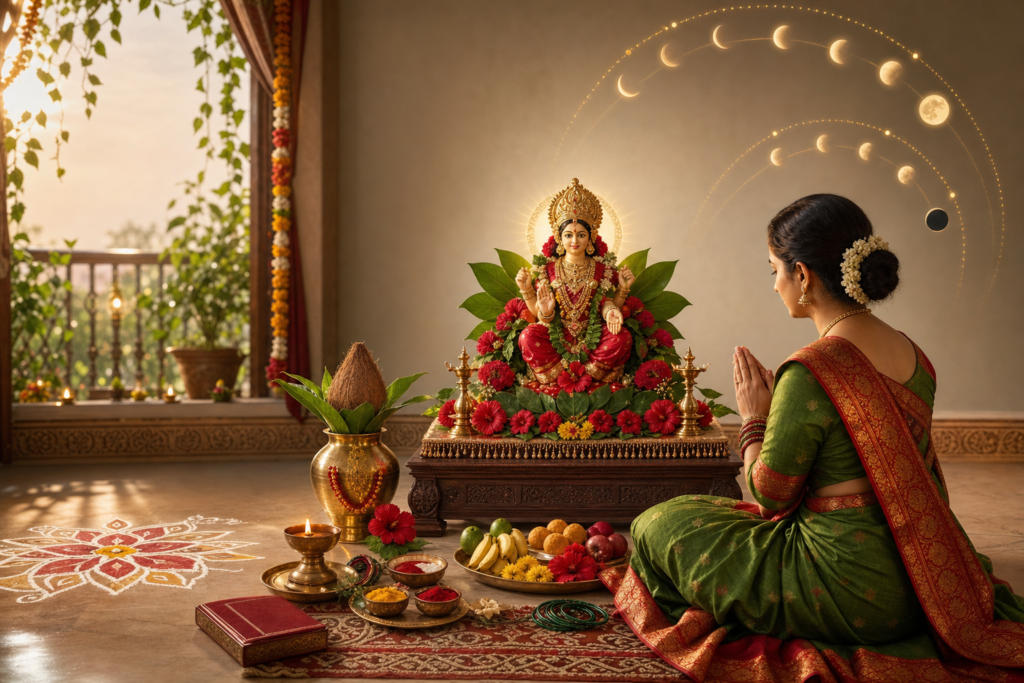
Worship practices on Paush Purnima center on Vishnu Puja, including recitation of the Vishnu Sahasranama, Satyanarayana Puja at home or temple, and offerings such as tulsi leaves, yellow-hued foods, and sesame-based deepa. Honoring Indra acknowledges dependence on seasonal balance and agricultural well-being, while reverence for Brihaspati invokes guidance toward dharma, learning, and discernment. Together, these observances embody a holistic expression of gratitudefor sustenance, wisdom, and protective grace.
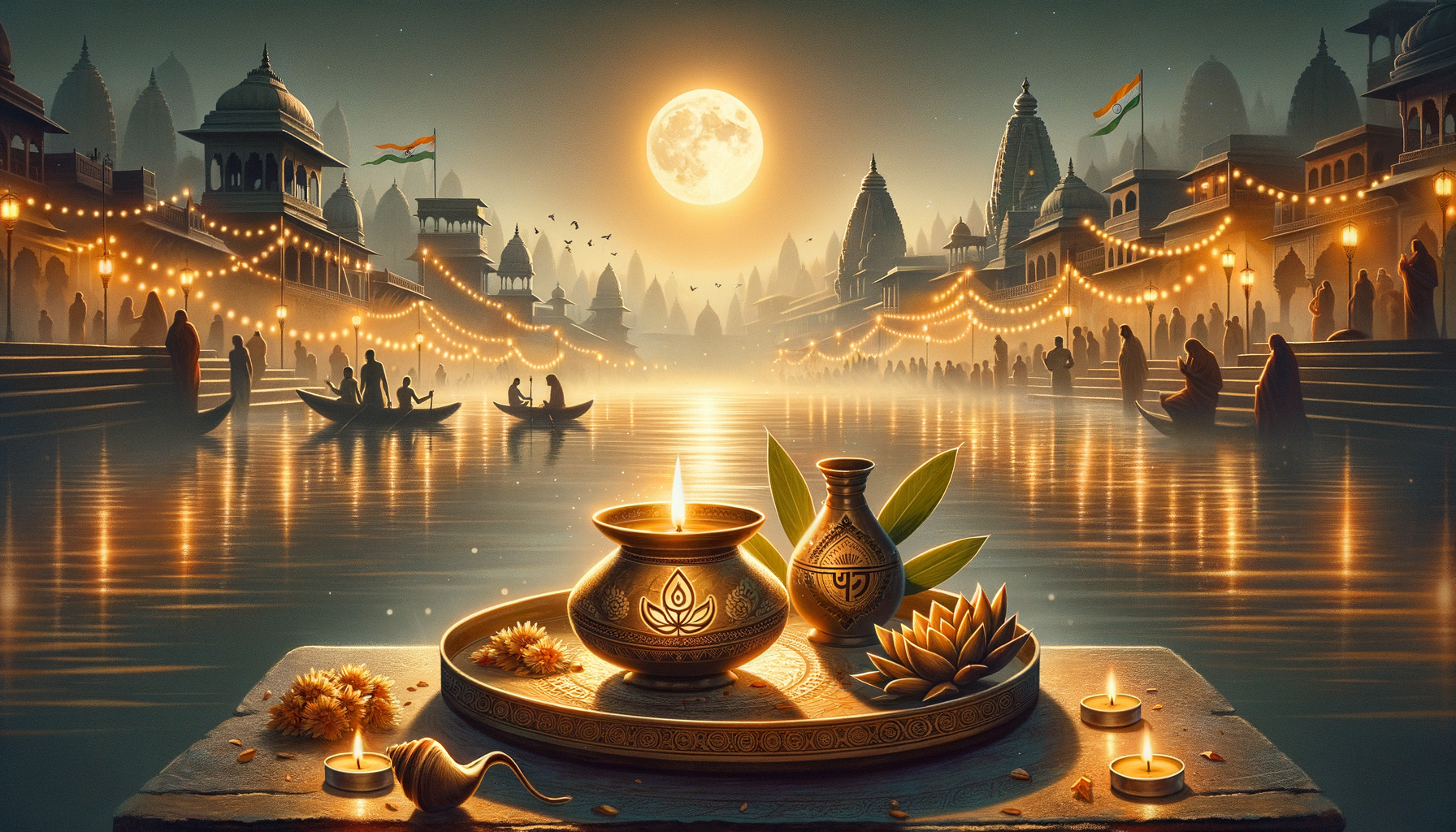
Snan and dana are prominent features of the day. Devotees perform sacred baths in rivers such as the Ganga, Yamuna, Godavari, or at local tirthas, often at dawn, followed by acts of charityannadanam (food distribution), blanket donations in the winter cold, and til (sesame) offerings deemed especially auspicious. Many report a palpable sense of lightness and emotional release after snan and seva, describing the day as an opportunity to realign conduct with compassion, responsibility, and social care.
Fasting (upavasa), mindful eating, and mantra-japaespecially Om Namo Narayanayaare observed to stabilize attention and refine intention. Community kirtan and bhajan strengthen collective devotion, while quiet meditation supports introspection. These disciplines, supported by traditional pranayama and simple breath awareness, are consistently associated with mental clarity, emotional balance, and resiliencebenefits affirmed in both scriptural guidance and lived practice.
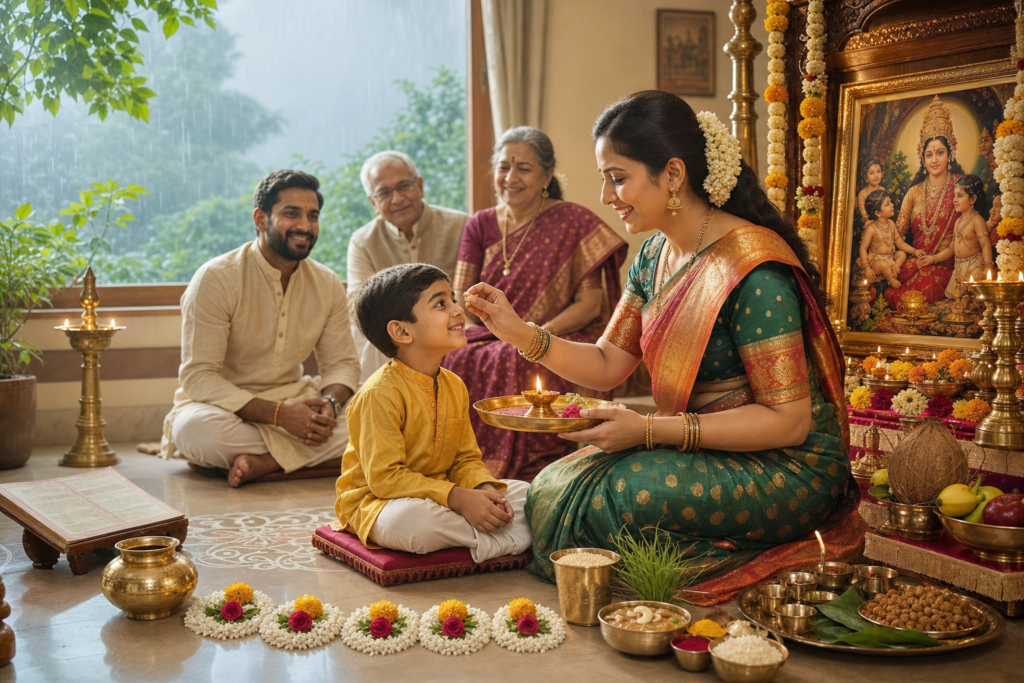
At home and in temples, devotees prepare sanctified spaces with cleanliness, lighting of diyas, and simple rangoli. Panchopachara or Shodashopachara Puja may be performed for Vishnu, with naivedya offered from a saatvik diet. Tulsi worship remains central, reflecting a shared understanding of purity, gratitude, and ecological respect embedded in daily ritual. These practices frame the day as both a personal vow and a communal celebration of sacred order.
Traditional texts and community experience attribute several benefits to Paush Purnima observances: purification of body and mind through snan; cultivation of shraddha and inner peace via worship and meditation; enhanced clarity for decision-making through japa and study; and social harmony nurtured by dana and service. Many practitioners note that consistent annual observance deepens equanimity, invites opportunities for prosperity guided by dharma, and removes obstacles by fostering humility and gratitude.
While Paush Purnima is a Hindu observance, its ethos resonates across dharmic traditions. The full moon’s contemplative atmosphere, emphasis on ethical conduct, and practices of mindfulness, ahimsa, and generosity reflect values shared in Buddhism, Jainism, and Sikhism. This common ground encourages mutual respect, interfaith understanding, and unity in diversityaffirming that devotion, compassion, and service are universal pathways to inner transformation and social well-being.
For observance, timing is crucial. Muhurta and Purnima tithi can vary by location, so consulting a local Panchang is recommended. Practical careeco-friendly diyas, minimal plastic use, and mindful water stewardship during snanaligns ritual with responsibility. Most importantly, intention (bhava) guides outcome: sincerity in worship, honesty in charity, and steadiness in practice define the day’s enduring impact more than external scale.
In sum, Paush Purnima integrates devotion to Lord Vishnu with gratitude for life-sustaining forces and reverence for wisdom. Through snan, puja, japa, and dana, the full moon becomes a luminous landmark for renewalstrengthening inner poise, nurturing compassionate action, and weaving communities together in shared purpose. Observed in this inclusive spirit, the day offers both spiritual elevation and tangible, life-enriching benefits.
Inspired by this post on Hindu Blog.