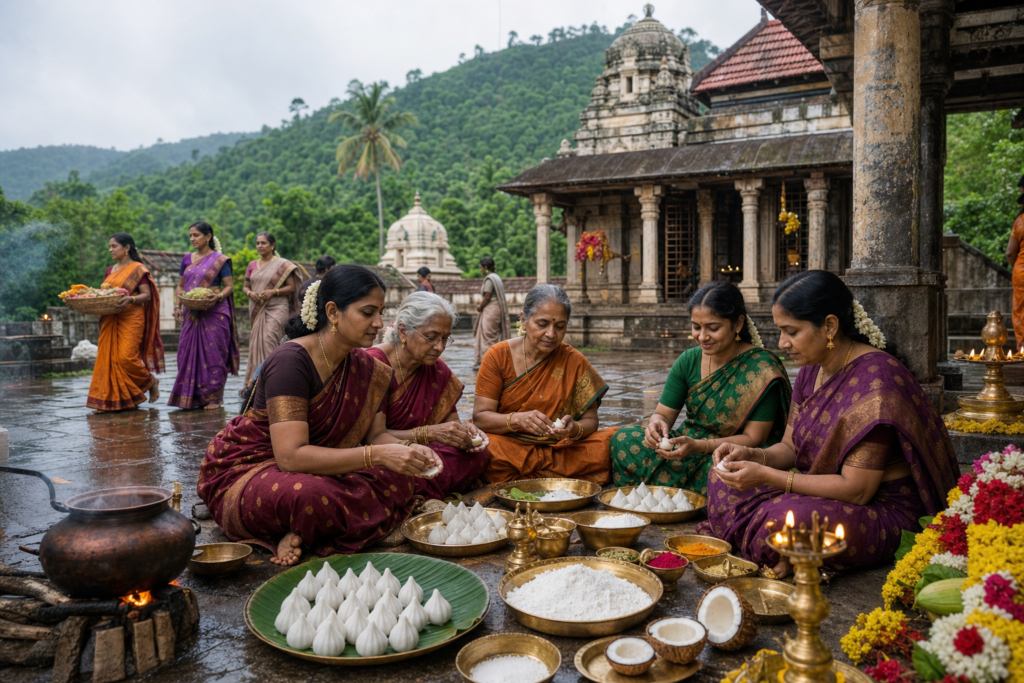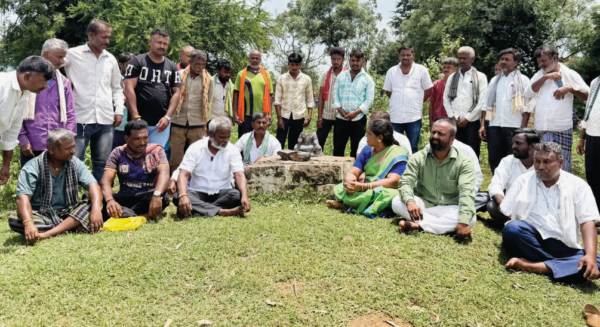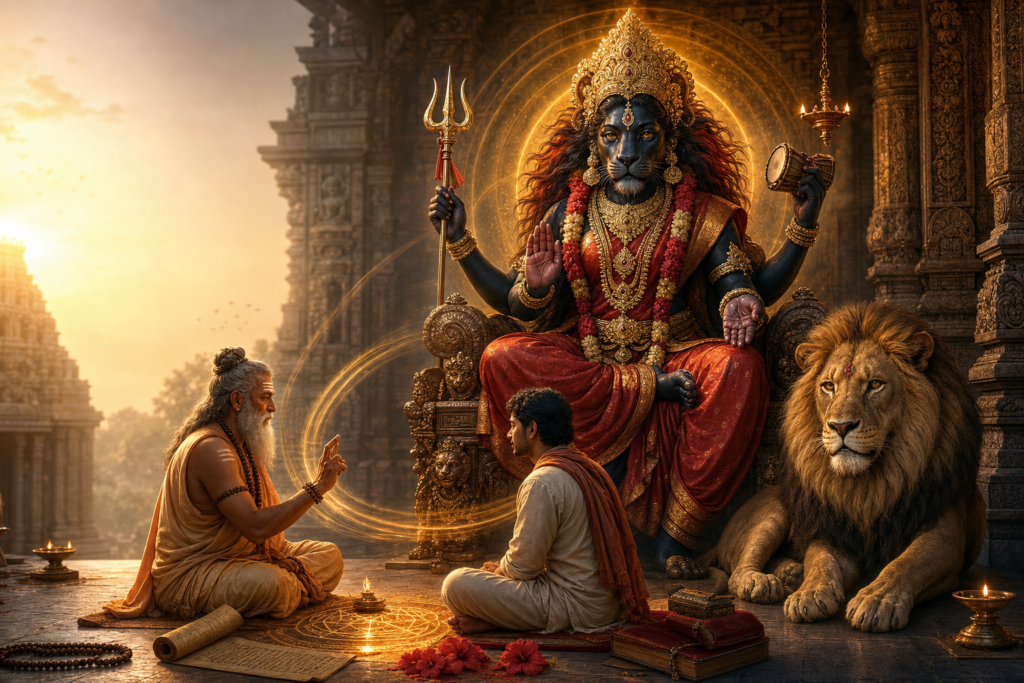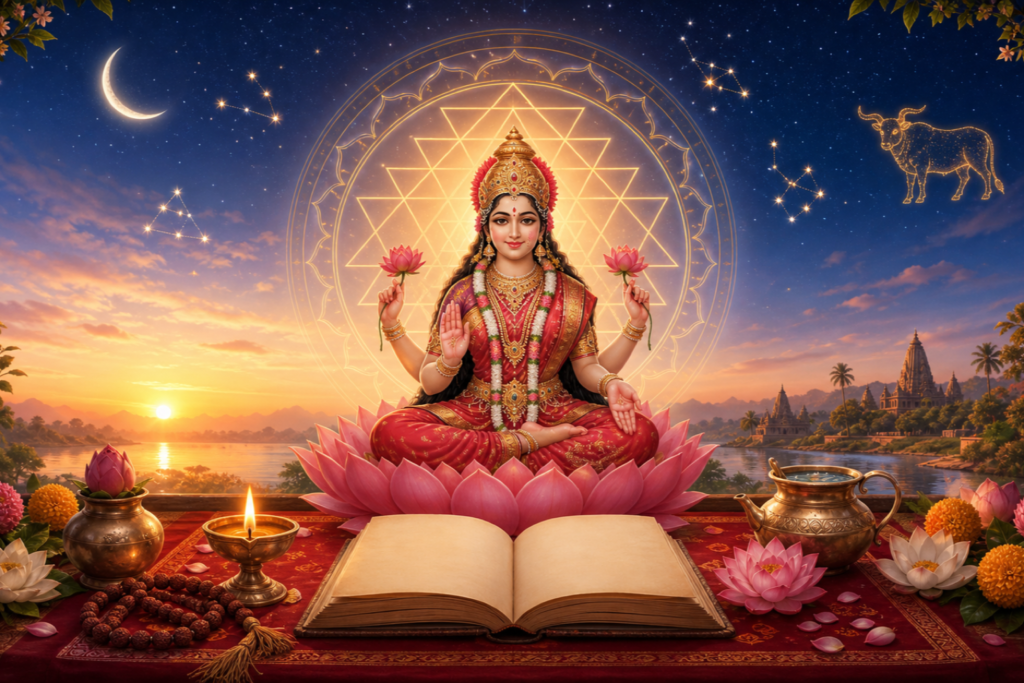
Hindu scriptures and wider dharmic wisdom emphasize a simple, enduring observation: what ceases to flow begins to decay. This principle, evident in rivers, ecosystems, and communities, applies equally to ideologies and spiritual movements. When a movement crystallizes into inflexible forms, it risks losing contact with lived experience, ethical purpose, and the renewing force of Dharma.
The Vedic and Upanishadic vision of ṛtacosmic ordersuggests that order is not static; it harmonizes through continual adjustment. Dharma, in this view, is a living, adaptive guide rather than a rigid code. Texts such as the Bhagavad Gita frame this as a dynamic engagement with duty, discernment, and compassion, making clear that vitality lies in responsiveness rather than dogma.
Within Hindu philosophy, plurality is not a concession but a principle. Multiple mārgasbhakti, jñāna, karma, and rāja yogareflect the understanding that seekers differ in temperament and stage. In this spirit, practice evolves by recognizing diverse needs, requiring various methods of worship and spirituality. Such plurality preserves the flow of Sanatan Dharma by welcoming refinement, critique, and fresh insight while honoring continuity.
This acceptance of diversity is sometimes contrasted with movements that insist on a singular, universalized path. As often noted in modern Hindu discourse, exclusivist claims tend to calcify communities and narrow inquirywhich Vivekananda critiques as intolerant and detrimental to the rich tapestry of religious practices. The freedom to follow one’s chosen path is celebrated, not as relativism, but as fidelity to the metaphysical breadth affirmed in the Upanishads and exemplified in the Gita.
The larger dharmic family reinforces this ethos of flow. Buddhism’s insight into impermanence (anicca) warns against attachment to forms; Jainism’s anekāntavāda counsels humility before many-sided truth; Sikh teachings on hukam and the collective wisdom of the sangat emphasize living alignment and service. Across these traditions, unity in spiritual diversity sustains renewal and prevents movements from hardening into stagnant pools.
Practical safeguards against stagnation are well established in dharmic life: svādhyāya (self-study) fosters honest appraisal; satsang (learning in community) corrects blind spots; and seva (service) grounds philosophy in compassionate action. When institutions periodically examine their assumptions and invite wide participation, they retain moral credibility and cultural relevance. This is how Hinduism’s intellectual generosity, along with Buddhist, Jain, and Sikh perspectives, nourishes resilient communities.
Many observers recognize this dynamic in ordinary experience: a river that meanders clears itself; a community that listens revitalizes itself; a family that revisits its values grows together. By contrast, systems that suppress honest questioning tend to lose trust and purpose. Dharma, literally “that which upholds,” upholds best when it remains open to course correction.
In contemporary terms, growth requires ongoing learning, ethical discipline (yama–niyama), and cross-tradition dialogue grounded in respect. Such practices ensure that ritual remains meaningful, philosophy remains lucid, and social life remains compassionate. They also translate spiritual ideals into public virtuesintegrity, responsibility, and care for the common good.
Ultimately, the message is both philosophical and practical: protect the flow. Movements thrive when they balance continuity with renewal, reverence with inquiry, and identity with hospitality. The dharmic traditionsHinduism, Buddhism, Jainism, and Sikhismoffer a shared grammar for this balance, enabling communities to remain vital, truthful, and inclusive without surrendering their core convictions.
Inspired by this post on Hindu Blog.