Discover the Complete Purpose of Creation in Dharmic Thought: Master Karma, Dharma, Moksha
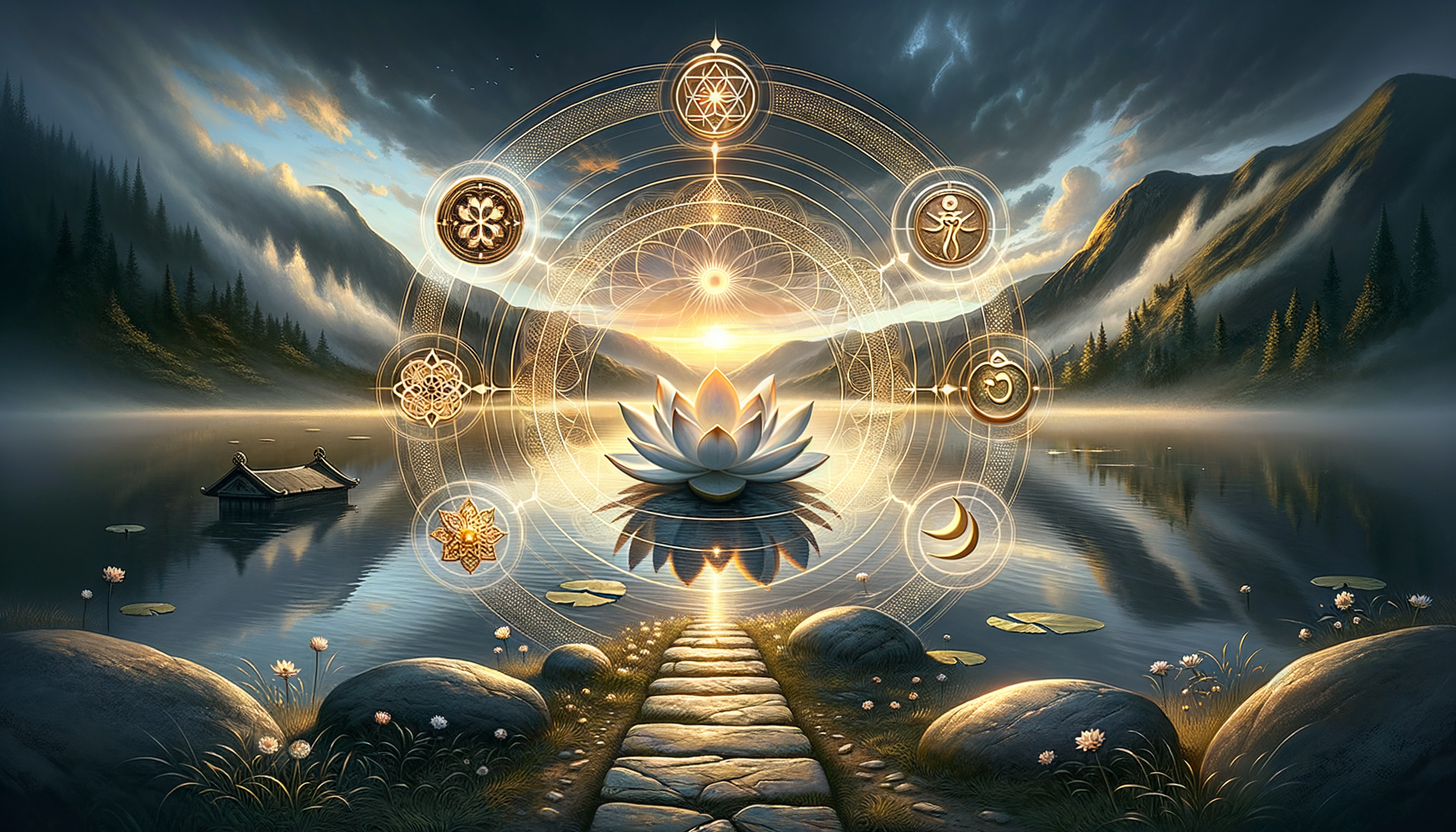
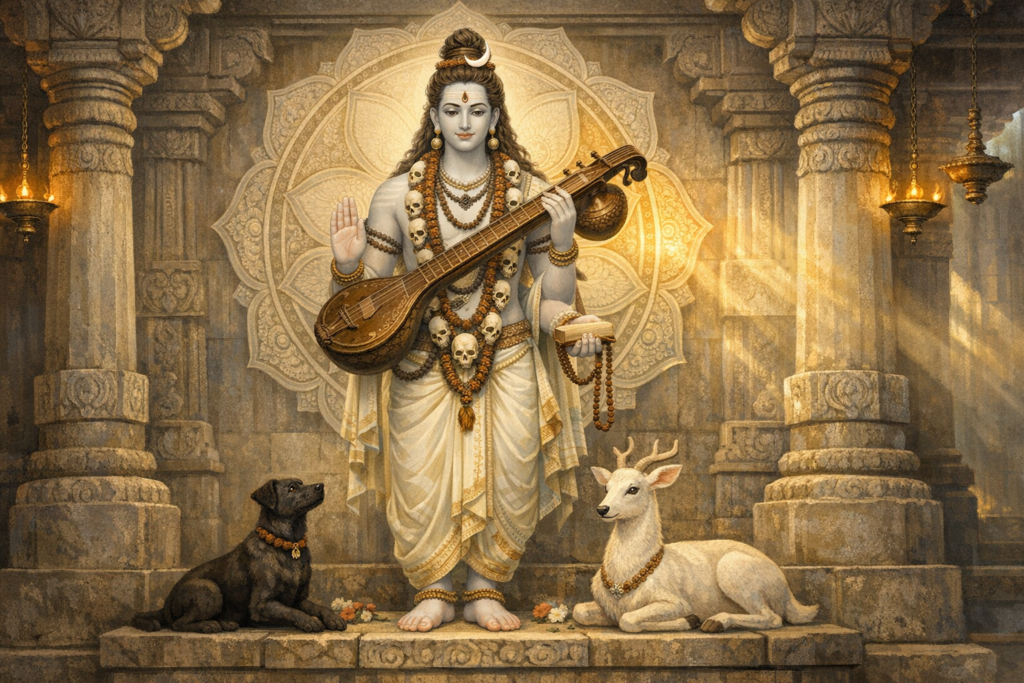
In Hinduism, the purpose of creation is illuminated through the interrelated ideas of karma (action), dharma (duty/righteousness), moksha (liberation), and samsara (the cycle of birth, death, and rebirth). Within this view, Prakriti (nature) is understood as a divine manifestation that offers jivas (individual souls) the conditions needed for spiritual evolution, redemption, and ultimate freedom.
This vision resonates across the wider dharmic family—Buddhism, Jainism, Sikhism, and Hinduism—each articulating liberation in its own language while affirming ethical action, inner transformation, and compassion as non-negotiable pathways. Though terms vary—moksha, nirvana, kevala, or mukti—the shared aspiration centers on release from suffering and ignorance.
Philosophical schools in Hinduism interpret creation with nuance. Some emphasize the dynamic interplay of consciousness and Prakriti, others describe creation as lila, a sacred unfolding that enables learning and refinement. In every articulation, worldly experience functions as a disciplined classroom in which actions (karma) mature character and insight under the guidance of dharma.
In everyday life, this becomes tangible in ordinary choices—honoring family responsibilities, practicing seva (selfless service), cultivating mindfulness in work, and meeting conflict with restraint. Practitioners often report that such commitments steadily reduce agitation, clarify purpose, and reveal a quiet joy that is not dependent on outcomes.
Samsara describes the continuum in which consequences ripen and lessons recur until understanding stabilizes. Moksha represents the culmination of this learning: freedom from compulsive patterns and misidentification with what is transient. Related ideals appear throughout dharmic traditions, underscoring a civilizational consensus that human life is oriented toward liberation.
Multiple sadhanas are sanctioned to accommodate diverse dispositions: bhakti (devotion), jnana (contemplative inquiry), karma-yoga (selfless action), and raja-yoga (meditative discipline). This plurality reflects a core principle of dharma—unity in spiritual diversity—ensuring that different temperaments can progress without coercion or exclusivism.
From this perspective, creation exists not as a random event but as a meaningful arena for growth. By engaging Prakriti responsibly, jivas refine intention, purify motive, and align conduct with dharma. Over time, accumulated wisdom loosens binding karma and prepares consciousness for moksha, understood as abiding clarity and compassionate presence.
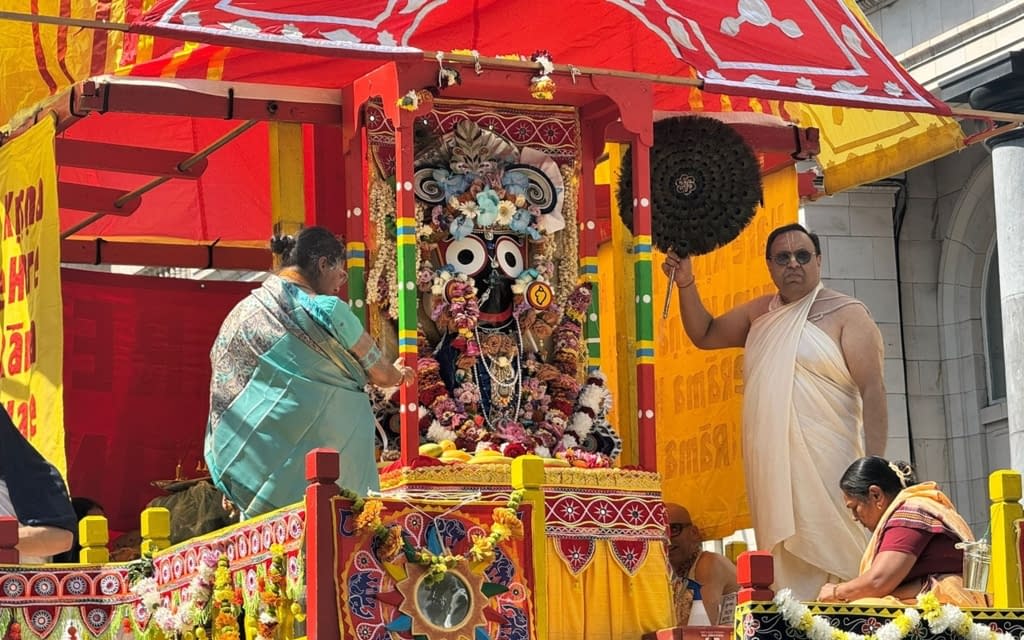
Practical orientation follows three threads: live dharma precisely in one’s station, transform karma through service and disciplined choices, and cultivate inner steadiness through meditation, study, and satsanga. Communities across mandirs, vihāras, derasars, and gurdwaras demonstrate how shared practice and mutual respect strengthen both personal progress and social harmony.
In sum, the purpose of creation in Hinduism—and in consonance with dharmic thought—is pedagogical and liberative. It invites ethical excellence, contemplative depth, and loving engagement with the world, so that individual awakening and collective well-being advance together.
What is the purpose of creation in Hinduism according to the article?
The article presents creation as a meaningful arena for growth, where karma (action) and dharma (duty) guide toward moksha (liberation) within samsara (the cycle of birth and rebirth). The aim is ethical living and personal awakening.
How are karma, dharma, and moksha related in this dharmic view?
Karma refers to actions; dharma to duty or righteousness; moksha to liberation. Actions aligned with dharma support learning, purification, and progression toward moksha within the cycle of samsara.
What role does Prakriti play in spiritual growth?
Prakriti is described as a divine manifestation that offers the conditions needed for spiritual evolution, redemption, and ultimate freedom. It serves as the arena in which jivas learn through experience.
What paths or practices does the article recognize?
The article affirms multiple sadhanas—bhakti, jnana, karma-yoga, and raja-yoga—as valid paths, reflecting unity in spiritual diversity. These paths support diverse temperaments while guiding practitioners toward liberation.
What practical roadmap does the article offer for daily life?
It outlines a three-part roadmap: live dharma in one’s station, transform karma through service and disciplined choices, and cultivate inner steadiness through meditation, study, and satsanga. Practitioners are encouraged to integrate these threads into everyday life.
How is moksha described in the article?
Moksha is described as the culmination of learning: freedom from compulsive patterns and misidentification with what is transient. It represents abiding clarity and compassionate presence, marking liberation from suffering and ignorance.