When Indiana Jones and the Temple of Doom debuted in 1984, global audiences encountered a version of Hinduism that bore little resemblance to historical accuracy or lived practice. The film’s sensational imageryHindu priests portrayed as a violent cult devoted to human sacrifice under the name of the goddess Kaliwas not merely an adventure trope; it became a powerful engine of misrepresentation that still shapes public perceptions of Hinduism and related Dharmic traditions.
The cinematic portrayal of Kali as a bloodthirsty deity collapses a nuanced theological tradition into a caricature. In mainstream Hindu thought, Kali is a protective, liberating force who symbolizes the destruction of ego and ignorance; the iconography of skulls and weapons is metaphorical, not a sanction for violence. By conflating colonial-era “Thuggee” narratives with Hindu ritual life, Temple of Doom converts a fringe 19th-century British policing story into a sweeping indictment of a major religion, thereby eroding cultural literacy and historical accuracy.
These distortions did not arise in isolation. Nineteenth-century British accounts amplified the “Thuggee” phenomenon to justify imperial policies, and those accounts later bled into Hollywood storytelling. The film thus reproduces an Orientalist loop: exoticize, exaggerate, and then legitimize stereotypes through mass entertainment. Such cinematic representationwhen detached from credible sourcesbecomes a conduit for cultural appropriation rather than cultural understanding.
The social cost has been tangible. Educators and community advocates frequently report that students absorb Temple of Doom’s imagery as cultural fact, a dynamic that feeds everyday Hinduphobia and flattens the diversity of Indian religions into a single, menacing trope. For many in the diaspora, playground taunts and casual classroom remarks have echoed the film’s scenes, illustrating how popular culture can subtly license prejudice. Misreading Hinduism in this way also spills over to Buddhism, Jainism, and Sikhism, since Western audiences often conflate Dharmic traditions or read them through the same stereotyped lens.
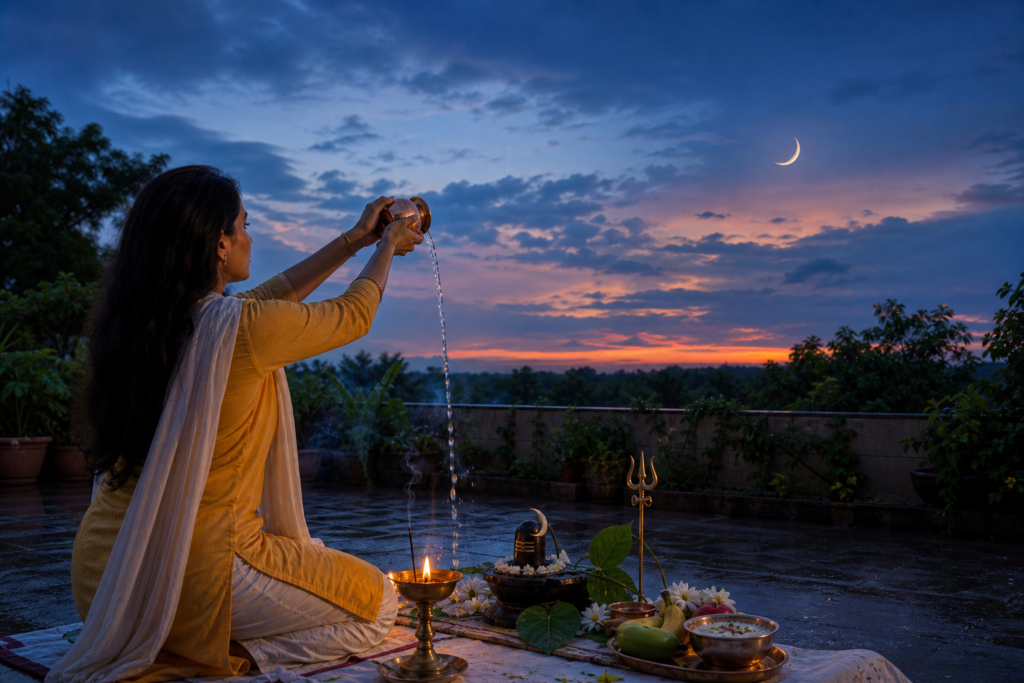
Across the Dharmic spectrum, the core ethical vocabularyahimsa (non-violence), dharma (duty and harmony), seva (selfless service), and spiritual pluralismanchors communities in shared values. When a blockbuster frames Hindu symbols as cruel or chaotic, it undermines a wider understanding of these common threads and weakens the unity that Dharmic traditions naturally embody. Strengthening that unity requires correcting the record: explaining Kali’s philosophy, contextualizing temple ritual, and emphasizing the inclusive ethos that encourages multiple paths of practice and realization.
Media literacy is essential. Adventure films are not anthropology, yet their reach ensures they function as informal textbooks. Audiences can still enjoy spectacle while asking necessary questions: What sources shaped this script? Which communities were consulted? How do scholars of Hinduism interpret Kali and Shakta traditions? Engaging with documentaries, museum resources, and contemporary Indian filmmakers helps rebalance the narrative and counters decades of one-sided imagery.
Creators and studios can take constructive steps that elevate both story and integrity. These include consulting Dharmic scholars across Hinduism, Buddhism, Jainism, and Sikhism; commissioning sensitivity reviews; filming in living places of worship with guidance from practitioners; and casting and hiring from South Asian and diaspora communities. Such practices do not constrain creativity; they enrich it by grounding spectacle in truth and expanding the range of compelling, human-centered plots.
Educators, parents, and community leaders can also transform Temple of Doom into a teachable moment. Classroom packets that decode Kali’s iconography, compare colonial-era sources with modern research, and highlight Dharmic teachings on compassion and pluralism can turn a problematic movie into a springboard for understanding. Visits to mandirs, gurdwaras, viharas, and Jain derasarsand conversations with practitionersbring living traditions into focus and foster interfaith respect.
Repair is possible and underway. As Hollywood increasingly recognizes the stakes of representation, there is an opportunity to replace old tropes with narratives that are both captivating and culturally grounded. Doing so strengthens community relations, reduces Hinduphobia, and honors the unity and diversity of Dharmic traditions. The path forward is clear: pair imagination with accuracy, center human dignity, and let shared valuesrather than sensational mythscarry the story.
Inspired by this post on Hindu Blog.