The 146th Jayanti of Bhagavan Sri Ramana Maharshi falls on January 4, 2026. This sacred observance aligns with Punarvasu (also known as Punarpoosam or Punartham) Nakshatra in Margazhi Masam, as per the traditional Hindu Tamil calendar. Across India and the world, spiritual communities mark this date as a time for remembrance, contemplation, and renewal of commitment to inner inquiry.
Historically, Ramana Maharshi was born on December 30, 1879, in the Tamil month of Margazhi under Punarvasu. In accordance with longstanding tradition, the Jayanti is commemorated not by the solar birthdate but by the lunar star day, honoring the continuity of the Vedic calendrical framework. This alignment underscores how the Tamil calendar preserves cultural memory through Margazhi Masam and Nakshatra-based observances.
On the Jayanti day, various programs are held at Sri Ramanasramam, Tiruvannamalai, including Veda parayana, recitations of Ramana’s works such as Upadesa Saram and Aksharamanamalai, and periods of collective silence. Devotees often undertake girivalam (circumambulation) of Arunachala, engage in dhyana, and participate in satsanga that reflects Advaita Vedanta’s emphasis on Self-knowledge. These practices, observed with simplicity and depth, create a shared atmosphere of stillness that many participants describe as transformative.
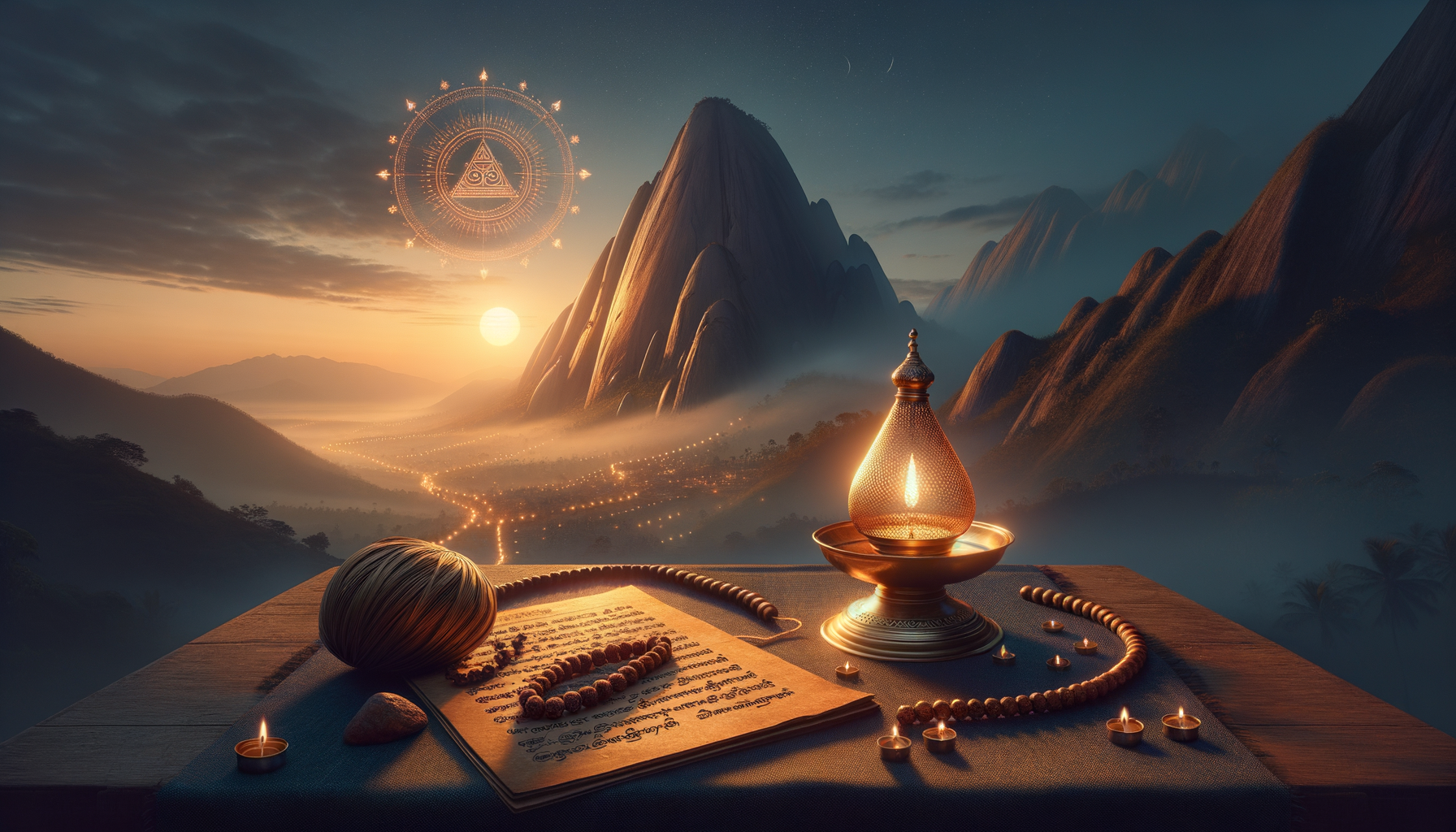
For seekers, the Jayanti offers a meaningful framework for personal sadhana. Many begin the day with atma-vicharaSelf-enquiry characterized by the contemplative question “Who am I?”followed by quiet reading of Ramana’s teachings and periods of meditative silence. Others light a simple lamp, chant softly, or sit near an image of Arunachala to cultivate inner steadiness. These accessible practices allow householders and monastics alike to participate meaningfully, wherever they are.
The spiritual message associated with Ramana Maharshi resonates across dharmic traditions. The emphasis on inner clarity, ahimsa in thought and action, and direct experiential insight harmonizes with the contemplative streams of Hinduism, Buddhism, Jainism, and Sikhism. In this sense, the Jayanti is not only a commemorative date but also a unifying moment for those who value meditative inquiry, ethical living, and the shared pursuit of ultimate truth.
From a calendrical perspective, observance timings may vary by location. Devotees commonly consult a local Panchang to note the exact start and end of Punarvasu Nakshatra on January 4, 2026, ensuring that puja, parayana, or meditation aligns with the Nakshatra window. The continuity of Punarvasu or Punarpoosam or Punartham in Margazhi Masam serves as the key marker for the Jayanti, preserving precision within the Tamil calendar system.
Commemorating Bhagavan Sri Ramana Maharshi Jayanti with measured reflectionthrough silence, study, and compassionate livingstrengthens individual practice and collective harmony. In honoring this day, communities affirm a shared dharmic heritage while recognizing diverse paths to realization, embodying unity-in-diversity at the heart of India’s spiritual civilization.
Inspired by this post on Hindu Blog.