-
Bringing Sikh Stories to Screen: Authentic Representation, Dharmic Unity, and Cultural Power

This article outlines a research-led, production-ready framework for bringing nuanced Sikh stories to screen while advancing unity across dharmic traditions. It details how respectful depiction of articles of faith, language authenticity, and community consultation improve cinematic representation and trust. Practical guidance covers writing-room research, casting and wardrobe, sound and music ethics, location protocols in gurdwaras,…
-
Millions on VFX, But Where Is Bhakti? Why Modern Ramayana Films Miss Sri Rama’s Soul

Modern Ramayana films often invest heavily in spectacle while missing the devotional and ethical essence associated with Bhagavan Sri Rama. This analysis explains how the Ramayana’s status as itihasa, the Natyashastra’s rasa-bhava science, and the lived grammar of bhakti must inform cinematic craft. It outlines practical methods—sadhana-informed acting, Sanskritic dramaturgy, iconographic fidelity, and sound design…
-
Dhurandhar: The Revenge ignites propaganda wars—and a chance to bridge India’s cultural divide

Dhurandhar: The Revenge has become a box-office phenomenon and a flashpoint in India’s ongoing debate about propaganda, artistic freedom, and public ethics. This analysis situates the controversy within research on framing, agenda-setting, and audience reception to explain why sincere viewers reach sharply different conclusions. It outlines a practical checklist for evaluating films responsibly—separating historical claims…
-
This Is Life: A Poignant Classic of Hindi Cinema Restored by ITV—Story, Context, Legacy

This Is Life, reproduced by ITV, offers a succinct yet affecting window into classic Hindi social drama and is now more accessible through English subtitle autotranslation. The ensemble story of Anand Narayan, Gayetri, Kamla, Madhu, and Govind evokes shared ethical intuitions across Hinduism, Buddhism, Jainism, and Sikhism, modeling unity in diversity. Read as a socio-cultural…
-
Ahmedabad Protests Over ‘Kerala Story 2’: Safeguarding Interfaith Harmony, Law, and Rights in Gujarat

Protests in Ahmedabad over The Kerala Story 2 and an interfaith relationship have brought constitutional rights, community anxieties, and public order into sharp focus. This analysis explains how Gujarat can protect free expression for certified films while ensuring peaceful, lawful protests and rapid action against intimidation. It outlines the legal landscape—from the Cinematograph Act to…
-
HJS seeks ban on ‘Engaged 2’: safeguarding women’s dignity and media ethics on OTT platforms

Hindu Janajagruti Samiti (HJS) has urged a ban on the reality show ‘Engaged 2’ (Roka Ya Dhoka), alleging vulgarity and the degradation of women on the ‘Jio Hotstar’ OTT platform. The development spotlights India’s IT Rules, 2021, which emphasize age ratings, content descriptors, and a three-tier grievance system for online curated content. A proportionate, evidence-based…
-
‘Ghooskhor Pandat’ Sparks Nationwide Protests; VHP Moves Legally, Calls for Cultural Sensitivity
Netflix’s title ‘Ghooskhor Pandat’ has sparked nationwide protests and a legal push by the Vishwa Hindu Parishad (VHP), spotlighting the balance between creative freedom and cultural sensitivity. This analysis outlines the concerns raised by Brahmin community organizations, the legal avenues being explored, and the broader implications for cinematic representation. Readers gain a clear view of…
-
Nationwide Protests over Netflix’s ‘Ghooskhor Pandat’: Urgent Calls for Respect, Sensitivity, and Unity
Protests across India have challenged the Netflix series ‘Ghooskhor Pandat’ for its title and portrayal of a Brahmin police officer, raising concerns about stereotyping and community stigmatization. Participants argue the controversy reflects wider issues of Hinduphobia, Anti-Brahminism, and media bias in cinematic representation. Cultural advocates call for responsible storytelling that safeguards dignity while respecting creative…
-
Temple of Doom’s Hinduism Problem: How Hollywood Stereotypes Fueled Hinduphobia—and What Heals It

Indiana Jones and the Temple of Doom popularized distorted images of Hinduism that still influence global perceptions. This analysis explains how the film’s depiction of Kali and “Thuggee” recycles colonial-era myths rather than historical accuracy. It traces the social effects—everyday stereotyping, classroom confusion, and Hinduphobia—while noting spillover harms to Buddhism, Jainism, and Sikhism through blanket…
-
Dhurandhar’s Shockwave: A Political Thriller Exposes Terror Networks and Unites Dharmic Resolve

Dhurandhar has moved beyond box-office success to ignite a national conversation on terrorism, statecraft, and media responsibility. Reports of bans in several Gulf countries and legal action abroad highlight how cultural narratives can unsettle geopolitical sensitivities. At home, polarized responses from reviewers reveal shifting media ecosystems and the need for principled criticism rooted in sahṛdaya-samīkṣa—rigorous,…
-
Fierce Grace of Kali: A 1981 Russian Psychedelic Short Through Kathakali’s Talking Hands
This piece examines “The Talking Hands of Travancore” (1981), a Russian psychedelic short that interprets the Hindu Goddess Kali through animation and Kerala’s Kathakali. It explains how Kathakali’s mudras and abhinaya act as a semiotic bridge, translating the Kali–Mahisha motif into expressive movement. The analysis highlights cross-cultural collaboration, where Russian experimental cinema engages with South…
-
Discover the Proven Aesthetic Secret: K. Viswanath’s Mastery of Rasa and the Marga–Deshi Fusion

This essay explores how K. Viswanath’s cinema exemplifies a proven Indian aesthetic secret: the rasa-centric fusion of Marga (classical, codified) and Deshi (regional, idiomatic). It traces the lineage from the Natya Shastra and Prof. M. Hiriyanna’s insights to contemporary film, showing how aesthetic experience, not didacticism, sits at the core of art. Through examples from…
-
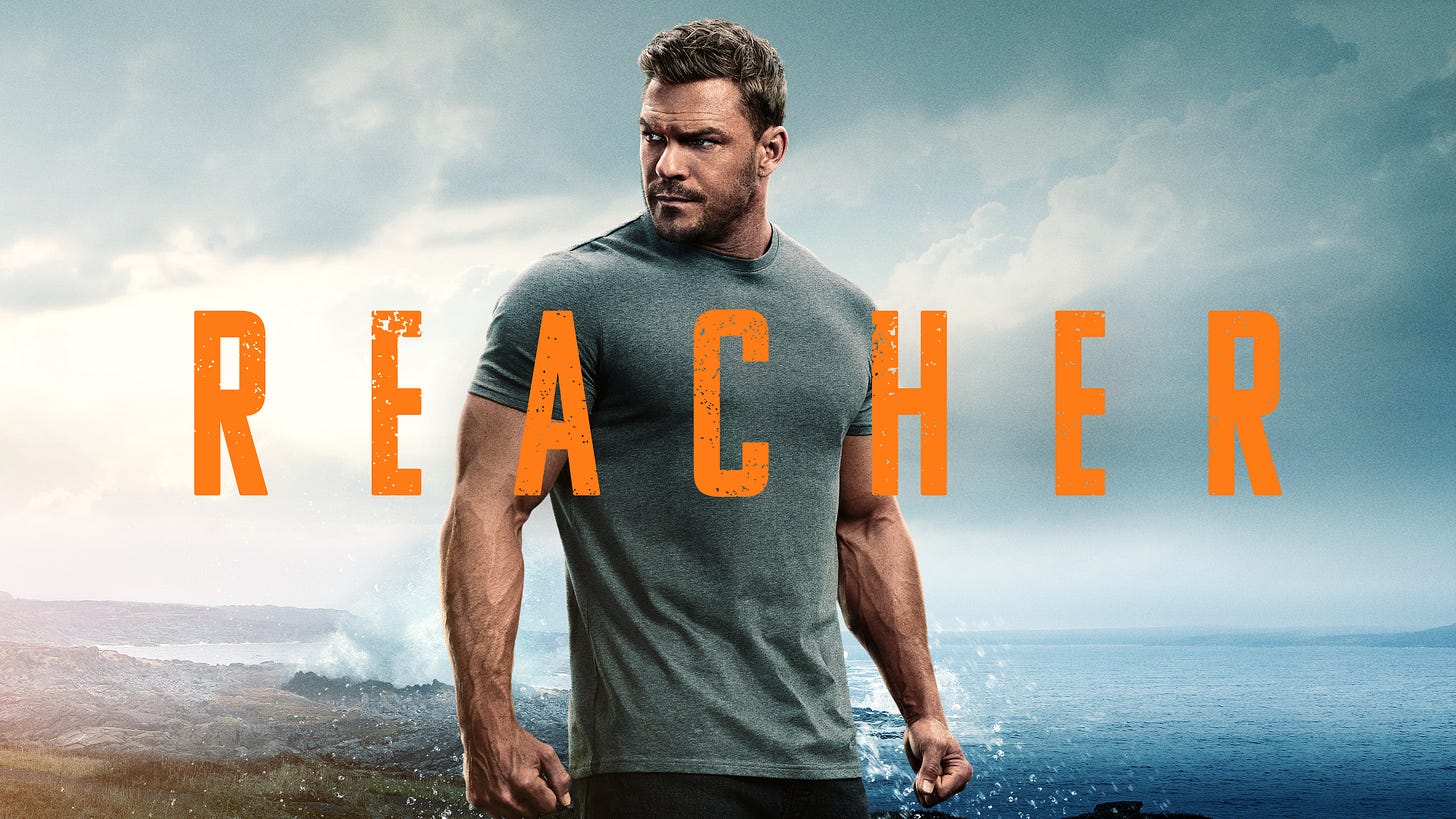
Reacher Season 3 Review: Proven Adaptation Secrets and Why This TV Run Falls Short

This review explains why book-to-screen adaptations so often disappoint and outlines a proven framework for success: honor the emotional core, externalize interiority, calibrate pacing, cast for essence, and retain resonant details. It evaluates Reacher Season 3 against these criteria, highlighting underdeveloped suspense, muted ethical tension, and thin character dynamics despite excellent lead casting. Comparative examples—ranging…
-
Discover the Proven Roots of Hindi Cinema’s Linguistic Shift: A Balanced, Unifying History

This balanced history explains how Hindi cinema’s linguistic and musical shift toward an Urdu/Hindustani register emerged from Bombay’s 1930s ecosystem of markets, technology, and taste-making. Readers discover Alam Ara’s pioneering role in synchronized sound and diegetic music, including the widely cited “De De Khuda Ke Naam,” and learn why early talkies gravitated to the ghazal…
-
Complete Briefing: Manache Shlok Returns With New Title After Community Dialogue

A Marathi film titled “Manache Shlok” was pulled from theatres in Mumbai following concerns about the portrayal of Hindu sentiments and is set to return with a new title. The decision emerged after community dialogue, which several organisations praise as a consensus-based outcome. The episode has broadened debate on cinematic representation, cultural sensitivity, and the…
-
How Operation Polo Aborted a Pakistan in South India

The article explores the historical intricacies behind the liberation of Hyderabad, shedding light on the oppressive regime of the Nizams and the atrocities committed by the Razakars against the Hindu populace. It discusses the missed opportunity of the Marathas to dismantle the Nizam’s rule, attributing it to historical factors that allowed the Nizams’ sustained dominance.…