In Hindu iconography, the prominent belly of certain deitiesmost notably Ganesha and Kuberacarries layered symbolism that extends far beyond aesthetics. This visual form, encountered in temples, manuscripts, and folk art, encodes spiritual teachings on abundance, inner discipline, and the assimilation of life’s experiences. When read carefully, it offers a practical philosophy relevant to contemporary living while resonating with shared values across dharmic traditions.
The pot belly as a sign of abundance and sovereignty is closely associated with Kubera, guardian of wealth, and by extension with Goddess Lakshmi’s principle of auspicious prosperity. In this view, the full midsection symbolizes plenitude as a trust, not a private hoardan ethical reminder that true wealth matures into dana (generosity), stewardship, and social nourishment.
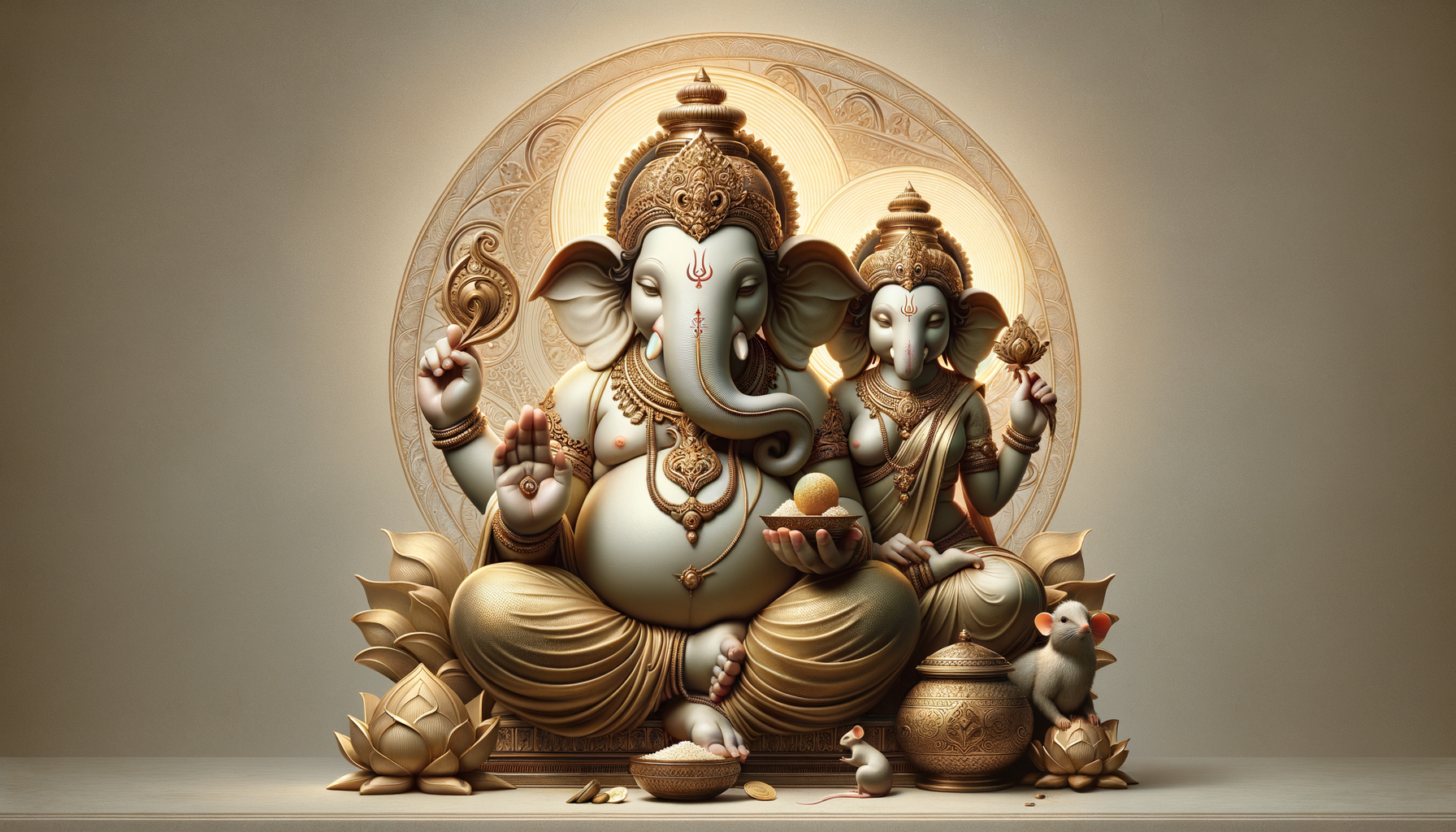
Equally central is the theme of contentment and restraint. With Ganesha, the rounded formoften paired with the modakaconveys santosha (contentment) and the capacity to hold and regulate desire. Rather than implying excess, the icon suggests the disciplined ability to contain impulses, transmute cravings, and remain equipoised amidst changean ideal at the heart of dharma.
From a yogic perspective, the belly also points to jatharagni, the inner fire that digests food, emotion, and experience. The image communicates a subtle teaching: spiritual growth depends on assimilation, not mere accumulation. Breath-led practices (especially diaphragmatic breathing) quiet the mind, steady prana, and strengthen this “digestive” capacityenabling discernment, clarity, and calm action.
Stability is another layer of meaning. A pronounced center suggests a low center of gravityfirmness in muladhara and steadiness in svadhisthanasignifying groundedness, resilience, and balanced decision-making. The icon thus encodes a psychological ideal: remain anchored while engaging the world with compassion and courage.
The pot belly may also evoke the garbha (womb) and the metaphor of Hiranyagarbhathe golden germhinting at latent potential and creative fullness. Read this way, the rounded abdomen becomes a vessel of possibilities, holding complexities without fragmentation and reflecting a universe sustained by order, rhythm, and care.
Across dharmic traditions, kindred values surface. In Buddhist iconography, the cheerful figure of Budai (often mistaken for the Buddha) similarly embodies plenitude, good fortune, and easy-hearted contentment. Jain teachings emphasize aparigraha (non-possessiveness) and inner purityprinciples aligned with restraint and ethical wealth. Sikh thought foregrounds santokh (contentment) and seva (service), harmonizing with the ideal of abundance shared through generosity. While visual conventions differ, the ethical corecontentment, non-hoarding, compassionforms a unifying thread of dharmic wisdom.
Art-historically, sculptors and painters from the Gupta through the Chola periods and across regions such as Maharashtra and Odisha employed rounded forms to convey rasajoy, serenity, and fullness of life. The aesthetic choice was never merely decorative; it functioned as a visual pedagogy, inviting viewers to contemplate philosophical ideals through form.
Practical insights emerge from this symbolism. Mindful consumption, rhythmic breathing, and balanced ambition translate sacred imagery into daily habits that cultivate health and equanimity. Likewise, the ethic of abundance as stewardship encourages annadana (acts of feeding), community support, and sustainable prosperityprosperity that circulates and uplifts.
Common misconceptions deserve clarification. The pot belly does not celebrate indulgence or mock the body; it encodes discipline, receptivity, and integrative strength. Read as a teaching tool, it reframes wealth as responsibility, desire as energy to be refined, and embodiment as a sacred vessel for wisdom.
Taken together, the pot-bellied forms of Ganesha and Kubera constitute a compact curriculum in Hindu symbolism: abundance tempered by responsibility, desire sublimated by discipline, and lived experience integrated through breath, awareness, and compassion. These insights harmonize with the shared ethical core of Hinduism, Buddhism, Jainism, and Sikhism, underscoring unity-in-diversity across the dharmic family.
Inspired by this post on Hindu Blog.