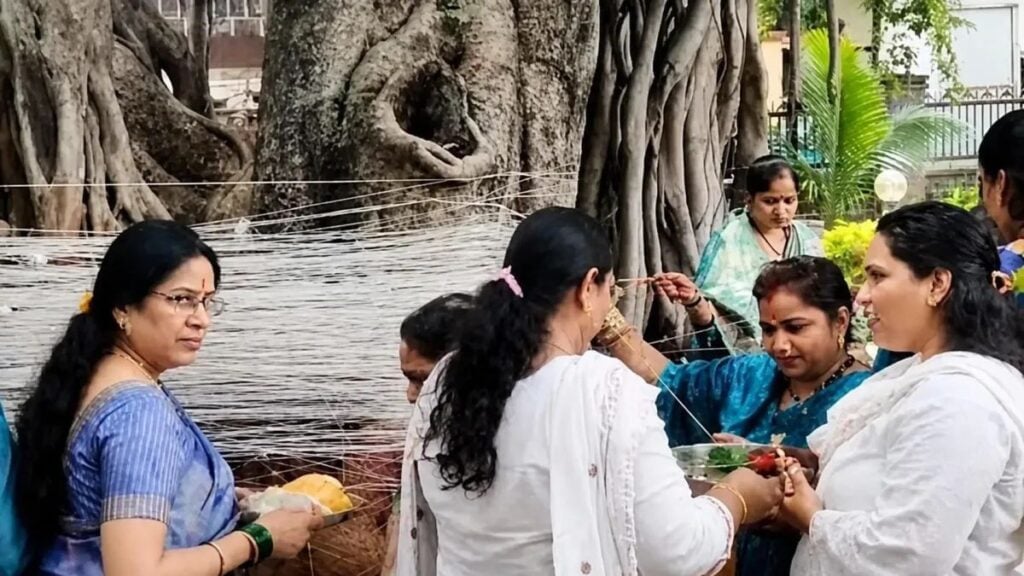
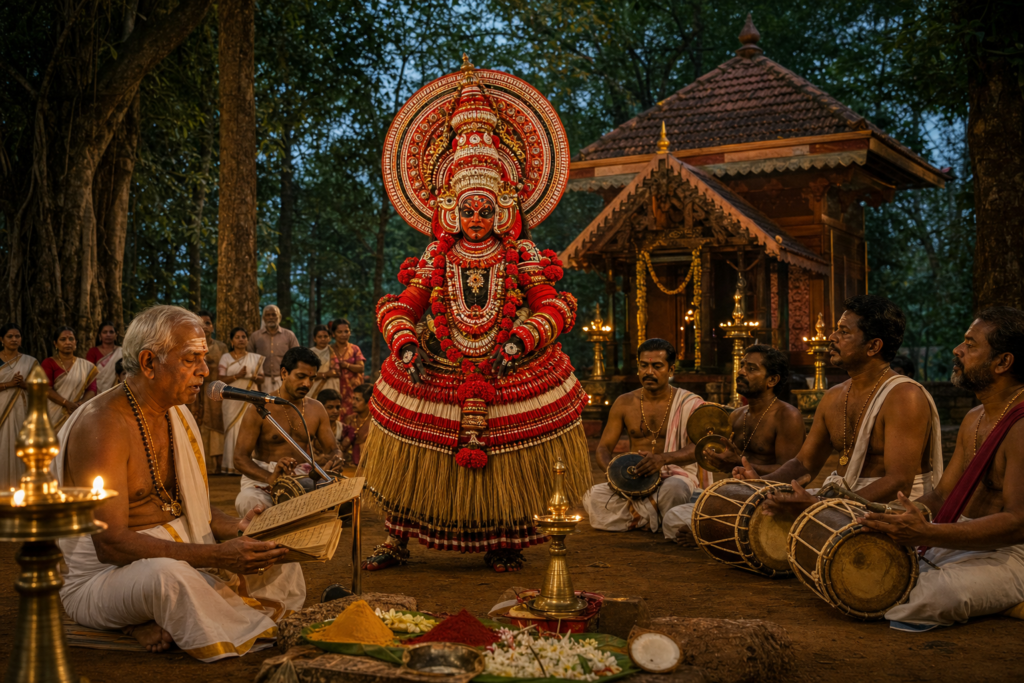
Soubhagya Gauri Vratam (also written as Sowbhagya Gouri Vratham) is a cherished vrata in the Hindu calendar that centers on devotion to Devi Gauri (Pārvatī) for auspiciousness, marital harmony, inner resilience, and family well-being. While the observance appears in multiple regional calendars across the year, many traditions emphasize a principal date in the Chaitra Month (March–April), aligning the vrata with the life-affirming energies of spring. This guide presents a careful, step-by-step vidhanam (Puja Vidhi), consolidating core practices from household traditions while noting respectful variations.
Across regions, the vrata’s central motif remains constant: honoring Devi as the fountain of sowbhāgya (good fortune and blessed conjugal life) and as Shaktithe sustaining force behind clarity, care, and courage. Devotees commonly report that the discipline of fasting, the cadence of mantras, and the serene order of the altar together cultivate a calm, ethical focus that carries into daily life. The following Puja Vidhi is structured to be precise yet adaptable, allowing households to follow their own sampradāya while observing a widely accepted sequence.
Timings and muhurta selection follow the Hindu calendar (Panchang). The principal observance often coincides with Chaitra Month, with many communities preferring a Tuesday in Shukla Paksha or the Tritiya tithi near the start of Chaitra. Where exact dates vary, the best practice is to consult a local Panchang to identify: a) a morning muhurta (preferably after sunrise, avoiding Rahu Kalam), or b) a serene evening window (Pradosha kala) if household custom permits. When in doubt, a stable morning slot that avoids Rahu Kalam is generally favored for Devi worship.
Eligibility for the vrata is inclusive. In many homes, married women lead the Puja Vidhi for sowbhāgya, while unmarried devotees may undertake it for virtuous companionship and inner steadiness. Men and elders also participate in several households, anchoring the observance as a family rite for collective welfare, health, and prosperity. The sankalpa is to be framed with sincerity, satya (truthfulness), and ahimsa (non-harm), aligning the personal vow with the ethical core of Sanatana Dharma.
Preparations commonly begin the previous day. Homes are cleaned, the Puja area is made orderly, and a simple sāttvika diet is maintained. On the Puja morning, a fresh kolam/muggu is drawn at the altar space, a mango-leaf toranam is placed where customary, and Puja materials are arranged methodically. Many practitioners describe a noticeable calm when the altar is set before other tasks, letting the day’s rhythm form around the vrata rather than the reverse.
Essential Puja materials typically include an altar board (pātra or peetha), turmeric (for Pasupu Gauri), kumkum, raw rice (akshata), flowers and garlands (marigold or regionally preferred blooms), sandal paste (gandha), a deepam (ghee or oil lamp), incense, a clean kalasha or lota, fresh water, five or more mango leaves, a whole coconut, betel leaves and nuts (tambula), fruits, and home-cooked sāttvika naivedyam. Optional offerings include green bangles (for suhasini sumangali traditions), a small vastra for Devi, and coins or dakshina for charity.
Altar setup follows a simple logic of purity and directionality. The Puja board is placed facing east or north. A fresh kolam/muggu is drawn. If performing kalasha-sthapana, the kalasha is partly filled with clean water (optionally with a pinch of turmeric, a coin, and a few grains of rice), then adorned with mango leaves and capped with a coconut smeared lightly with kumkum. Beside or before the kalasha, many households establish a Pasupu Gaurian image of the Goddess crafted as a conical form from turmeric, sometimes on a betel leaf, placed over rice. Where a metal, clay, or framed image is customary, that is used respectfully in place of Pasupu Gauri.
Purification begins with āchamana (sipping sanctified water, if practiced), pranayama for steadiness, and a brief inner dhyana on Gauri as compassion and auspiciousness. A clear sankalpa is then articulatedstating date, place, name, and intentsuch as praying for sowbhāgya, family health, clarity in dharma, and the welfare of all beings. The sankalpa aligns the vrata with a mindful ethical aim, strengthening both resolve and humility.
The invocation sequence is classically structured yet flexible. Ganesha dhyana and a brief offering to Vighneshwara remove obstacles. Kalasha-sthapana (if performed) consecrates the vessel as a seat of Devi’s presence. Gauri āvāhana invites the Goddess to grace the altar; asana (offering of seat) follows. Padyam, arghyam, and achamaniyam (symbolic foot, hand, and sipping waters) honor Devi’s arrival. Snana or abhishekam for Pasupu Gauri is usually done symbolically as gentle sprinkling; alankara then follows with gandha, kumkum, and flowers.
Households may choose Panchopachara (five offerings) or Shodashopachara (sixteen offerings) Puja Vidhi. Panchopachara centers on gandha (sandal), pushpa (flowers), dhoopa (incense), deepa (lamp), and naivedya (food offering). Shodashopachara expands this framework to include sequential upacharas like snana, vastra, alankara, and tambula. For many busy homes, a dignified Panchopachara that is attentive and unhurried proves both practicable and reverential.
Mantra and stotra recitation may include simple and potent invocations such as “Om Gauryai Namah,” “Om Parvatyai Namah,” or the Gauri Ashtottara Shata Namavali. Where time allows, Lalita Sahasranama, Devi Suktam, or portions of Devi Mahatmyam may be read. The choice of texts depends on familiarity and family tradition; clarity of mind and heartfelt attention matter more than volume. Many practitioners find that a modest, focused recitationfollowed by a few minutes of silent contemplationyields deep inner quiet.
Naivedyam typically consists of sāttvika preparations free from onion and garlic. Regional favorites include sweet pongal or ksheeram (payasam/kheer), chalimidi, paramannam, pulihora (for those whose customs permit tangy offerings), and seasonal fruits. Panakam and vadapappu are offered in some homes during the Chaitra season. After the offering, a brief ārati is performed, and the naivedyam is later shared as prasadam, reinforcing the vrata’s ethos of gratitude.
Fasting observance ranges from nirjala (waterless) to phalahara (fruits) to a single sāttvika meal after Puja. The intent is self-discipline, not hardship for its own sake. Even a measured restraintsimplifying diet, reducing speech, and limiting distractionsaligns the mind for worship. Where health conditions apply, the vrata is adapted responsibly; caretaking one’s body is consistent with dharma.
The Soubhagya Gauri Vratam katha, in many tellings, conveys how unwavering devotion to Gauri transforms adversity. A devoted woman, steady in vrata, crafts a simple Pasupu Gauri, offers humble naivedyam, and recites Devi’s names with pure intention. Through this practice, obstacles lessen, discord yields to mutual understanding, and family life stabilizes in compassion and duty. The narrative emphasizes that sincerity, ethical conduct, and dana (charity) are the true ornaments of worship.
Dana and tambula conclude the core upacharas. Married women (suhasinis) may be respectfully offered kumkum, turmeric, flowers, green bangles, and tambula, where local custom endorses italways with consent and dignity. Monetary dana or grain donations to those in need align the vrata with lokasangraha, the uplift of the wider community. Many households find that mindful giving becomes the lasting memory of the day.
Udyapana and visarjana complete the observance. After ārati and kshamapana (seeking forgiveness for errors), Devi is respectfully offered visarjana. If a Pasupu Gauri was established, it is customary to dissolve the turmeric in a clean water source at home or return it to the earth near a sacred plant (such as Tulasi), avoiding public water bodies. Kalasha water may be sprinkled around the home and sipped as prasadam, symbolically distributing Devi’s grace to the dwelling and its residents.
Regional names and calendars vary. In Andhra Pradesh and Telangana, the term Sowbhagya Gouri Vratham is widespread, with special reverence in the Chaitra Month. Households in Maharashtra and Karnataka observe distinct Gauri-related vratas at other times of year, often aligned with their regional Panchang; these are related in spirit but differ in exact date and procedure. The present vidhanam remains a reliable template; families are encouraged to honor their paramparā wherever it diverges.
The vrata’s inner discipline resonates with broader dharmic values shared across Hinduism, Buddhism, Jainism, and Sikhism: non-harm, truthfulness, self-restraint, generosity, and mindful remembrance of the sacred. While the iconography here is distinctively Hindu and Vedic, the ethical corecultivating compassion, inner steadiness, and servicereflects a unity of aspiration that binds Dharmic traditions in mutual respect.
Practical considerations enhance both dignity and focus. A clean, quiet space supports concentration; mantras are recited at a measured pace; offerings are proportionate and non-wasteful; and all implements are later cleaned responsibly. Avoiding Rahu Kalam, maintaining a calm dress code, and ensuring that children and elders participate in age-appropriate ways help make the observance a shared, enduring memory.
Sustainability and inclusivity naturally integrate with the vrata. Eco-friendly lamps and local flowers minimize waste; food prepared for naivedyam becomes community nourishment as prasadam. Inclusive language and roles ensure that all participantsirrespective of age or genderfeel reverently engaged. Where a family member is ill or traveling, a simplified Puja Vidhi with sincere sankalpa is fully in the spirit of Soubhagya Gauri Vratam.
Common questions arise in practice. Who can observe the vrata? Anyone with sincere intent, guided by family custom. How many times per year? Some undertake it annually in Chaitra; others observe several Tuesdays across the year with a final udyapana. What if a procedure step is missed? Kshamapanaan explicit request for forgivenessreflects the tradition’s compassionate center. Can the Puja be brief? Yes; Panchopachara with attentive mantra and heartfelt silence is fully respectable.
In summary, Soubhagya Gauri Vratam harmonizes intention, ritual, and ethics into a holistic practice. Selecting a suitable muhurta by the Panchang, preparing a serene altar, performing Panchopachara or Shodashopachara with clarity, offering sāttvika naivedyam, reading the katha, and completing the vrata with dana and visarjana together shape a transformative day. Over time, many households find the vrata’s discipline radiates beyond ritual hourssoftening speech, refining choices, and anchoring family life in devotion, mutual respect, and shared joy.
Inspired by this post on Hindu Pad.