
-
SB 11.3.5 Unveiled: Navayogendras on Bhakti, Deity Worship, and Fearless Devotional Life
This in-depth exploration situates SB 11.3.5 within the Nimi–Navayogendra dialogue of the Bhagavata Purana and explains how the verse anchors a practical turn toward embodied devotion. It clarifies the integration of association with the saintly, disciplined hearing, Deity worship (arcana), and compassionate service as core commitments of bhakti. Readers gain a precise sense of how…
-
Unlocking Lakshminarayan Vrat: Puranic Roots, Ritual Science, Dates, Vidhi, and Benefits
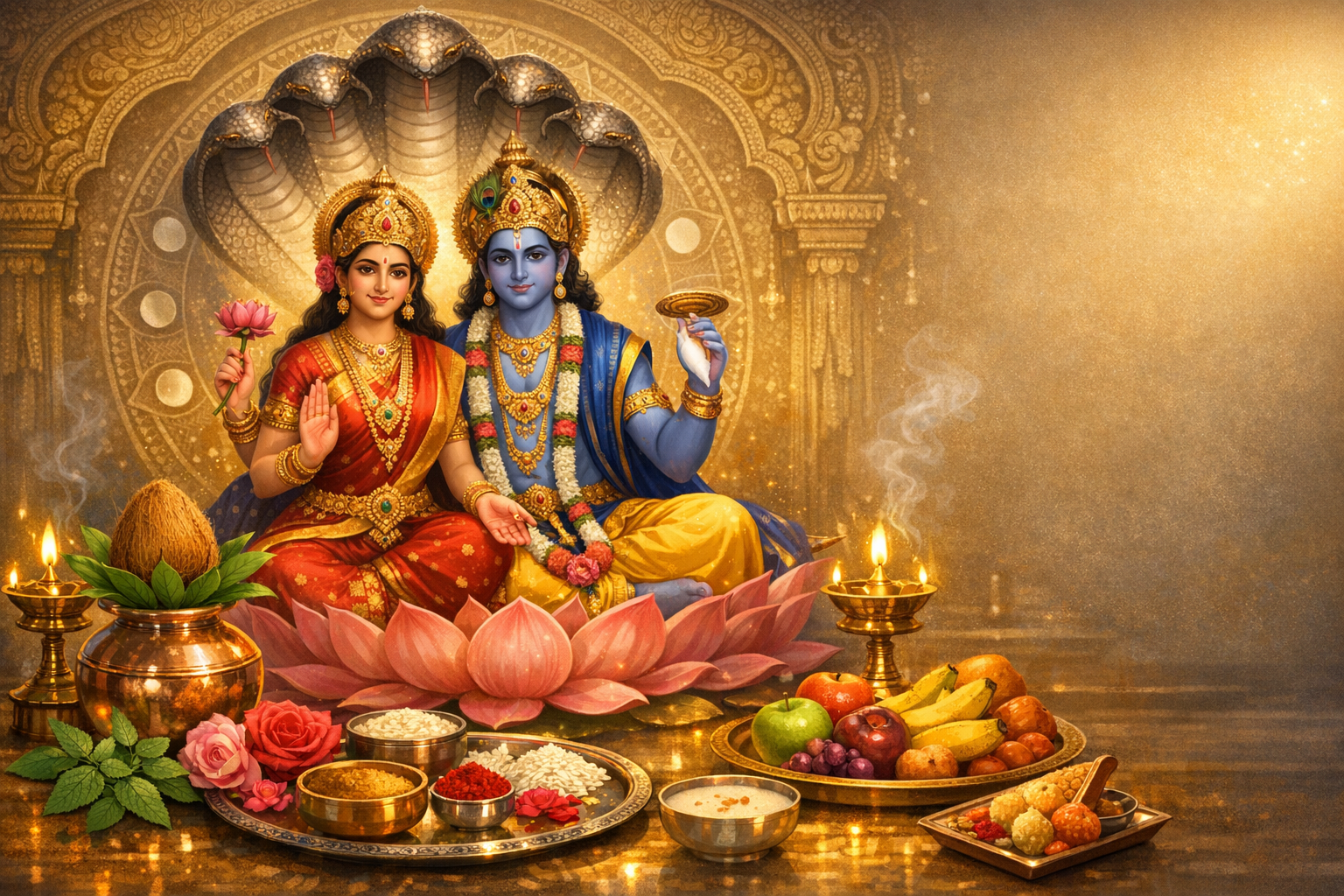
Lakshminarayan Vrat is a dynamic Vaishnava observance that unites Lakshmi’s abundance with Narayana’s ethical preservation, guiding households toward prosperity anchored in dharma. Unlike time-bound vows, it can be scheduled across the year based on regional sampradaya and the local Panchang. The practice centers on clear sankalpa, Panchopachara or Shodashopachara puja, accessible mantras like “Om Namo…
-
Parameshvara Samhita Revealed: Pancharatra Masterwork of Ritual, Devotion, and Temple Science

The Parameshvara Samhita is a Pancharatra masterwork that unites theology, ritual science, and sacred architecture into a coherent path of devotion. Across fifteen chapters, it presents precise protocols for prana-pratishtha, nitya-puja, abhishekam, and festival cycles while grounding every act in ethical cultivation and dharma. Its doctrinal core rests on the Vyuha doctrine and the arcavatara,…
-
Ishta Devata and Bhakti Yoga: Transformative Rituals, Guru Guidance, and the Journey from Gauni to Para-Bhakti
This long-form exploration clarifies how Ishta Devata and bhakti yoga work together to transform ritual into inner freedom. It explains why gauni bhakti (preparatory devotion) is essential for cleansing the mind and cultivating niṣkāma, disinterested love for Bhagavan. It details the role of the guru within the Guru-Shishya Tradition, showing how guidance ensures safe, authentic,…
-
Bhuridakshinaya Bhairava: Guardian of Dharma, Southern Direction, and Sacred Abundance

Bhuridakshinaya Bhairava unites fierce guardianship with ethical generosity, drawing on the multiple meanings of dakshina as offering, right-hand propriety, and the southern direction. The epithet’s Vedic resonance with bhuri-dakshina illuminates a moral economy in which right giving completes right worship. In Shaiva Tantra, Bhairava’s role as Kshetrapala aligns with directional theology, temple architecture, and observances…
-
Decoding Panchamukhi Ganapati: Five Faces that Harmonize Elements, Senses, and Self
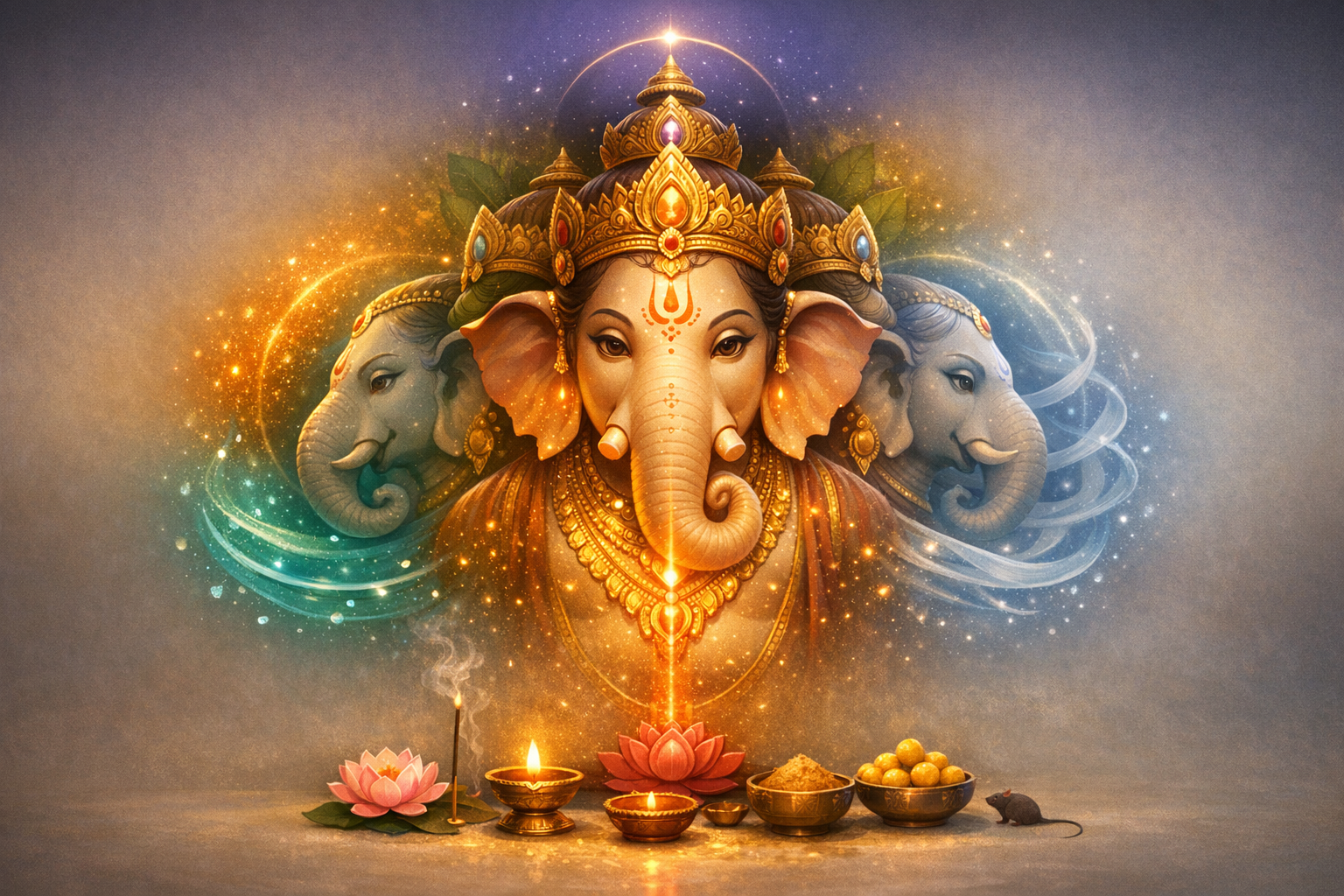
This in-depth exploration decodes Panchamukhi Ganapati as a five-faced synthesis of the five senses and the five great elements. It clarifies the classical mapping of indriyas to pancha mahabhuta and shows how the image guides pratyahara and allied yogic practices. Readers encounter multiple scholarly interpretations, from pancha prana and Pancha Kosha Viveka to the fivefold…
-
From Flower to Faith: Uncovering Puja’s Roots, Vedic Evolution, and Sacred Simplicity

This essay explores the timeless essence of puja by tracing its etymology, ritual history, and lived practice, from the Dravidian echo of ‘pu’ (flower) to Sanskrit notions of honor and reverence. It clarifies how Vedic, Purāṇic, and Agamic sources shaped today’s home and temple worship, including pañcopacāra and śoḍaśopacāra frameworks. Readers gain practical guidance for…
-
Raksha Kali: Fierce Protector of DharmaIconography, Mantras, Ritual Practice, Living Devotion

Raksha Kali is revered in Shakta Tantra as the Divine Protector, an aspect closely aligned with Dakshina Kali that amplifies compassionate guardianship. The name “raksha” (protection) captures her role in safeguarding devotees and sustaining dharma, a function expressed through powerful iconographyabhaya and varada mudras, the sword of discernment, and symbols of ego-transcendence. The article explains…
-
Sita Navami 2026 (Apr 25): Auspicious Puja Vidhi, Vrat Guide, Panchang Rules & Significance

Sita Navami 2026 falls on April 25, aligning with Vaishakha Shukla Navami in the Hindu calendar. This comprehensive guide explains the festival’s scriptural foundations, cultural depth, and ecological symbolism, spotlighting Sita as an embodiment of dharma and a manifestation of Goddess Lakshmi. It clarifies Panchang-based tithi rules, the Udaya Tithi and Madhyahna approaches, and why…
-
Akshaya Tritiya Lakshmi Puja: Auspicious Timings, Kubera Vidhi, and Proven Ritual Steps
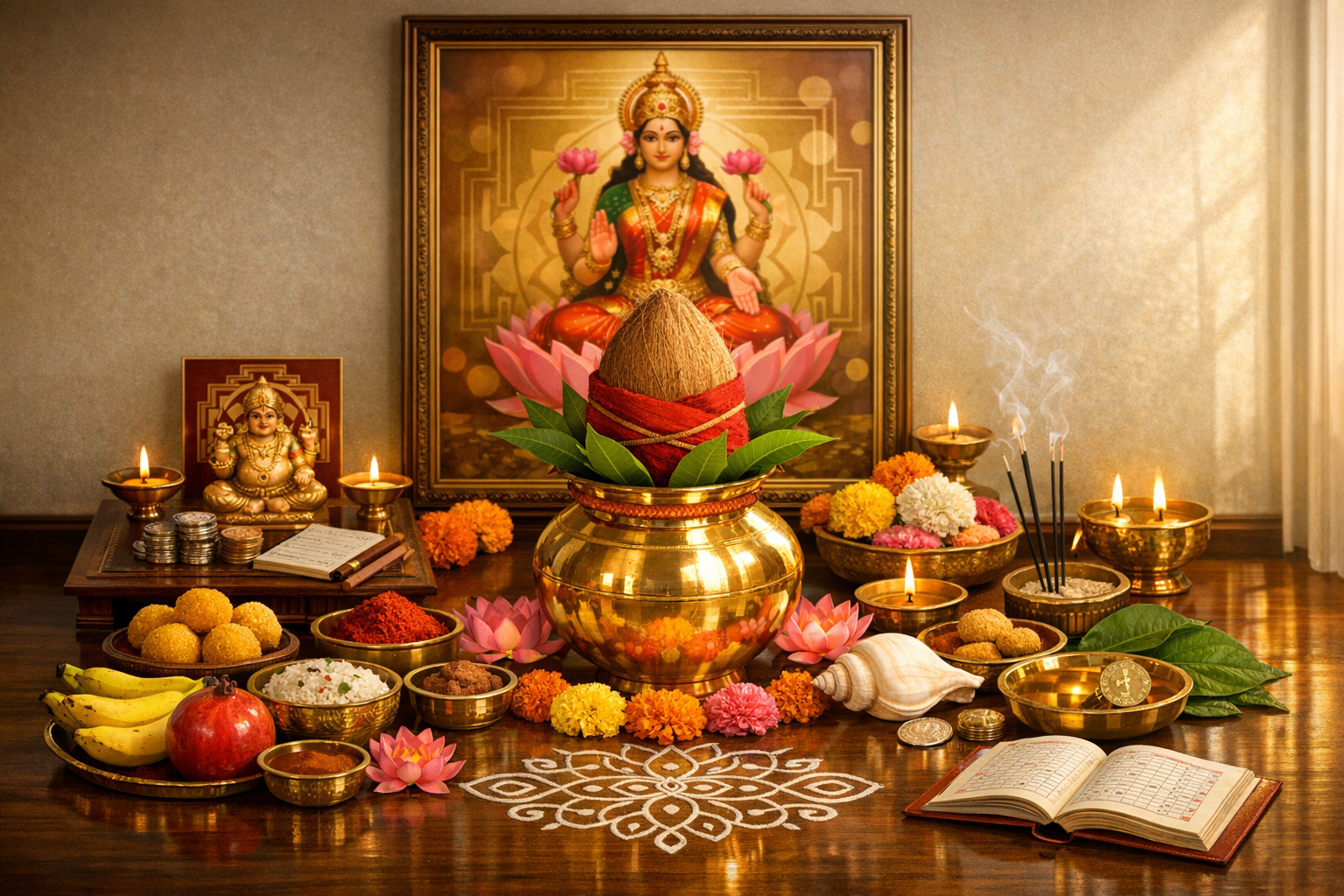
Akshay Tritiya or Akshaya Trutiya, observed on Vaishakh Shukla Tritiya, is celebrated as a sarva-siddha muhurta to honor Goddess Lakshmi through Lakshmi Puja and Kubera worship. The day’s ethos“akshaya,” or imperishable prosperitycombines devotion with ethics: wealth must be cultivated, stewarded, and shared. This guide details a complete, home-friendly Lakshmi Puja vidhi, including kalasha sthapana, Shodashopachara…
-
Parashurama Jayanti 2026 on Akshaya Tritiya: Auspicious Date Rules, Muhurta, Puja, and Meaning
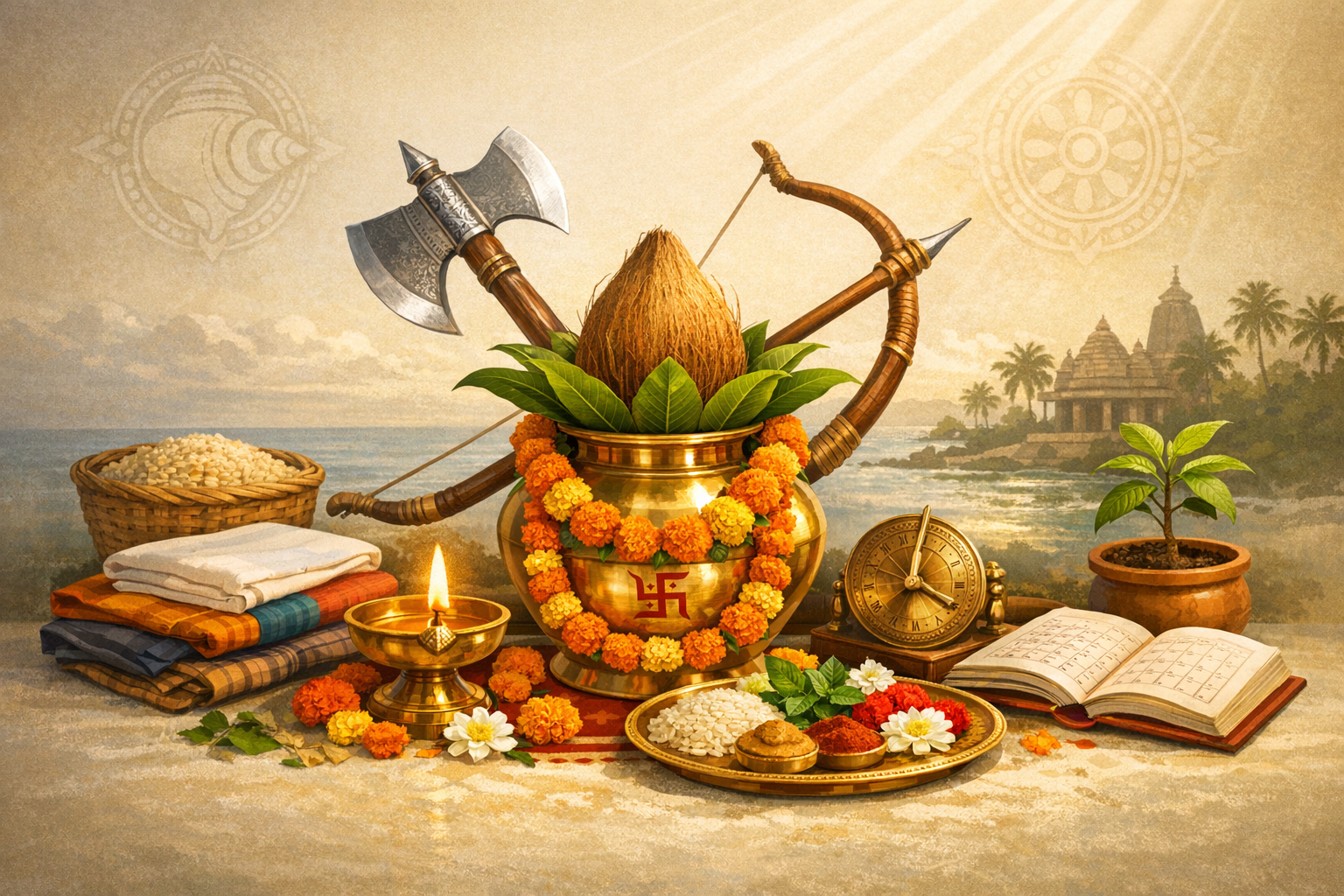
Parashurama Jayanti 2026 coincides with Akshaya Tritiya, observed on Vaishakh Shukla Tritiya, and is dedicated to Lord Parashurama, the warrior-sage avatar of Lord Vishnu. Because the Tritiya tithi can overlap civil dates and time zones, traditions may choose the day based on sunrise or Madhyahna, so local Panchang consultation is essential. The day’s core practices…
-
Hanuman Jayanti 2026 Puja Vidhi: Authoritative Step-by-Step Vrat, Muhurta, Mantras, Aarti

Hanuman Jayanti 2026, aligned with Chaitra Purnima on April 1–2, is a comprehensive occasion for vrata, puja, and stotra-parayana centered on Sri Hanuman’s ideals of strength, devotion, and seva. This authoritative guide details the Hanuman Vrat Pooja Procedure from preparatory cleanliness and sattvic discipline to sankalpa, dhyana, abhishekam, archana, and aarti. It explains practical muhurta…
-
Hanuman Jayanti 2026: Chaitra Purnima Dates, Powerful Rituals, Regional Traditions, Timeless Insights
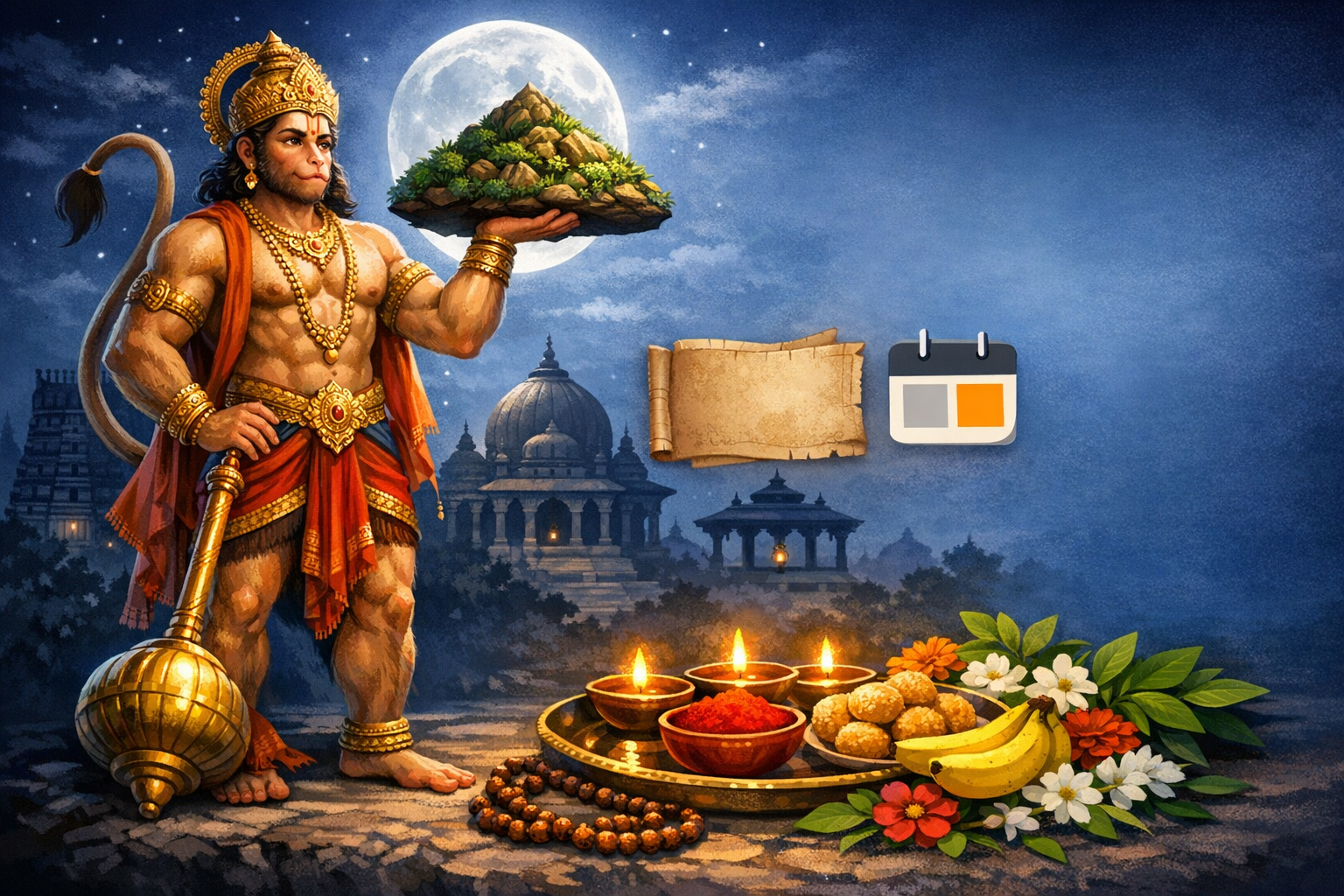
Hanuman Jayanti 2026 will be observed on Chaitra Purnima, spanning April 1–2 (IST), with many communities marking the festival on the day Purnima prevails at sunrise. This comprehensive guide explains the panchang rules that shape the date, regional variations such as Hanumath Vijayotsavam, and why neighboring regions may celebrate on adjacent days. It offers a…
-
Navratri Day 4, 22 March 2026: Definitive Kushmanda Puja Guide with Ritual Steps and Mantras
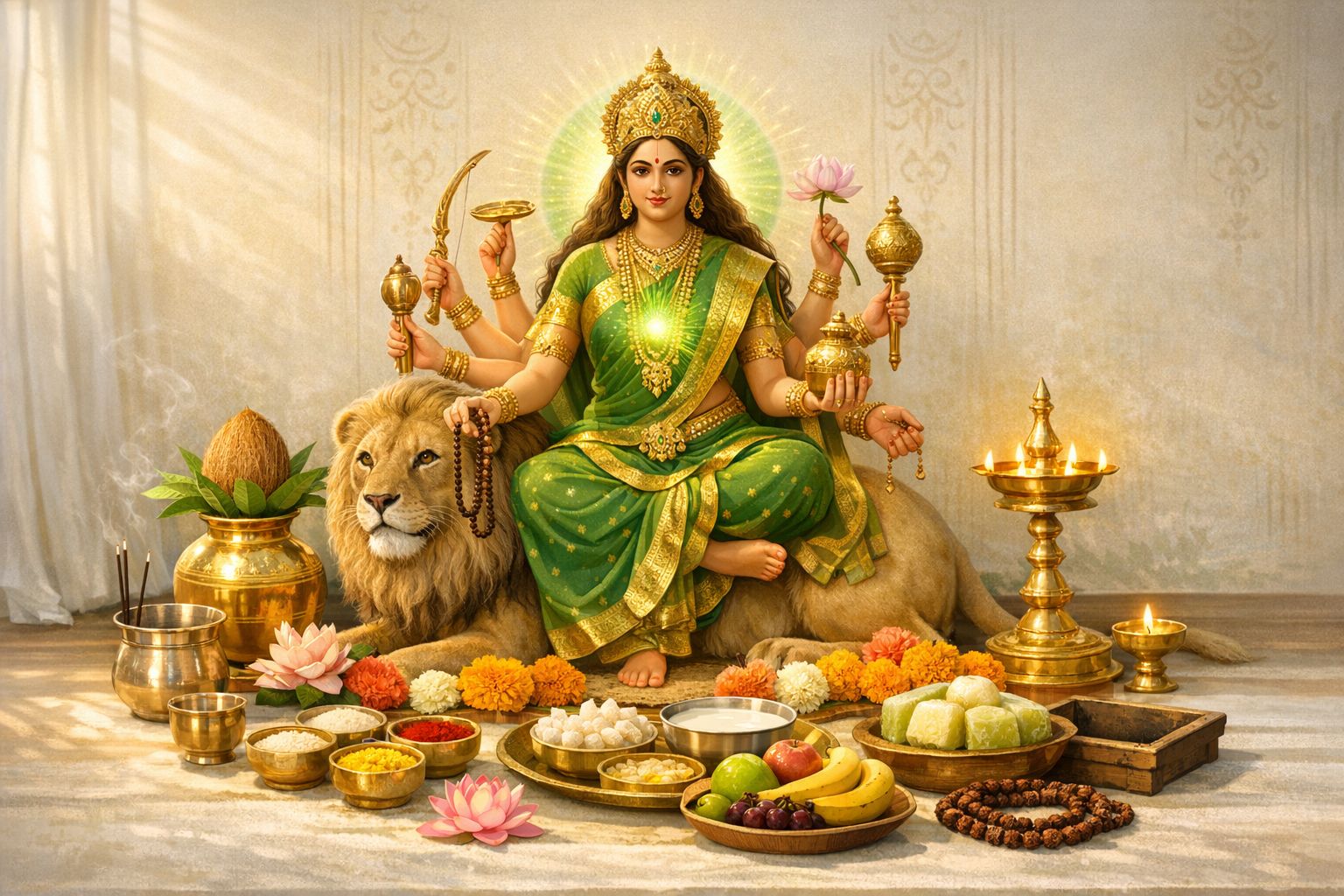
The fourth day of Chaitra Navratri on 22 March 2026 honors Goddess Kushmanda, revered as the radiant source of warmth and the cosmic egg of creation. This definitive guide outlines accurate, region-sensitive practice: preparing the altar, making a clear sankalpa, installing the kalasha, and offering Panchopachara or Shodashopachara. It details mantrasincluding ॐ देवी कूष्माण्डायै नमः…
-
Navratri Day 4 (22 March 2026): Complete Kushmanda Puja Vidhi, Mantras, Fasting & Seva Guide
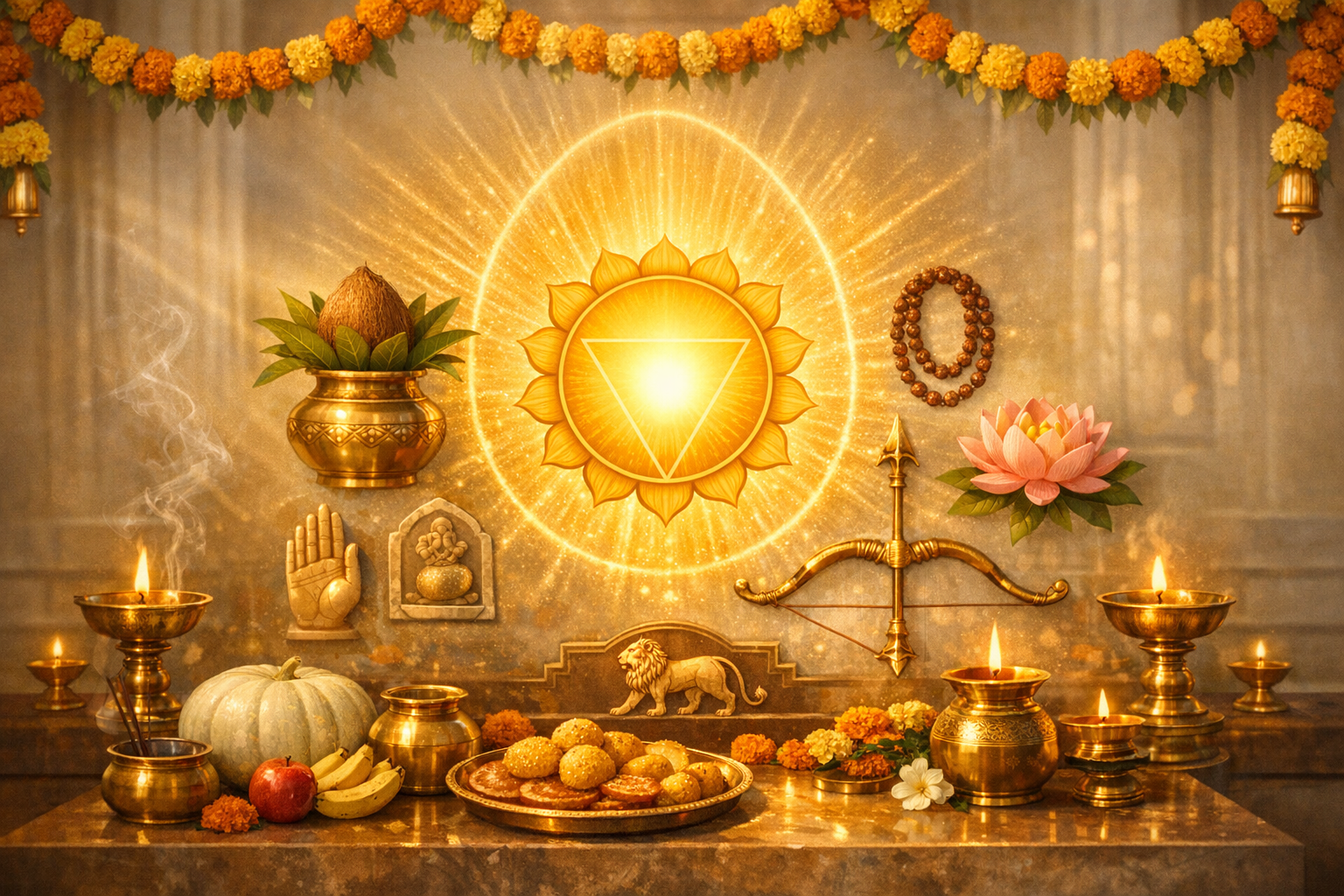
Navratri Day 4 on 22 March 2026 (Chaitra Shukla Chaturthi) honors Goddess Kushmanda, the radiant source linked to the cosmic egg. This comprehensive guide clarifies muhurat selection via local pañcāṅga, explains the symbolism of Kuṣhmāṇḍā and her solar association, and details a practical home puja-vidhi. It outlines ten essential practices: space purification, altar setup, clear…
-
Goddess Jogadya Durga of Bengal: Unveiling Adya Shakti, Yoga, and a Timeless Shakta Legacy

Goddess Jogadya (Yogadya) is Bengal’s intimate manifestation of Durga, uniting the yogic discipline of attention with the primordial Adya Shakti. This in-depth guide explains her theology, iconography, and ritual grammar, situating Jogadya within Bengal’s sacred geography and festival calendarfrom Charak Sankranti in Chaitra to Sharadiya Navaratri in Ashwin. Readers learn how daily worship follows Panchopachara…
-
Soubhagya Gauri Vratam Vidhanam: Precise Puja Steps, Auspicious Timings, Meanings, and Benefits

Soubhagya Gauri Vratam (Sowbhagya Gouri Vratham) is a widely observed vrata dedicated to Devi Gauri for sowbhāgya, family well-being, and inner steadiness, with many traditions highlighting a principal date in the Chaitra Month. This academically structured guide explains the complete vidhanamfrom muhurta selection via the Panchang to altar setup, kalasha-sthapana, Pasupu Gauri preparation, and either…
-
Date, Rituals, and Meaning of Sati Anasuya Jayanti 2026: A Devotional Guide to Vaishakh Chaturthi
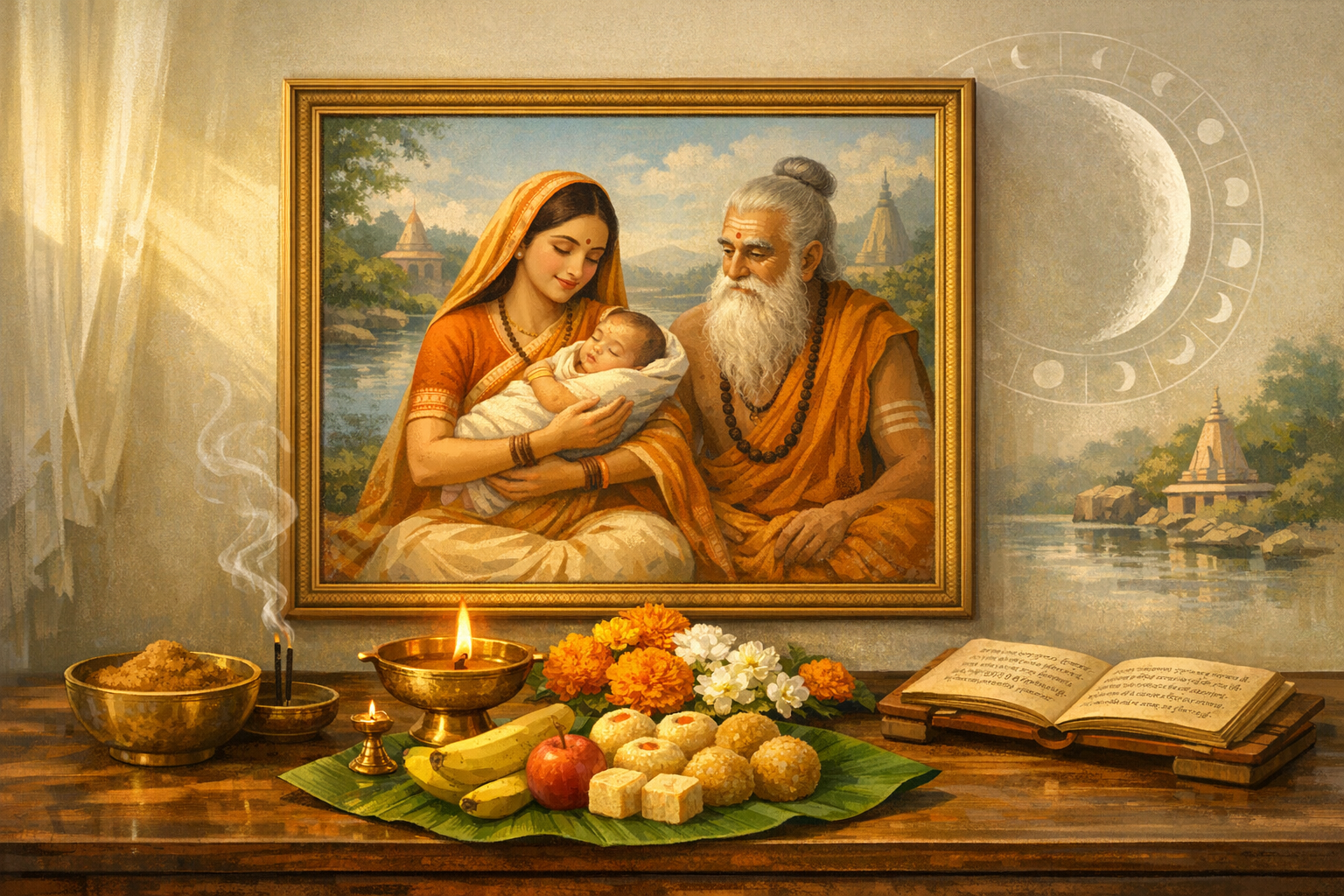
Sati Anasuya Jayanti 2026 falls on Monday, 6 April, aligned with Krishna Paksha ChaturthiVaishakh (Purnimant) and Chaitra (Amavasyant). This guide explains the date and tithi clearly, helping readers plan according to their local panchang. It outlines an accessible home puja-vidhi centered on panchopachara, dhyana, and Puranic reading, with practical fasting and charity recommendations. The article…
-
Kamyakali Unveiled: The Desire-Fulfilling, Fierce-Compassionate Power of Goddess Kali

Kamyakali is venerated in Shakta traditions as a form of Goddess Kali who unites fierce protection with maternal compassion while fulfilling desires aligned with dharma. The discussion clarifies the Sanskrit root of kāmya, connecting it to ethical, purpose-driven worship rather than unexamined craving. It explores Kali’s core iconography and explains how Kamyakali highlights blessing gestures…
-
Shri Vratam (Lakshmi Panchami) 2026: Auspicious Chaitra Puja Vidhi, Tithi, Timings & Significance

Shri Vratam, also called Lakshmi Panchami or Chaitra Lakshmi Puja, occurs on Chaitra Shukla Panchami and in 2026 falls on March 23. This comprehensive guide explains the tithi logic in the Hindu calendar and how regional Panchang differences affect global observance. It details the complete puja vidhi, including kalasha sthapana, shodashopachara offerings, and core recitations…